 Vietnamnet.vn

 Podcast


In a solemn ceremony, more than 200 representatives of ethnic communities will offer incense in tribute to the nation's legendary founding ancestors, expressing gratitude for their shared origins and cultural roots.
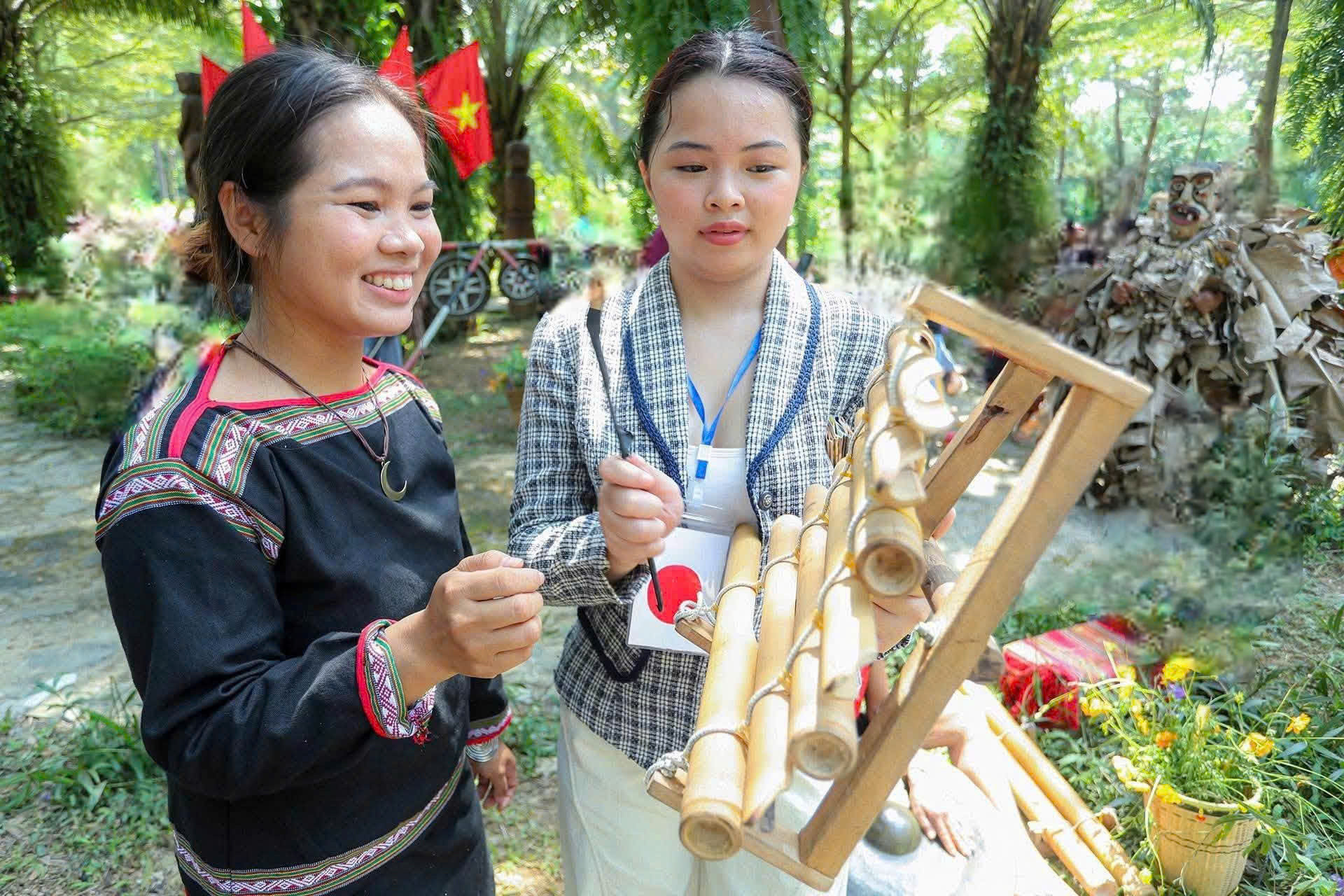
Following the ceremony, the square will come alive with folk music and artistic exchanges. The resonant sounds of Central Highlands gongs will blend with traditional bamboo instruments, offering visitors a glimpse into the richness of Vietnam's cultural traditions.
Throughout November 14 and 15, visitors will have opportunities to experience traditional festivals and cultural practices representing different ethnic groups.
At the Dao Ethnic Village, artisans from Hanoi's Dao Quan Chet community and a delegation from Quang Ninh province will recreate the Song Mun peace-praying ceremony, accompanied by traditional bell and turtle dances and demonstrations of herbal foot-soaking practices.
Meanwhile, the Cham tower complex will host the "Flowers of the Tower Land" programme, featuring a recreation of the Rija Praong ceremony practiced by the Brahman Cham community in Khanh Hoa province.
The programme will also showcase the craftsmanship behind Bau Truc pottery, a traditional Cham art recognized by UNESCO as intangible cultural heritage.
In areas representing the mountainous regions of northern Vietnam and the Central Highlands, visitors can discover the distinctive sounds of the Mong people's traditional reed pipes during a new rice ceremony performed by artisans from Thanh Hoa province.
The Ro Mam community from Quang Ngai province will also recreate its traditional rice granary opening ritual, offering audiences a rare opportunity to learn about the customs and spiritual beliefs associated with agricultural life.
Beyond individual ceremonies and performances, cultural exchange will be a central theme of the celebrations.
Special programmes highlighting the traditions of northern Vietnam, southern Vietnam and the Central Highlands will bring together 16 ethnic community groups that regularly participate in activities at the village, alongside visiting artisan delegations from different localities.
An exhibition titled "Heritage Origins in the Heart of the Capital," held at the Ancestral Worship Ceremony Area, will incorporate QR codes and digital content, allowing visitors to explore information and historical materials about Vietnam's 54 ethnic groups.
At the Fishing Village Area, visitors can enjoy a lakeside performance titled "Fishermen Setting Sail," along with a range of hands-on activities.
These will include painting seafood models, traditional fishing-net weaving, the folk game of catching loaches in a jar and sampling rustic countryside snacks.
Together, the activities will transform the village into a lively meeting place for ethnic communities and visitors, celebrating the diversity of Vietnam's cultural heritage while encouraging greater appreciation of traditional customs and crafts.
Tinh Le

