 Vietnamnet.vn

 Podcast


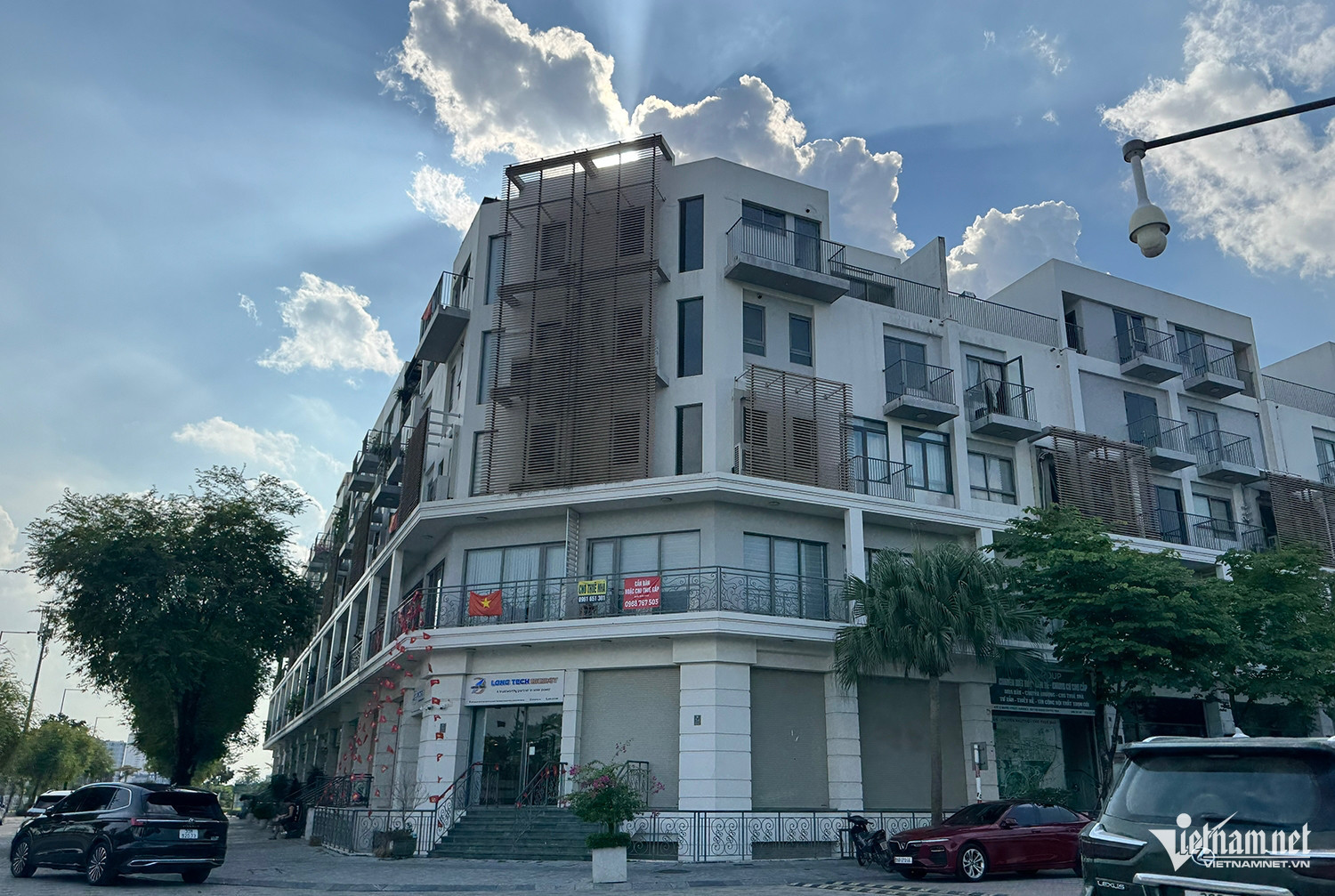
Many townhouses and shophouses at The Manor Central Park in Hanoi are listed at VND 25–45 billion, yet lease for only VND 28–50 million monthly, leaving gross Hanoi townhouse rental yield at roughly 1–2 percent per year.
Developed by Bitexco Group, The Manor Central Park project was launched during the 2014–2015 period. The development is located south of Ring Road 3, connecting directly with the Nguyen Xien corridor and major arteries across southern Hanoi, where low Hanoi townhouse rental yield figures have drawn market scrutiny.
According to project disclosures, the first phase comprised approximately 561 low-rise units, including villas, terraced townhouses, and shophouses, with handovers starting in the first quarter of 2019. Subsequent phases continued rolling out hundreds of additional low-rise residences.
During initial sales launches from late 2016 to early 2017, terraced townhouses and shophouses measuring 75–99 square meters were introduced at VND15–19 billion per unit. Semi-detached and detached villas spanning 160–300 square meters were priced around VND25–35 billion per unit, depending on location.
After nearly a decade, asking prices across the project have climbed substantially. Market surveys show numerous terraced townhouses and shophouses currently listed from VND25 billion to tens of billions of dong, varying by floor area, location, and finishing level.
In the 73–75 square meter, five-story terraced townhouse segment, brokers are marketing several units at VND25–25.5 billion, equivalent to roughly VND333–340 million per square meter of land. Units near flower gardens, pedestrian streets, or with completed interiors are listed at VND26–29 billion, or approximately VND346–386 million per square meter.
Shophouses measuring 120–131 square meters near parks or major boulevards are offered at VND44–60.8 billion. In the villa segment, finished four-story semi-detached units spanning 160 square meters are listed at VND58–64.2 billion, while 200-square-meter villas overlooking internal parks or swimming pools carry asking prices of VND76.5–82 billion.
Several corner villas spanning 225–270 square meters with expansive gardens and multiple open facades are being marketed by brokers from VND90 billion to over VND100 billion.
Meager rental rates
Despite property valuations reaching tens of billions of dong, monthly rents remain just tens of millions of dong. For instance, a villa valued at roughly VND60 billion and leased at VND60 million per month generates VND720 million annually for its owner, yielding a gross Hanoi townhouse rental yield of only about 1.2 percent per year.
Similarly, a terraced townhouse priced at VND28 billion on the resale market and rented for VND30 million per month brings in VND 60 million in annual rental revenue, equating to a gross Hanoi townhouse rental yield of roughly 1.29 percent annually.
These return ratios indicate that leasing can hardly serve as a primary profit engine for investors buying at current price levels while relying solely on monthly cash flow.
Furthermore, these figures reflect gross rental revenue before deducting maintenance, repairs, brokerage commissions, taxes, and vacancy periods, meaning net Hanoi townhouse rental yield is even lower in practice.
Currently, many terraced townhouses are advertised for rent at roughly VND28–35 million per month. Specifically, five-story units measuring 73–75 square meters lease for around VND28–35 million monthly for the entire building, depending on location and interior finishing.
Several corner units facing main thoroughfares command asking rents of VND40–50 million per month. Larger residences spanning 99–120 square meters typically lease for VND45–70 million monthly.
Semi-detached and quad-villas measuring roughly 160–200 square meters with completed interiors rent for approximately VND50–75 million per month.
Tuan Anh, a local real estate broker, noted that although asking rents appear relatively modest compared to apartments, tenant demand remains sluggish. Leasing inquiries come primarily from companies seeking offices, showrooms, or service premises, and finding single tenants willing to lease entire multi-story buildings with large floor areas proves challenging.
Units lacking interior finishes or delivered as bare shells require substantial upfront capital expenditure before becoming leasable. Consequently, owners must weigh leaving properties vacant, funding interior build-outs themselves, or accepting rents well below expectations.
He said meager rental returns falling short of expectations alongside a sluggish resale market have left numerous townhouses sitting vacant for a long time.
Duy Anh

