 Vietnamnet.vn

 Podcast




The center, located in Le Mat - the capital’s renowned traditional snake-rearing village - comprises two main components: a reptile conservation facility and a creative design hub to promote and sell OCOP products, crafts, and tourism experiences.
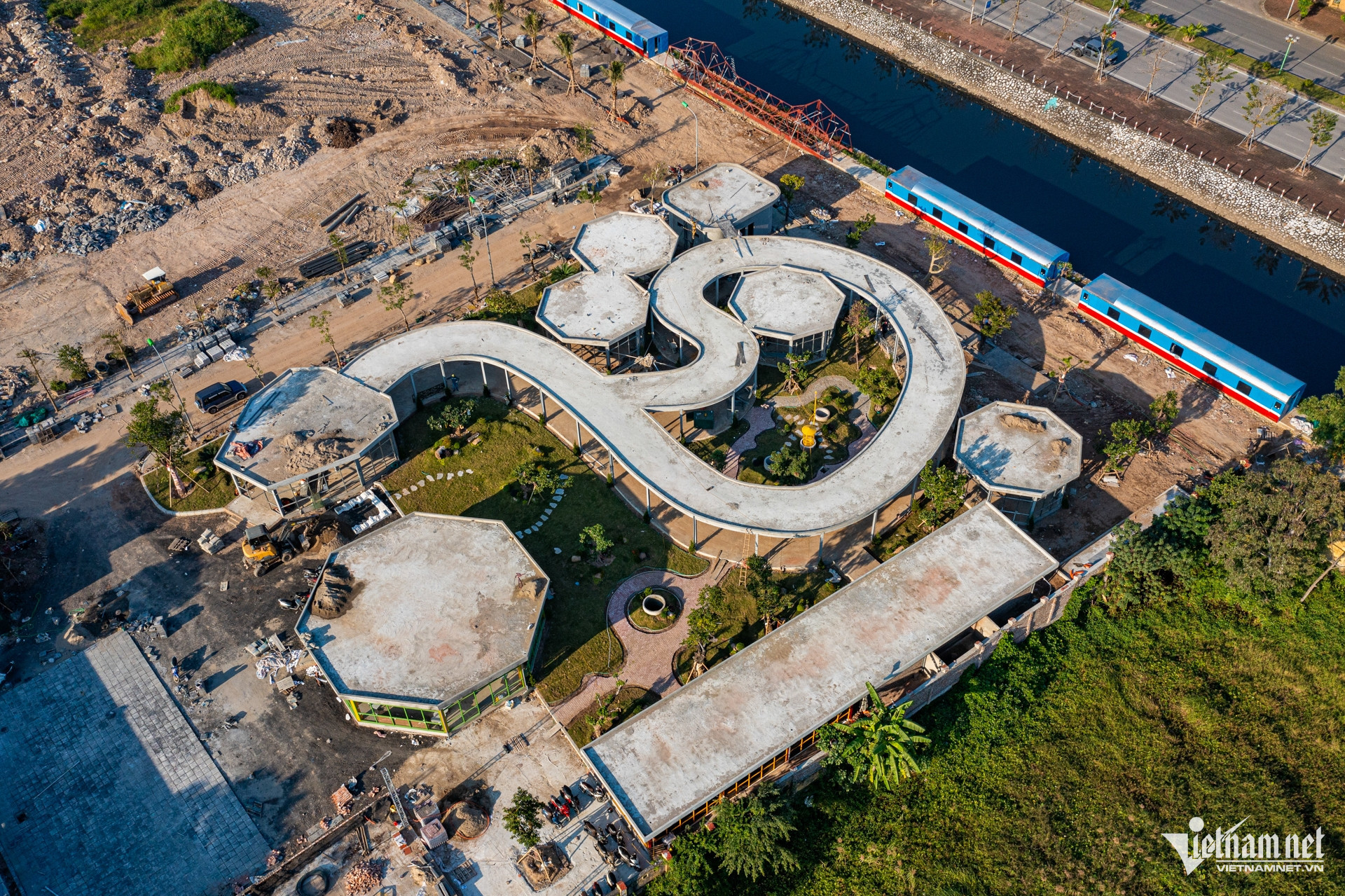
Seen from above, the structure winds across the open land like a giant serpent. Along the canal side, ten train cars have been arranged alongside a model symbolizing Long Bien Bridge - an iconic Hanoi landmark.
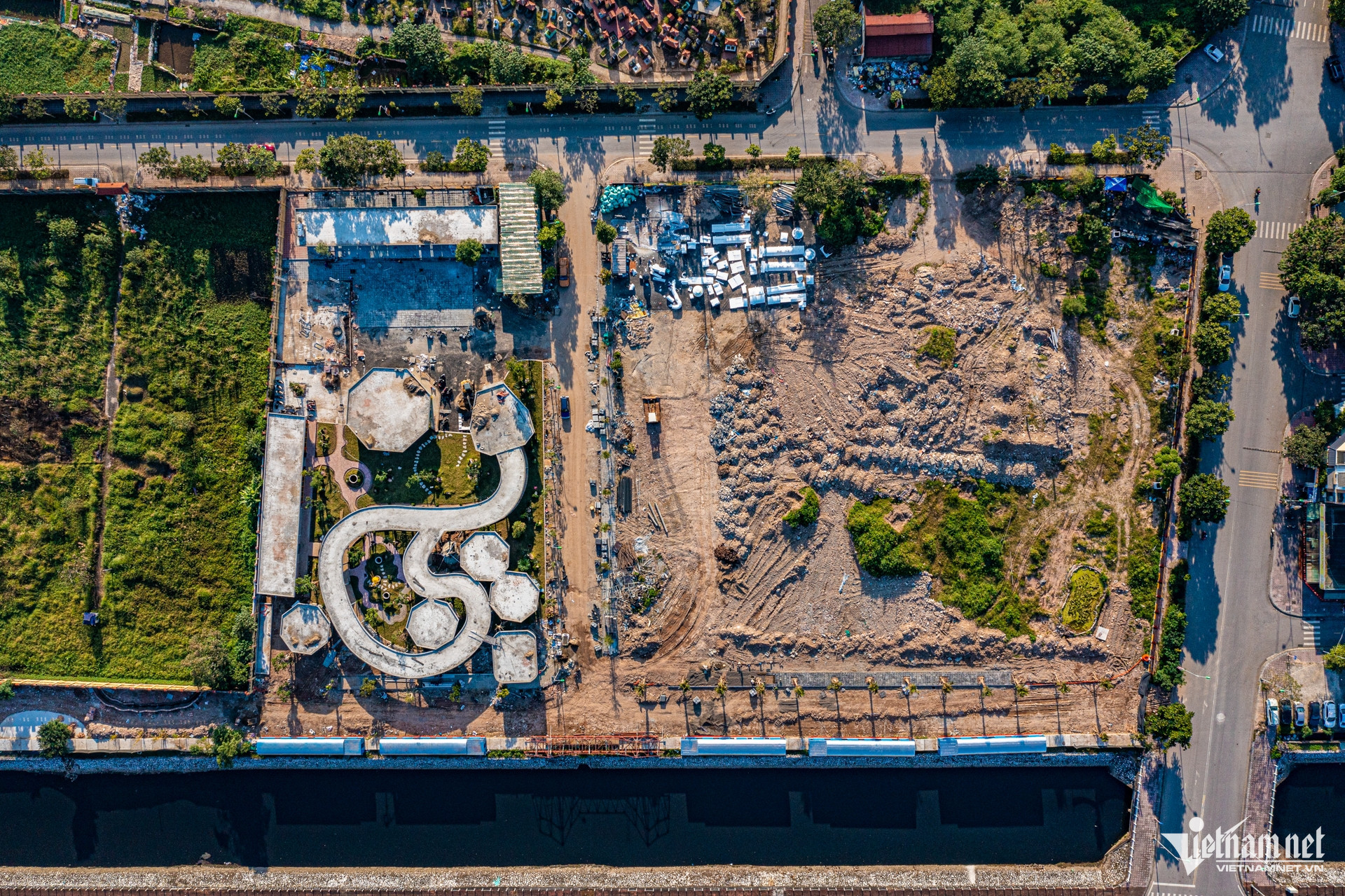
Spanning 7,456 square meters, the project began in early July 2025 with an initial investment of over 10 billion VND (approximately 410,000 USD). After more than four months of construction, the structure has taken shape.
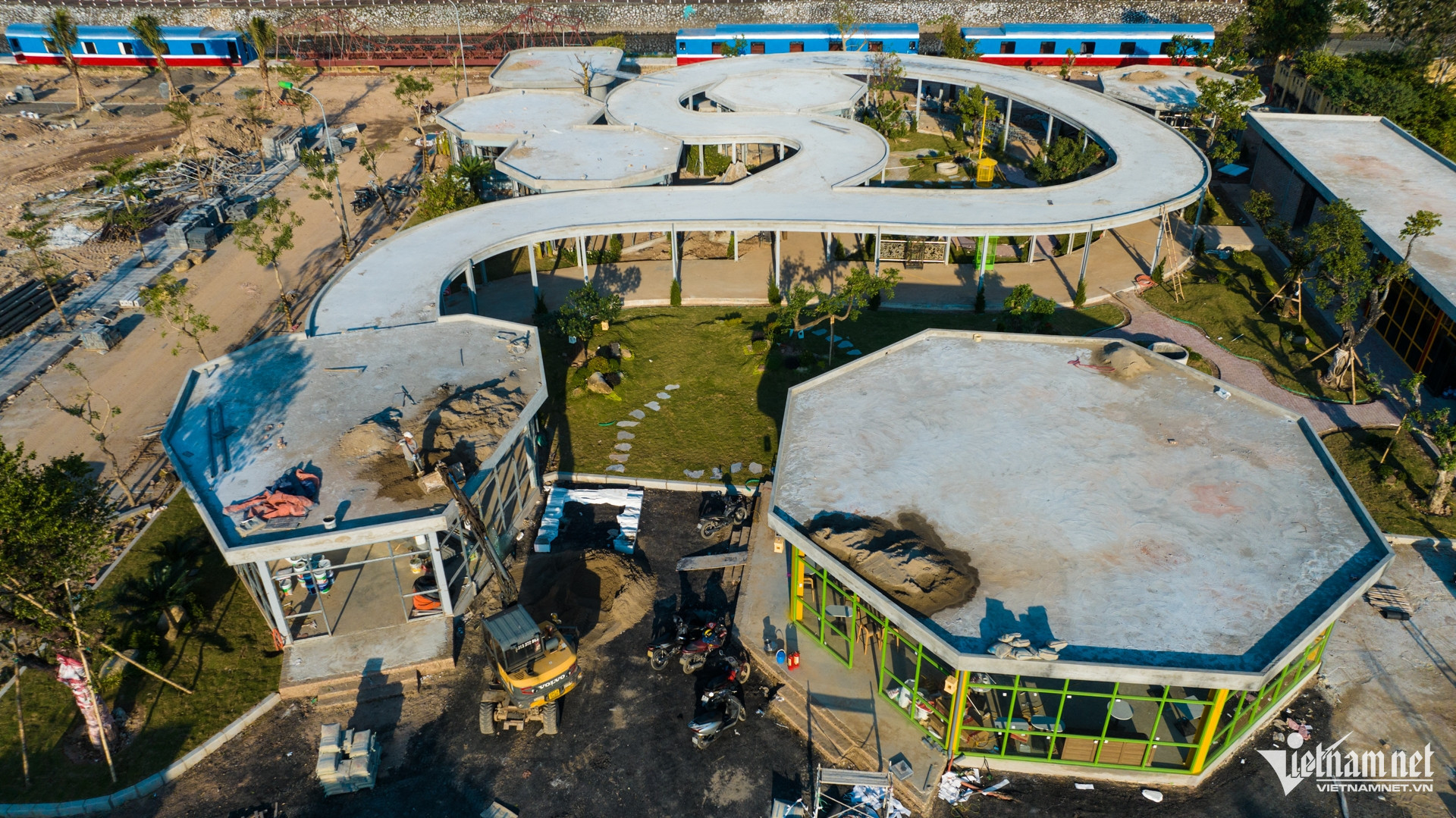
Once finished, the center will feature several interconnected zones: a heritage exhibition space exploring the village’s origin, folklore, and development; a reptile preservation area with bio-monitoring technology; an interactive education-performance section for students and tourists; an OCOP exhibition and food zone with specialty snake-based cuisine; and an eco-lodging area surrounded by green space and tourist amenities.
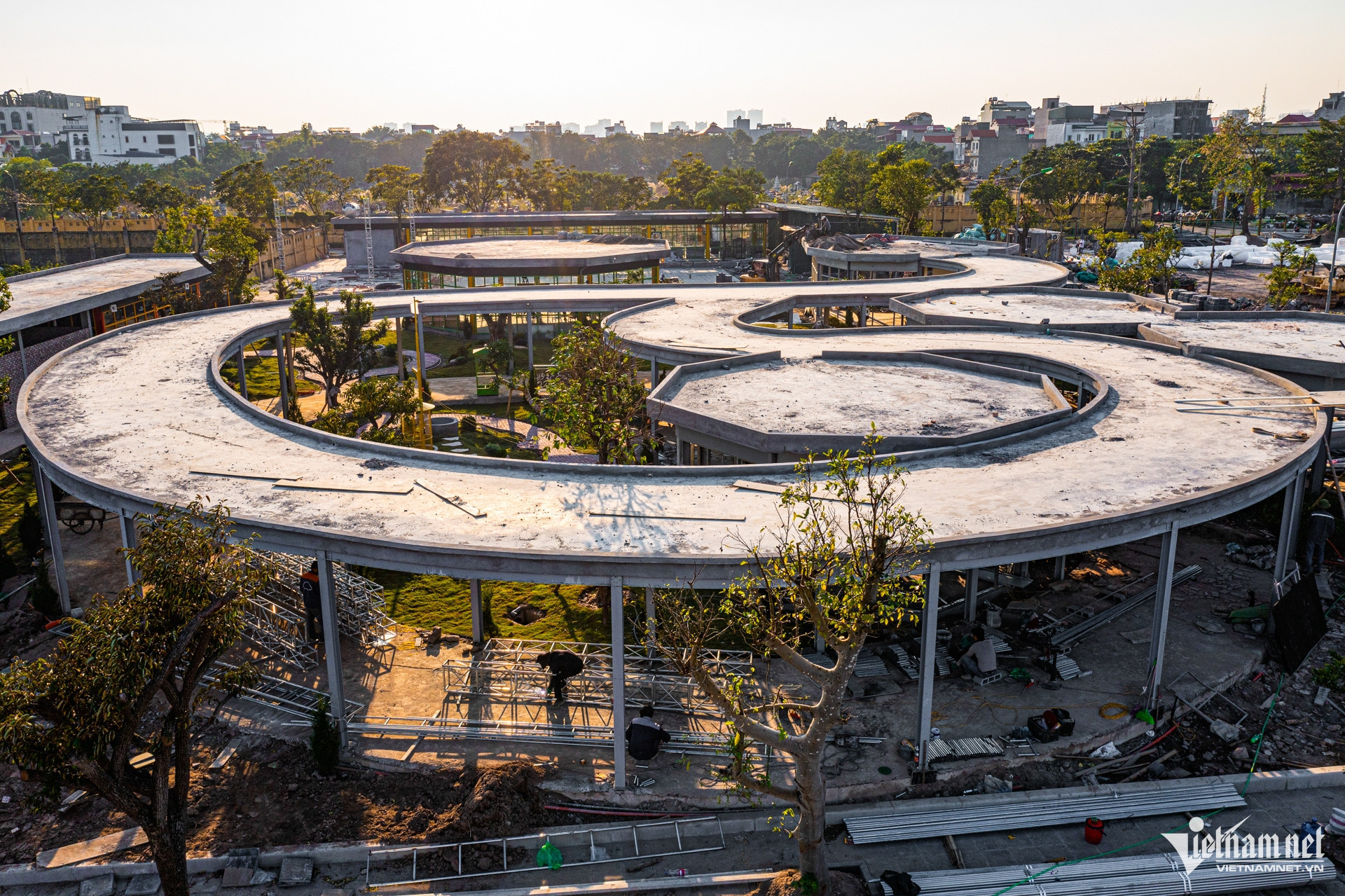
At the heart of the center stands a building complex composed of six octagonal function rooms and two dedicated service centers, designed to support operations once the facility opens. This ambitious architectural vision is not only visually striking but deeply rooted in the cultural values of Le Mat’s snake-rearing legacy.
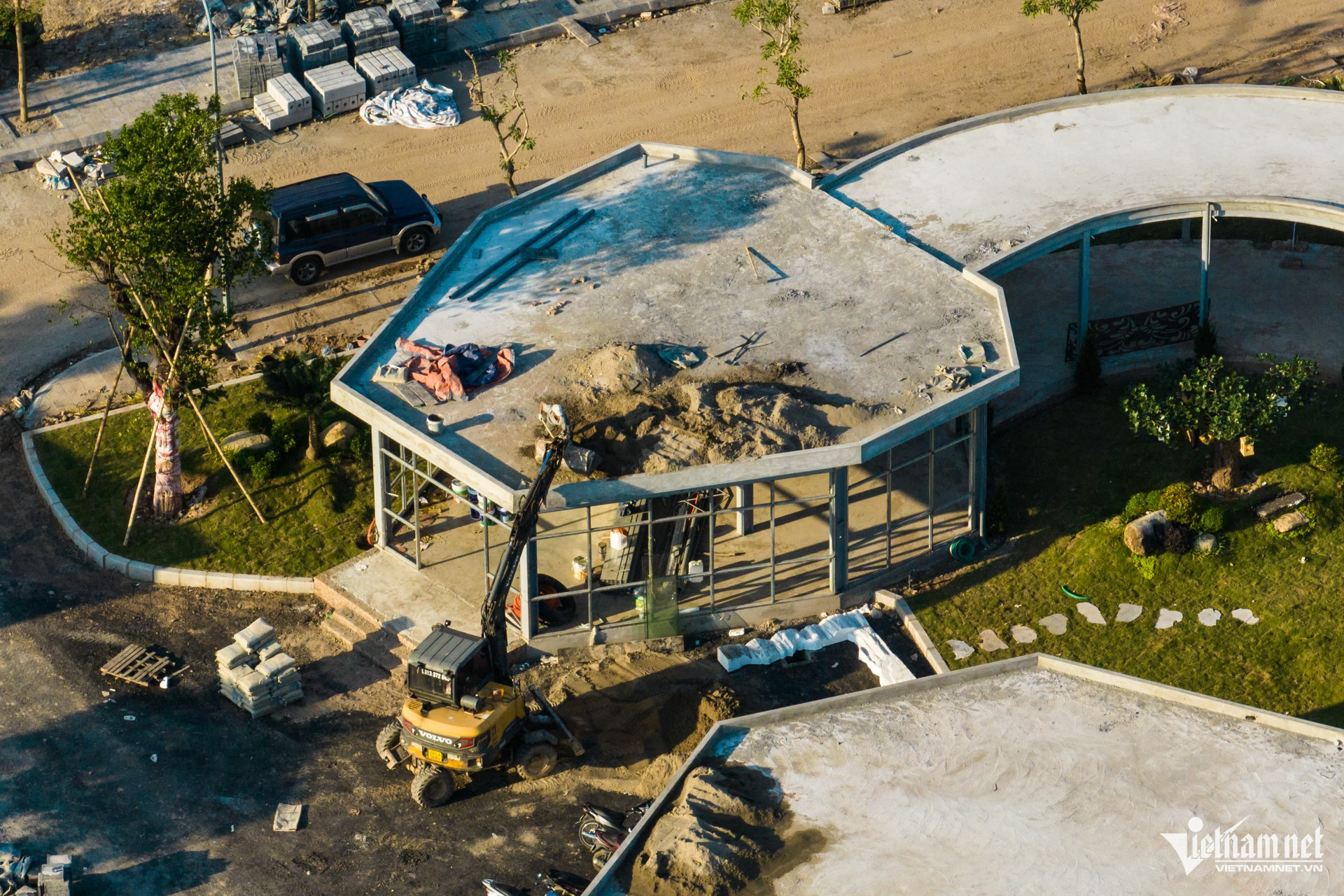
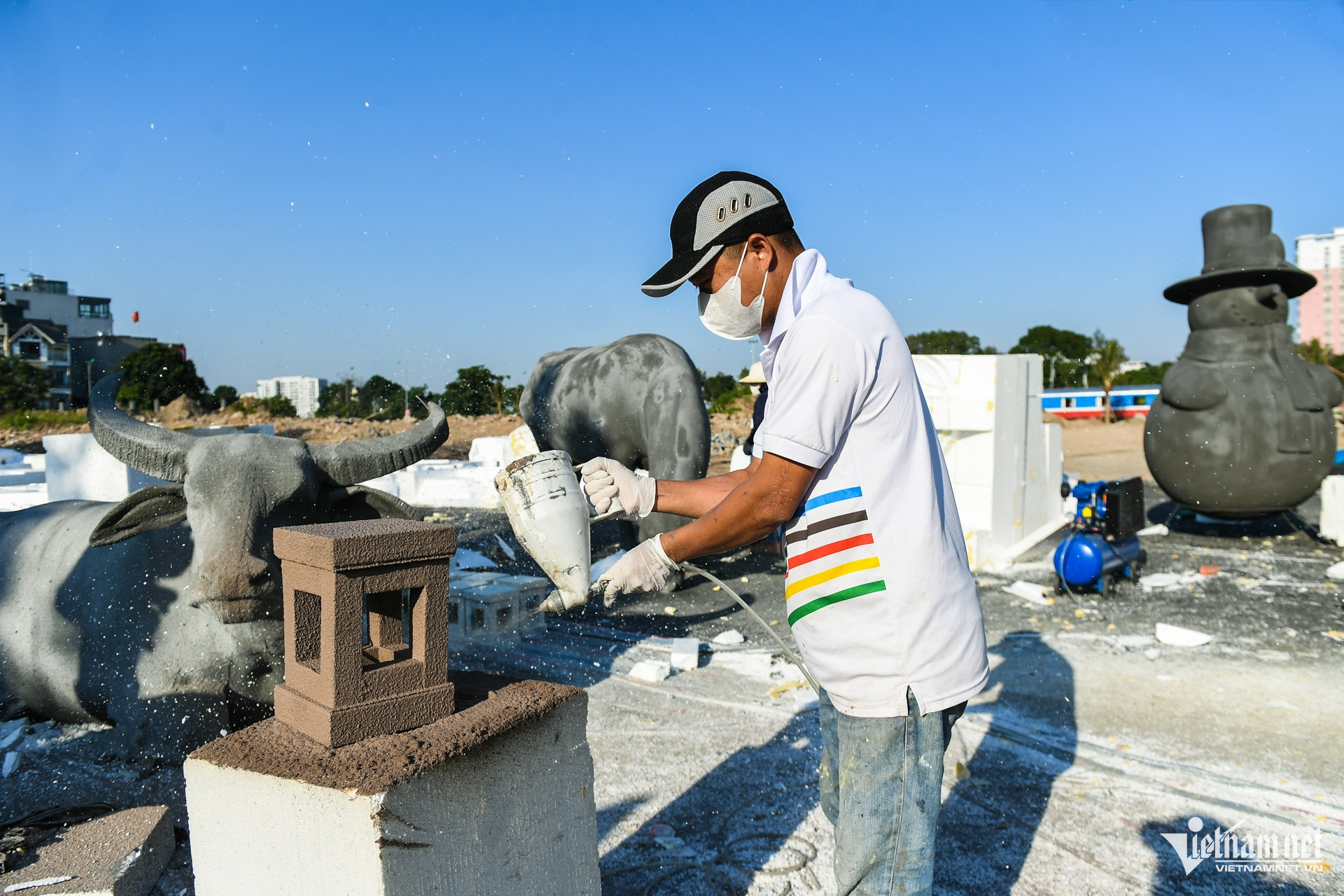
Minh Quan, a construction worker on site, said: “This won’t just be a place for breeding and preserving rare snakes - it will also serve as an entertainment destination offering unique and exciting experiences for visitors. We’re currently installing snowman sculptures, a galloping horse display, and a train-themed installation for the outdoor areas.”
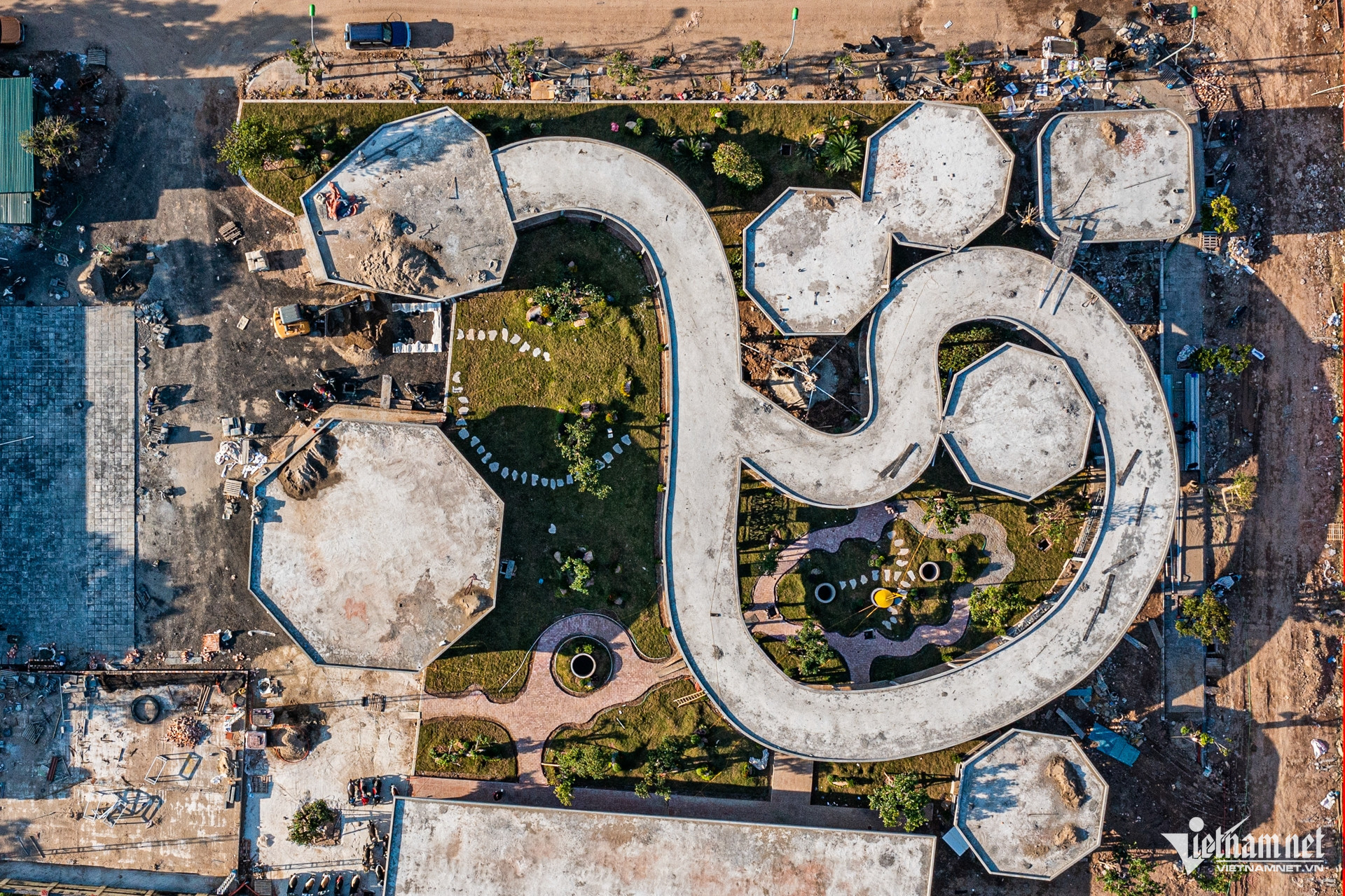
Construction crews and machines are still hard at work across the site, giving shape to a long-envisioned transformation of Le Mat into a vibrant cultural and ecological destination.
Le Mat village, in Viet Hung Ward, is famous for its centuries-old tradition of snake farming and cuisine. With a history of more than 1,000 years, the village is steeped in legends, including one about rescuing a princess during the Ly dynasty. The village also houses significant relics, including ancient temples and pagodas.
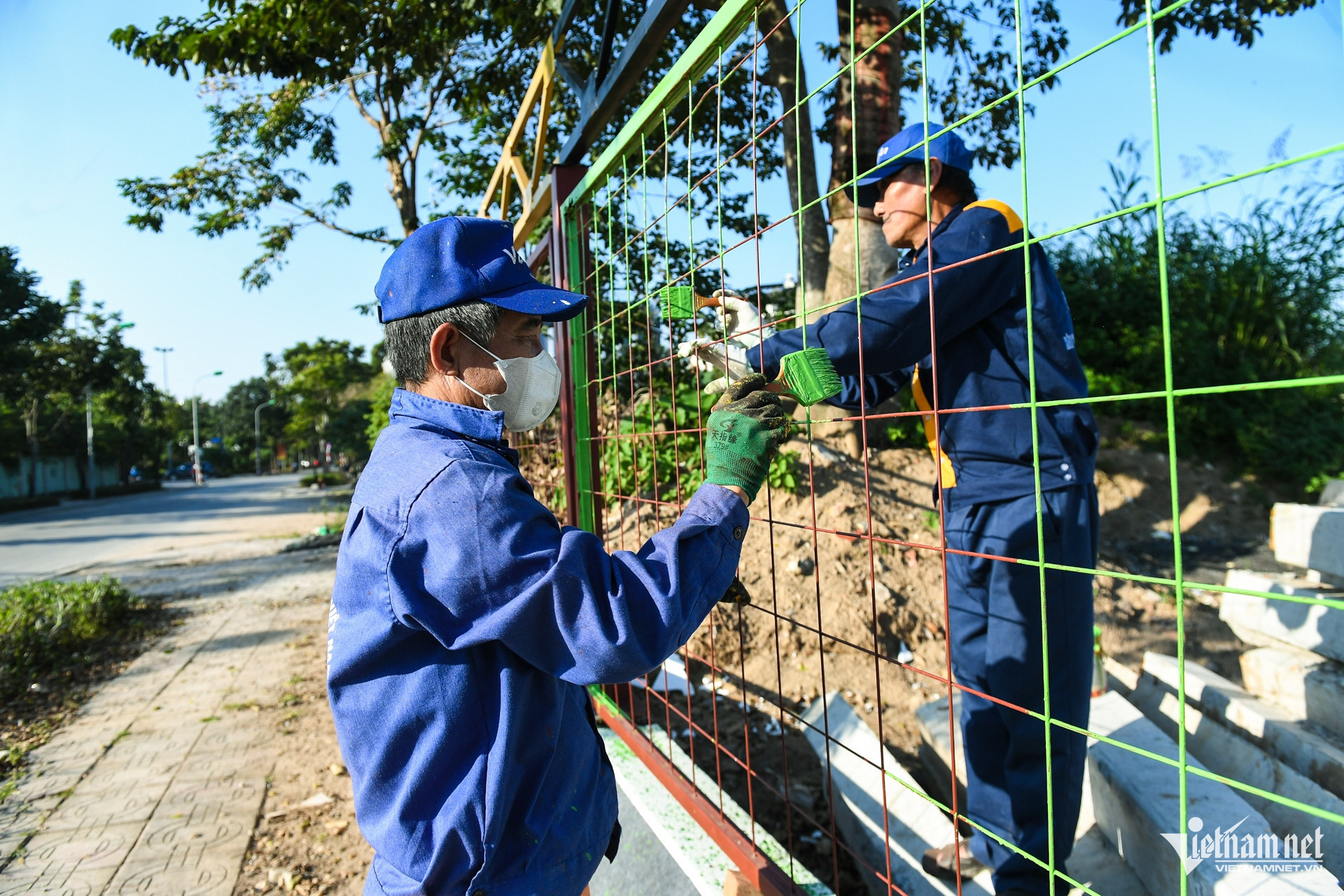
Today, Le Mat is a popular destination for cultural and culinary tourism and has been officially recognized as a “traditional craft village.” Its snake-derived products range from cuisine and medicinal remedies to handcrafted art, drawing visitors from both Vietnam and abroad.


Thach Thao
.svg)
