 Vietnamnet.vn

 Podcast



Leaving behind comfortable but high-pressure city lives, many young Vietnamese are moving to new places to run homestays, seeking a sense of healing and tranquility while embarking on tourism ventures tied to the preservation of traditional cultural identities.
VietNamNet presents the series: Young people leave the city for the mountains to run homestays
Leaving the city for the mountains after just one night
Bui Vuong Ha My, born in 1994, once ran a small juice and snack shop on Kim Nguu Street in Hanoi. At the time, she divided her days between running the business and caring for her family.
Every now and then, she would set off on trips to explore different provinces and cities across the country.
“In August 2025, I was going through a lot emotionally, with many things weighing on my mind and feeling uncertain about life. I traveled to Tuyen Quang, formerly Ha Giang, after seeing videos online and being deeply impressed by the scenery.
“I chose Lo Lo Chai, a peaceful village in Lung Cu Commune, as my destination because I wanted somewhere I could truly unwind,” My recalled.
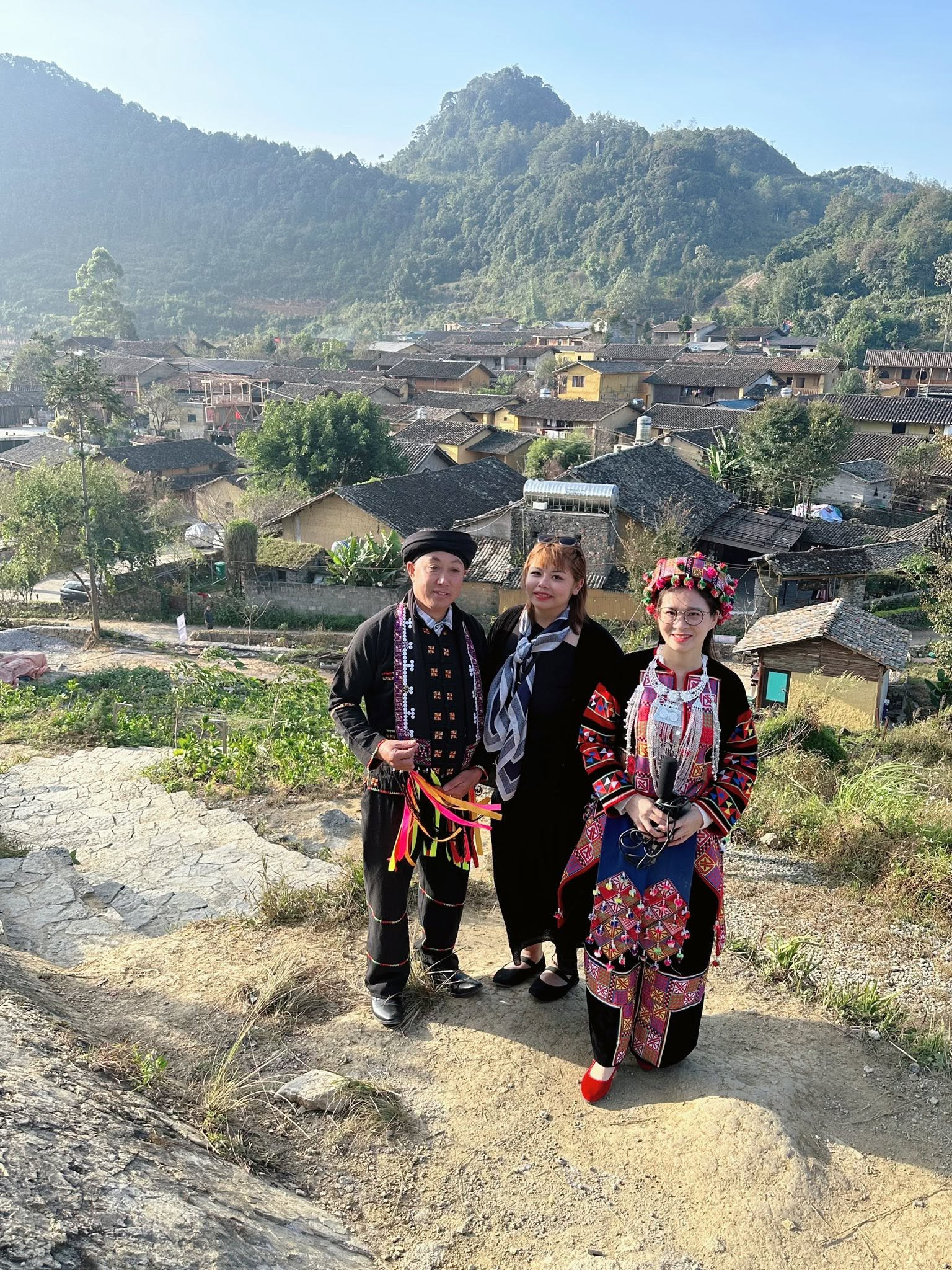
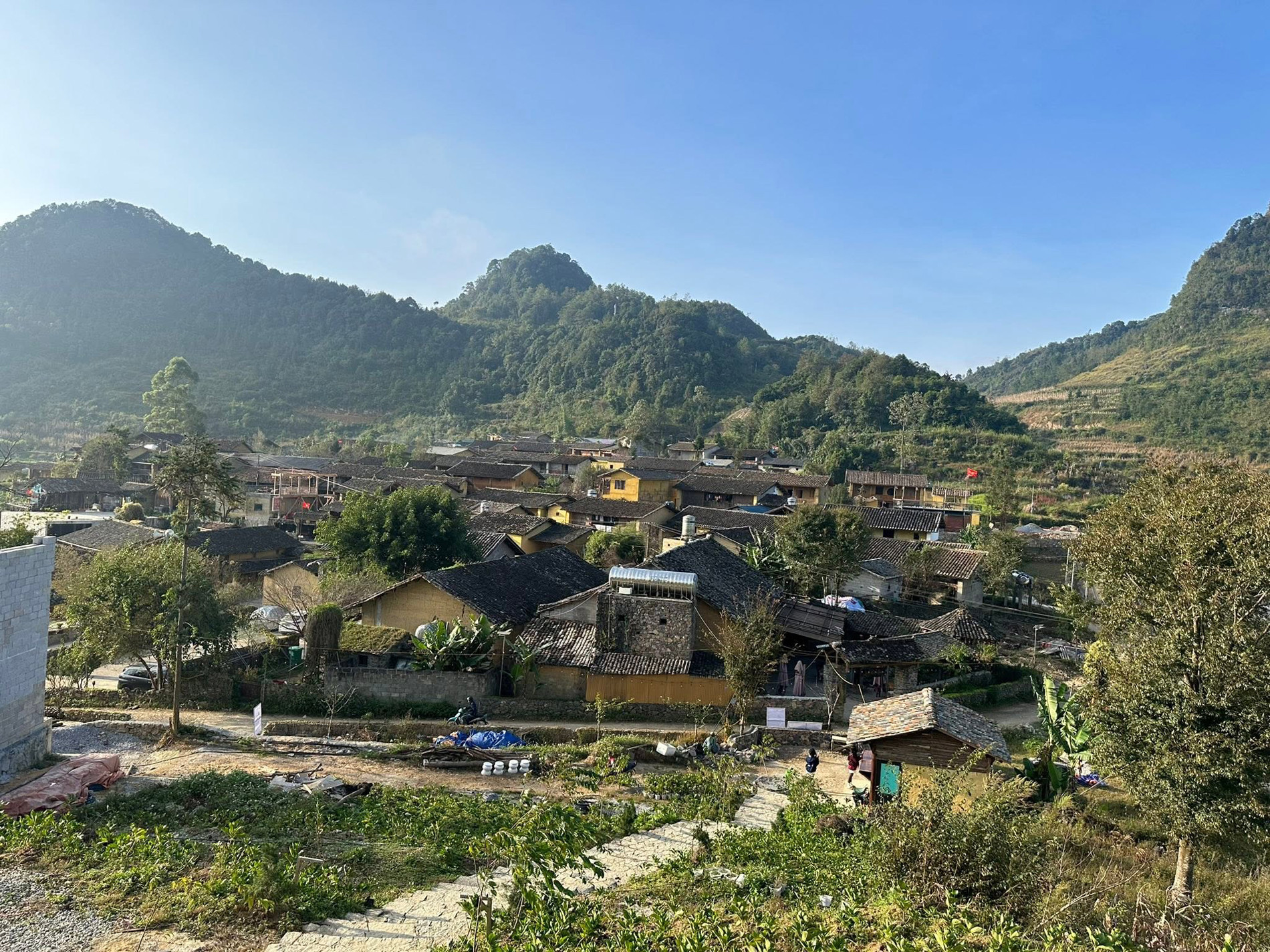
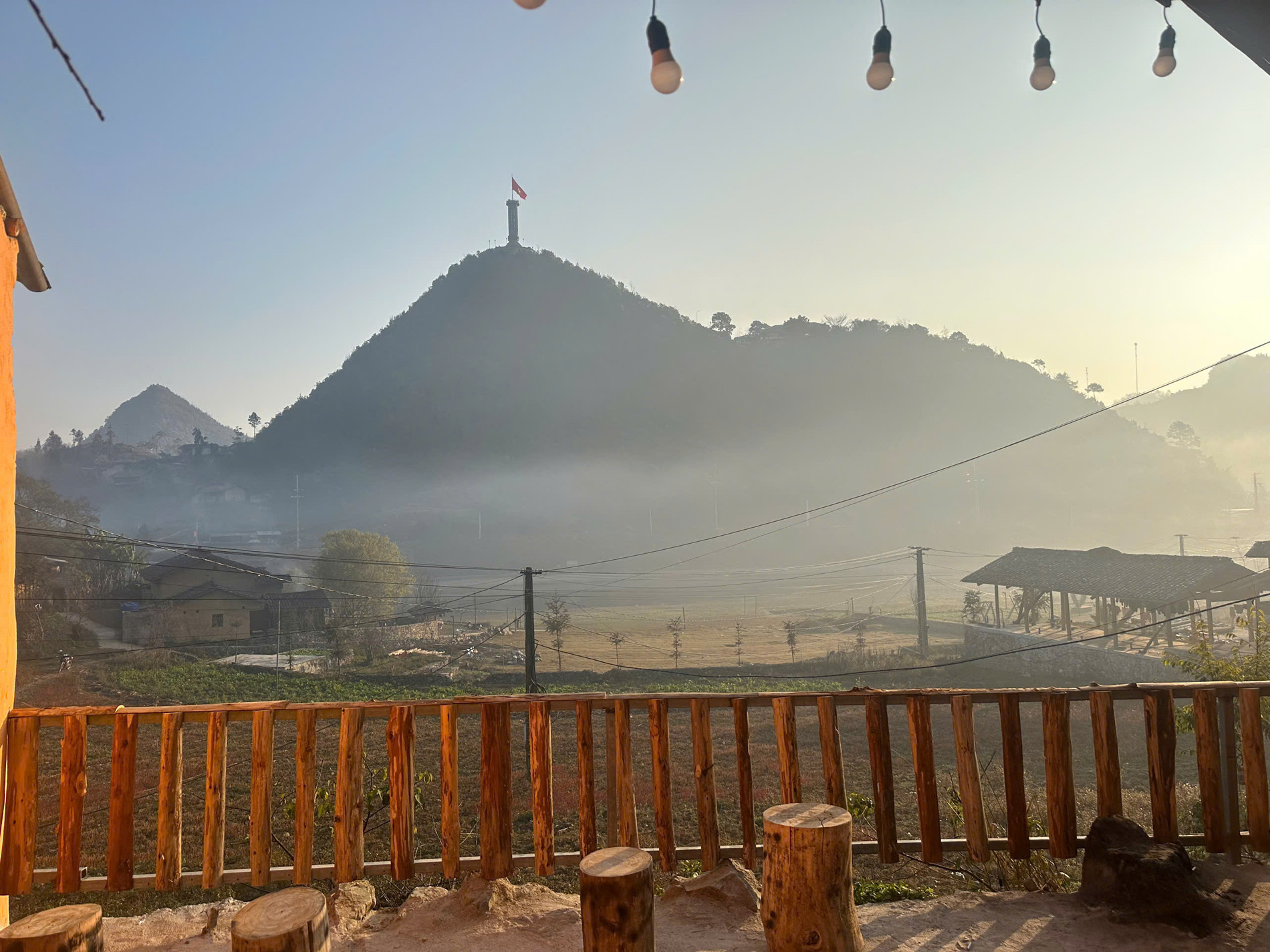
Lo Lo Chai Village lies at the foot of the Lung Cu Flag Tower, near Vietnam’s northernmost point. The village has more than 120 households, most of them belonging to the Lo Lo ethnic group.
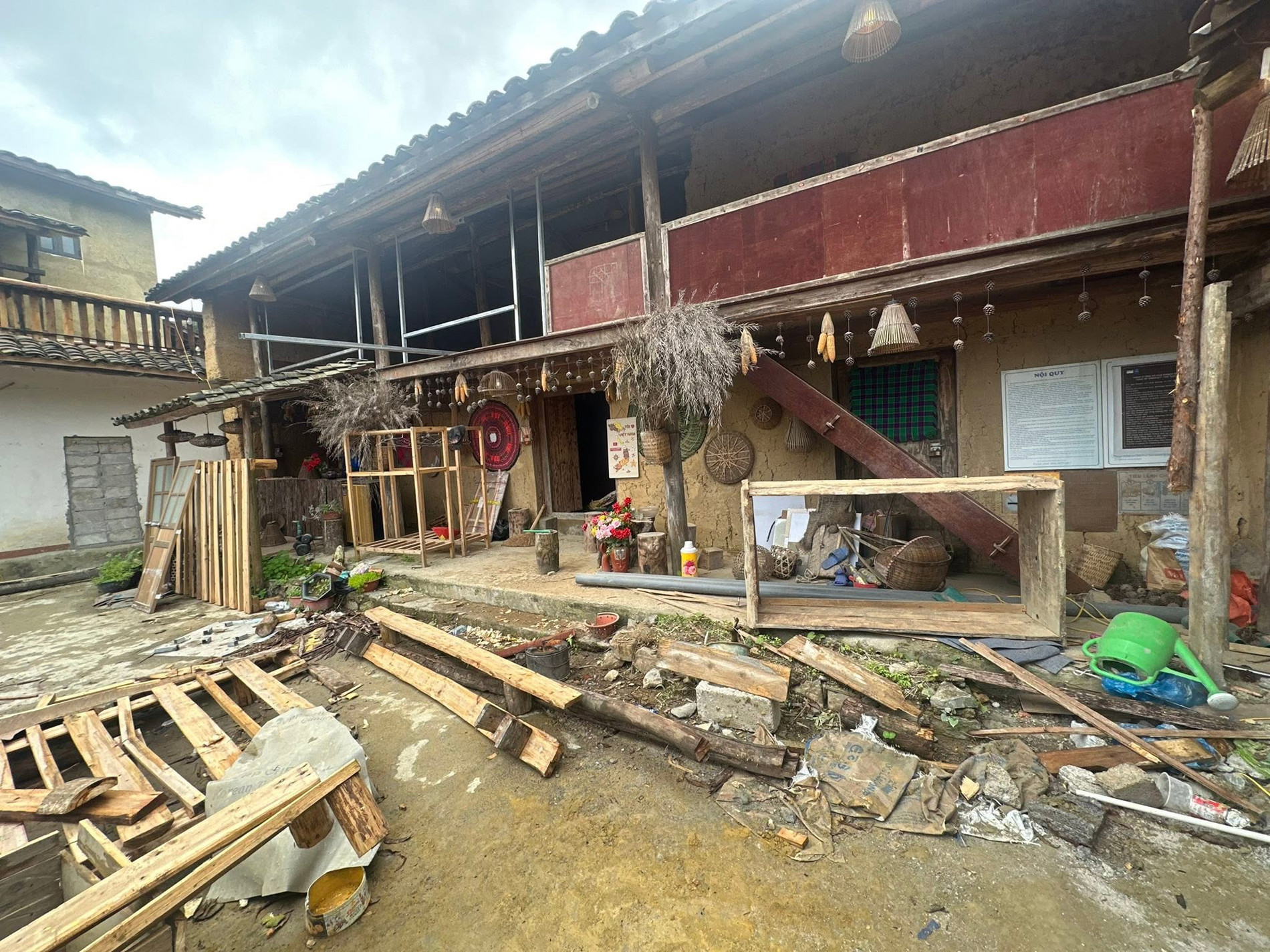
What makes the village particularly distinctive is its traditional rammed-earth houses, which range from several decades to more than 200 years old. The community began developing tourism in 2011.
Today, 56 households participate in community-based tourism, with nearly 30 old houses being used as homestays.
My said that after spending just one night there, she felt her mind relax and the weight she had been carrying begin to lift.
Without overthinking it, she decided to lease a plot of land in the village so she could stay and build a longer-term life there. The property already had a rammed-earth house about 40 years old.
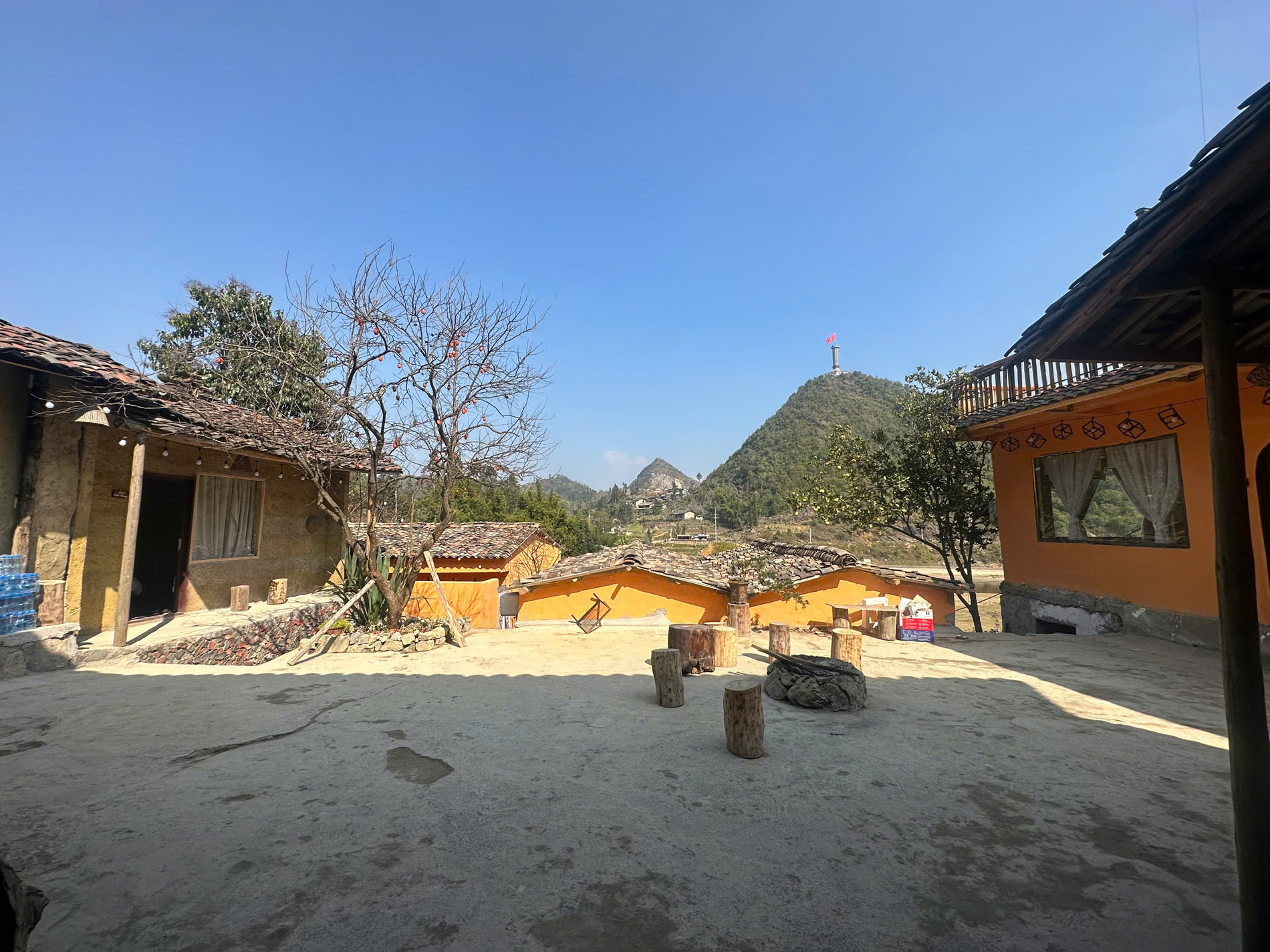
“Perhaps it was fate that I decided to rent this place. There is a lake in front of the house, the surroundings are open and airy, and cornfields wrap around the property. From the higher part of the house, you can also look out toward the Lung Cu Flag Tower,” she said.
The first difficulty she faced after deciding to stay in Lo Lo Chai and open a homestay was having to close her drinks shop, leave her two children in the care of her family and live away from home.
Then came the challenge of renovating the old house into a more comfortable accommodation, one that could serve both as her home and as a source of income.
“At first, I couldn’t immediately adjust to the change in environment and pace of life. For example, people here go to bed at 8pm.
“But the air here is fresh and cool, and my health has improved noticeably as a result. I’ve also made many new friends, while the local authorities and residents have been very supportive and created favorable conditions for me to invest and run the business,” she said.
Turning a 40-year-old house into a homestay
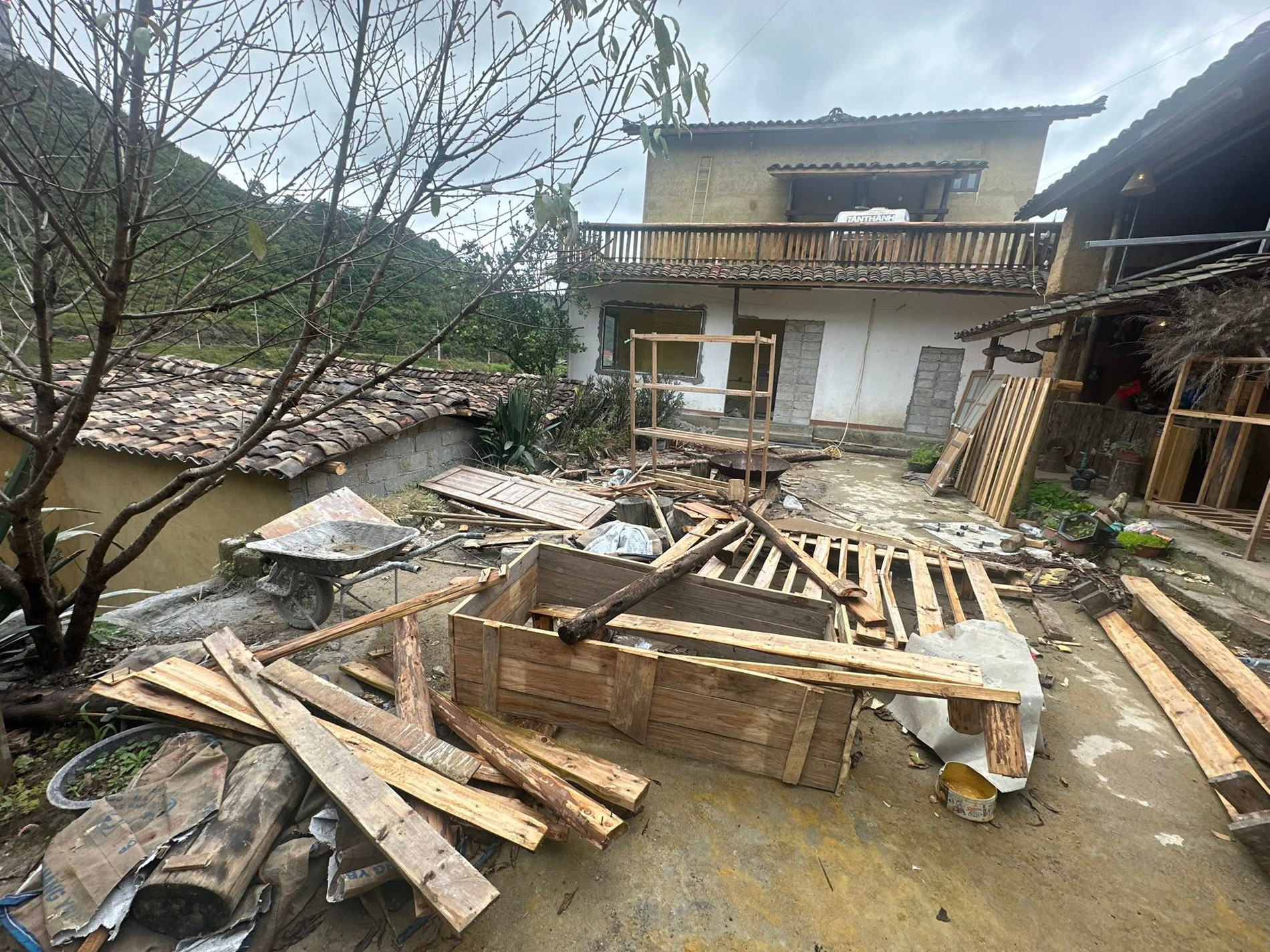
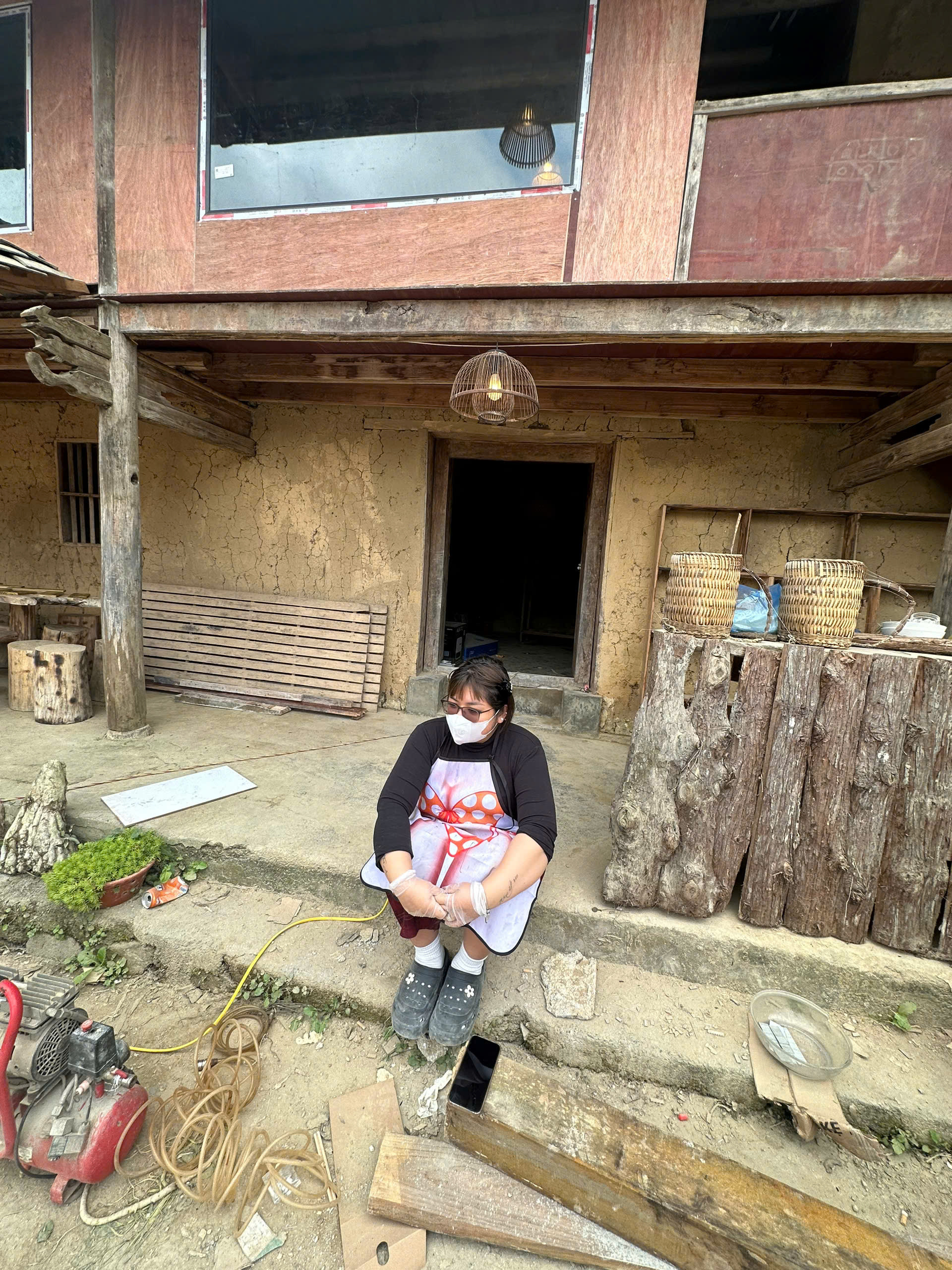
My said the rammed-earth house was in fairly poor condition when she first took it over. The earthen floor was damp, large sections of the walls were damaged and the ancillary facilities lacked basic comforts.
To turn it into a homestay, she had to renovate several areas, including installing new flooring, building en-suite bathrooms, furnishing the rooms and adding wall finishes.
She said the renovation required considerable time and effort. Communication with local construction workers was difficult because of language and cultural differences.
Building materials were also expensive, while transporting them was challenging because of the remote location and long travel distances.
“The house has earthen walls that are 70-80cm thick, so renovation requires great care and attention to detail. There aren’t many workers with the necessary experience. Sometimes they would take several days off for family matters such as funerals or engagement ceremonies, so the construction schedule ended up taking longer,” My said.
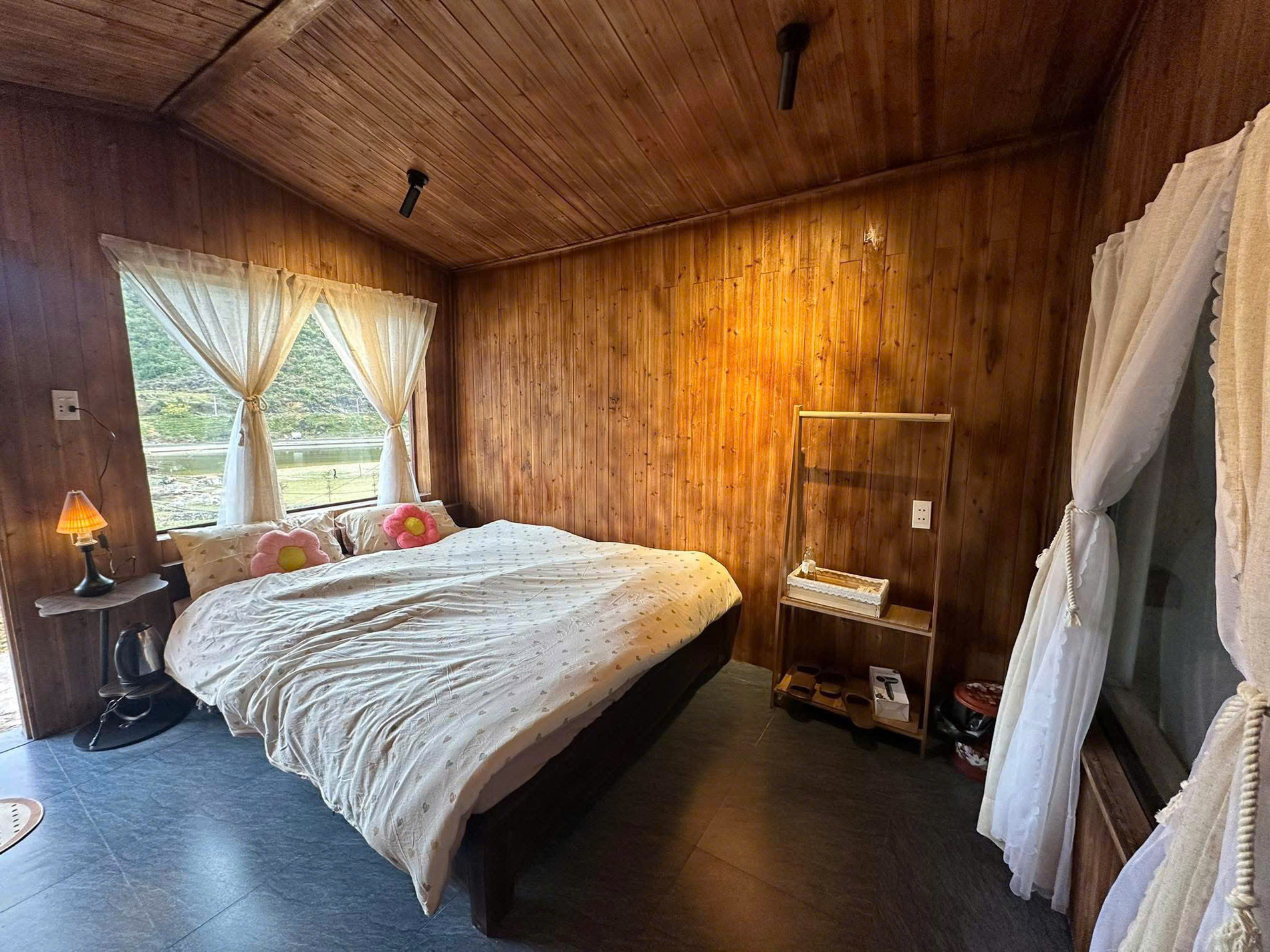
In addition to renovating parts of the old house, she built five new rooms designed as bungalows, small single-story structures with simple layouts and modern comforts that are typically set apart from one another.
Once completed, the entire property was divided into 13 guest rooms, all decorated in a traditional style.
My wanted everything, from the structure to the furnishings in each room, to evoke aspects of everyday life in the Lo Lo community.
“In late 2025, after Lo Lo Chai was recognized by UN Tourism as one of the ‘Best Tourism Villages 2025,’ more travelers learned about the village and began visiting. That has helped my homestay maintain a steady number of guests each month,” she said.
Beyond accommodation, My’s homestay also offers food, drinks and coffee, giving visitors a wider range of experiences.
Whenever she has free time, she talks with guests and tells them about everyday life, customs and traditions in the local community.
“My life has changed enormously since I decided to leave the city for the mountains. There have been happy moments, difficult ones and many sacrifices. I still remember the early days when we had to use water from mountain streams or buy clean water from elsewhere, sometimes for as much as VND200,000 (about US$8) per cubic meter. Electricity here was also insufficient and unstable.
“But things have stabilized now. I’ve found greater peace of mind while also earning an income and creating jobs for around 20 local residents. I’m now investing in another photo spot and a coffee shop in Lung Cu,” she said.
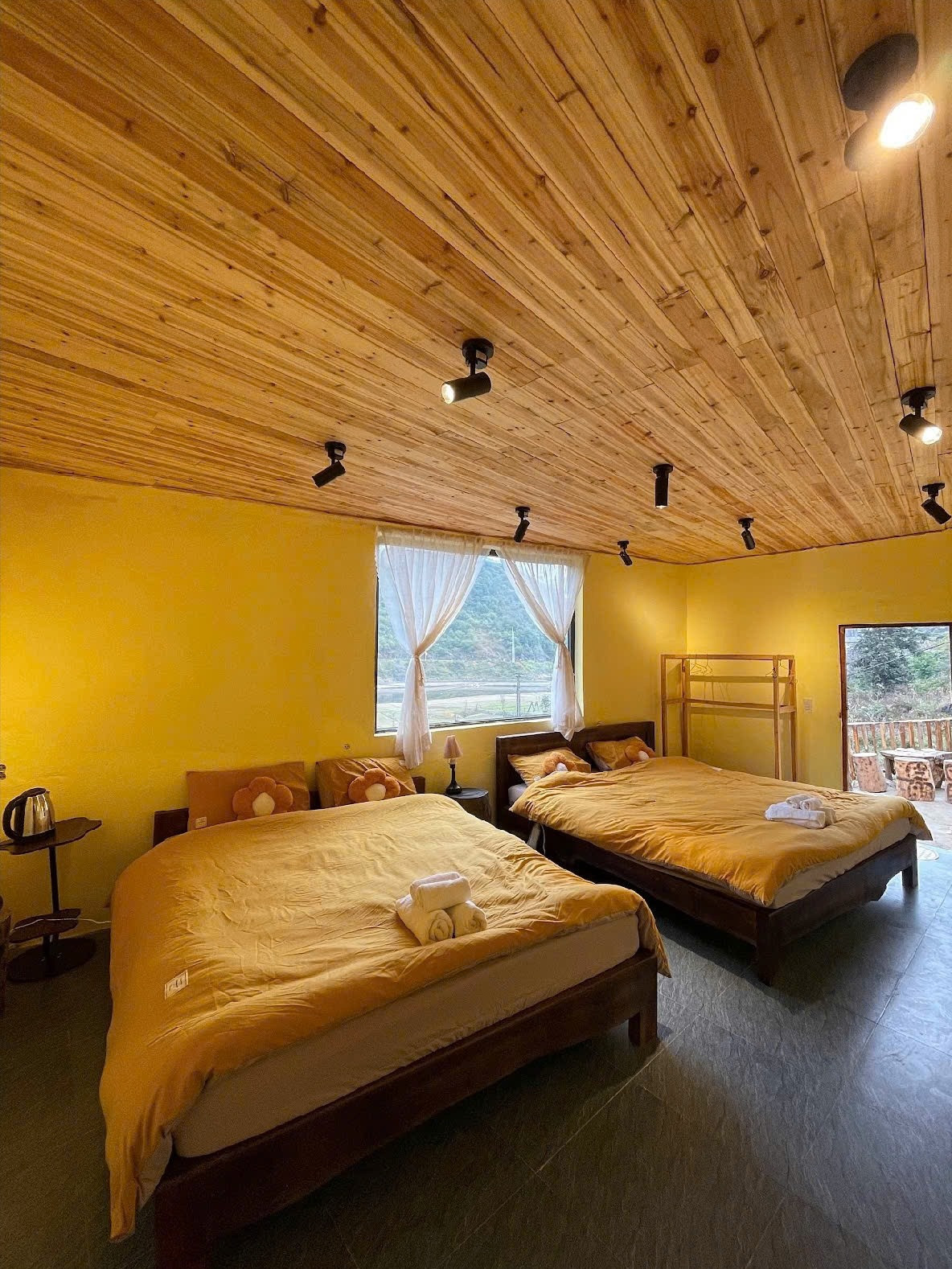
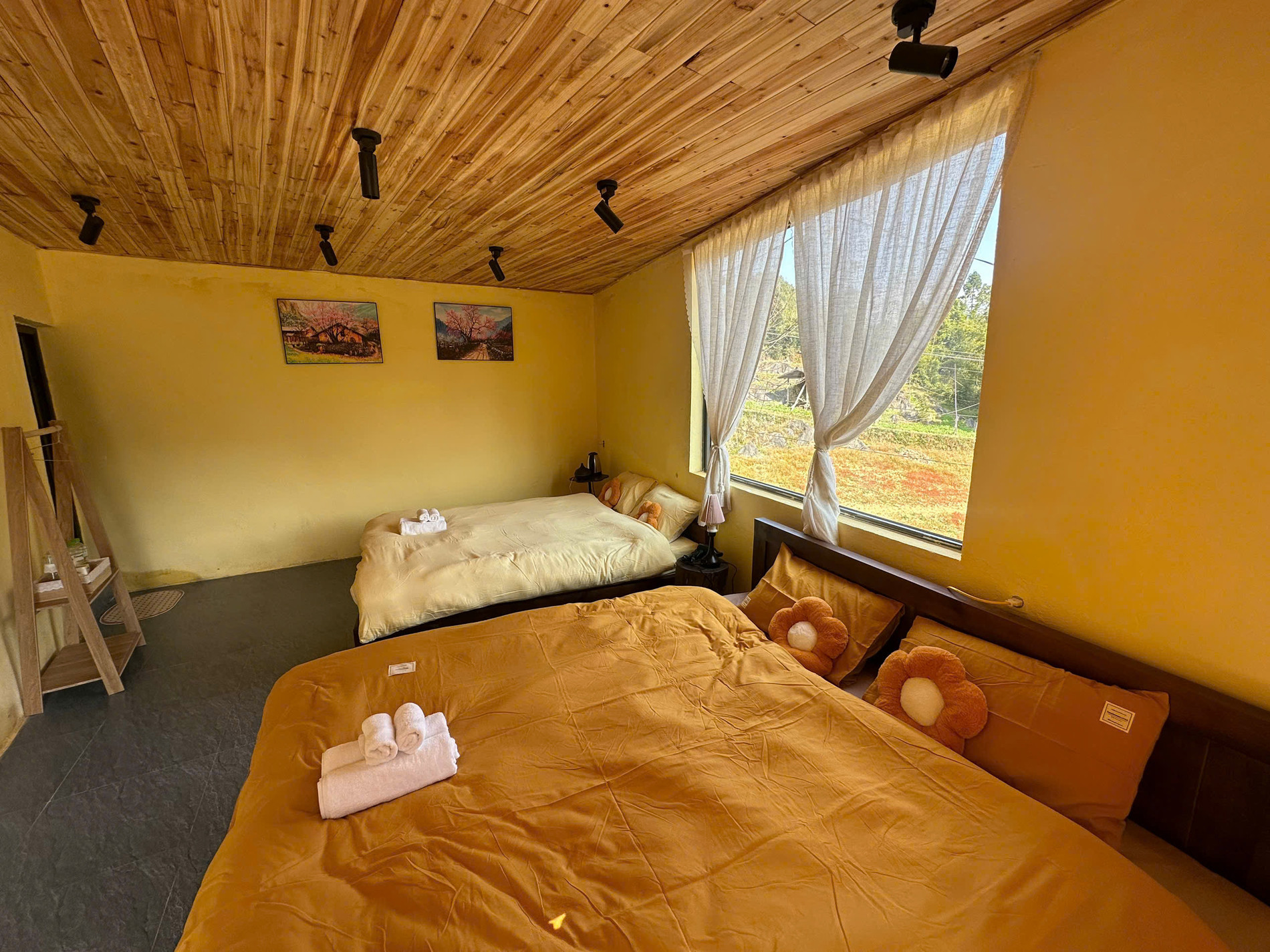
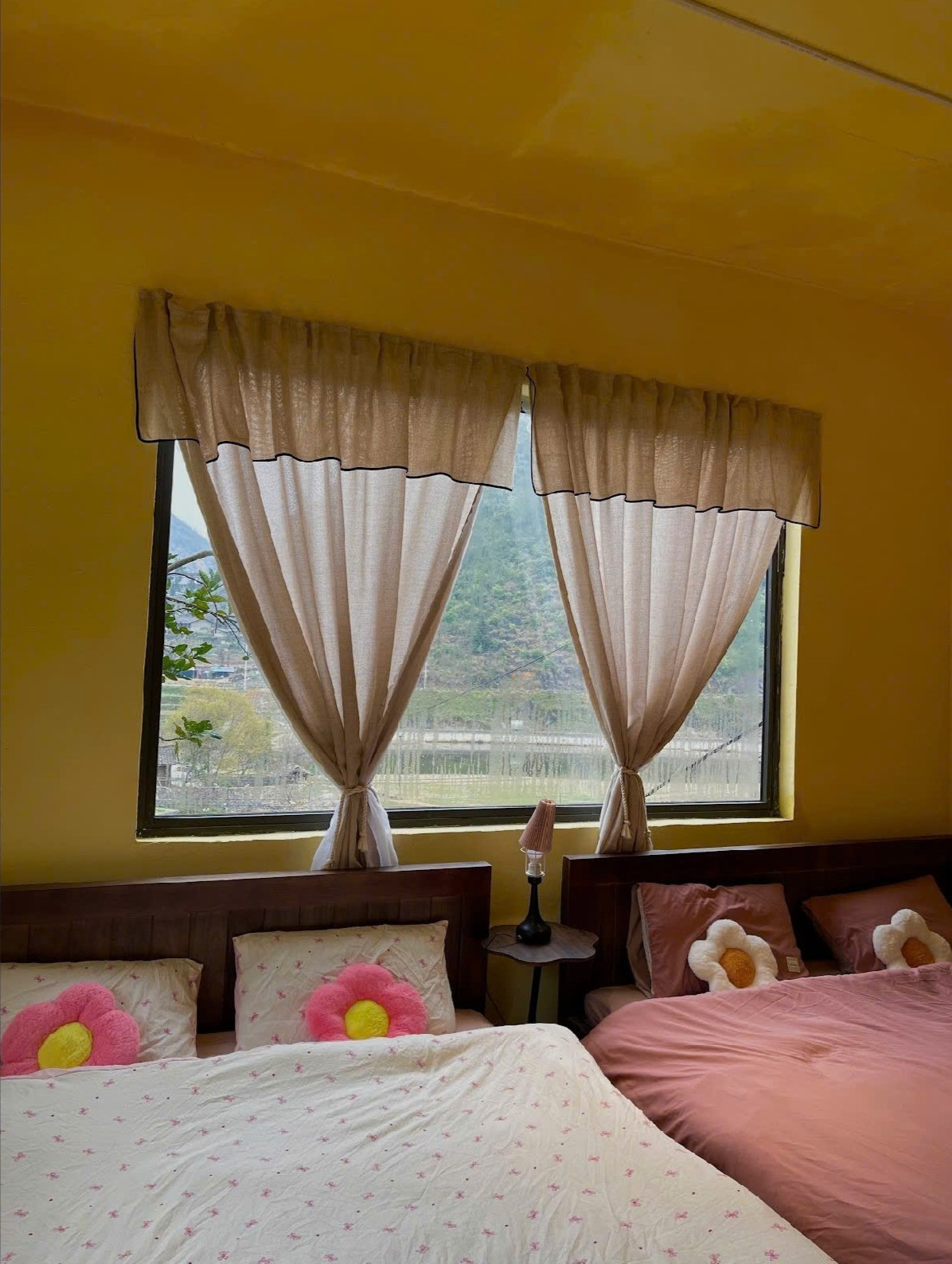
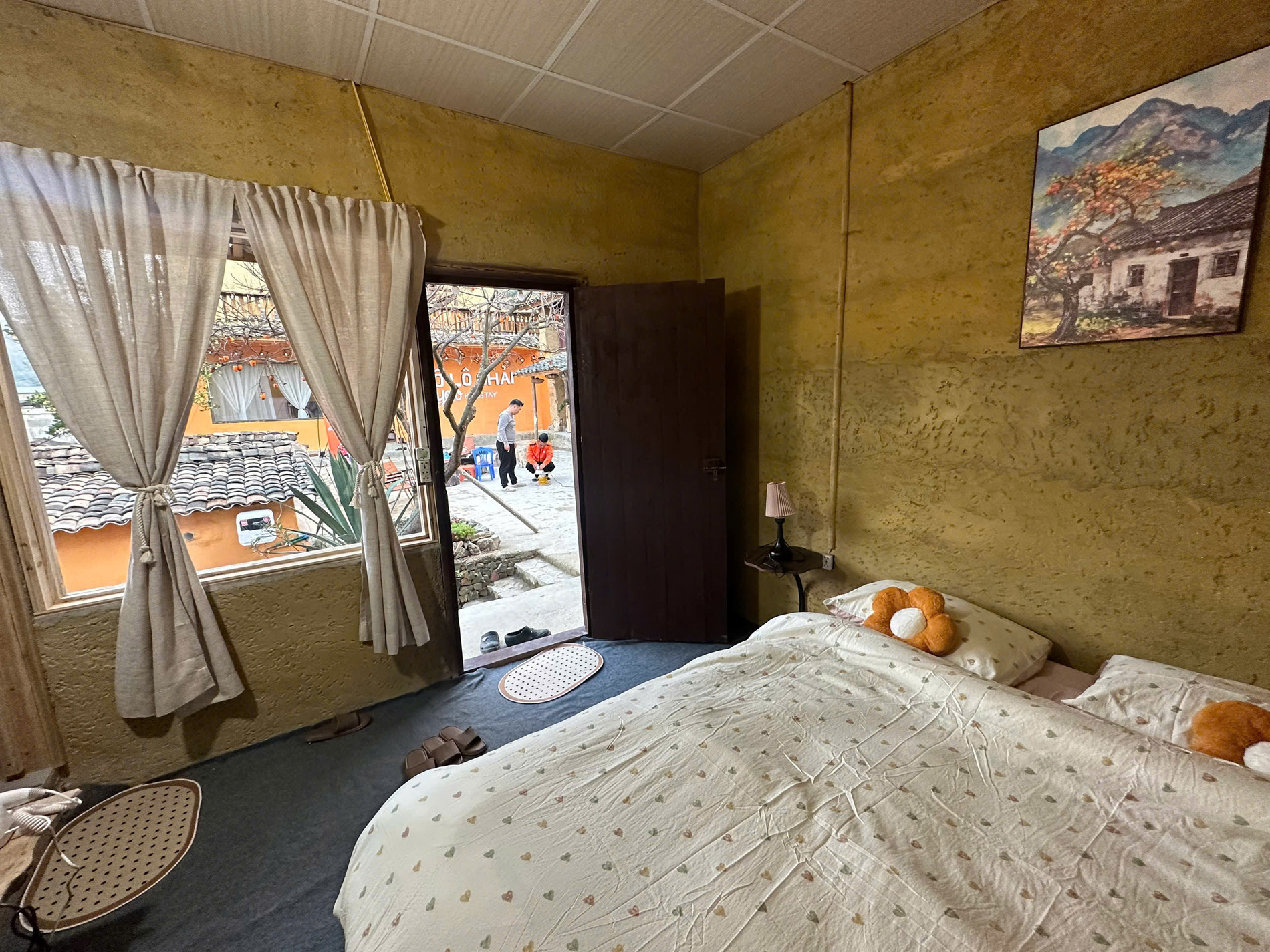
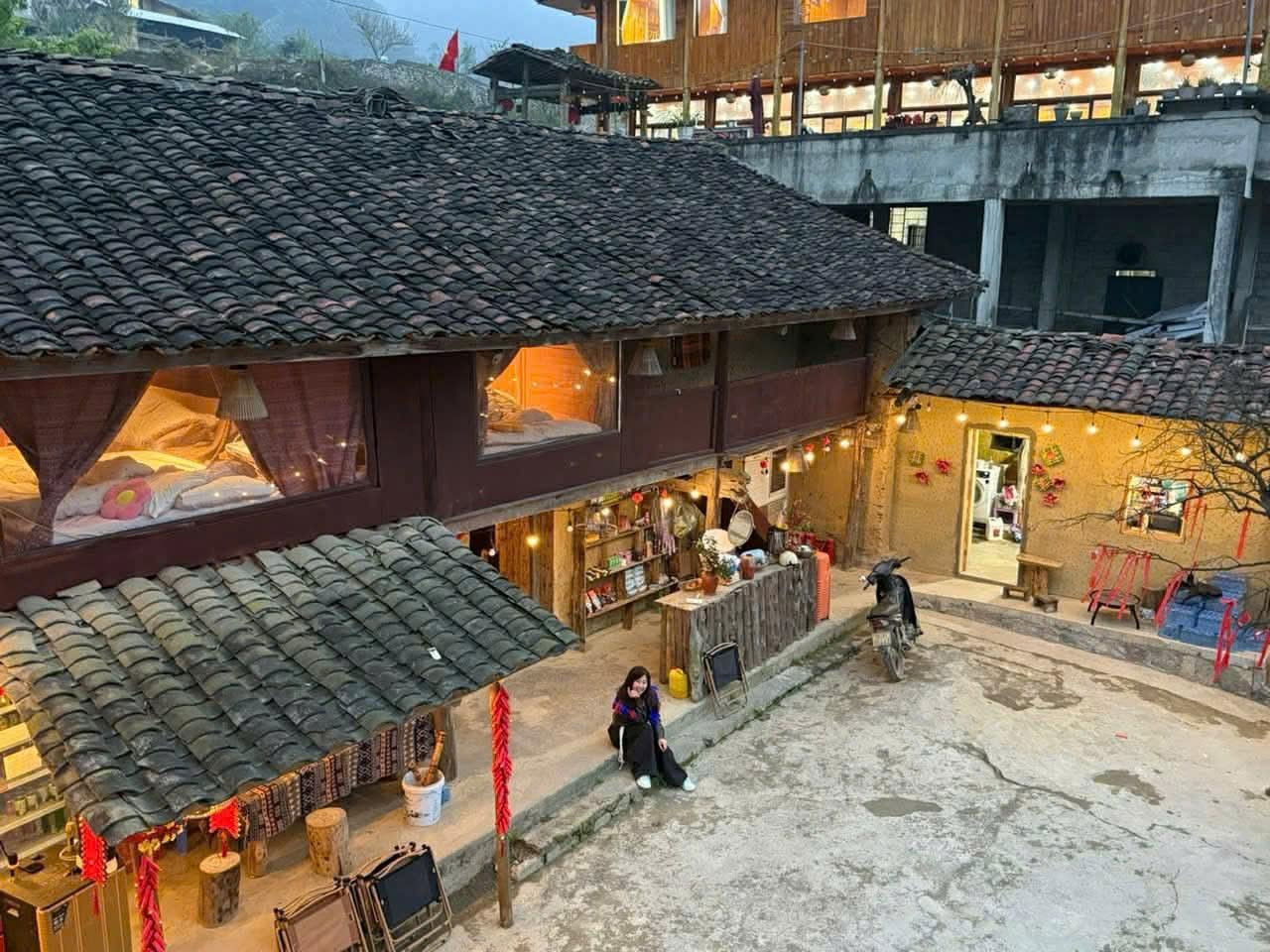
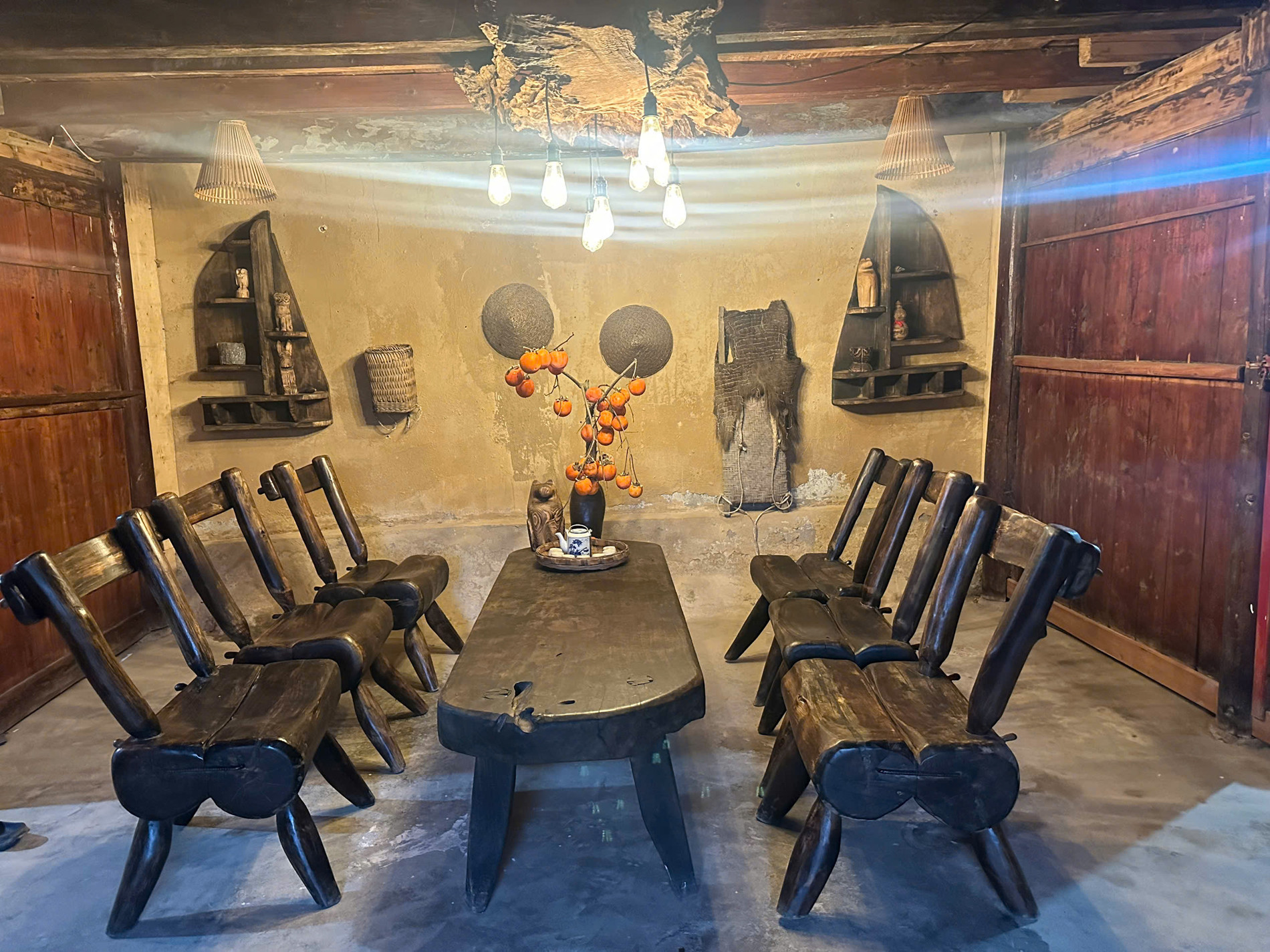
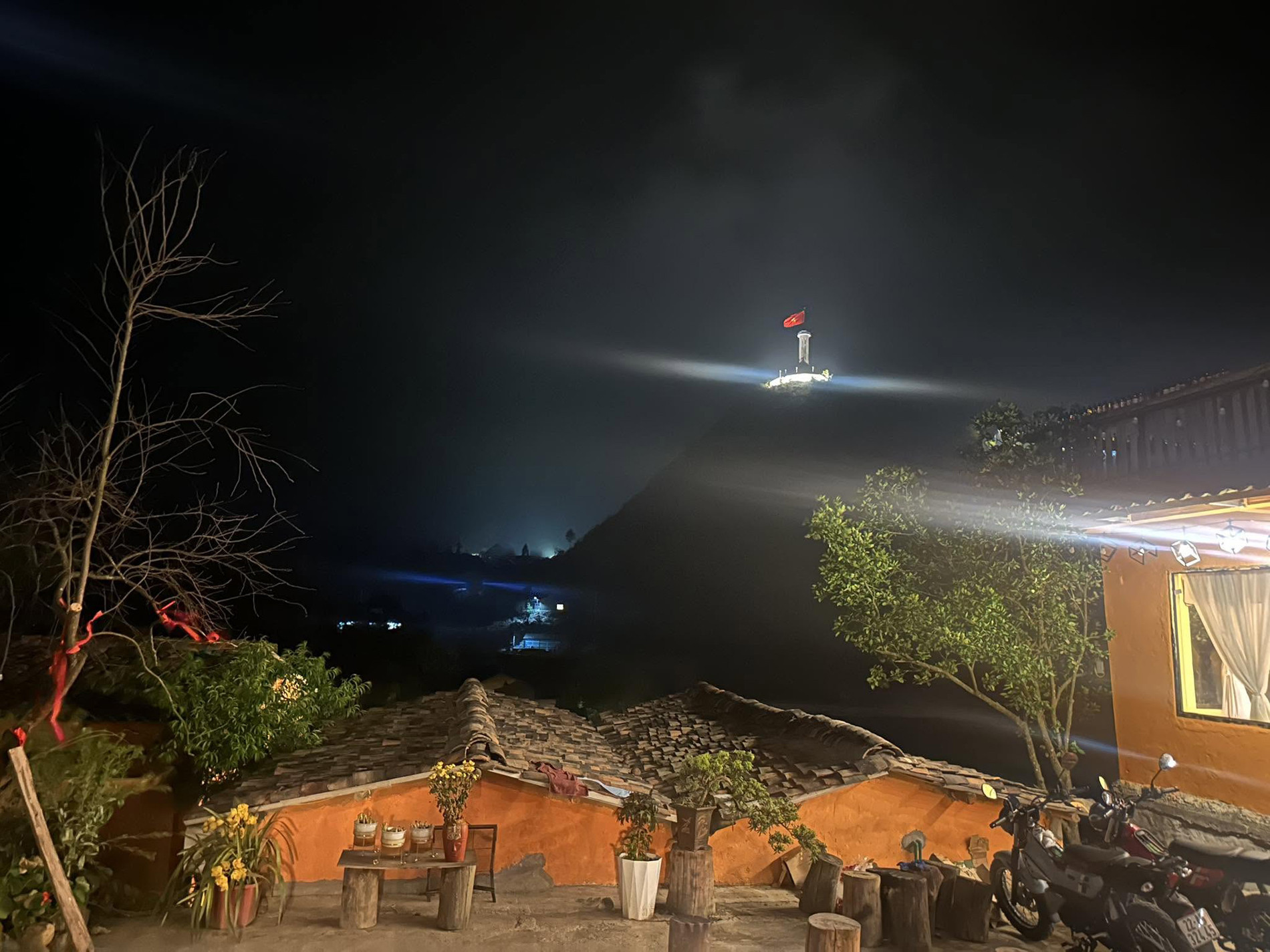
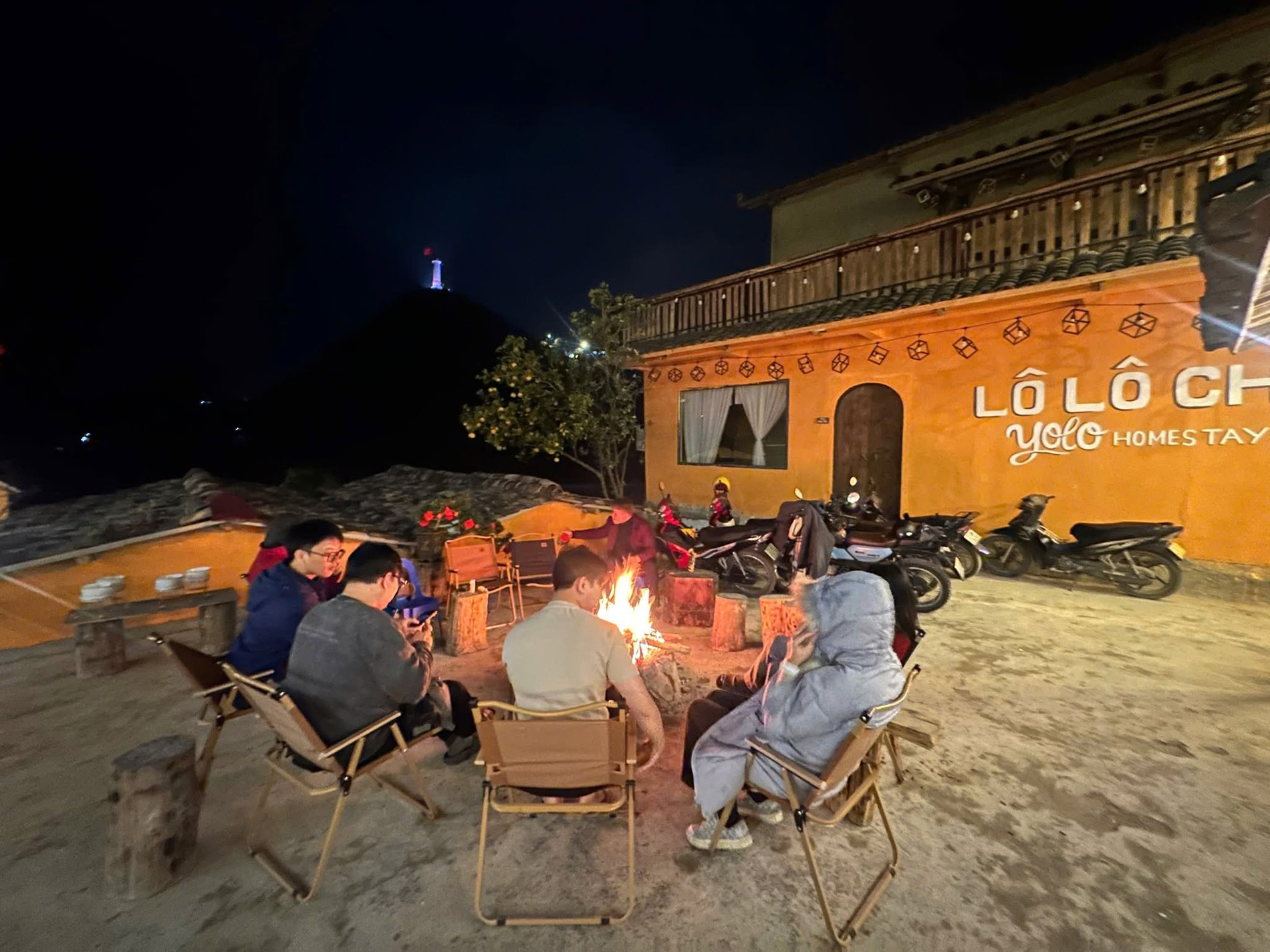
Photos: YOLO Homestay and Coffee
Thao Trinh
.svg)
