 Vietnamnet.vn

 Podcast



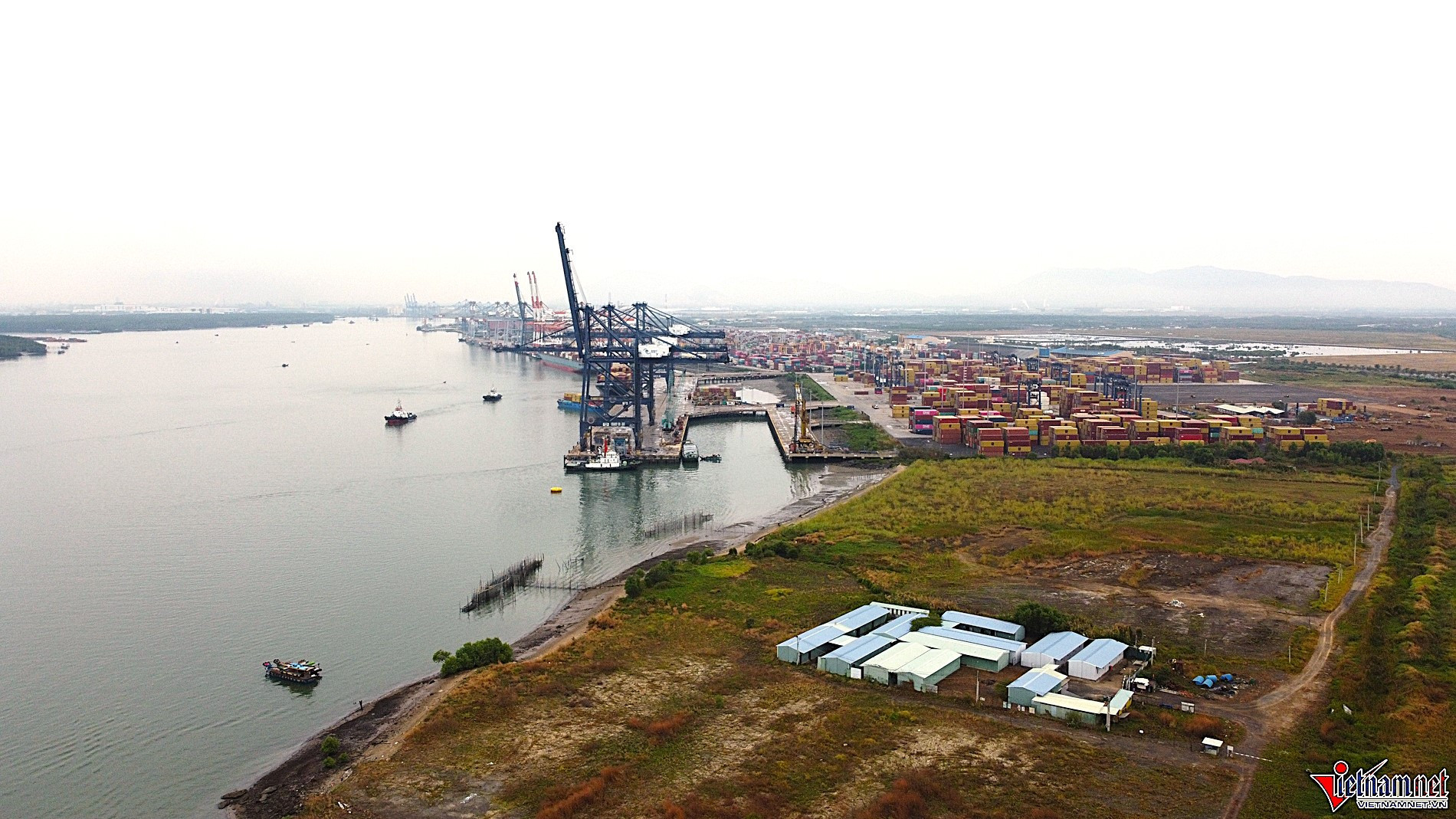
The project will be developed by a consortium of three investors: Geleximco Group, the International Transport and Trading Joint Stock Company, and the State Capital Investment Corporation.
According to the decision, the port complex will span a total area of 351.2 hectares, with the container port occupying 229.4 hectares - including 121 hectares of reclaimed land. The facility is designed to international standards, with nearly 7.5 kilometers of berths capable of accommodating container vessels up to 250,000 DWT (24,000 TEU), as well as 120,000 DWT vessels, feeder ships, and barges for coastal and inland waterway transport.
The water area in front of the berths will cover 121.8 hectares, ensuring safe navigation for maritime traffic.
Beyond the quay infrastructure, the project will feature container yards, cold storage, general warehouses, a consolidation and distribution (CFS) facility, a radiation inspection zone, and various supporting facilities to optimize operations.
The development will take place in three phases: Phase 1 is expected to begin operations in Q4 2028, Phase 2 in Q1 2035, and Phase 3 in Q1 2045. Once fully operational, the port aims to handle up to 10.8 million TEU annually.
Investors will contribute 15% of the capital (approximately $300 million), while the remaining funds - over $1.7 billion - will be raised through other sources. The main services offered will include cargo handling, storage, customs clearance, international transshipment, multimodal transport, and container repair.
According to Ho Chi Minh City authorities, the project aligns with Vietnam’s national port development master plan and the country’s marine economic strategy through 2030 with a vision to 2045. Once operational, Cai Mep Ha port is expected to become a logistics catalyst for the southern region, enhancing the competitiveness of Vietnamese exports and imports, generating jobs, and contributing to state budget revenues.
Tuan Kiet
.svg)
