 Vietnamnet.vn

 Podcast



Tucked away in the cluttered lanes of Phung Hung Market in Ho Chi Minh City, Ba Lu coffee stall has quietly charmed its customers for over 70 years with a brewing method both humble and profound.
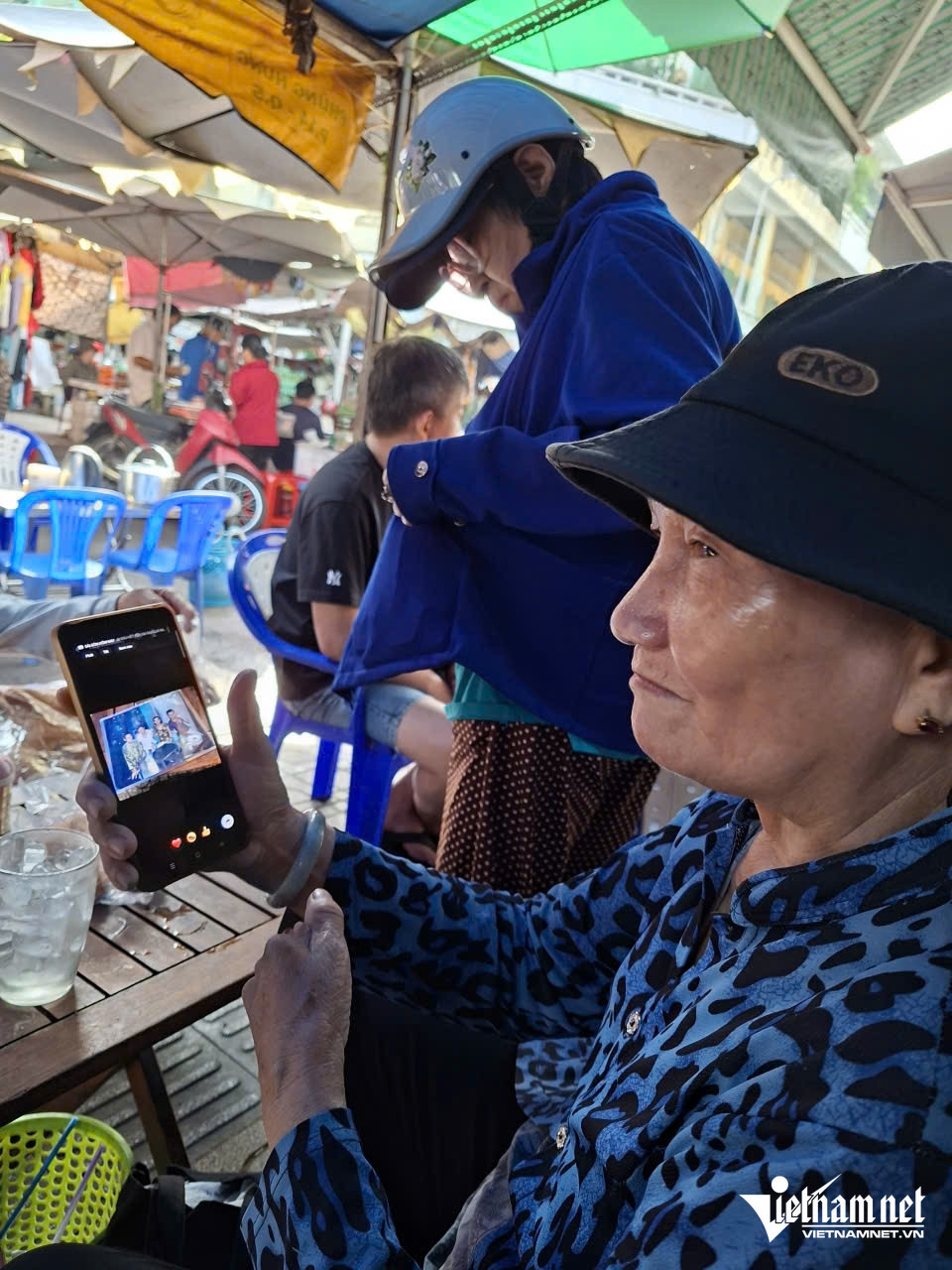
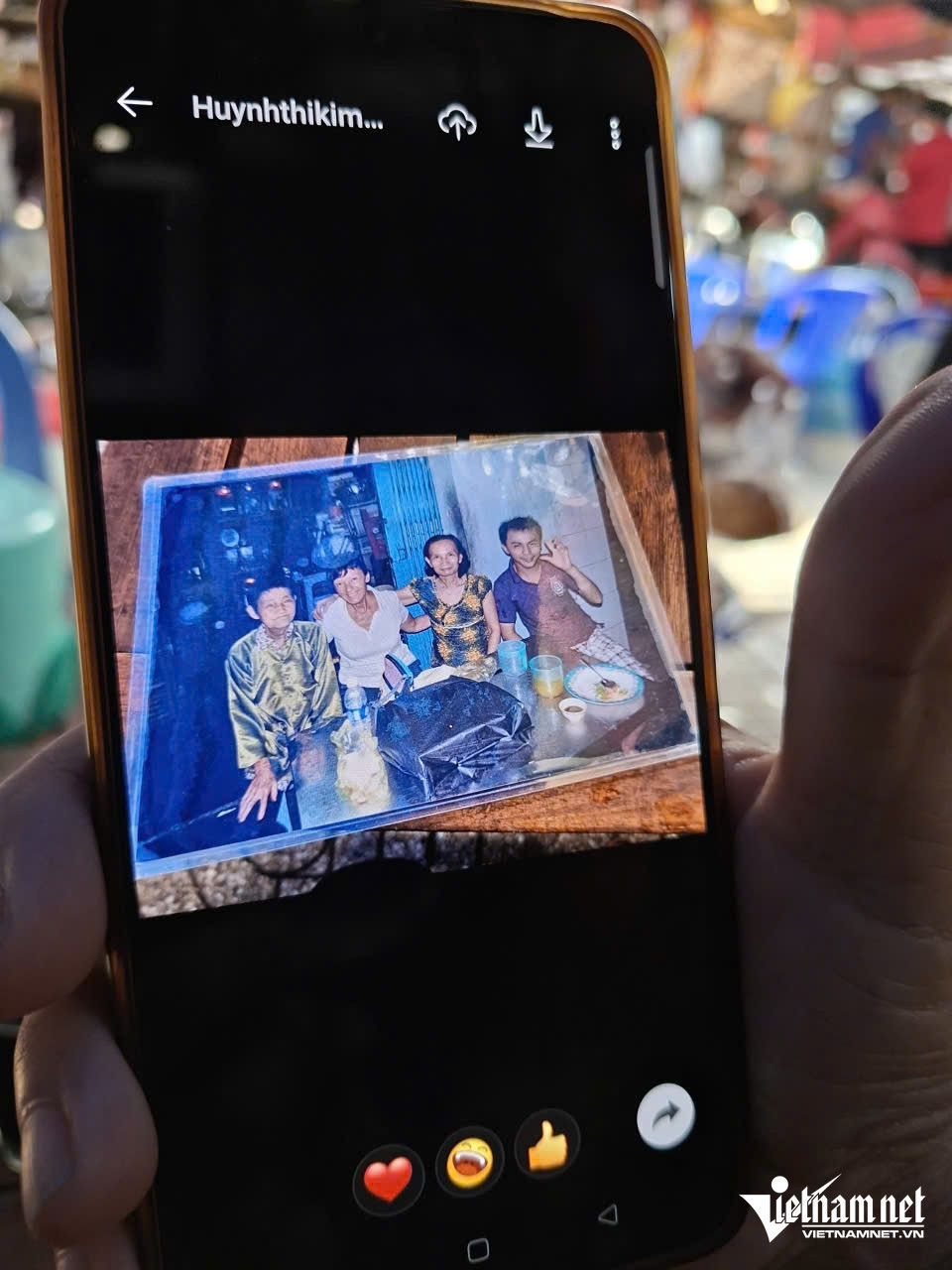
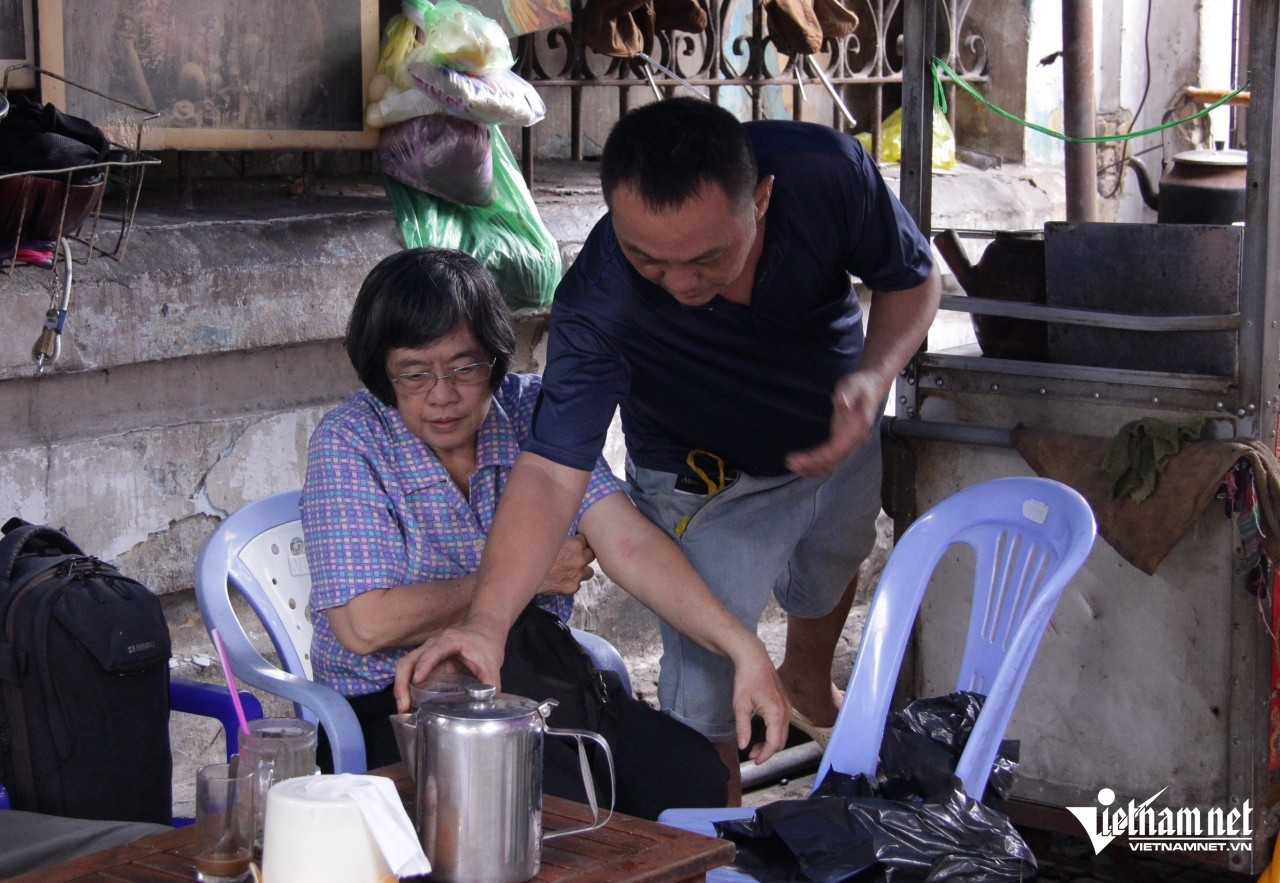
Huynh Thi Kim Yen, 67, returned from a long trip to visit her children in Australia and made her way straight to the stall in Cho Lon ward. “I’ve been drinking coffee here since I was 30. I’m used to the taste - no other place compares,” she shared. “This used to be one of the most famous coffee stalls in the city. Even Western tourists would head straight here from the airport.”
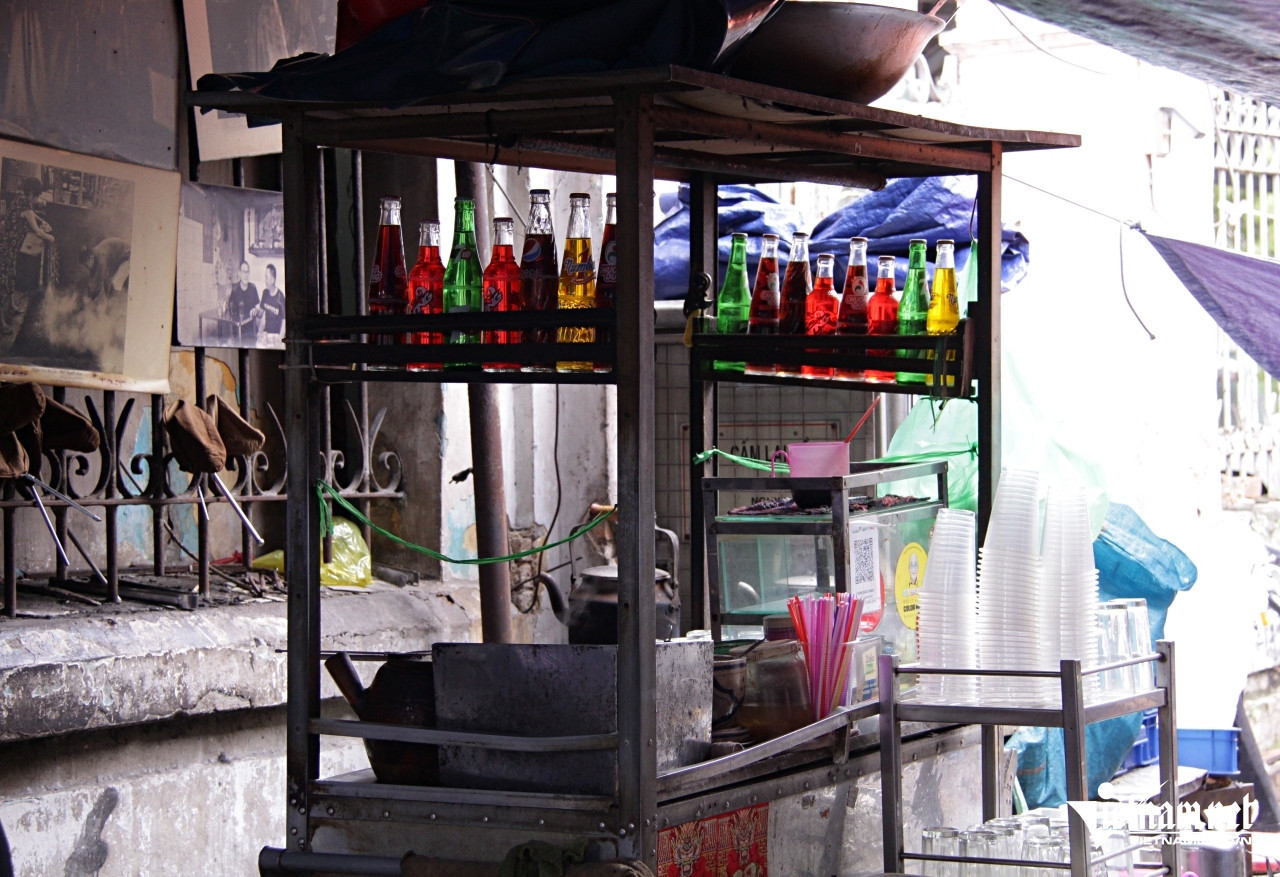
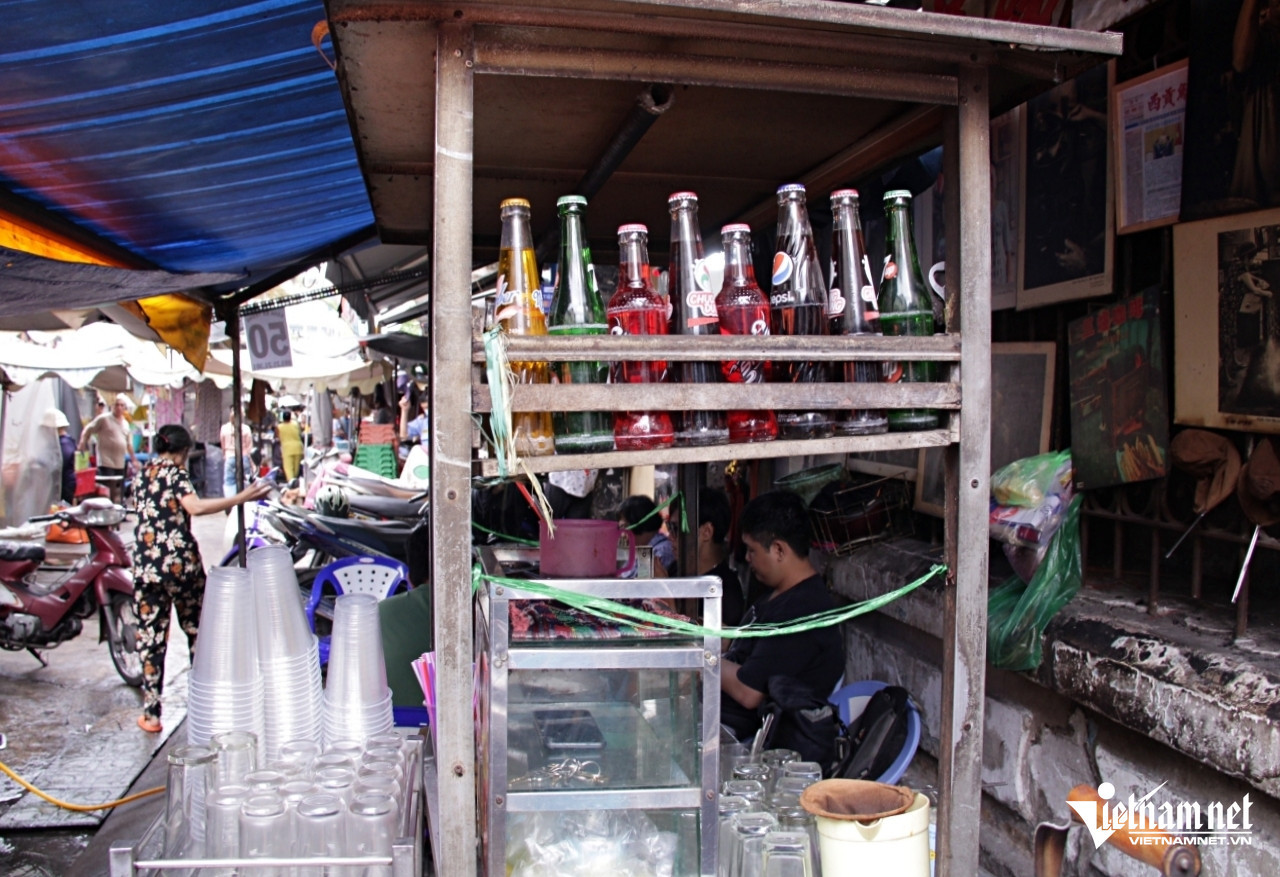
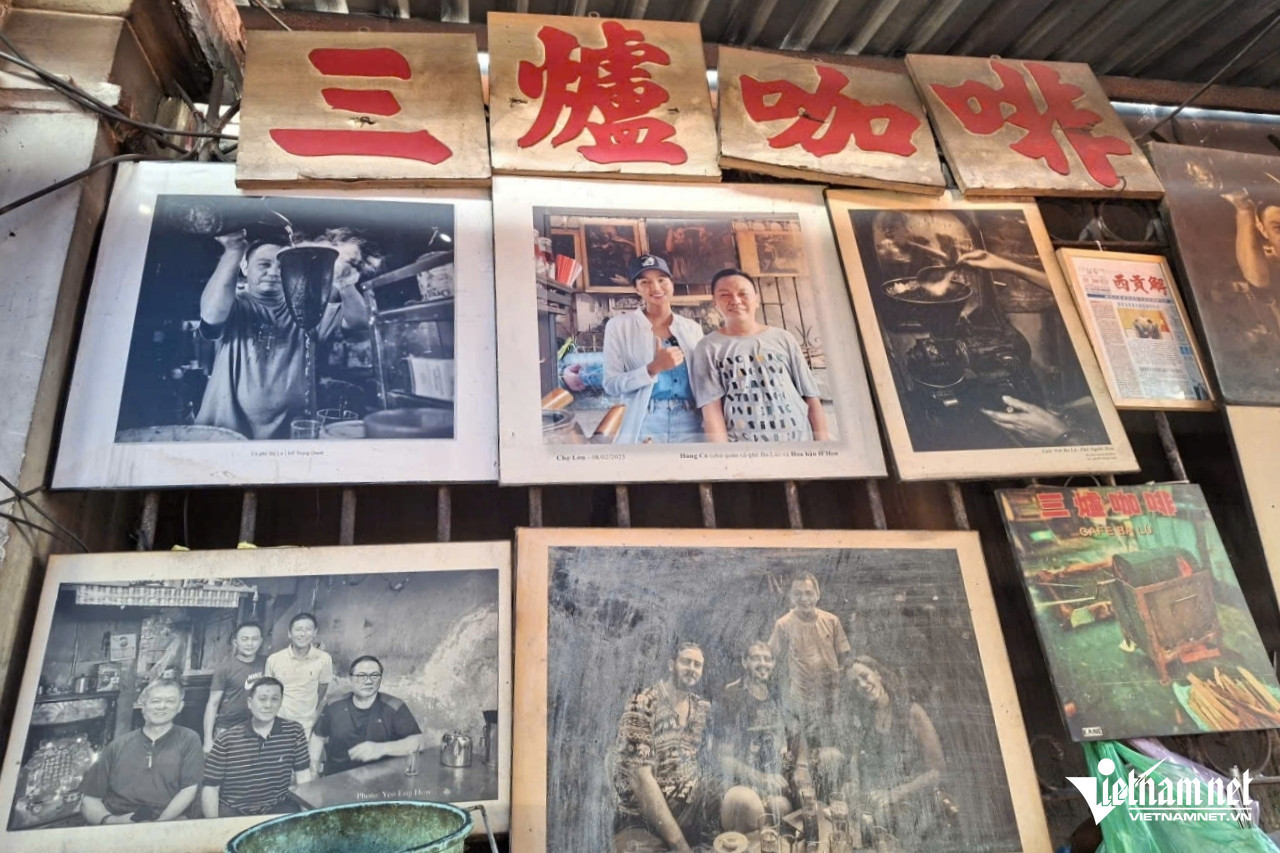
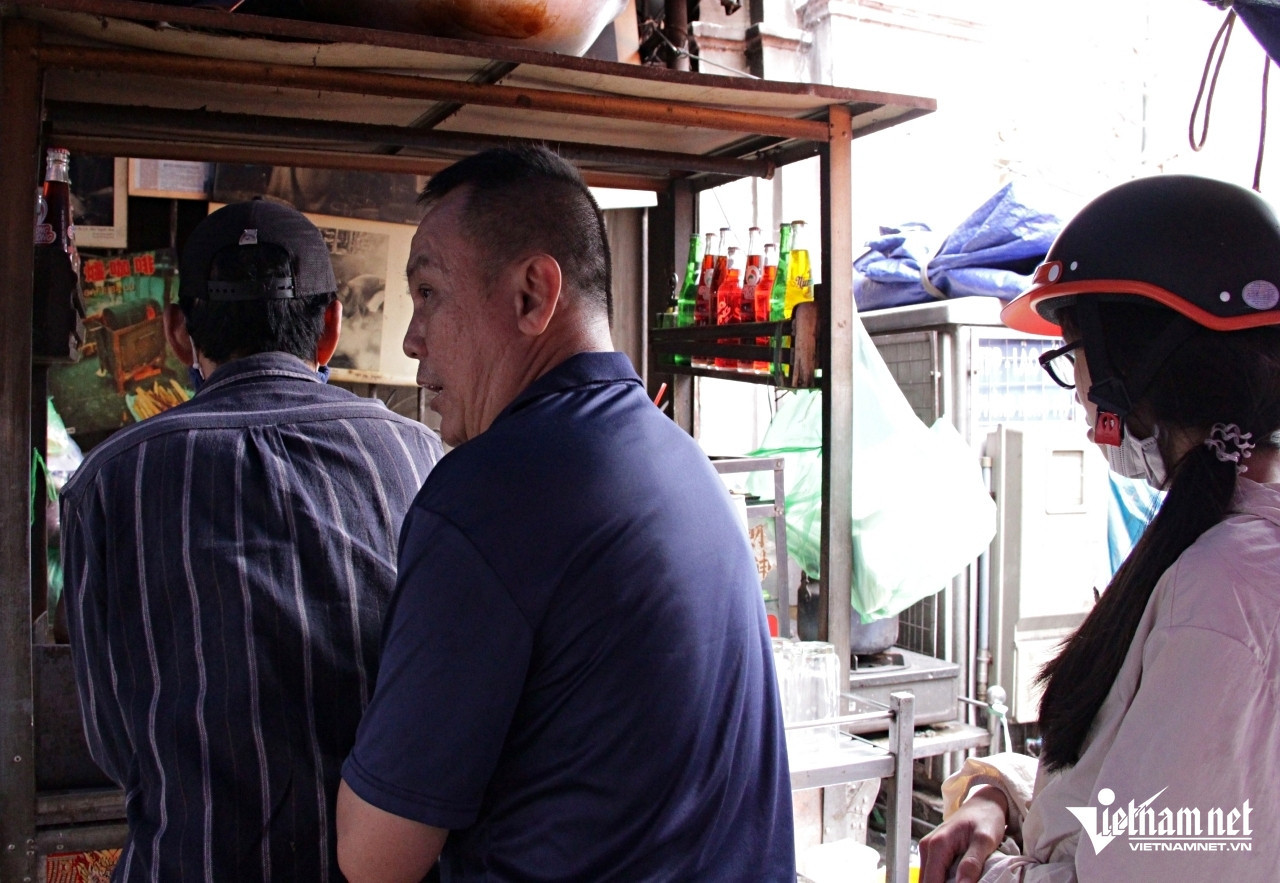
Despite being called a “quán” (shop), Ba Lu coffee is little more than a few stools and two tables on a narrow sidewalk, shaded by a tarp and oversized umbrellas. Behind it stands a traditional Chinese-style home. The fence along the house is lined with smoke-stained photographs of the shop’s owner with his customers.
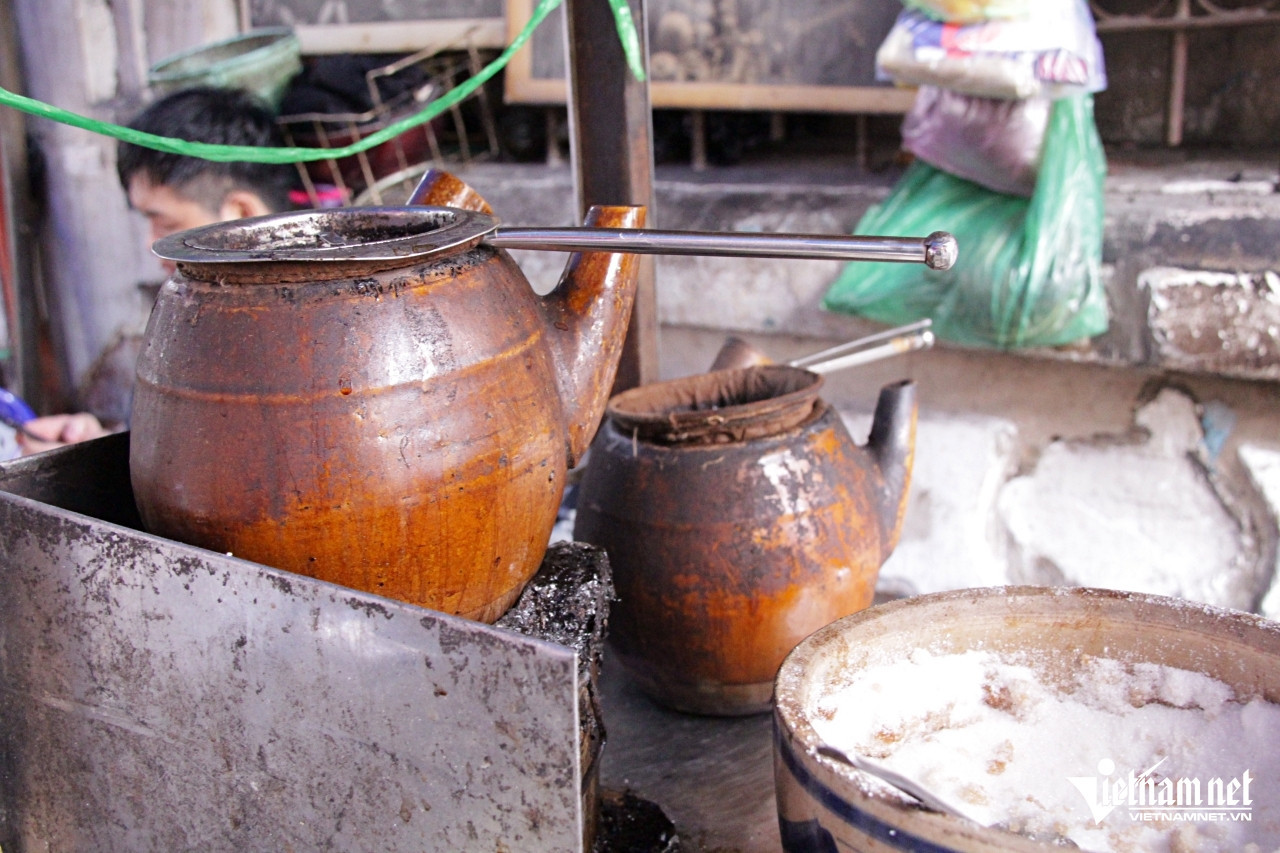
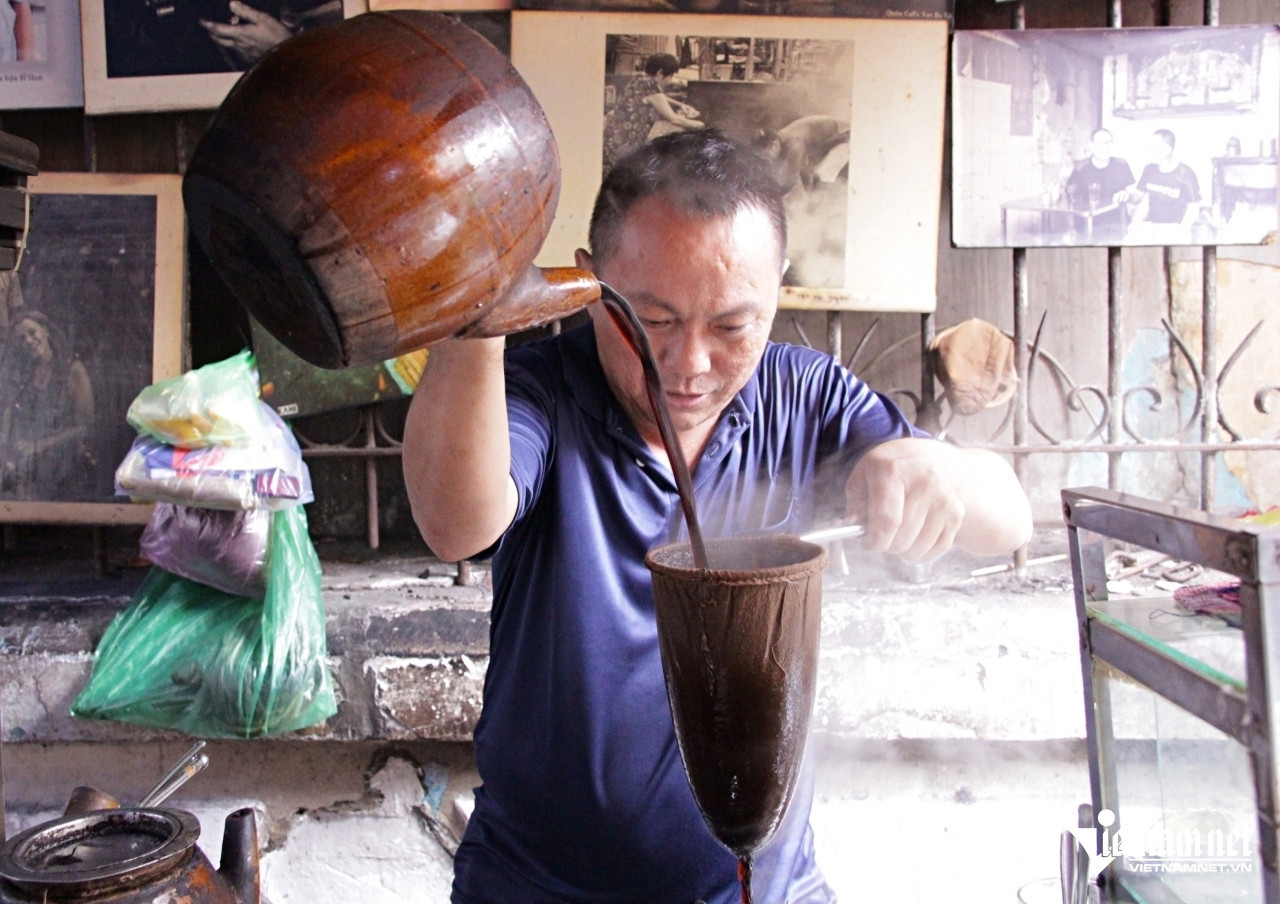
A few long, sock-like cloth filters hang nearby - each about 25cm long, with a 10cm opening - used for brewing the coffee. The front counter holds an aluminum cabinet filled with glasses, and two ceramic kettles, one constantly heated over red charcoal.
Brewing heritage in a ceramic pot
The current owner, Chung Quoc Hung, 51, inherited the stall and its legacy from his father, Lam Thieu Dien, a Hainanese Chinese immigrant who moved to Vietnam at the age of 12 or 13.
“My family name Chung comes from my mother,” Hung explained. “When my father arrived in Cho Lon, he worked at coffee shops - what people used to call tiệm nước. He learned how to roast and grind beans there. After the owner retired and left the country, my father opened his own stall at this exact location.”
His father remained with his wooden coffee cart for decades, eventually handing down the technique to his son. Hung still roasts and grinds the beans using the same method from more than seven decades ago.
Rather than using a conventional pan, Hung relies on a custom cylindrical roasting pan his father built. He preheats the pan for 15 minutes before roasting beans for nearly an hour. Every 15–20 minutes, he adds a pinch of salt. After 20 more minutes, he mixes in butter, roasting for another 10 minutes before pouring the beans out to cool.
While still warm, he sprinkles in alcohol and mixes it thoroughly. The result is a rich, dark brown powder with a heady aroma. “I used to use imported liquor, which added more depth, but the prices have gone up, so now I use Vietnamese sticky rice liquor,” he said.
Coffee “stewed” with time
Locals jokingly call the process “kho hat ca phe” - literally “stewing the beans” - because of its long and labor-intensive steps. “Coffee beans roasted the night before always taste better,” Hung remarked.
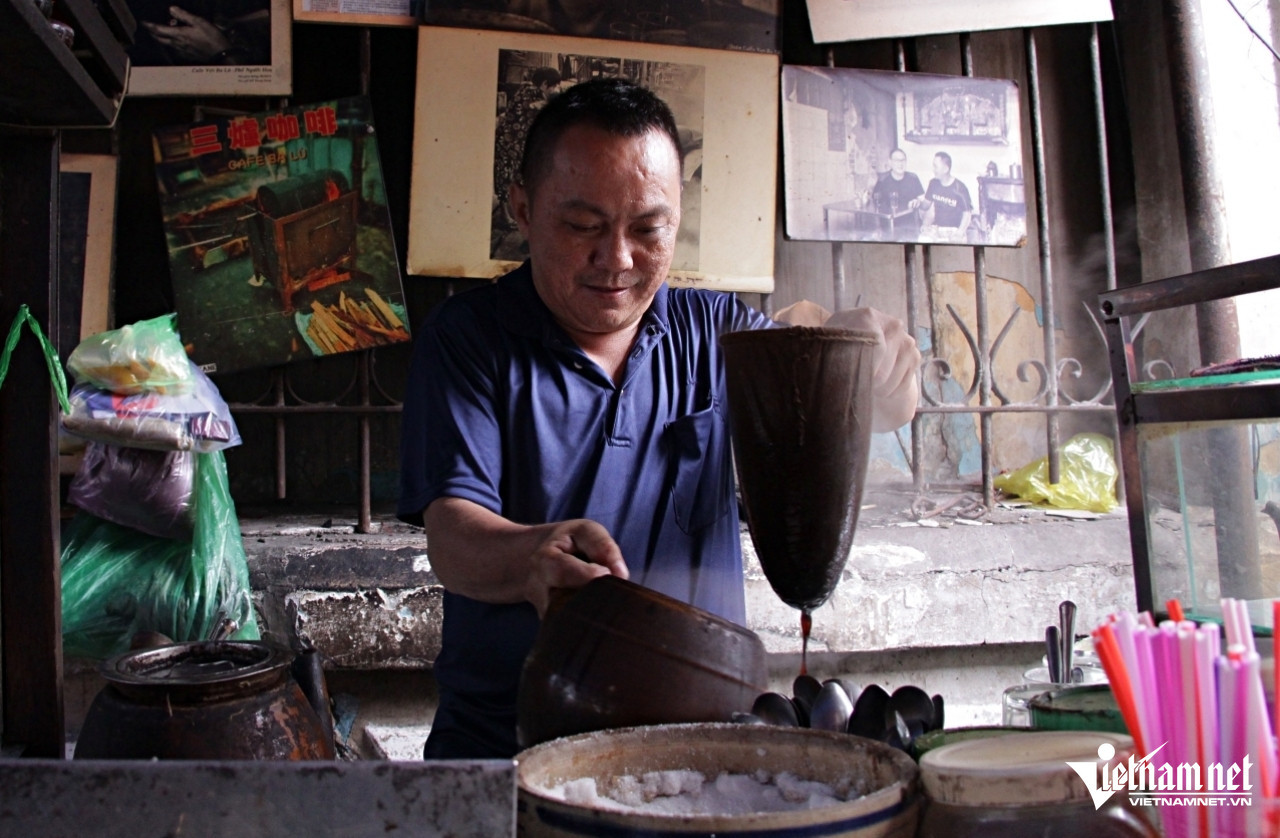
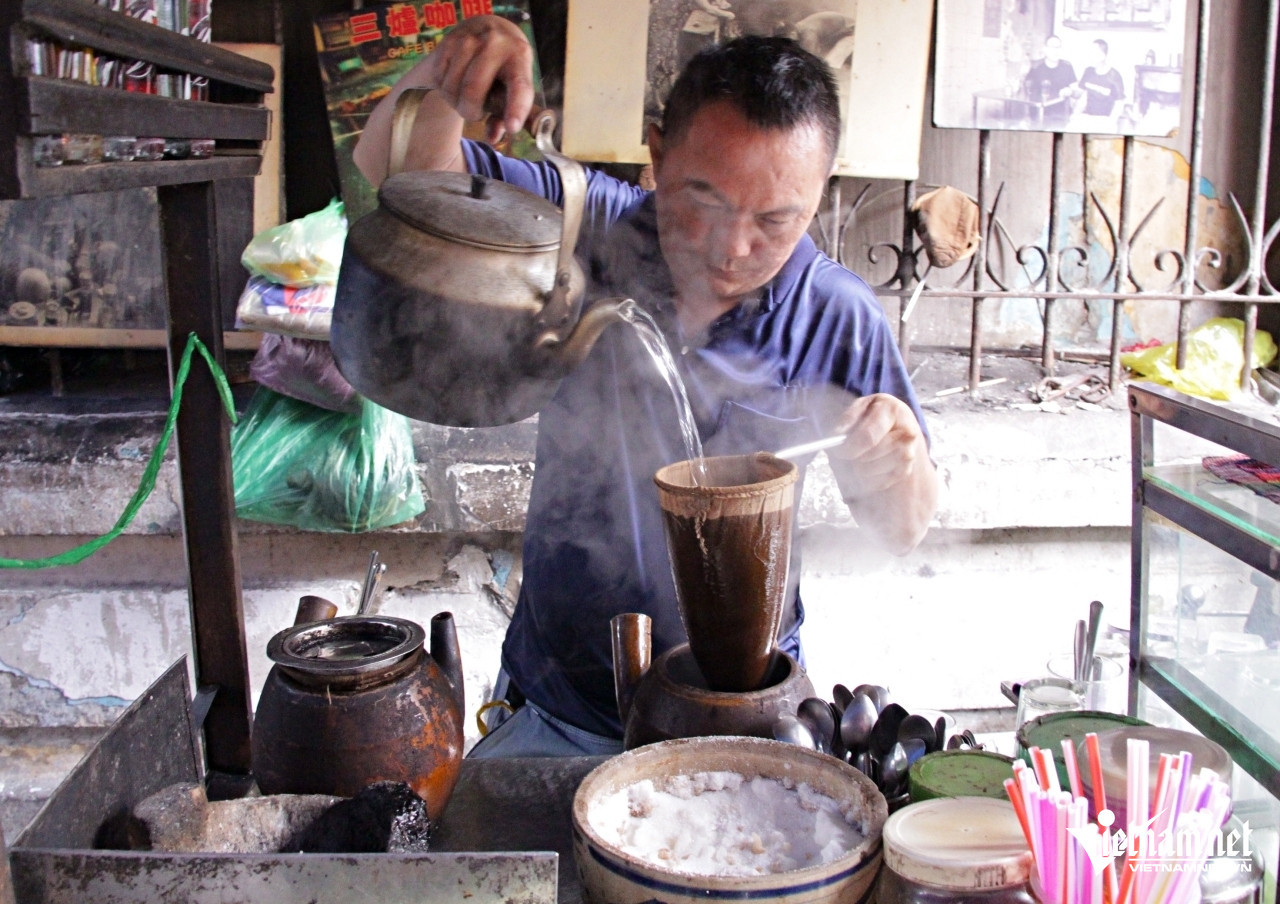
At the stall, Hung brews using the original sock filters and ceramic kettles passed down from his father. The kettles are kept warm all day to preserve the concentrated coffee essence. When a customer orders, Hung pours hot extract through the sock filter into a glass, ready to serve.
The shop opens from 6 AM to 6 PM daily, offering black coffee, coffee with condensed milk, and egg coffee, priced between 25,000 and 30,000 VND (around USD 1 to 1.20). A few soft drinks are also available.
In its heyday, Ba Lu could sell 3–4kg of ground coffee a day. Now, that number has dropped to just over 1kg.
Still, Hung remains proud: “Our customers span all ages and backgrounds. On weekends, it’s busier than usual. Besides longtime regulars, many young people, artists, and nostalgic visitors come for the vibe. We even get foreign tourists who want to learn about traditional Vietnamese coffee. Some even take pictures and send them back as gifts.”
The beans are roasted then mixed with rice liquor to enhance flavor.
Ha Nguyen
.svg)
