 Vietnamnet.vn

 Podcast



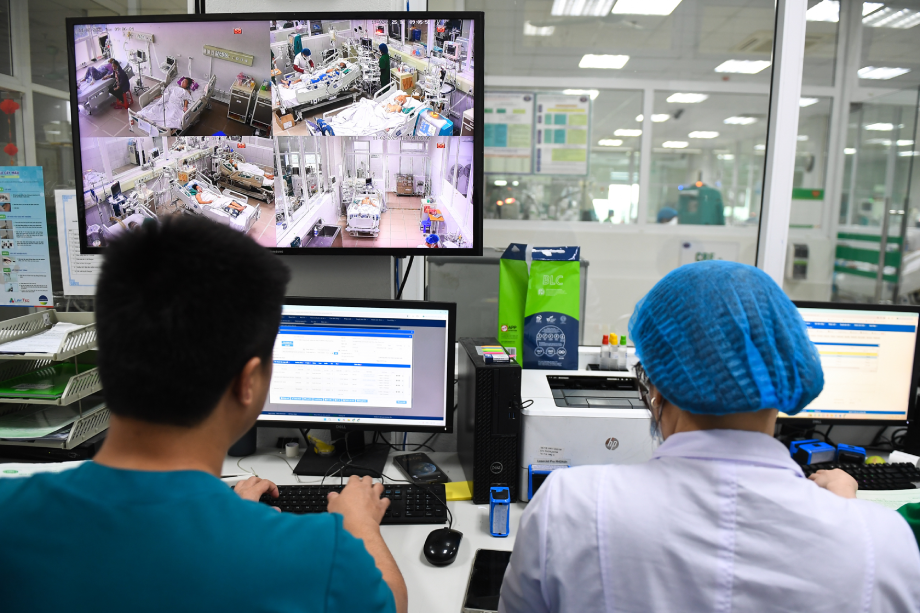
As part of RSV Awareness Week (November 3–9, 2025), GlaxoSmithKline (GSK) Vietnam shared findings from a global survey revealing that most people aged 50 and older with underlying health conditions underestimate the seriousness of RSV. While 80% expressed concern about contracting the virus, 45% believed RSV is not dangerous for older adults or those with chronic illnesses.
The survey underscores the urgent need to raise awareness about RSV, which causes more than 5 million infections annually and poses serious risks for individuals with conditions like diabetes, COPD, asthma, coronary artery disease, or heart failure. In Vietnam alone, RSV is estimated to have infected 4.6 million people aged 60 or older over the past five years.
The online survey, conducted across eight countries with 4,656 participants aged 50 and above, found a significant gap in public understanding of RSV’s impact on high-risk groups. About 14% of hospitalized RSV patients required ongoing intensive care even after discharge.
RSV remains a largely unrecognized threat among older adults with chronic diseases. While the virus carries a mortality rate comparable to influenza, it more frequently leads to severe complications such as pneumonia, prolonged hospitalization, and admission to intensive care units.
Phuong Thuy
.svg)
