 Vietnamnet.vn

 Podcast



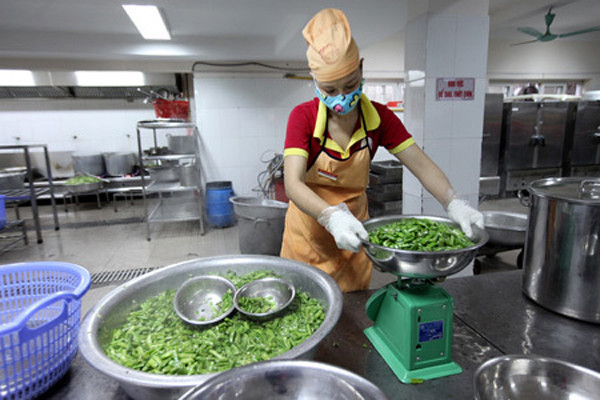
According to Chu Quoc Thinh, acting head of the Food Safety Authority under the Ministry of Health, the inspections will take place over 15 days starting April 1 and will be conducted without prior notice. The list of targeted facilities is being selected by local food safety agencies in both localities.
The move comes after police uncovered a network involved in slaughtering and distributing 3,600 pigs infected with African swine fever, equivalent to around 300 tons of meat. Hanoi and Ninh Binh have been identified as areas linked to the distribution chain.
Inspection teams will focus on compliance with food safety regulations at mass kitchens and food service providers. The teams include representatives from the Food Safety Authority, the National Institute for Food Safety Testing and local authorities.
Earlier, Hanoi police identified a company as a supplier of meat to several schools, although the full list of affected institutions has not yet been disclosed. The case has raised serious concerns about food safety risks within school environments.
The Ministry of Health warned that consuming diseased pork not only increases the risk of spreading epidemics but also poses long-term health threats, particularly to vulnerable groups such as children, students and workers.
Local authorities have been instructed to intensify inspections and strengthen oversight of mass kitchens. For schools operating boarding or semi-boarding meal services and cafeterias, the ministry has called for greater accountability from administrators, enhanced food safety education and increased involvement from parents and community organizations in monitoring.
Experts note that African swine fever is a highly dangerous infectious disease in pigs, with a mortality rate approaching 100%. The virus can persist in the environment for long periods and spreads through multiple pathways. Meat from infected pigs may also carry harmful bacteria and parasites such as Salmonella.
To prevent contaminated food from entering the supply chain, authorities are emphasizing stricter control measures and proactive supervision, especially in settings that serve large numbers of people daily.
The inspections mark a critical step in restoring public confidence and reinforcing safeguards in Vietnam’s food system, particularly at a time when concerns over food safety are once again at the forefront of public attention.
Phuong Thuy
.svg)
