 Vietnamnet.vn

 Podcast



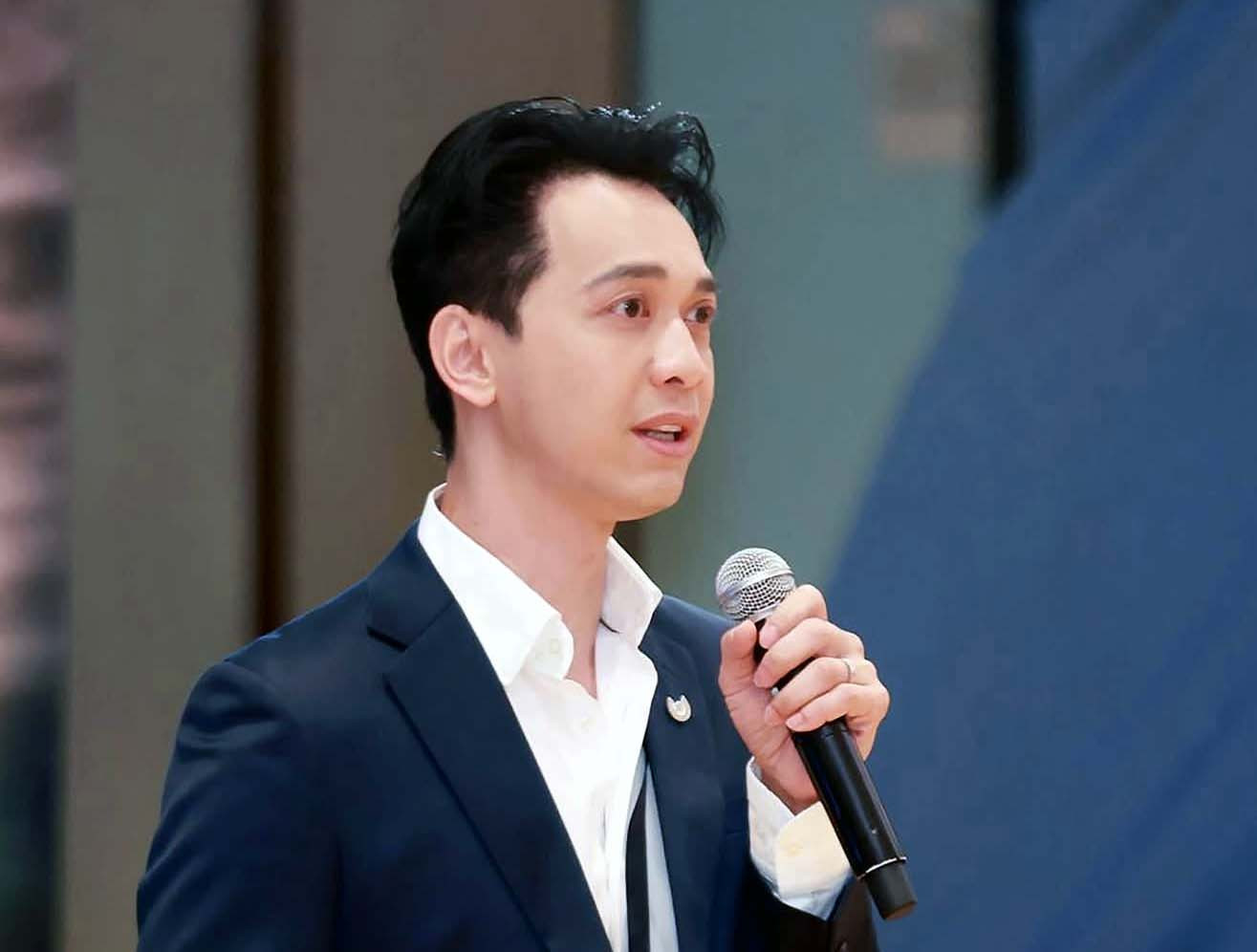
In that context, the banking sector has emerged as a “generation transfer lab,” where founding entrepreneurs, known as F1, not only transfer ownership through shares but also gradually hand over management in a field with especially high requirements for governance, transparency, and technology.
While the second-generation (F2) scions of founders in many private conglomerates mostly operate behind the scenes, the banking sector is witnessing a faster and more distinct transition.
The difference is that many tycoons’ sons and daughters not only receive assets but have directly joined management, even taking top positions in the governance apparatus.
A typical case is Tran Hung Huy, who became chair of ACB in 2011. After the 2012 crisis, he led the bank through restructuring. Instead of only inheriting shares from the founding family, he has managed and helped ACB overcome difficulties and regain market position.
At SHB, Do Quang Vinh, son of chair Do Quang Hien, currently holds both positions of Vice Chair of the Board of Directors and Deputy CEO. Formally trained in finance in the UK and with overseas work experience, he is one of the young faces driving SHB’s digital transformation and green banking strategy.
Meanwhile, at SeABank, Le Thu Thuy, daughter of Nguyen Thi Nga, served as CEO before holding the role of Standing Vice Chair of the Board of Directors. She was one of the key personnel in the process of SeABank’s transformation into a modern retail banking model.
However, not every bank chooses to hand over management to the F2 generation immediately.
At VPBank, the family of chair Ngo Chi Dung has begun introducing the next generation into the ownership structure. His son, Ngo Chi Trung Johnny, bought 70 million VPB shares in late 2023, while his daughter, Ngo Minh Phuong, owns over 10 million shares. Yet, neither has joined the board nor the executive team.
TPBank has adopted a similar approach. The two children of chair Do Minh Phu each own about 1.11 percent of the bank’s charter capital, while the DOJI ecosystem remains a major shareholder. The family's footprint is clear in the ownership structure, even though management control has not been fully transferred.
At Techcombank, the two children of chairman Ho Hung Anh hold nearly 4.9 percent of the charter capital, with each holding assets worth tens of trillions of VND. However, governance rights have yet to be granted, reflecting an "assets first, power later" transition strategy.
Evidently, each bank is choosing its own path. The common denominator is that the F2 generation now has real "skin in the game" through ownership or governance, rather than just watching from the sidelines.
High stakes, potential risks
It is no coincidence that the banking sector is seeing such an early and aggressive F1-to-F2 transition.
This is a heavily scrutinized industry that demands strict corporate governance, risk management, financial transparency, and compliance with international standards like Basel II and Basel III. In such an environment, grooming the next line of leaders cannot be rushed. It requires years of training, mentoring, and hands-on experience.
Furthermore, modern banks are no longer just financial firms. They are tech companies. The race in digital banking, AI, big data, and fintech makes a modern management mindset highly urgent. This plays to the strengths of the F2 generation, many of whom were educated abroad and exposed to advanced management models.
While ACB shows that the F2 generation can directly take the wheel, SHB and SeABank reflect a structured leadership grooming model. On the other hand, TPBank, VPBank, and Techcombank favor a roadmap that transitions ownership before handing over executive control.
Manh Ha
.svg)
