 Vietnamnet.vn

 Podcast



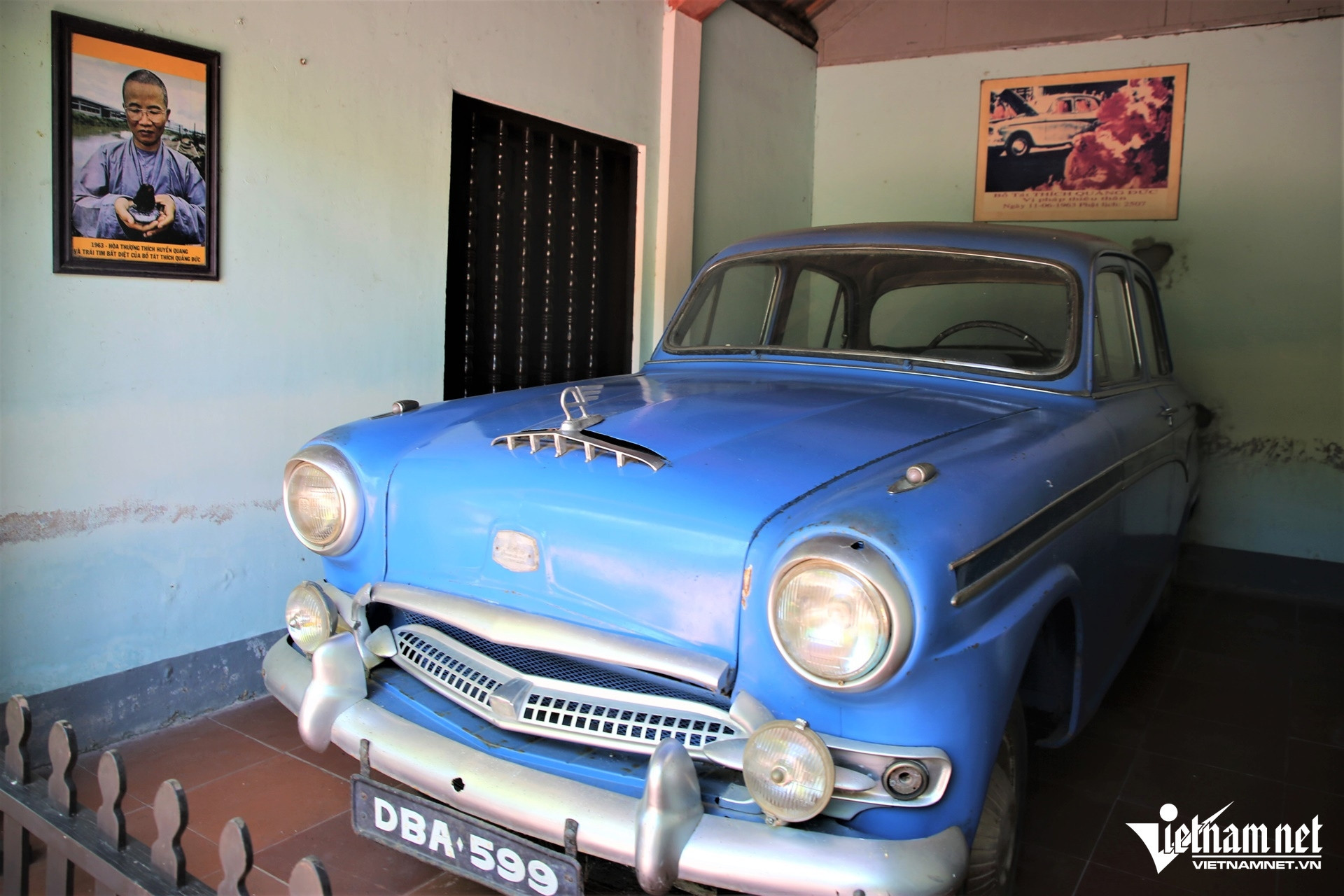
Thien Mu Pagoda, a more than 400-year-old temple overlooking the Perfume River, is one of Hue’s most enduring cultural and spiritual symbols. Within its grounds is a car closely associated with the 1963 Buddhist crisis.
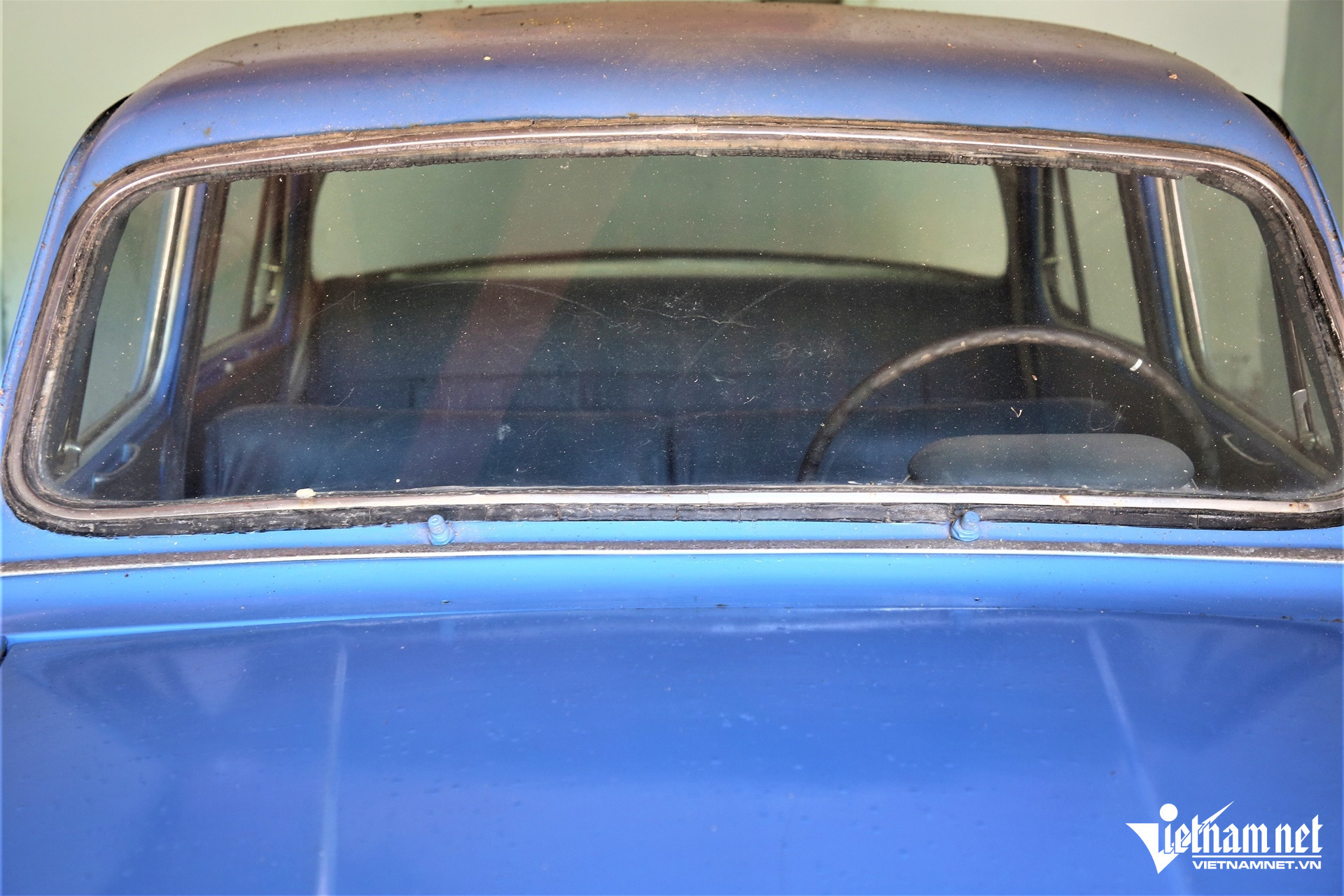
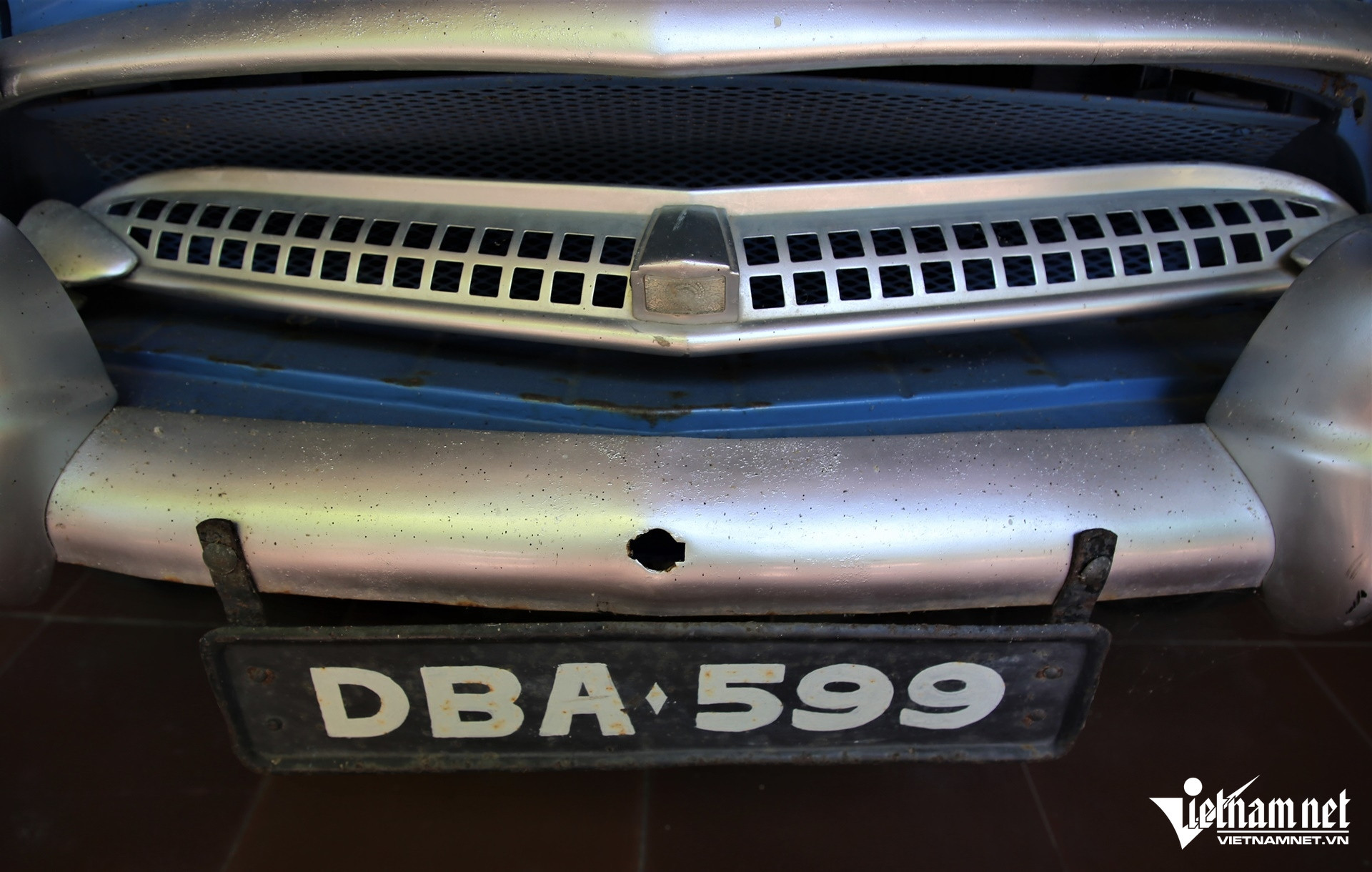
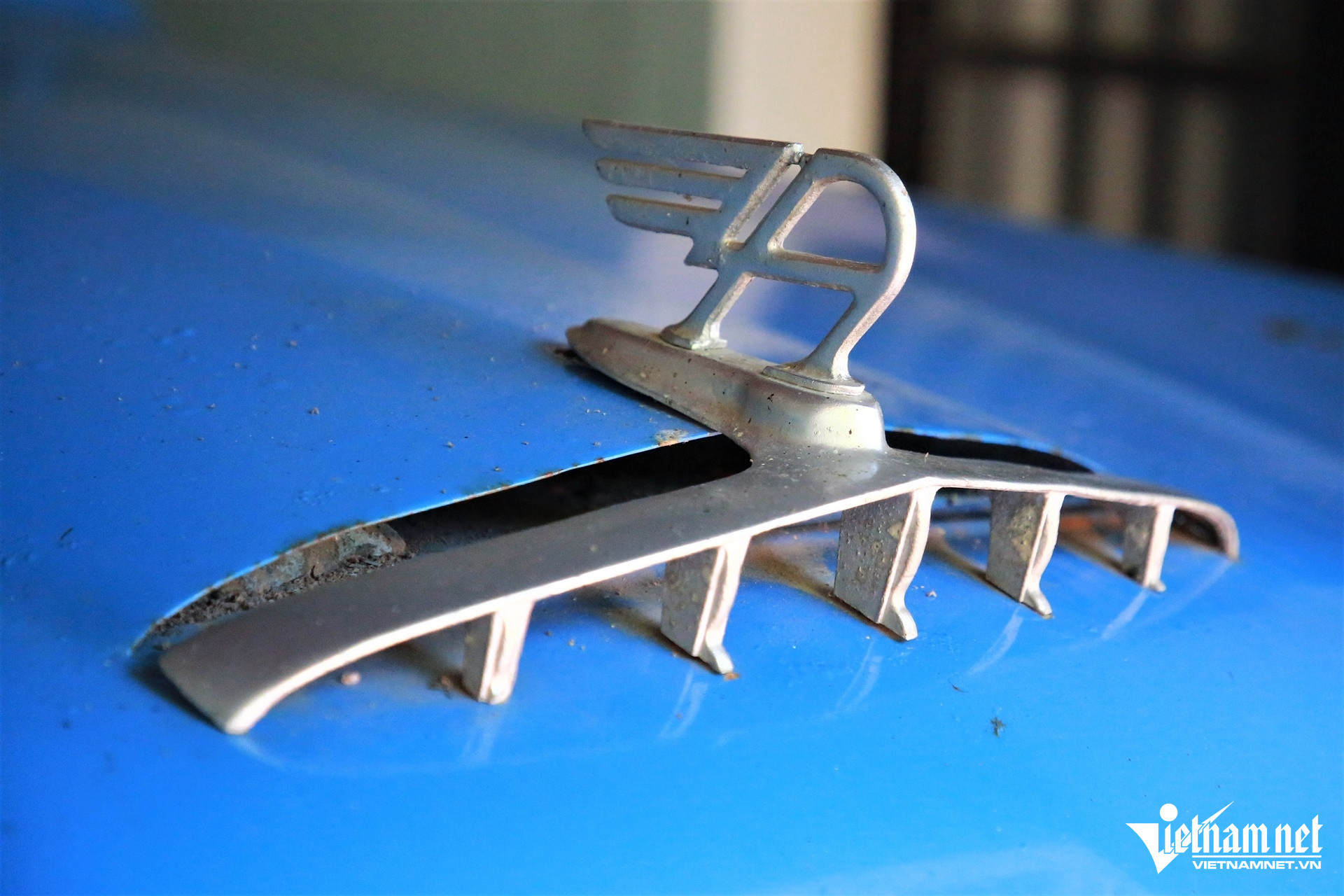
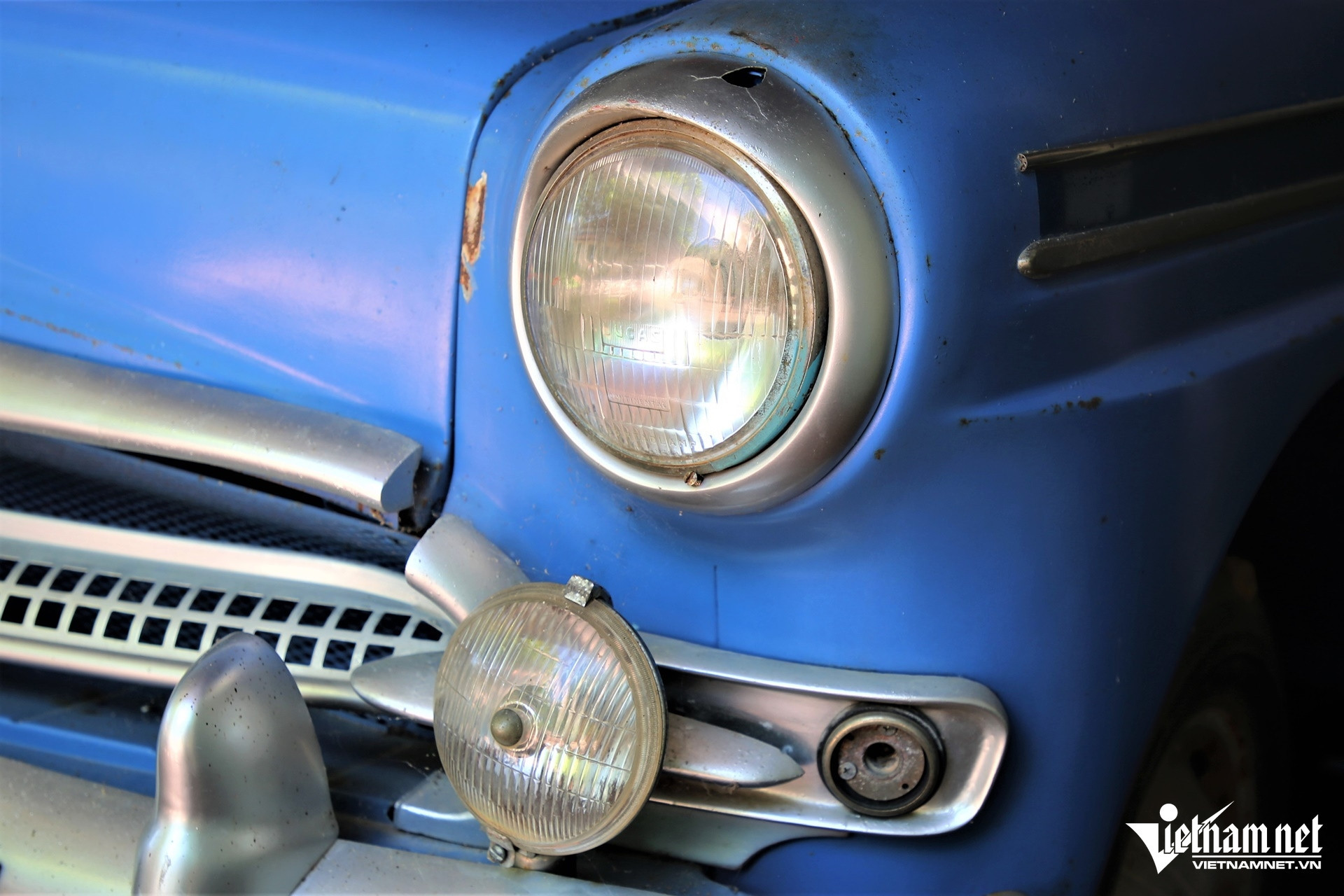
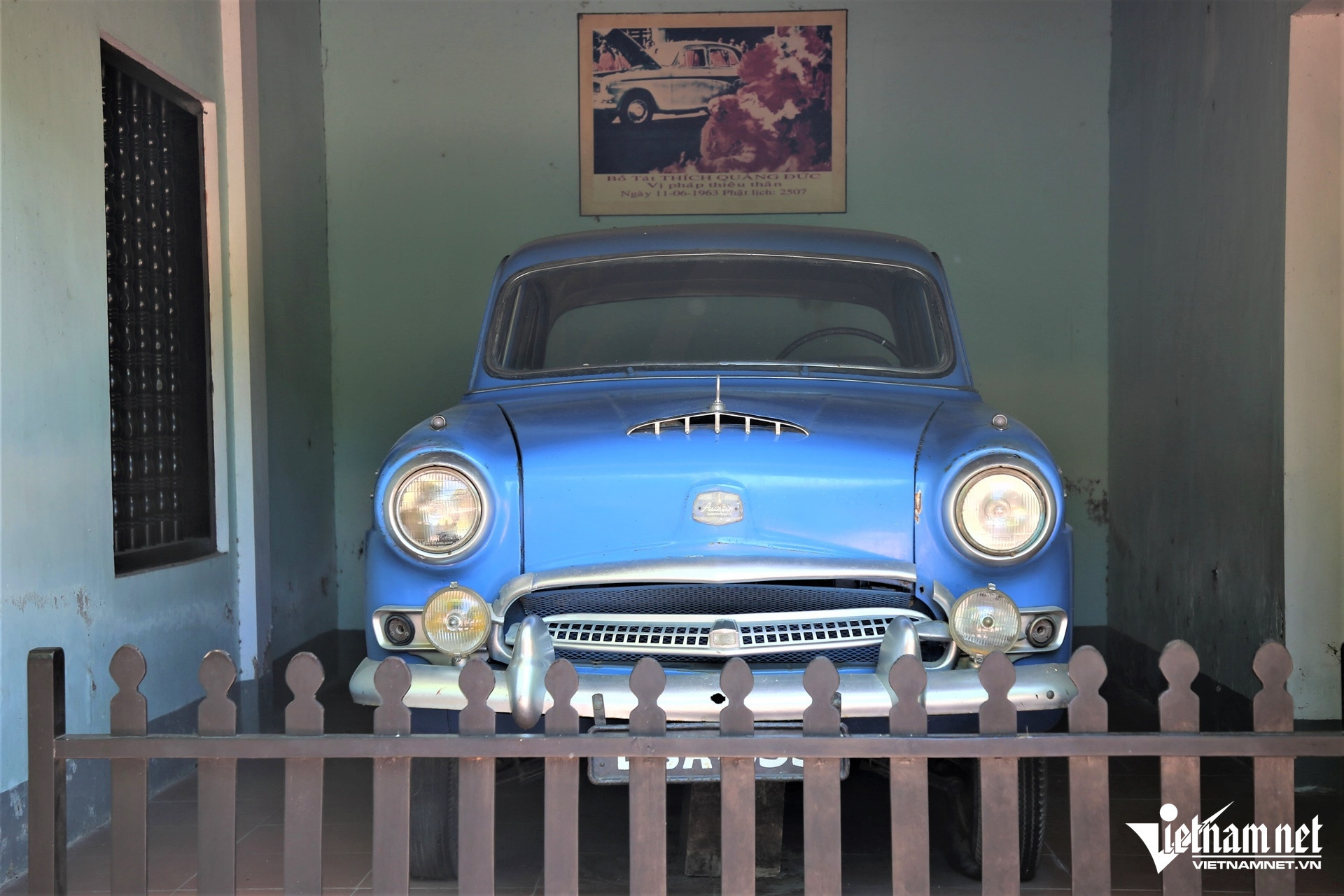
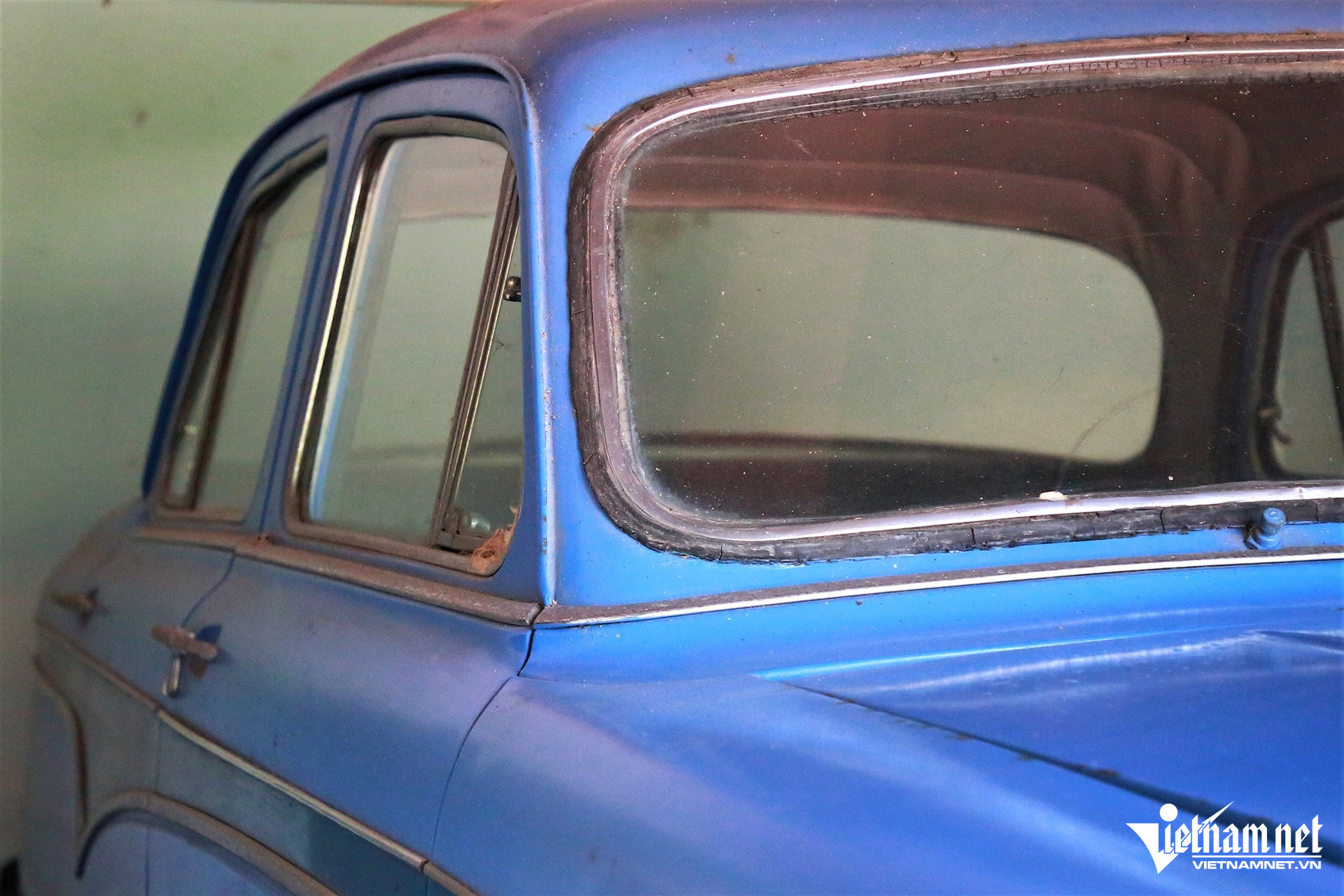
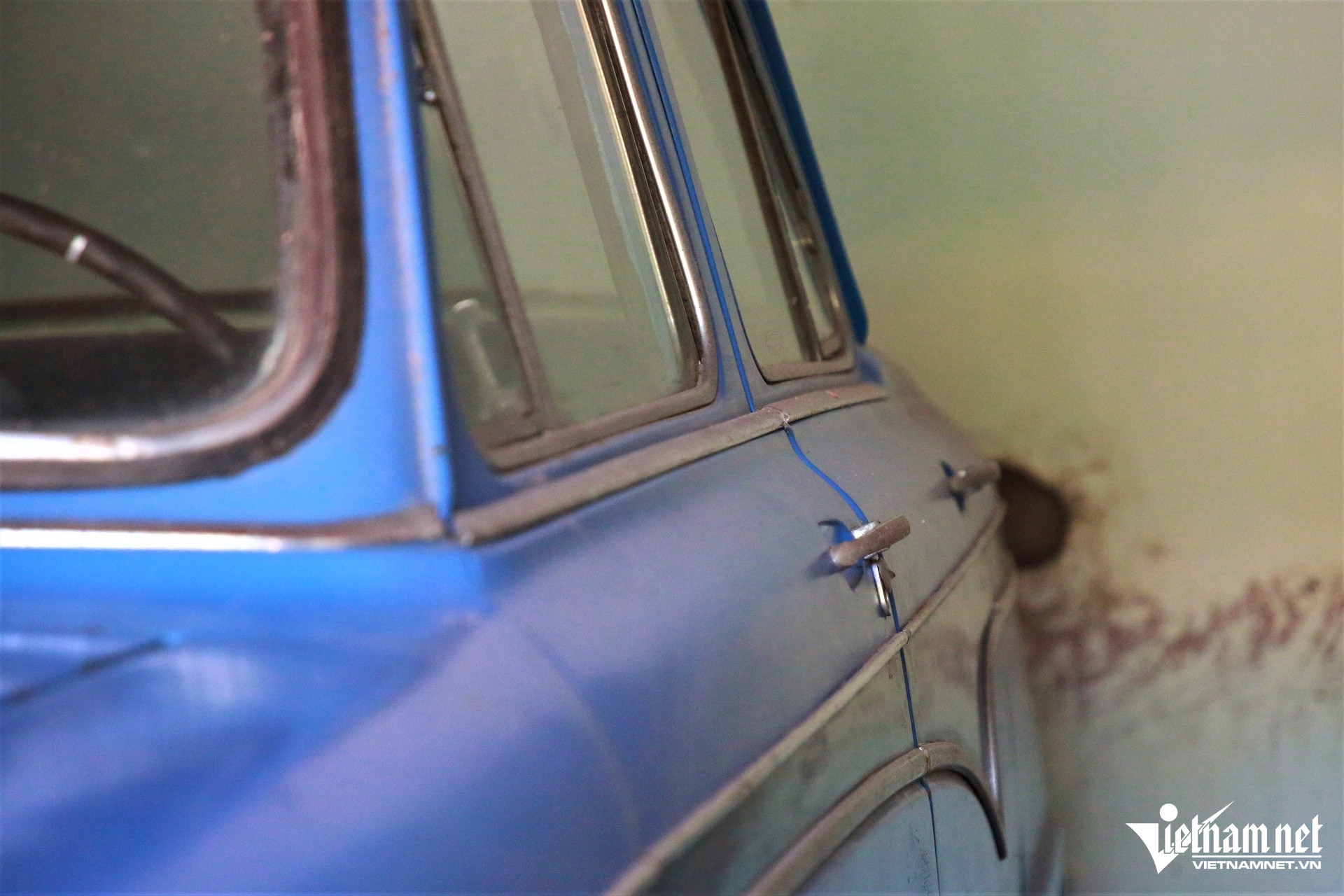
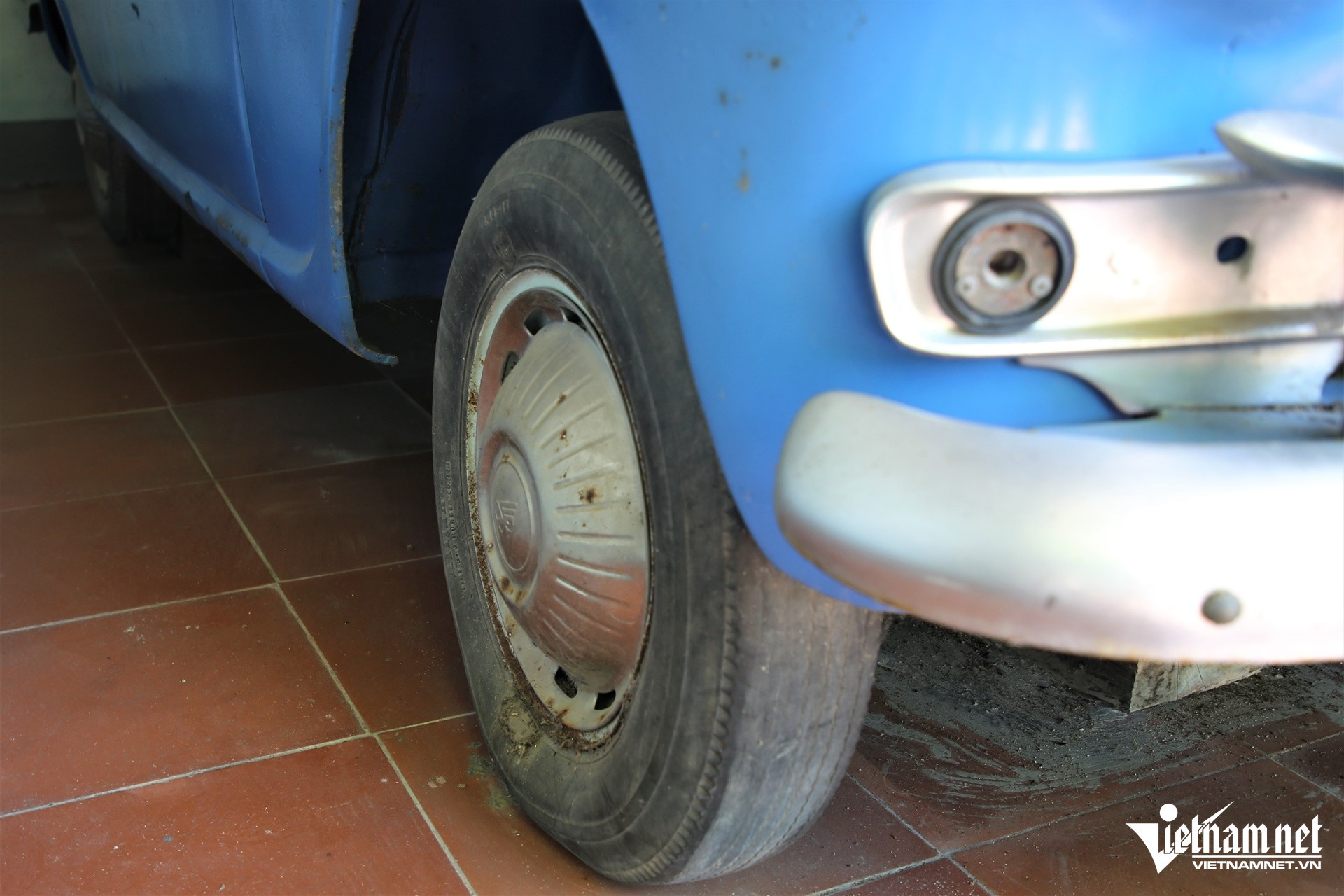
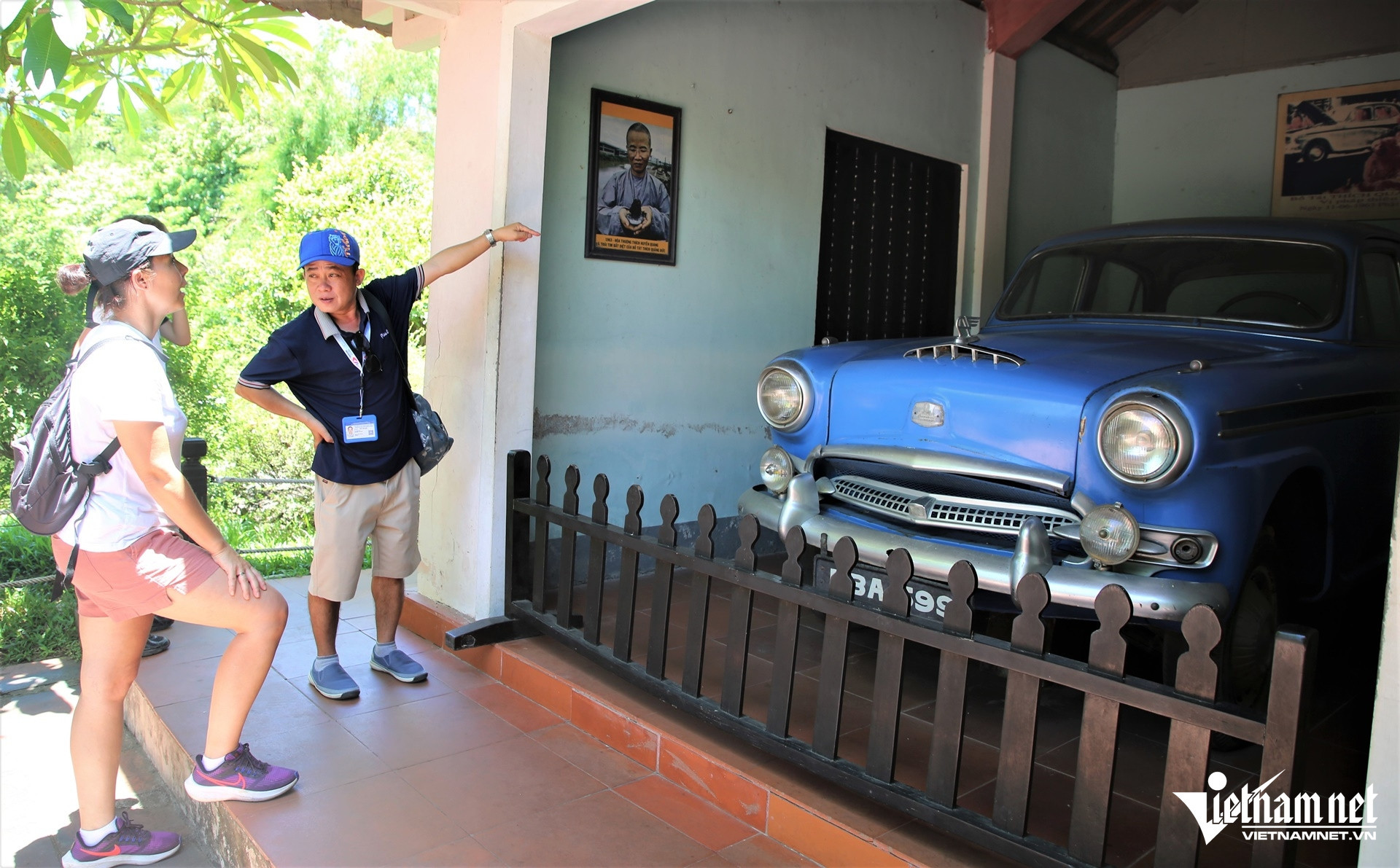
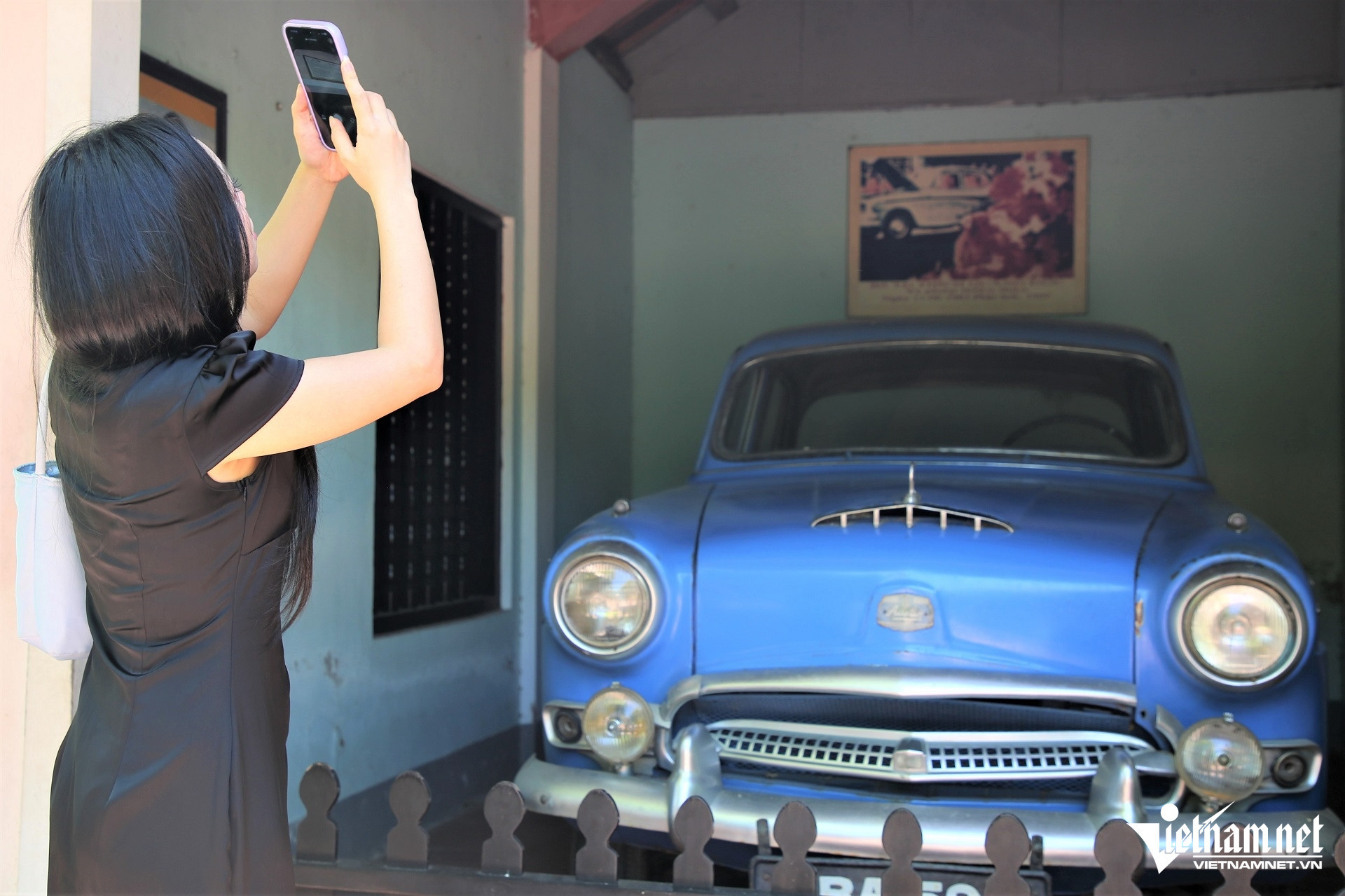
The blue Austin A95 Westminster, bearing license plate DBA 599, once carried Bodhisattva Thich Quang Duc from An Quang Pagoda to the intersection of Phan Dinh Phung and Le Van Duyet streets in Saigon, now the junction of Cach Mang Thang Tam and Nguyen Dinh Chieu streets in Ho Chi Minh City.
On June 11, 1963, Thich Quang Duc set himself on fire at the intersection in protest against the Ngo Dinh Diem government’s discriminatory and repressive policies toward Buddhists. Images of the monk sitting serenely amid the flames shocked the world, becoming an enduring symbol of nonviolence and the struggle for religious freedom and equality.
The car originally belonged to the family of Buddhist layman Tran Quang Thuan, who lent it to the procession that took Thich Quang Duc to the site of his self-immolation. Following the event, the vehicle was seized as evidence before later being returned.
In 1964, Thuan donated the car to Thien Mu Pagoda. Once the necessary procedures were completed, the Austin was transported from Saigon to Hue, where it has remained ever since.
For more than 60 years, the car has been housed in a building behind the pagoda’s main sanctuary, becoming a historical artifact that recalls a defining moment in the history of Vietnamese Buddhism.
Venerable Thich Quang Duc was born in 1897 in Van Ninh District, Khanh Hoa Province. During his years of spreading Buddhist teachings, he founded, built and restored 31 pagodas. Quan The Am Pagoda in Ho Chi Minh City was the last temple where he served as abbot; the road in front of the pagoda was later named Thich Quang Duc Street.
Following his self-immolation on June 11, 1963, his remains were cremated, but his heart remained intact. Revered by Buddhists as a sacred relic, the heart became a symbol of compassion, nonviolence and sacrifice for the Buddhist faith. The relic is now preserved at Viet Nam Quoc Tu Pagoda in Ho Chi Minh City.
In recognition of his life and devotion, Vietnamese Buddhism posthumously bestowed upon him the title of Bodhisattva.
Some images of the historic car:
Ha Nam
.svg)
