 Vietnamnet.vn

 Podcast



On June 11, 1963, Venerable Thich Quang Duc immolated himself in downtown Saigon, creating an image that shocked the world and became one of the most enduring symbols in the history of Vietnamese Buddhism.
In May 1963, as Buddhists in Hue prepared to celebrate Vesak marking Buddhist Era 2507, monks and followers at Tu Dam Pagoda received an order from the Thua Thien provincial governor, who also served as mayor of Hue, prohibiting the display of Buddhist flags.
On May 6, 1963, the Presidential Palace in Saigon issued a directive allowing only the national flag to be flown at places of worship, while banning religious flags.
The prohibition on Buddhist flags during Vesak triggered strong reactions among monks and Buddhists in Hue and across South Vietnam. Although the Ngo Dinh Diem administration was compelled to enter negotiations, it continued efforts to suppress the Buddhist movement.
As tensions escalated, Buddhist leaders convened at Tu Dam Pagoda in Hue and resolved not to submit to pressure. They launched a movement opposing the Diem government. Security forces responded with violent crackdowns against peaceful and nonviolent demonstrators.
On May 21, 1963, the General Association of Vietnamese Buddhism organized memorial services throughout South Vietnam for victims killed in Hue. Following the ceremonies, thousands of monks, nuns and Buddhist followers marched peacefully from An Quang Pagoda to Xa Loi Pagoda.
A series of nonviolent protests subsequently took place across the country. The Saigon government intensified arrests and repression, with many monks and Buddhists subjected to detention and abuse.
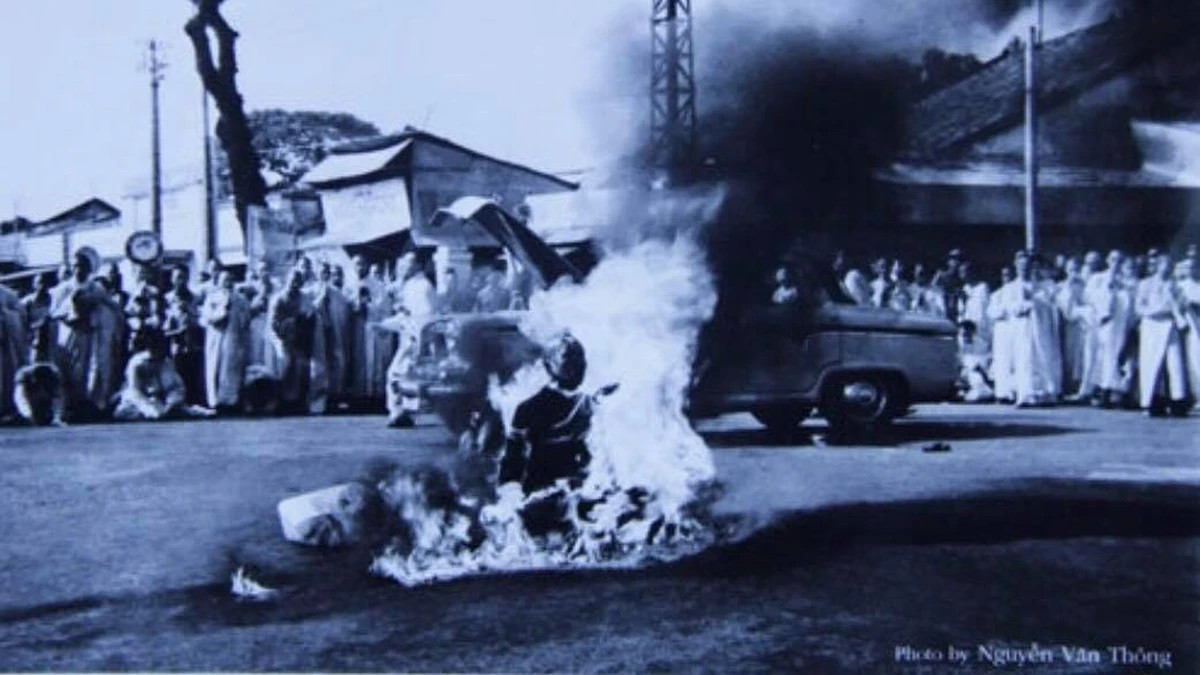
On June 11, 1963, at the intersection of Le Van Duyet and Phan Dinh Phung streets in Saigon - today the intersection of Cach Mang Thang Tam and Nguyen Dinh Chieu streets in Ho Chi Minh City - Venerable Thich Quang Duc set himself on fire in protest against the persecution of Buddhists by the Republic of Vietnam government.
In his final statement before his spirit departed with the smoke, he wrote: “Before closing my eyes and entering the Buddha’s realm, I respectfully appeal to President Ngo Dinh Diem to show compassion and charity toward the people and to implement a policy of religious equality in order to preserve the nation forever. I earnestly call upon venerables, monks, nuns and Buddhist followers to unite and sacrifice themselves to protect Buddhism.”
After approximately 15 minutes of calm meditation within the flames, the remains of Thich Quang Duc were taken to Xa Loi Pagoda for funeral rites. Although his body was later cremated again, his heart reportedly remained intact.
The relic heart was subsequently placed in a glass container at Xa Loi Pagoda and is now preserved at Viet Nam Quoc Tu in Ho Chi Minh City.
Expressing admiration for the courageous sacrifice, President Ho Chi Minh commemorated Thich Quang Duc with a pair of couplets praising his immortal legacy and unwavering spirit.
Photographer Nguyen Van Thong, who captured the historic image, later reflected on the moment: “It was the act of a warrior - a fearless Buddhist warrior fighting for peace for humanity.”
The event deeply moved people throughout Vietnam and around the world, regardless of religious affiliation.
From an eternal flame to the spirit of Buddhism today
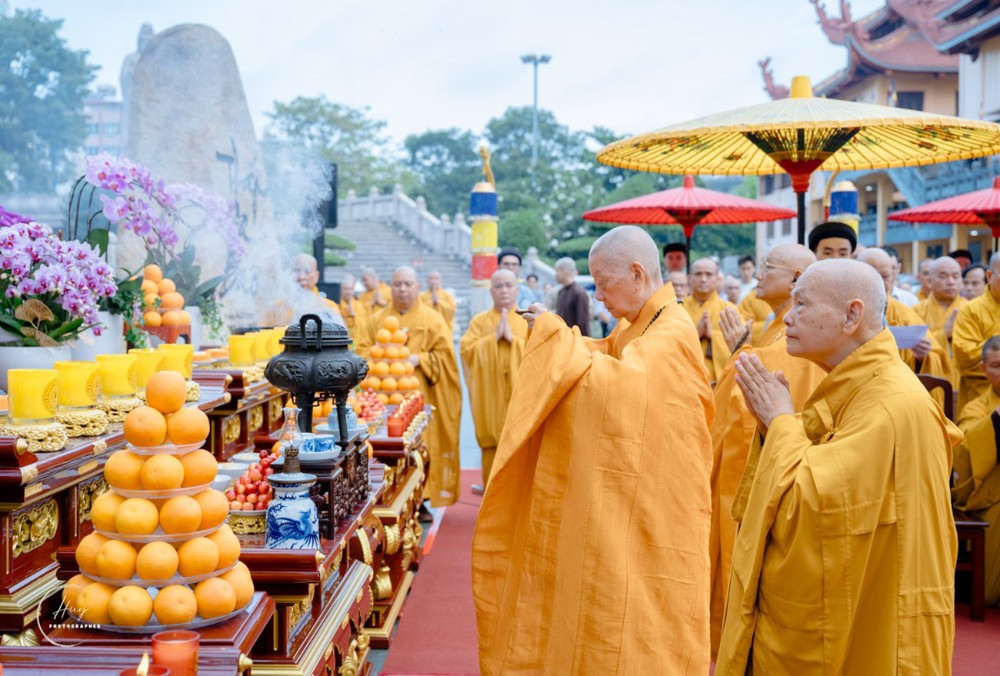
Every year following the Vesak season, temples across Vietnam solemnly commemorate Venerable Thich Quang Duc.
Amid temple bells, incense and moments of silent reflection, the events of June 11, 1963 are remembered as a lasting affirmation of Buddhism’s commitment to engaging with society and alleviating suffering.
According to a report by the Executive Council of the Vietnam Buddhist Sangha, as of December 2025 Buddhism in Vietnam had 19,544 places of worship, nearly 60,000 monks and nuns, and close to 60 million followers and admirers.
Throughout the nation’s history, Vietnamese Buddhism has accompanied the people and contributed significantly to national defense, nation-building and social development.
Buddhism is not present only in temples, rituals or sacred chants. It is also reflected in how people live mindfully, show compassion, do what is right and place community interests above their own.
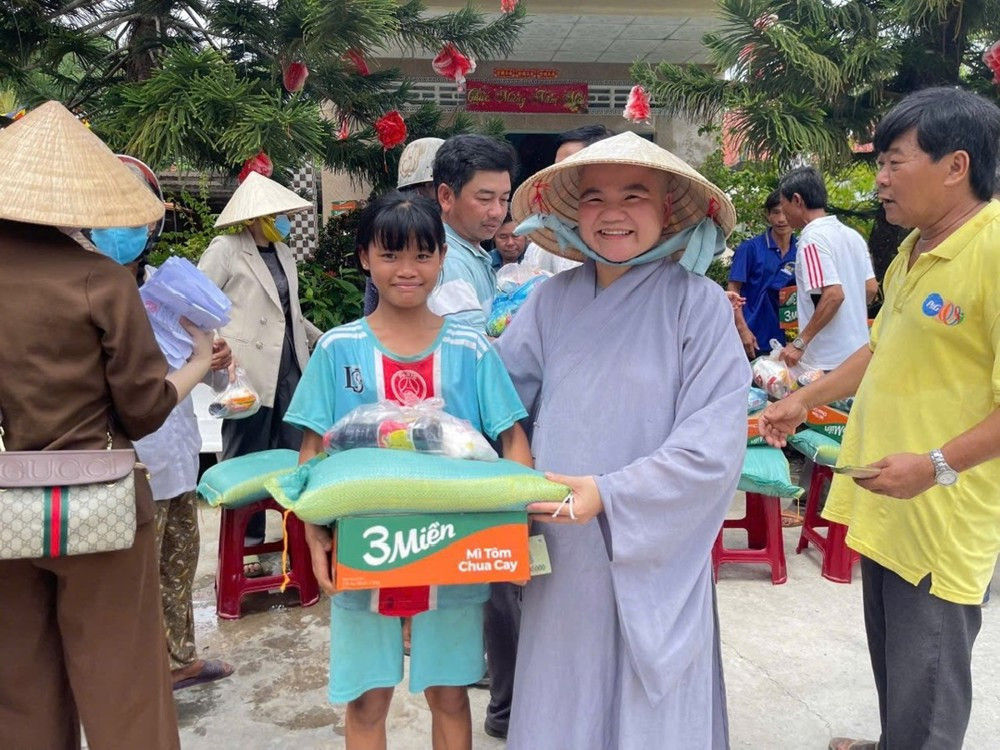
If the flame of 1963 symbolized sacrifice for both Buddhism and the nation, Buddhism today continues that spirit through practical action: supporting social welfare, nurturing moral values, promoting compassion and accompanying the country in strengthening national unity.
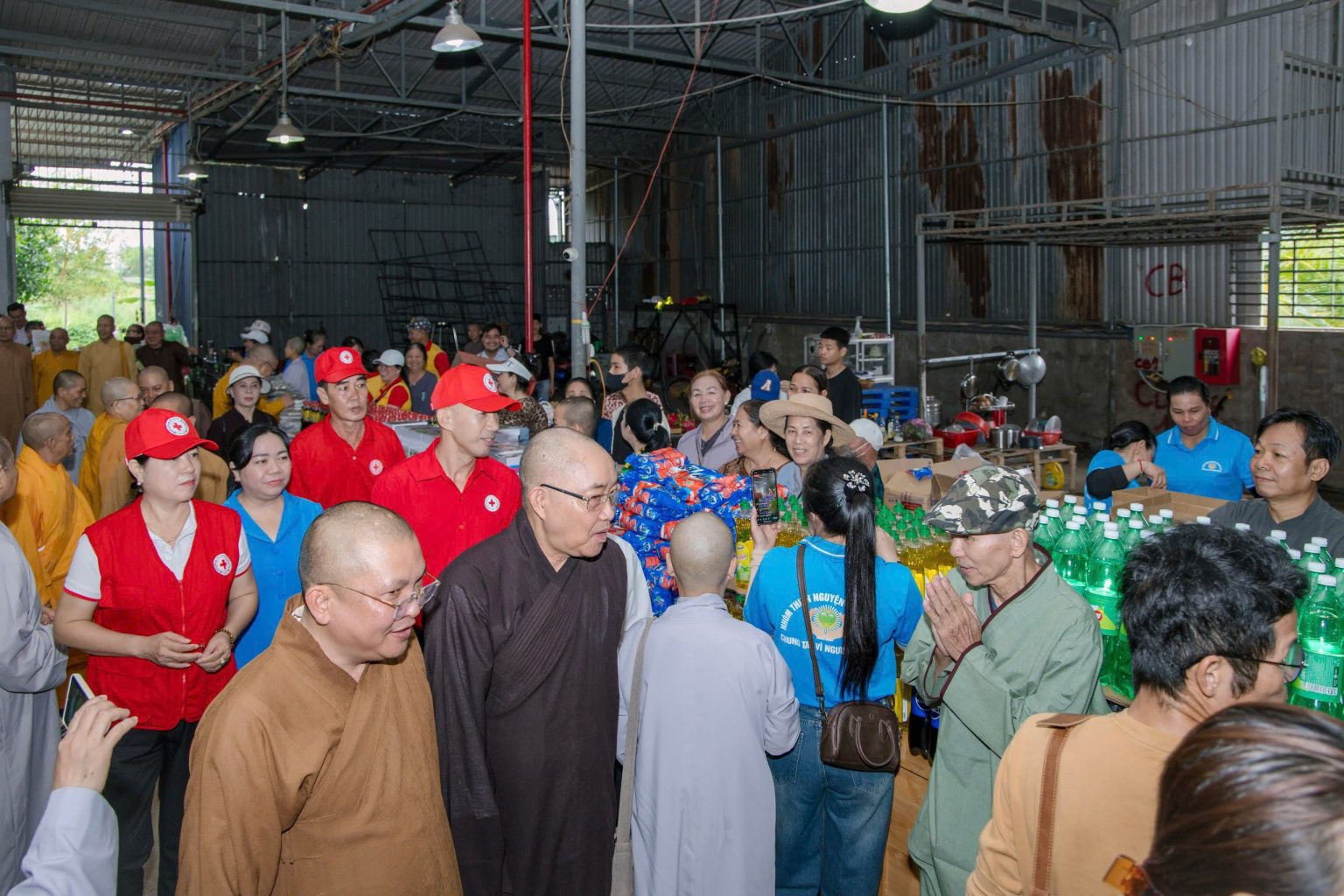
As of November 2025, the Vietnam Buddhist Sangha had contributed a total of VND 4.85 trillion (USD 186.5 million) to social welfare programs, building a comprehensive and multi-layered social support model.
These activities extend far beyond charity. They represent a long-term strategy for community development.
The construction of 2,347 charity houses, the distribution of 156,000 scholarships, the building of 412 rural bridges and the drilling of 1,280 water wells have addressed immediate needs while creating foundations for sustainable development.
Particularly during the Covid-19 pandemic, Buddhism demonstrated its organizational capacity through 1,247 support points that distributed 8.6 million free meals and contributed VND 380 billion (USD 14.6 million) to the national vaccine fund.
The Sangha has also funded the renovation and construction of 47 schools in disadvantaged, mountainous, border and island areas.
A total of 5,680 vocational training classes have been organized to support career development for Buddhists and local residents nationwide, particularly in traditional craft villages, while helping preserve cultural landscapes linking pagodas, communal houses and local trades.
Vietnamese Buddhism has evolved from the historic tradition of “protecting the nation and serving the people” into a force that helps shape values, character and humanity across generations.
More than six decades later, the flame of Thich Quang Duc has not faded from the memory of the Vietnamese people.
That flame has moved beyond history to become a beacon of faith, compassion and the pursuit of peace.
Each commemorative season, monks, nuns and Buddhist followers do more than pay tribute to a revered monk who sacrificed himself for the Dharma. They also remind themselves to live more faithfully according to the Buddhist teachings of compassion, selflessness and altruism.
Hong Phuc
.svg)
