 Vietnamnet.vn

 Podcast



A reenactment of the wedding between Princess Ngoc Hoa and Japanese merchant Araki Sotaro more than 400 years ago was vividly brought back to life in Hoi An Ancient Town, drawing large crowds of locals and tourists.
On the evening of May 22, a special outdoor performance recreating the historic wedding took place in Hoi An Ancient Town in Da Nang City.
The activity was part of the 22nd Hoi An - Japan Cultural Exchange, held from May 22 to 24. The reenactment served as one of the festival’s signature highlights, honoring the long-standing cultural and trade ties between Hoi An and Japan.
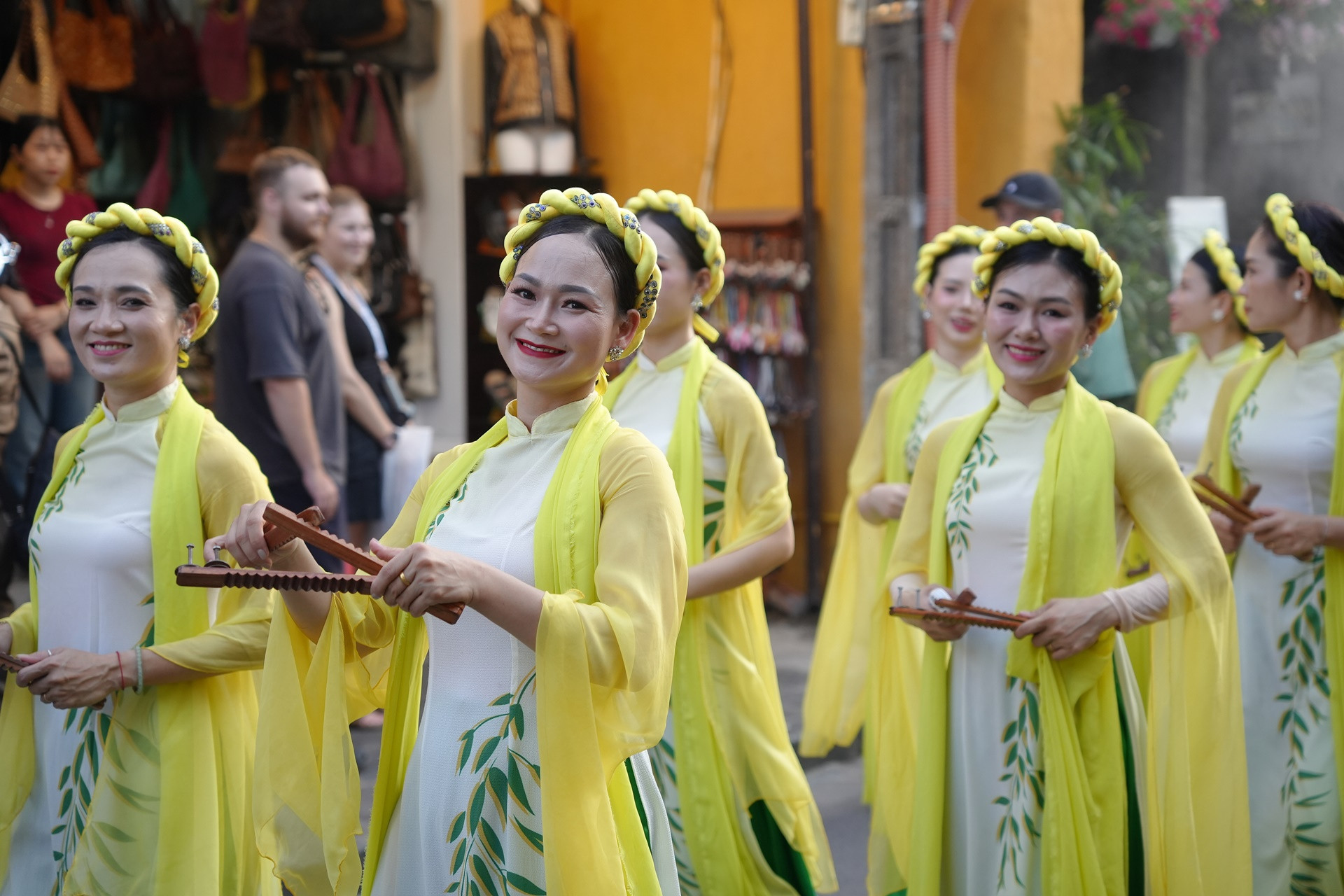
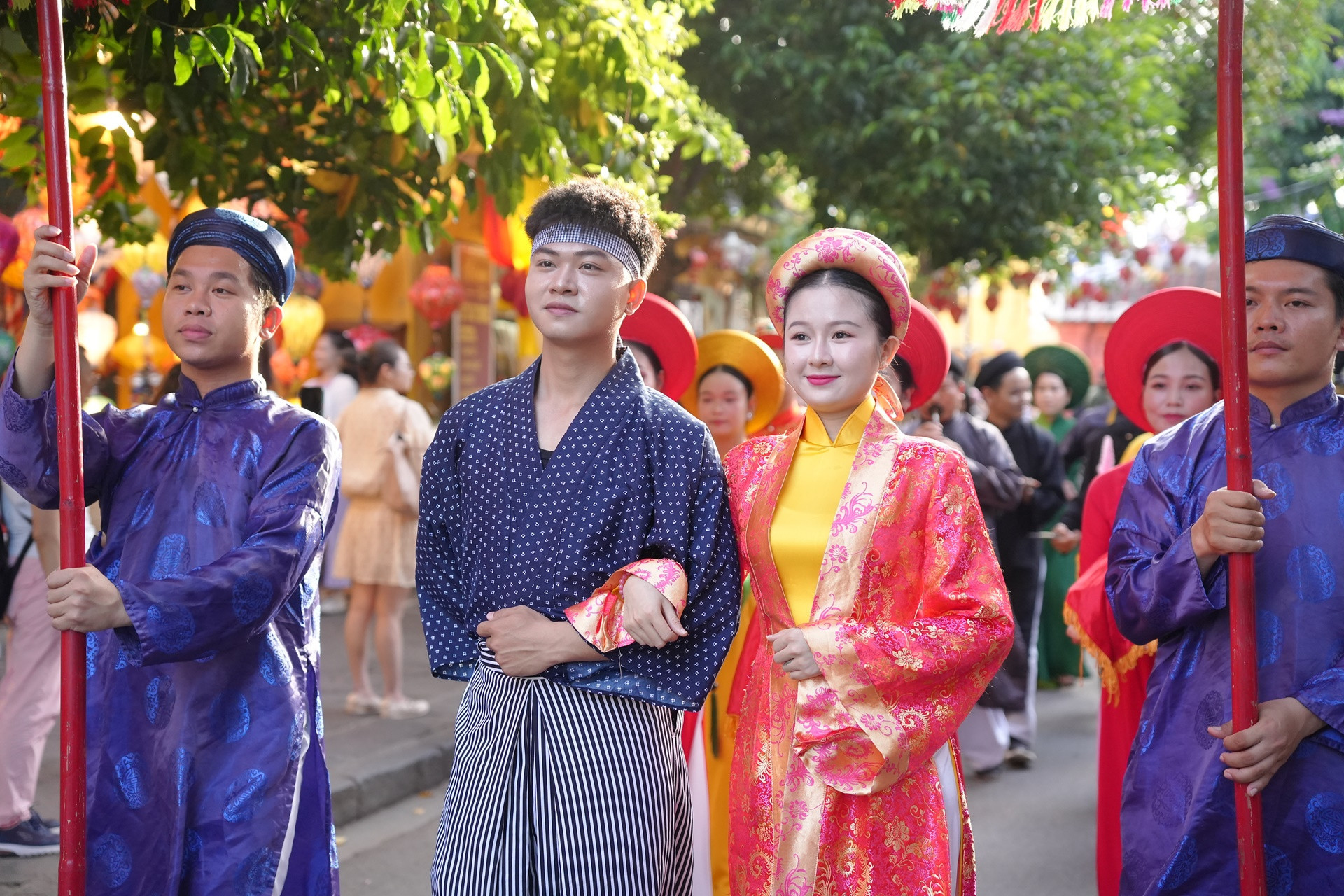
Unlike ordinary festival performances, the wedding reenactment was staged as a large-scale outdoor cultural scene. The bridal procession moved along Princess Ngoc Hoa Street, passing the Wooden Bridge and Bach Dang Street before heading toward a replica of a Shuinsen merchant ship waiting nearby.
Against the ancient backdrop of the Hoai River, the procession - featuring traditional costumes, ceremonial rituals and festive music - created a lively atmosphere that attracted crowds of onlookers.
Along the route, many visitors eagerly raised their phones to film and take photos. Others lingered to closely observe the bride and groom’s costumes, the ceremonial performances and the recreated Shuinsen ship in the heart of the ancient town.
Tran Ngoc Nga, a tourist from Hanoi, said: “The festival activities are truly unique and impressive. The entire ancient town has become vibrant and festive. Through this event, I understand more about the long-standing friendship between Vietnam and Japan.”
Many international tourists were also excited to photograph the wedding procession as it passed by. For them, the experience offered more than sightseeing in Hoi An - it was a chance to witness a 400-year-old historical story retold in a vivid and accessible way.
The story dates back to 1619, when Princess Ngoc Hoa, daughter of Lord Nguyen Phuc Nguyen, married Japanese merchant Araki Sotaro. He owned Shuinsen trading ships that regularly traveled to Dang Trong and was later granted the Vietnamese name Nguyen Hien Hung by the Nguyen Lords.
The marriage is considered a remarkable symbol of the trade and cultural relations between Hoi An and Japan in the early 17th century. A year later, Princess Ngoc Hoa followed her husband to Nagasaki, where local residents affectionately called her Anio.
During her years in Japan, Princess Ngoc Hoa is believed to have introduced elements of Vietnamese culture to the people of Nagasaki. After her husband passed away in 1635, she continued supporting merchants involved in regional trade, helping maintain ties between Nagasaki and Dang Trong.
Today, the Nagasaki Museum of History and Culture still preserves a mirror believed to have belonged to Princess Ngoc Hoa. After her death, she was buried at Daionji Temple in central Nagasaki.
In modern-day Japan, the image of Princess Anio continues to appear during the Nagasaki Kunchi Festival through performances featuring the Shuinsen ship. In Hoi An, her legacy is remembered through Princess Ngoc Hoa Street, which runs along the Hoai River.
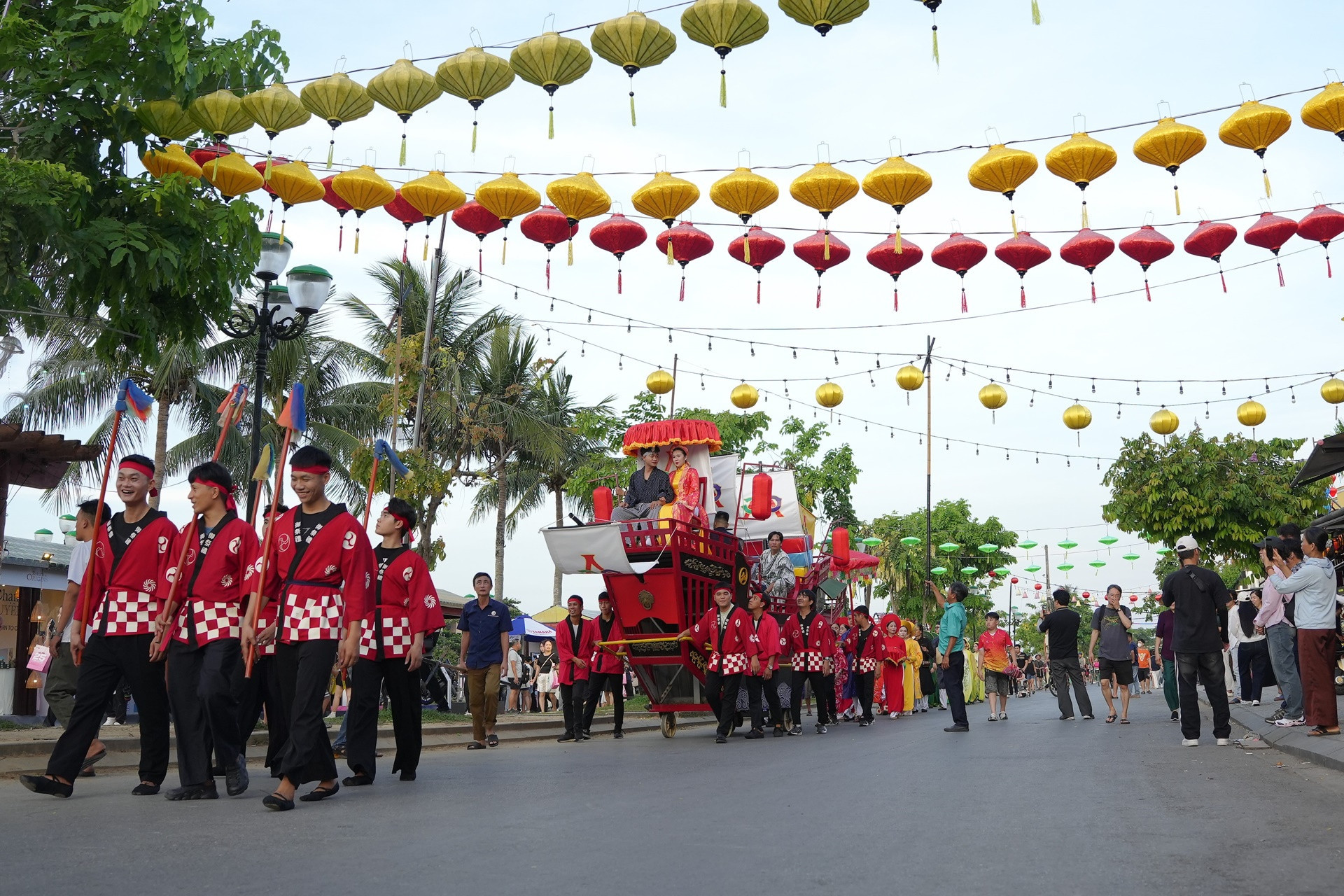
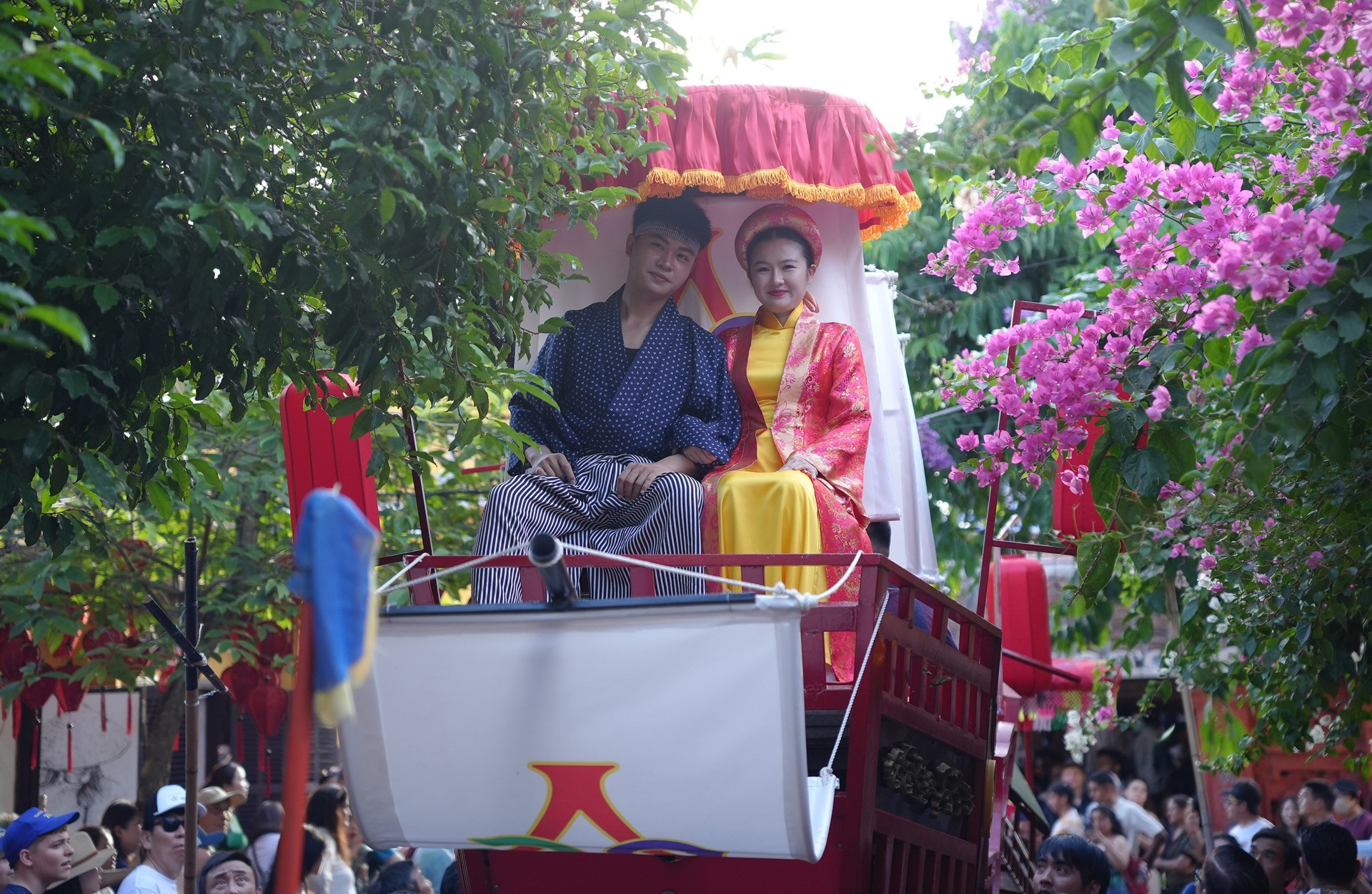
The reenactment of the historic wedding between Princess Ngoc Hoa and Japanese merchant Araki Sotaro drew large crowds in Hoi An Ancient Town.
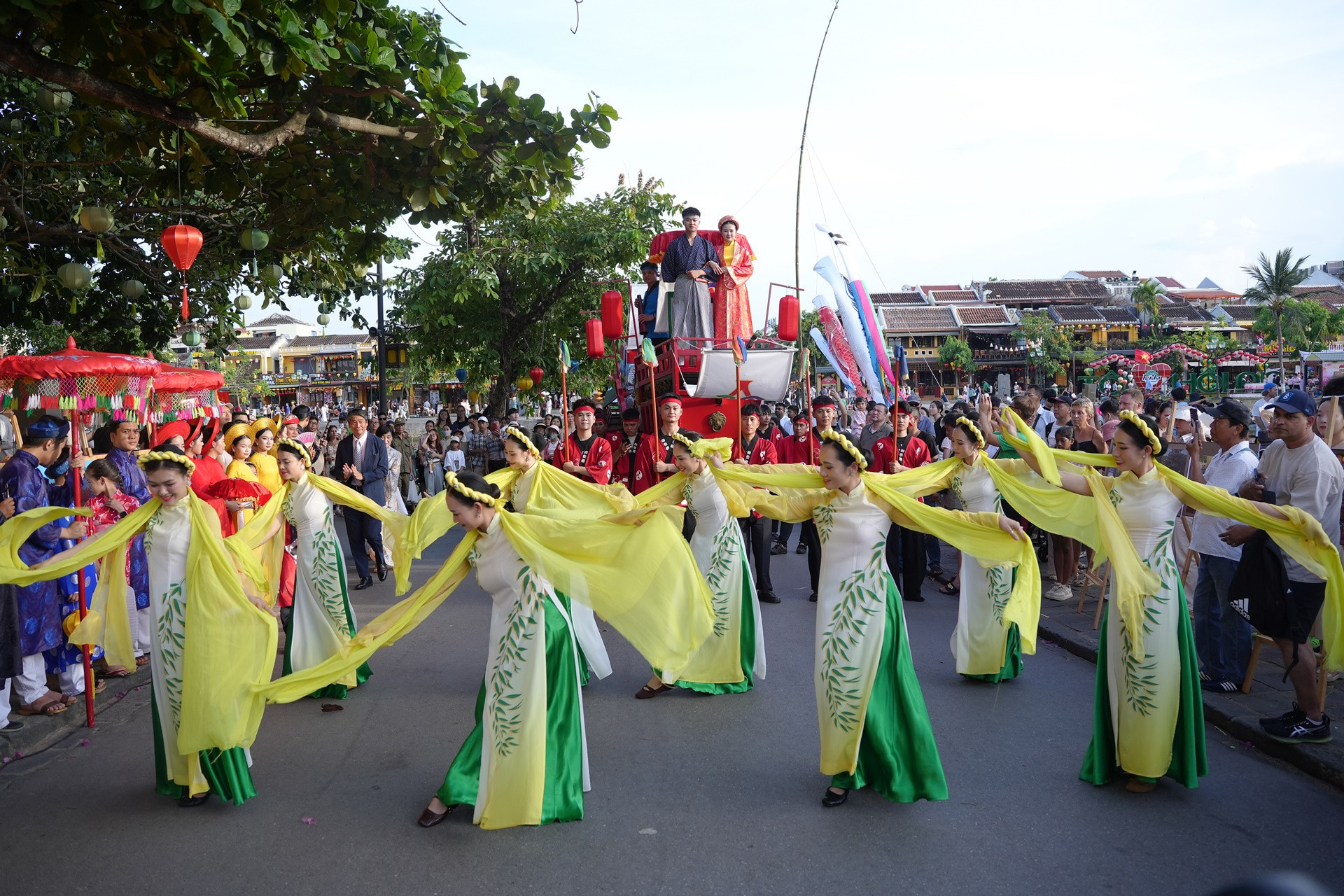
The bridal procession passed through the ancient streets before heading toward a recreated Shuinsen merchant ship.
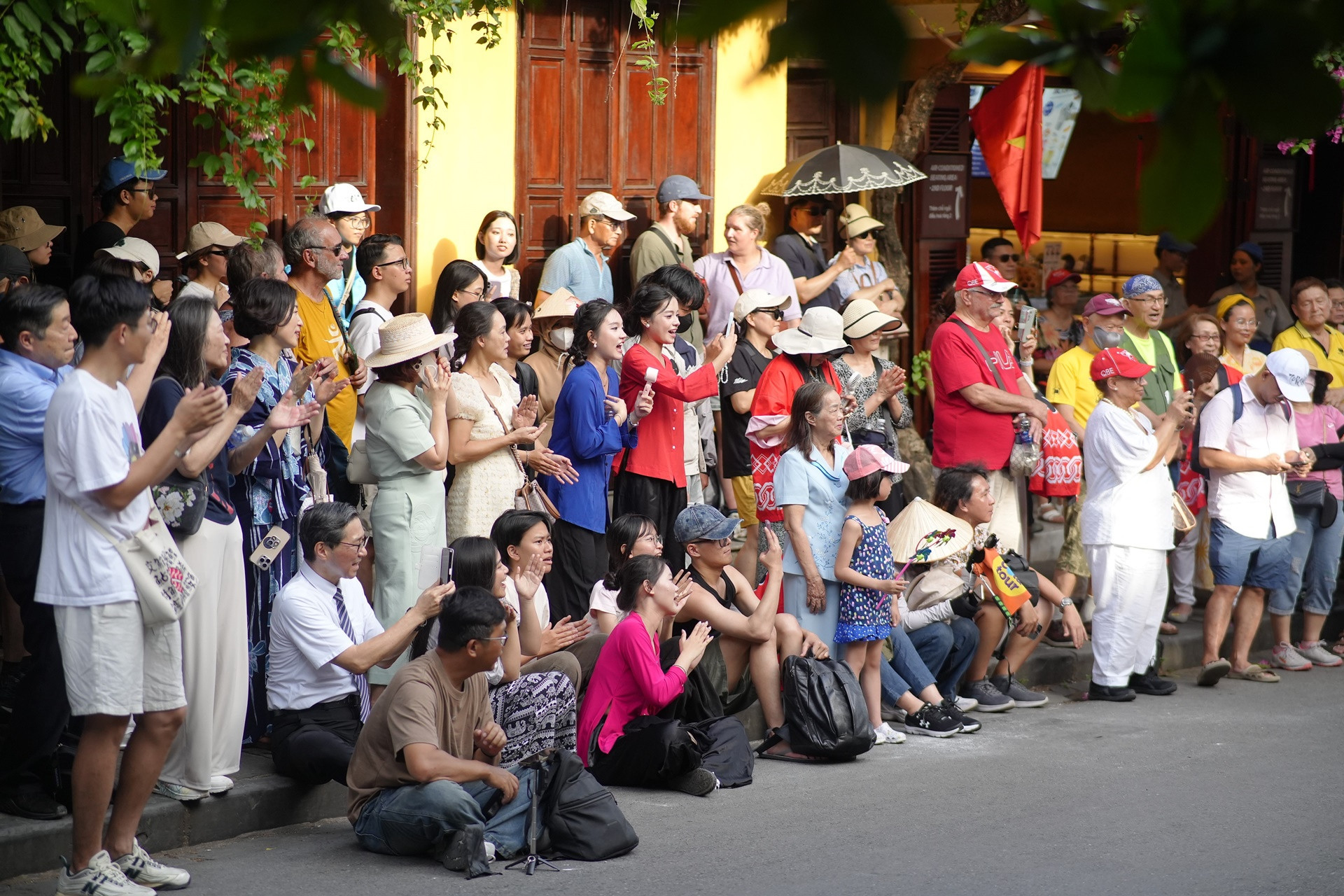
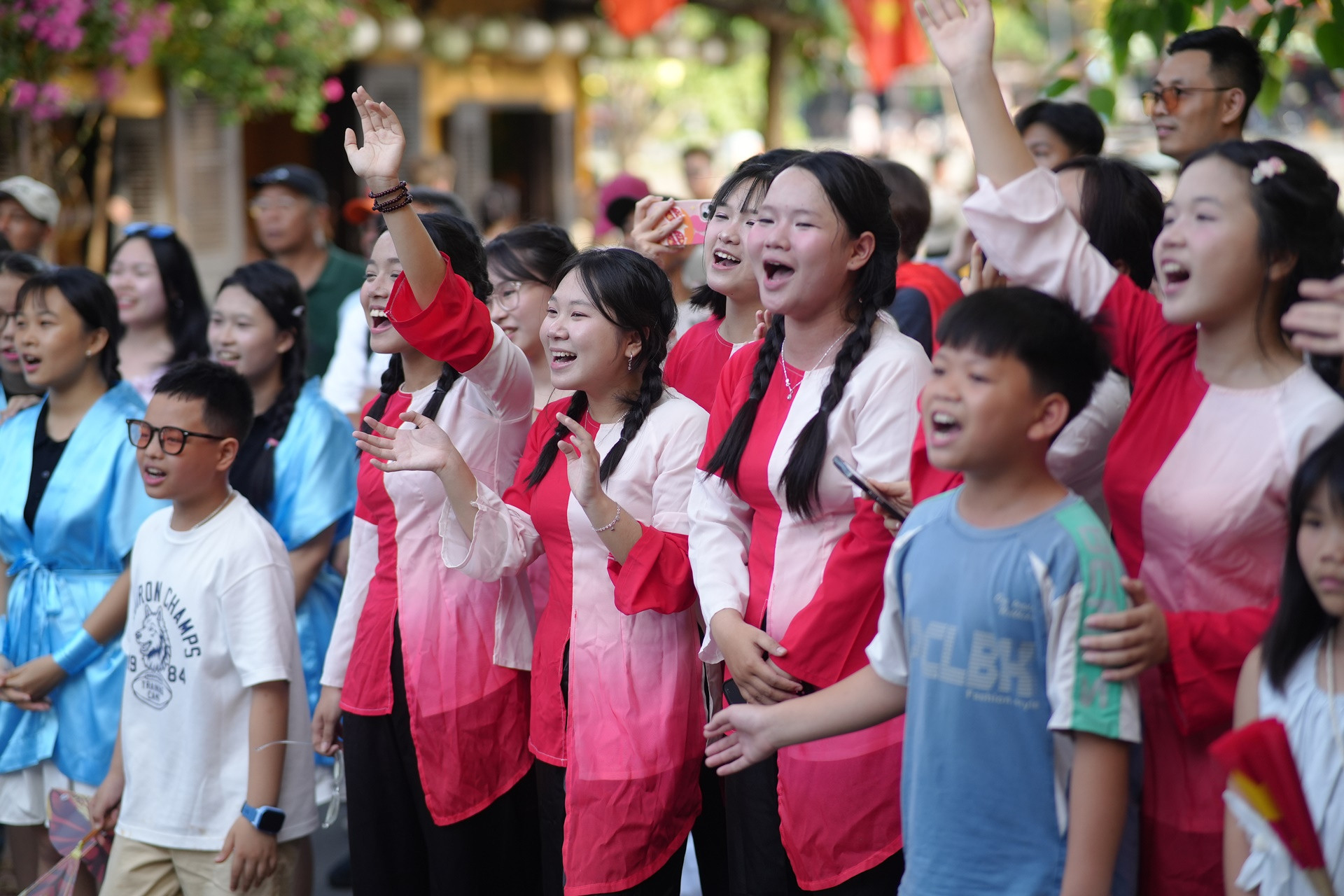
Traditional costumes, music and ceremonial rituals created a festive atmosphere along the Hoai River.
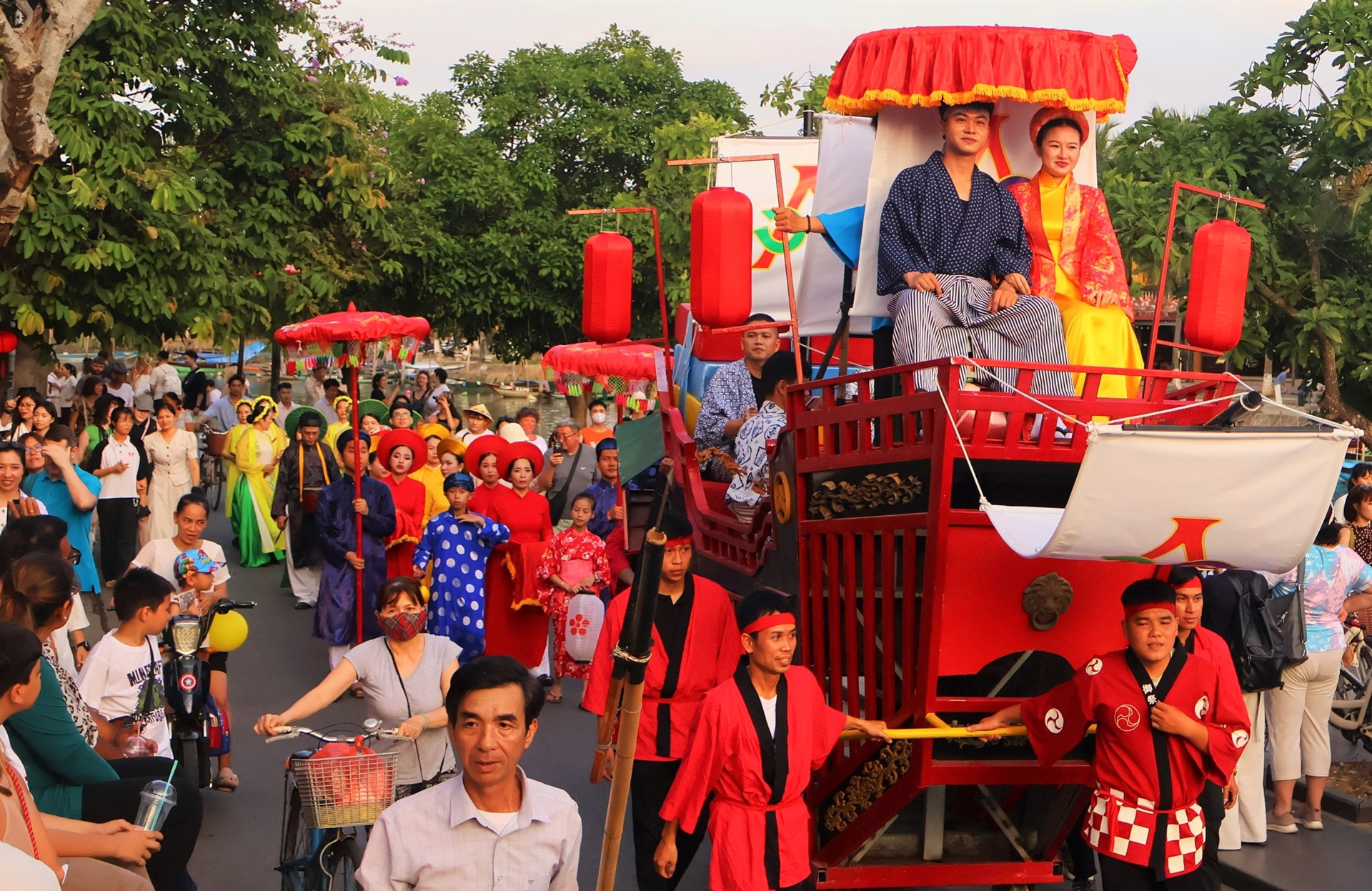
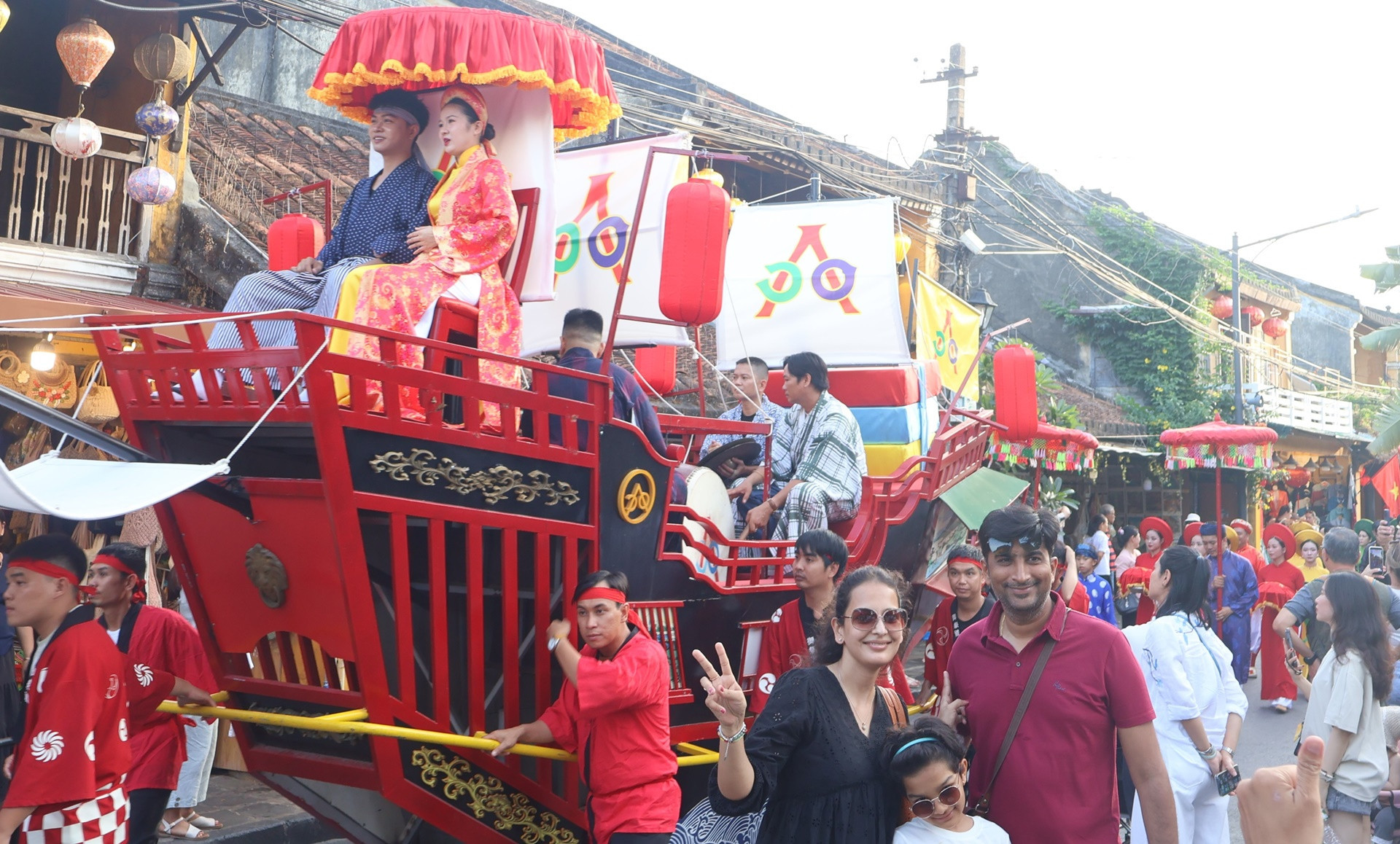
Tourists eagerly stopped to take photos and record videos of the historical reenactment.
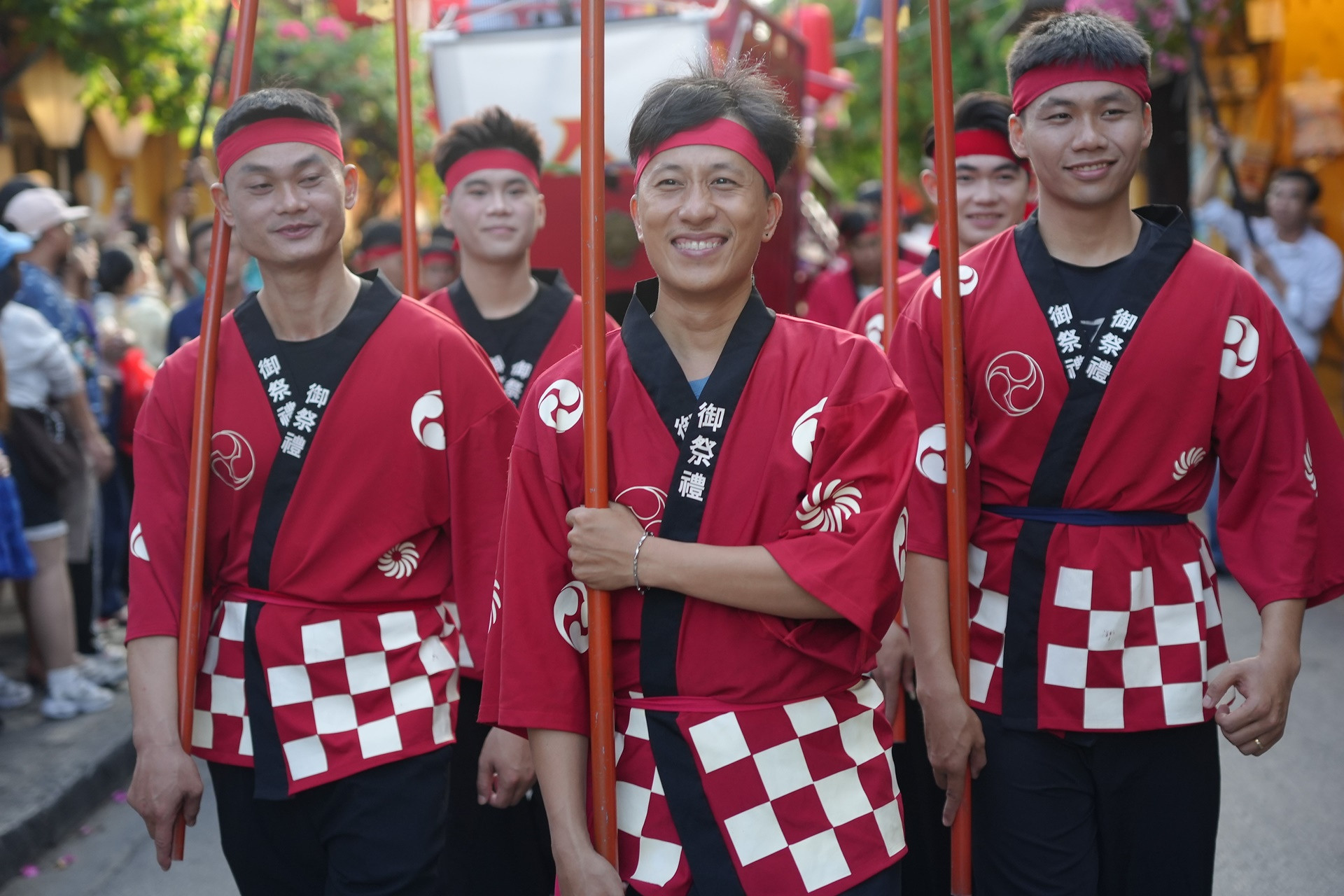
Many international visitors described the event as a unique cultural experience in Hoi An.
Ha Nam
.svg)
