 Vietnamnet.vn

 Podcast



Ho Chi Minh City has launched a 150-day-and-night campaign involving all public and private hospitals, ministry-run hospitals and primary healthcare facilities to provide health screenings for nearly 14 million residents.
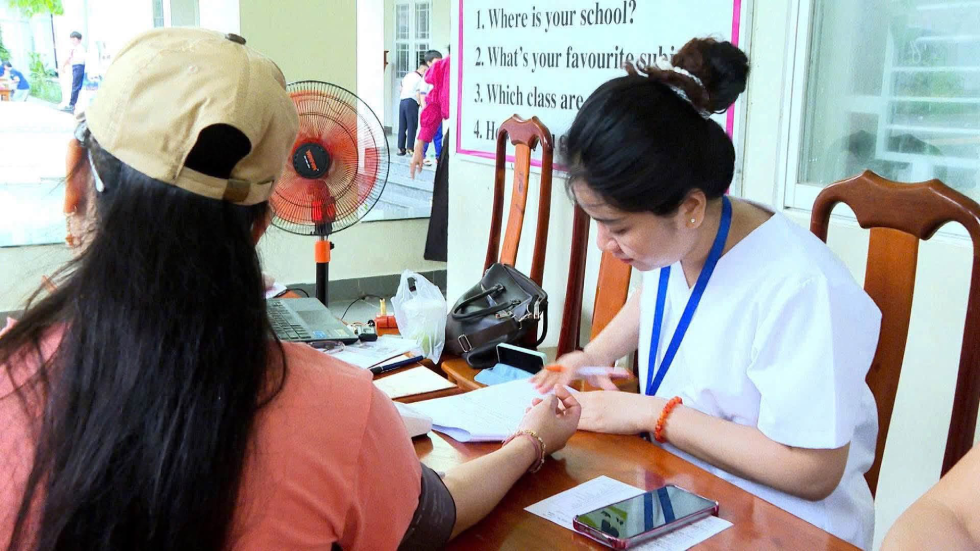
By July 16, one month and 20 days after the Ho Chi Minh City People's Committee issued its universal health screening plan, nearly 550,000 residents had received checkups and had electronic health records created.
To accelerate progress, the municipal Department of Health has finalized a plan connecting the entire examination and treatment network with all 168 communes, wards and special zones across the city.
Under the plan, every public hospital, private hospital, ministry-run hospital, regional medical center, general clinic and health station has been assigned to work with a specific locality throughout the campaign.
Each commune or ward will be served by one or more healthcare facilities, depending on its population. Hospitals will coordinate with local authorities to organize mobile medical teams at health stations, community screening sites or residential areas, making the services as accessible as possible.
This is the first time Ho Chi Minh City has mobilized its entire public and private healthcare system for a preventive health program covering the whole city.
Major hospitals including Cho Ray Hospital, Thong Nhat Hospital, Military Hospital 175 and University Medical Center Ho Chi Minh City are participating in the campaign.
They are joined by the city's leading tertiary hospitals, including Gia Dinh People's Hospital, People's Hospital 115, Trung Vuong Hospital, Nguyen Tri Phuong Hospital and Le Van Thinh Hospital.
Under the plan, local authorities will compile lists of residents, publicize the campaign, encourage participation and arrange screening sites.
Hospitals will send doctors, nurses and technicians to join mobile medical teams, provide professional support, arrange referrals when necessary and continue managing patients with chronic diseases.
After each screening, all results will be added to the resident's electronic health record, laying the foundation for continuous health management while advancing digital transformation in the healthcare sector.
Associate Professor Tang Chi Thuong, MD, PhD, director of the Ho Chi Minh City Department of Health, said healthcare facilities had been instructed to establish dedicated health screening areas separate from those used for regular examinations and treatment.
The screenings will be provided free of charge, regardless of residents' registered place of residence, to make the program easily accessible.
To meet the goal of screening the entire population in 2026, the Department of Health has instructed local authorities to apply a "reverse time management" method. Monthly, weekly and daily screening targets will be calculated based on the number of residents who have yet to receive a checkup.
The intensive 150-day-and-night campaign officially began on July 16.
According to Department of Health leaders, every visit to a healthcare facility will provide an opportunity to identify and add people who have yet to receive a screening, moving the city closer to its goal of ensuring proactive and comprehensive health management for every resident.
Phuong Thuy
.svg)
