 Vietnamnet.vn

 Podcast



The newly amended Resolution 98/2023, passed by the National Assembly on December 11, is expected to unlock new opportunities for Ho Chi Minh City by granting the city autonomy over strategic models such as transit-oriented development (TOD) and free trade zones (FTZ).
On this occasion, VietNamNet spoke with Dr. Tran Quang Thang, Director of the Ho Chi Minh City Institute of Economics and Management, for deeper insights into the urgent significance of this resolution.
A framework still too narrow for a new Ho Chi Minh City?
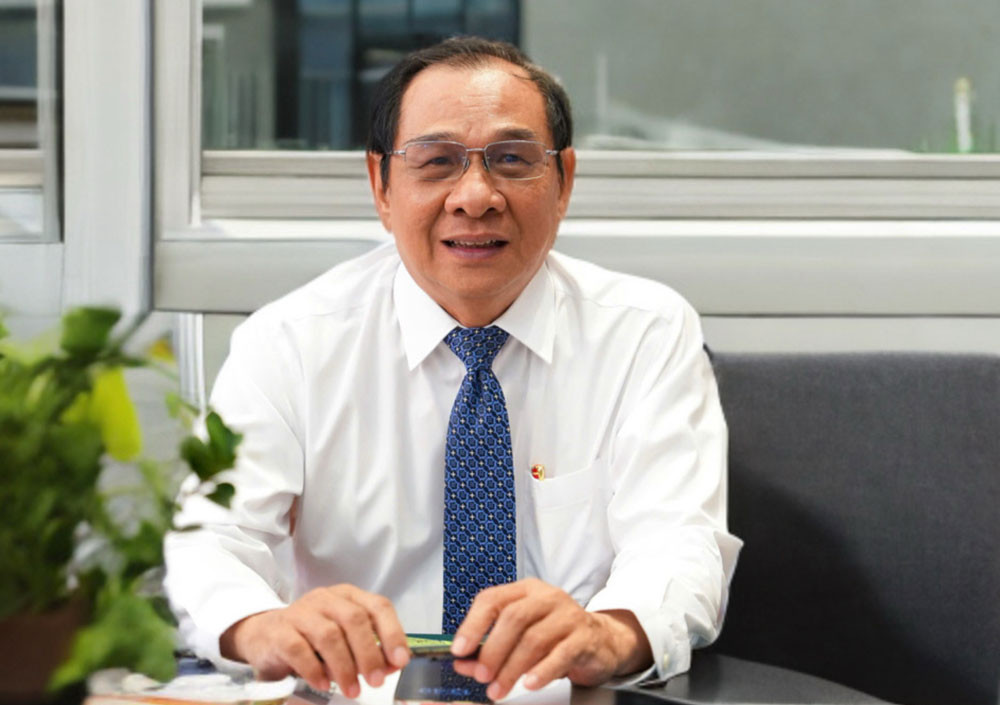
Dr. Tran Quang Thang, Director of the Ho Chi Minh City Institute of Economics and Management. Photo: QN
Looking back, while Resolution 98 has laid some groundwork for projects like Ring Road 3 and public investment reforms, does the city’s current legal framework still feel too restrictive for a “new Ho Chi Minh City”?
Dr. Tran Quang Thang: We cannot deny that Resolution 98 has produced positive early results. It has granted the city more control over investment, planning, and piloting preferential policies to maintain its leading role. However, the progress still falls short of expectations and the intense pressure facing the city.
In practice, despite the appearance of decentralization, many procedures still require back-and-forth approval from central authorities, causing delays.
The root problem lies in scale. With a de facto population of nearly 20 million (including transient residents), contributing 30% of the national budget and a quarter of Vietnam’s GDP, Ho Chi Minh City faces overwhelming pressure on its infrastructure, healthcare, education, and environment.
Without a bold, flexible, and attractive mechanism, we risk not only falling behind regional competitors like Singapore and Bangkok but even lagging domestically. Therefore, revising the two-tier government model to operate more effectively is vital to create a legal corridor for the city to break through and reclaim its leadership.
FTZs as a breakthrough in investment attraction
The proposed FTZ mechanism with a one-stop management model has drawn public interest. What is your view on its significance?
Dr. Thang: I consider this a breakthrough. Our biggest constraints have long been bureaucratic procedures and overloaded infrastructure. FTZs with one-stop-shop governance directly address both issues.
First, in terms of investment attraction, FTZs allow flexible tax policies and cost reductions for businesses. More importantly, the one-stop model means investors deal with only one agency, cutting approval times and boosting confidence for multinationals looking to establish headquarters or R&D centers.
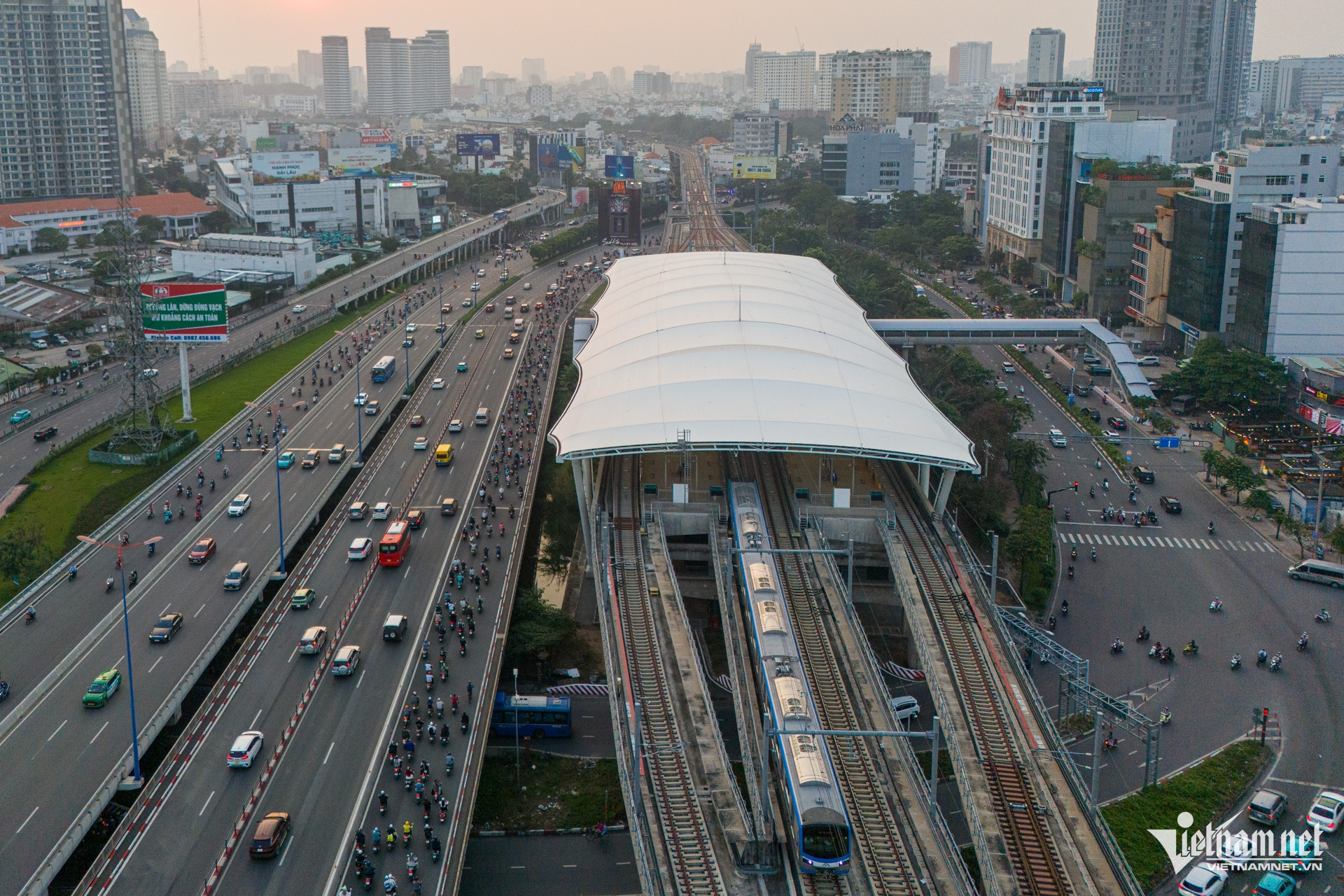
Transit-oriented development (TOD) is a strategic focus in Ho Chi Minh City. Photo: Nguyen Hue
This would allow Ho Chi Minh City to compete on equal footing with financial hubs like Singapore or Kuala Lumpur.
Second, FTZs support economic restructuring. The city can expand beyond traditional manufacturing into logistics, advanced healthcare, high-tech, and financial services. FTZs often come with modern infrastructure like seaports and airports, boosting regional integration with neighboring provinces such as Dong Nai and Long An. Without FTZs, the city’s ambition to become an international commercial center would be extremely difficult to realize.
TOD as the answer to capital shortages for infrastructure
If the city is allowed to independently recover land, compensate residents, and reinvest 100% of TOD land value gains into transport infrastructure, could that solve the capital shortage for projects like the metro or ring roads?
Dr. Thang: This is a strategic mechanism, encapsulated in the phrase “infrastructure funds infrastructure.”
Metro, BRT, and ring road projects often stall due to delays in land clearance and lack of funding. TOD separates land compensation from other processes, expediting the clean land stage significantly.
More importantly, as transport infrastructure is developed, surrounding land values rise. Allowing the city to retain 100% of the added value to reinvest in transportation creates a sustainable financial loop - reducing dependence on the central budget or ODA.
This model has been very successful in cities like Tokyo and Seoul, not only solving capital issues but also shaping dense, modern urban areas around transit stations. This reduces car dependence, easing traffic and pollution. It's a transparent, efficient approach where people can see land revenues being used for public benefit.
Raising the bar for strategic investors
Will stricter criteria on investor financial capacity and experience deter investment?
Dr. Thang: On the contrary, I believe such rigor is essential to improve investment quality. We've seen too many failed or suspended projects due to underqualified investors who pitched grand plans and then vanished.
Setting clear criteria for equity, capital mobilization, and international experience helps screen investors from the start. We need true “leading cranes” - strong corporations capable of self-financing and managing complex projects like metros or FTZs.
By setting a high bar, we send a message of professionalism and seriousness. This doesn’t discourage real investors - it builds trust. They want a fair, transparent, rules-based playing field, not one driven by favoritism. Only with this approach can billion-dollar mega-projects realistically be completed on time.
A new vision for Ho Chi Minh City’s governance and structure
With these revisions, how do you envision Ho Chi Minh City’s future management and urban landscape?
Dr. Thang: My biggest hope is that the revised resolution will create a new “management ecosystem” where the city is empowered to resolve bottlenecks swiftly.
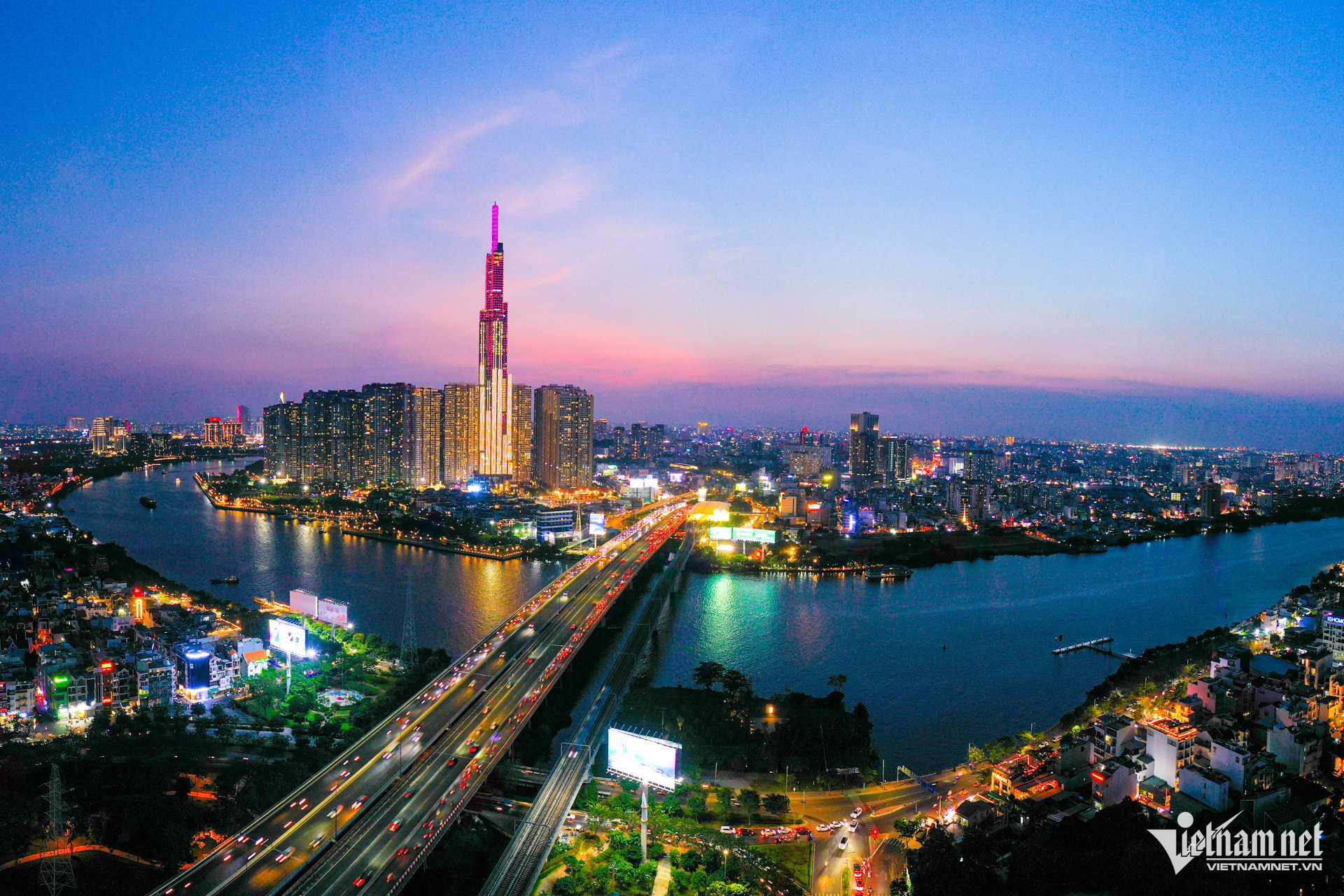
We will clearly see the formation of “three growth poles”: the central core as the financial-commercial nucleus; Thu Duc emerging as a hub for innovation and technology; and the southern corridor - Can Gio and Nha Be - linked to Long An and Tay Ninh, evolving into a gateway for logistics, seaports, and green infrastructure.
With tools like TOD, FTZs, and selective investor mechanisms, the city will have the resources to realize its master plan. This is the foundation and opportunity for Ho Chi Minh City to rise as a true leading megacity in Southeast Asia.
Quoc Ngoc
.svg)
