 Vietnamnet.vn

 Podcast



Before the recent administrative expansion, the city had identified nine major traffic bottlenecks and 22 locations that experienced severe congestion during peak hours. Following the merger, the enlarged urban area has seen both congestion and traffic accidents increase.
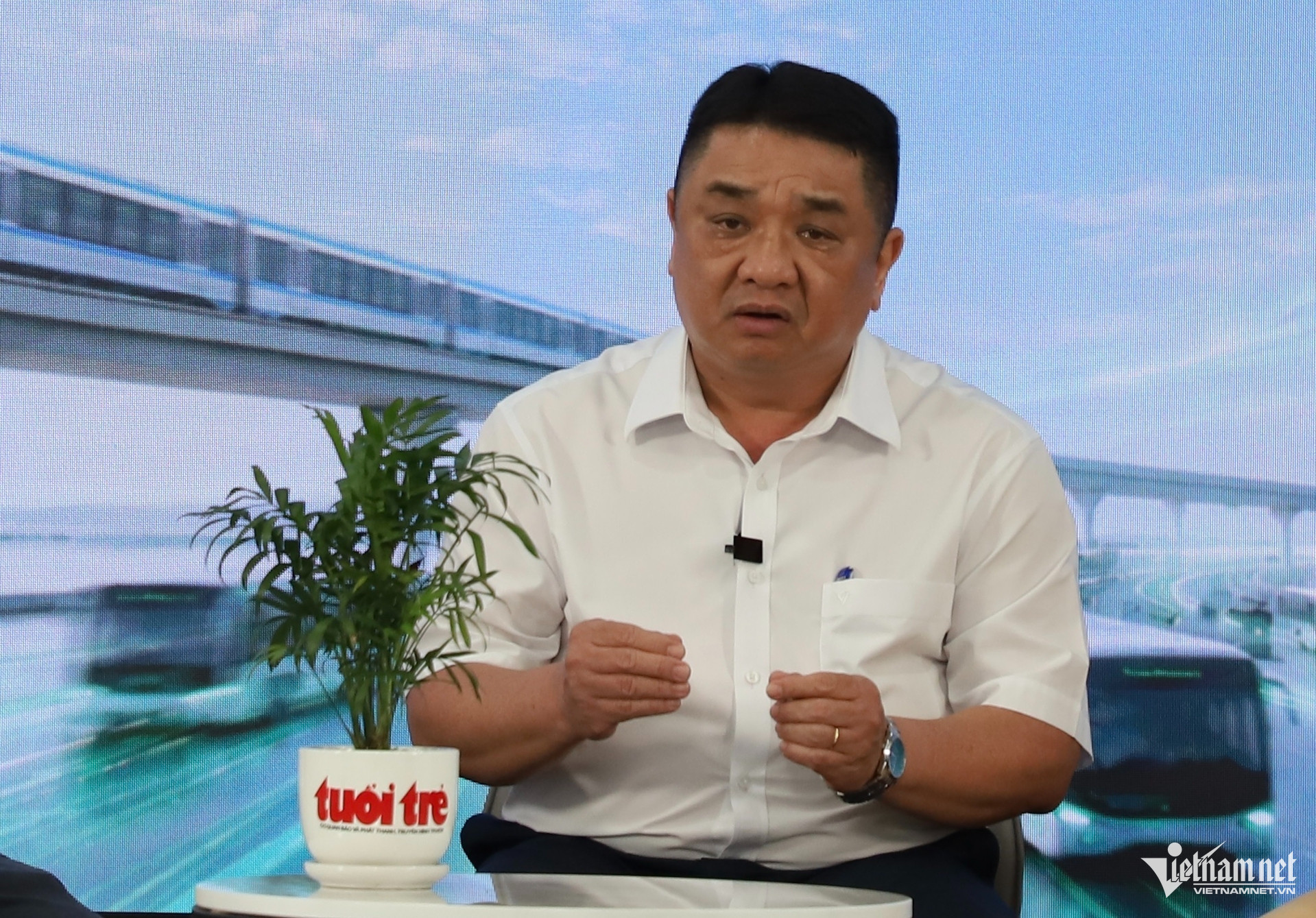
According to Vu Anh Tuan, Director of the Transport Research Center at the Vietnamese-German University, the underlying problem is the growing imbalance between travel demand and transport capacity.
Road infrastructure is expanding by only about 1% annually, while the number of private vehicles is increasing by roughly 10% each year.
"This imbalance means congestion cannot be solved unless infrastructure development goes hand in hand with managing private vehicle growth and encouraging a shift toward public transportation," he said.
Public transport also remains underdeveloped. Ho Chi Minh City currently operates fewer than 300 buses per one million residents, far below Bangkok's approximately 900 buses per million people, alongside 20–30 kilometers of metro lines per million residents.
Public transport must become more attractive
Pham Ngoc Dung, Director of the city's Public Transport Management Center, said changing commuting habits will take time because motorcycles remain deeply embedded in daily life.
Many residential areas are connected by narrow alleyways where motorcycles offer unmatched flexibility, while existing road conditions limit bus operations.
He said people are unlikely to abandon motorcycles simply because of new regulations.
Small buses and seamless metro connections
Transport experts outlined three long-term priorities for reducing congestion:
Optimize travel demand through better urban planning.
Shift more passengers to high-capacity public transport.
Improve the efficiency of existing transport infrastructure.
Vu Anh Tuan said transit-oriented development (TOD) should become the foundation of future urban planning by locating housing, workplaces and services closer together and integrating them with metro stations and feeder bus networks.
Dung said convenience will determine whether people embrace public transport.
A citywide policy offering free fares on 134 bus routes attracted more than 8.48 million passenger trips in July 2026, a nearly 39% increase from a year earlier.
The city now plans to introduce smaller buses capable of serving narrow alleyways and pilot demand-responsive transport services to connect neighborhoods with metro stations.
Authorities also intend to synchronize bus schedules with metro operations, particularly by expanding late-night services after 10 p.m. to accommodate passengers using Metro Line 1.
Other priorities include improving pedestrian access within a 300–500-meter radius of major transit hubs and integrating ticketing across buses, metro, water buses and public bicycle services through the MultiGo digital platform.
Officials believe only a fully connected, seamless transport system will persuade more residents to leave private vehicles at home.
Tuan Kiet
.svg)
