 Vietnamnet.vn

 Podcast



Ho Chi Minh City's Department of Culture and Sports is developing a plan to address more than 780 streets with duplicate names or duplicate numbering following the city's administrative restructuring, with the guiding principle of minimizing street name changes to avoid disrupting residents' daily lives.
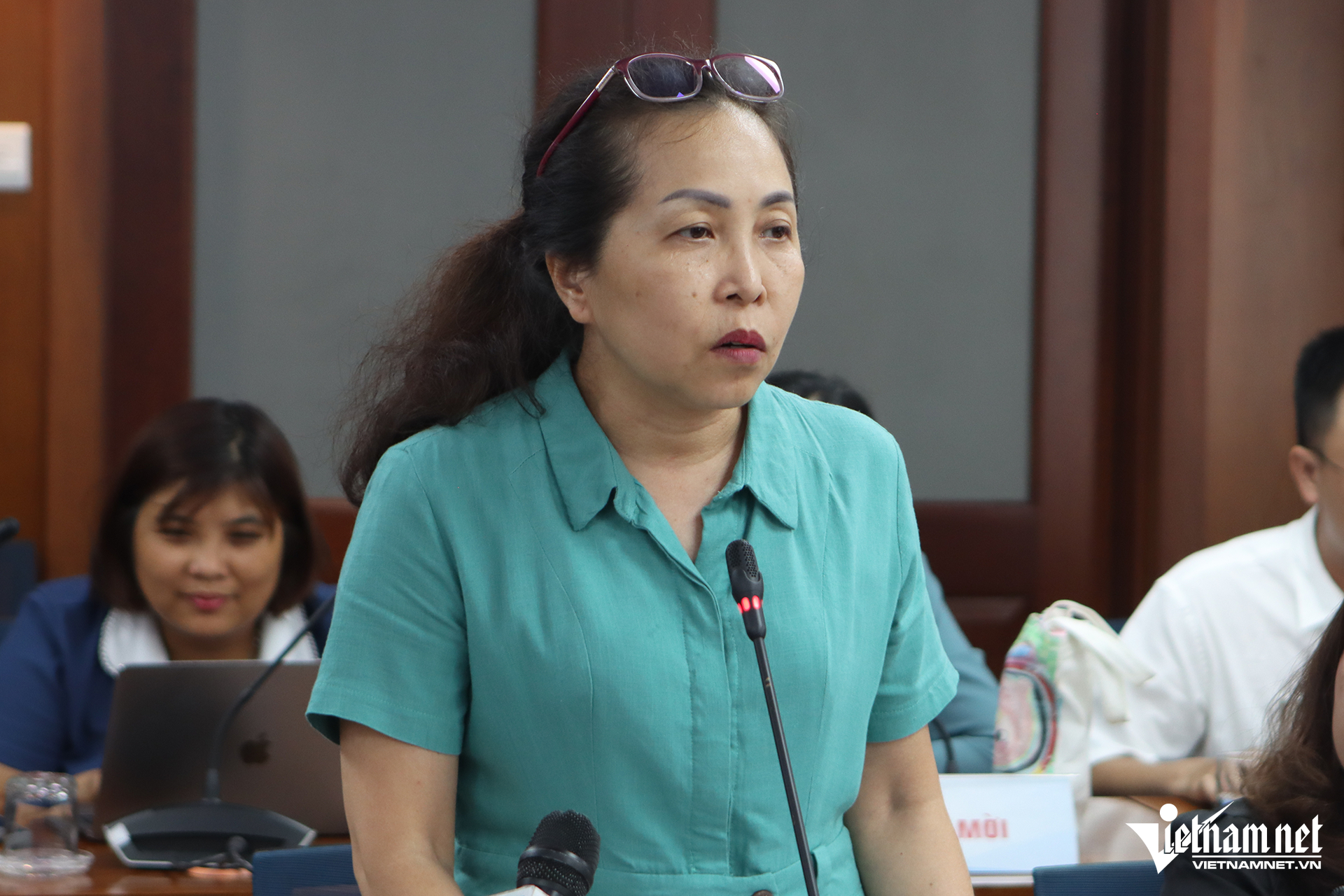
Speaking at the city's socio-economic press briefing on July 30, Vo Thi Hong Ngan, Deputy Head of the Cultural Heritage Management Division under the Department of Culture and Sports, outlined proposed measures to deal with duplicate street names and numbering after the reorganization of administrative units.
According to reports from the city's 168 wards, communes, and special administrative zones, the department identified 35 streets with duplicate names and 747 streets with duplicate numbering.
Ngan said duplicate numbering accounts for the vast majority of cases, while duplicate street names mainly resulted from administrative boundary mergers over different periods.
She noted that the department has traditionally advised only on street naming rather than house numbering. Going forward, it will coordinate with relevant agencies to develop a comprehensive solution for duplicate numbering.
Preserving the city's urban memory
Ngan stressed that any decision to rename streets must be considered carefully to preserve the city's "urban memory" and residents' long-standing familiarity with existing street names.
Under Article 5 of Government Decree No. 91/2005/ND-CP, the city will not rename streets whose names are already widely recognized, closely associated with national or local history and culture, or deeply embedded in public consciousness across generations.
"Street names will only be considered for change if they have no historical or cultural significance, are inconsistent with social values and customs, or commemorate individuals who are not considered representative and whose names may have a negative social impact," Ngan said.
Different approaches for duplicate names and numbering
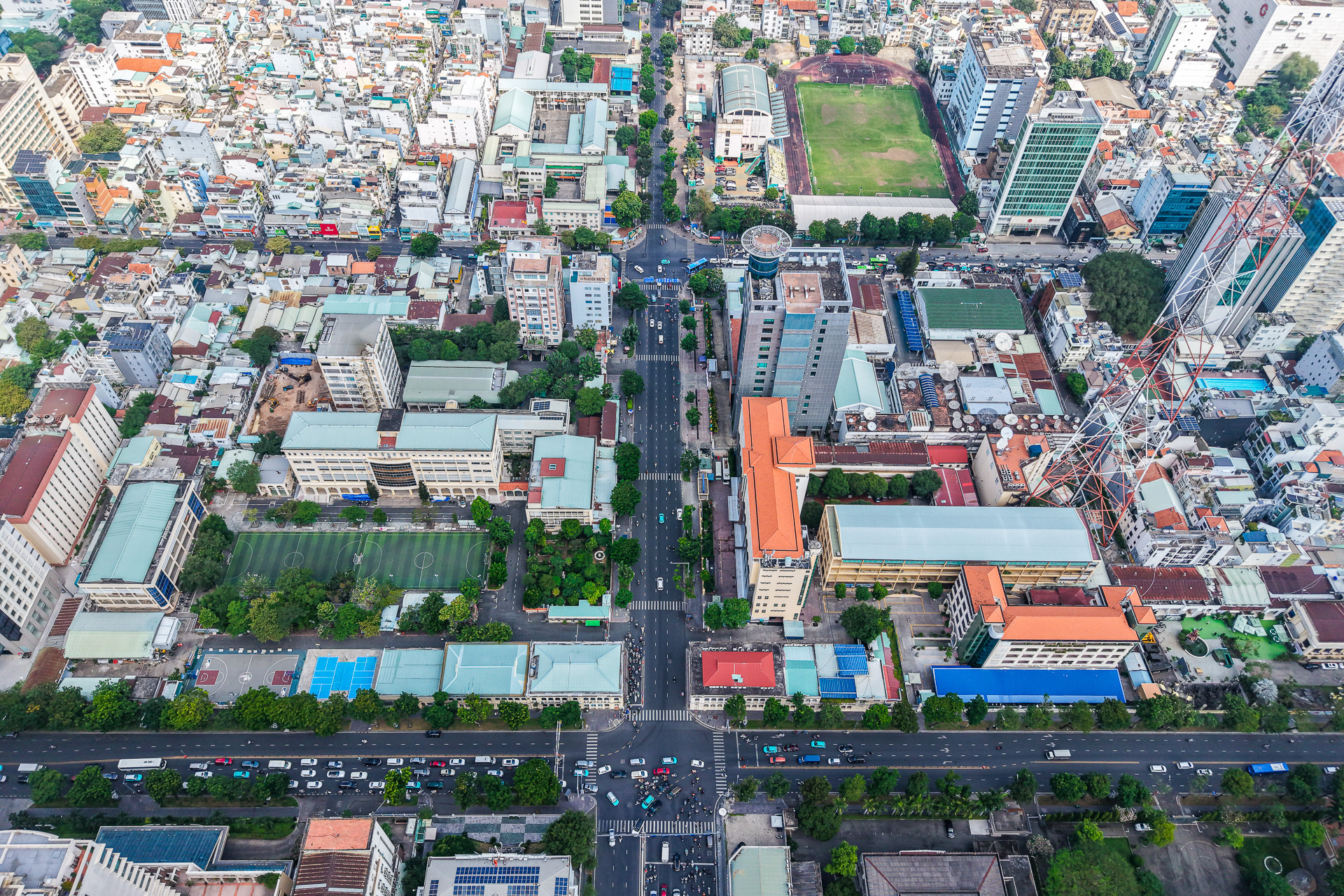
For streets with duplicate names, the department has proposed two approaches.
If streets sharing the same name are located in different wards or communes, their names will remain unchanged.
If duplicate names occur within the same ward or commune, priority will be given to retaining the names of historically significant streets or major thoroughfares with large residential populations in order to minimize disruption for local communities.
For duplicate house numbering within the same administrative area, the department is considering adding prefixes or suffixes to existing addresses as a practical solution.
Local proposals already submitted
Ngan said two wards have already proposed specific solutions.
In Binh Tan Ward, where two separate streets are both named Ho Van Long, local authorities have proposed renaming one of the two roads.
In Cho Quan Ward, two sections of Phan Van Tri Street are separated by a narrow residential passage. The ward plans to connect the two segments through future urban planning, creating a continuous roadway under a single street name.
For the remaining duplicate street names and numbering across the city, the Department of Culture and Sports said it will continue working with relevant agencies to develop appropriate solutions.
Phuoc Sang
.svg)
