 Vietnamnet.vn

 Podcast



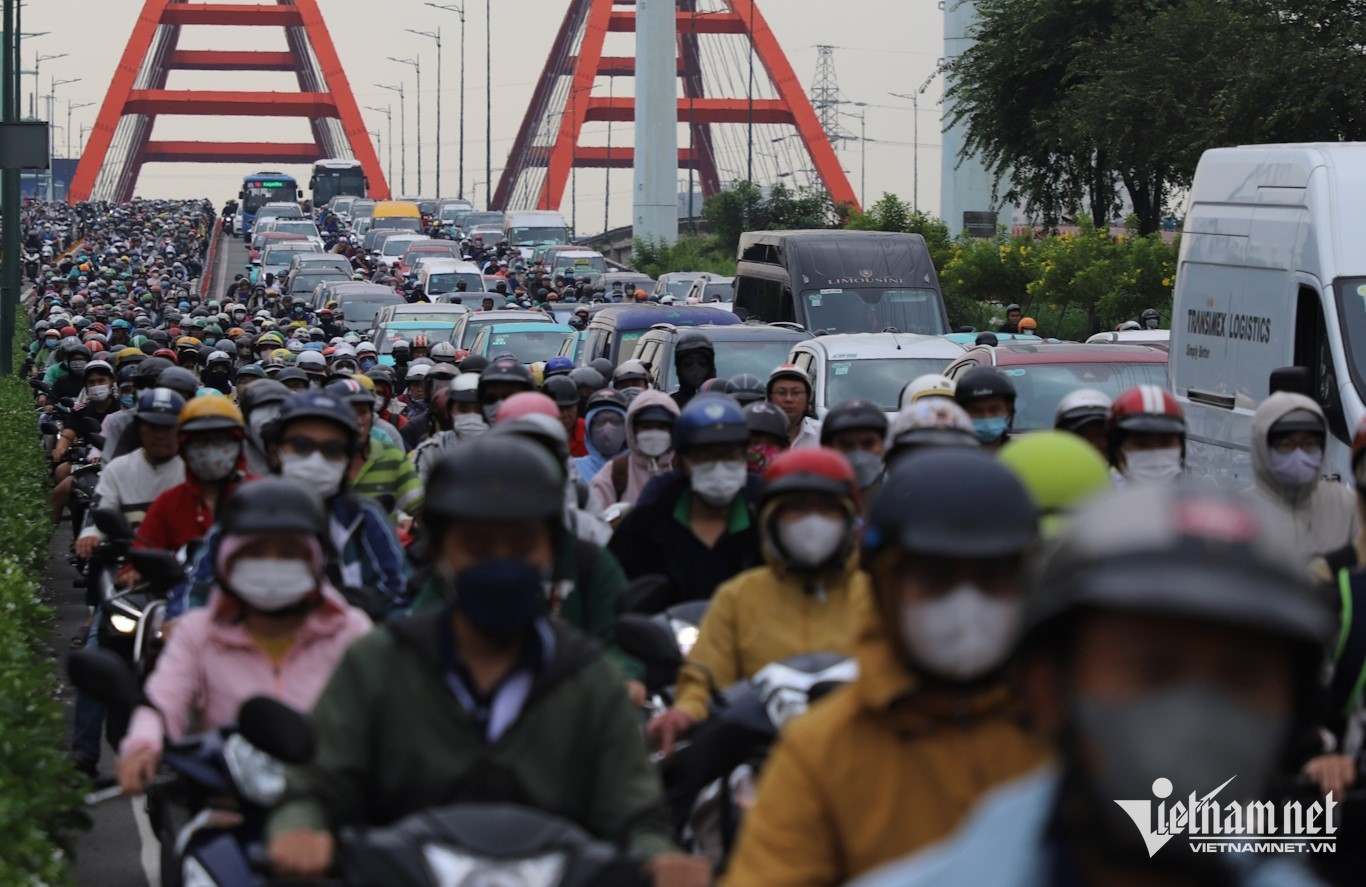
Authorities in Ho Chi Minh City have approved an ambitious action plan to control air pollution for the 2026-2030 period, with a long-term vision to 2045. The plan aims to prevent and reduce pollution, improve air quality, protect public health, and support the development of a green, sustainable city.
Between 2026 and 2030, the city targets a steady annual reduction in PM2.5 concentration, while maintaining the number of days with at least moderate air quality at between 75 percent and 80 percent. At the same time, 95 percent of residents are expected to access environmental information through digital platforms.
In the transport sector, the city sets a clear goal: 100 percent of vehicles, including cars and motorbikes, must be managed and have their emissions controlled in line with the national technical standards roadmap.
By 2030, Ho Chi Minh City aims for all buses and public transport to run on clean or green energy. Authorities will also introduce support mechanisms to encourage ride-hailing and delivery drivers to switch to environmentally friendly vehicles.
In the industrial sector, high-risk pollution sources such as cement, thermal power, steel production, and boilers will face strict monitoring. The plan requires all major emission sources to adopt specific reduction roadmaps.
Construction sites will also be subject to tighter regulations. Vehicles transporting materials must be equipped with GPS and monitoring devices. The city is determined to ensure 100 percent of construction sites comply with covering, vehicle washing, and waste management requirements, while aiming for 500 projects to meet “green construction” standards by 2030.
A key highlight of the plan is the establishment of low-emission zones (LEZ), led by the Department of Construction. These zones are designed to restrict, and eventually ban, vehicles that fail to meet emission standards in critical areas. At the same time, the city will reorganize routes for heavy trucks and implement flexible traffic management at the ward level to reduce localized emissions.
To support the transition, Ho Chi Minh City will introduce incentive mechanisms and promote social participation to help residents and businesses shift from old motorbikes to green vehicles. Policies such as reduced or free public transport fares for students and expanded public bicycle systems will be implemented to encourage sustainable lifestyles.
In industry, facilities in high-pollution sectors will be required to install automatic monitoring systems that transmit data around the clock to authorities. Polluting factories located within inner-city areas will be relocated to free up space for urban green areas.
The city will also deploy satellites, drones, and smart cameras to monitor activities such as waste burning and agricultural residue burning. Serious violations causing environmental pollution will face criminal charges instead of administrative penalties.
In parallel, Ho Chi Minh City will apply AI and Big Data to forecast air quality. If the Air Quality Index exceeds 300 for three consecutive days, an emergency alert system across digital platforms and television will be activated to protect public health.
Tuan Kiet
.svg)
