 Vietnamnet.vn

 Podcast



On Sept. 30, the Ho Chi Minh City Department of Ethnic and Religious Affairs and the Ho Chi Minh City Computer Association jointly organized a workshop on digital transformation in preserving cultural identity and promoting development in ethnic and religious affairs, drawing more than 200 participants.
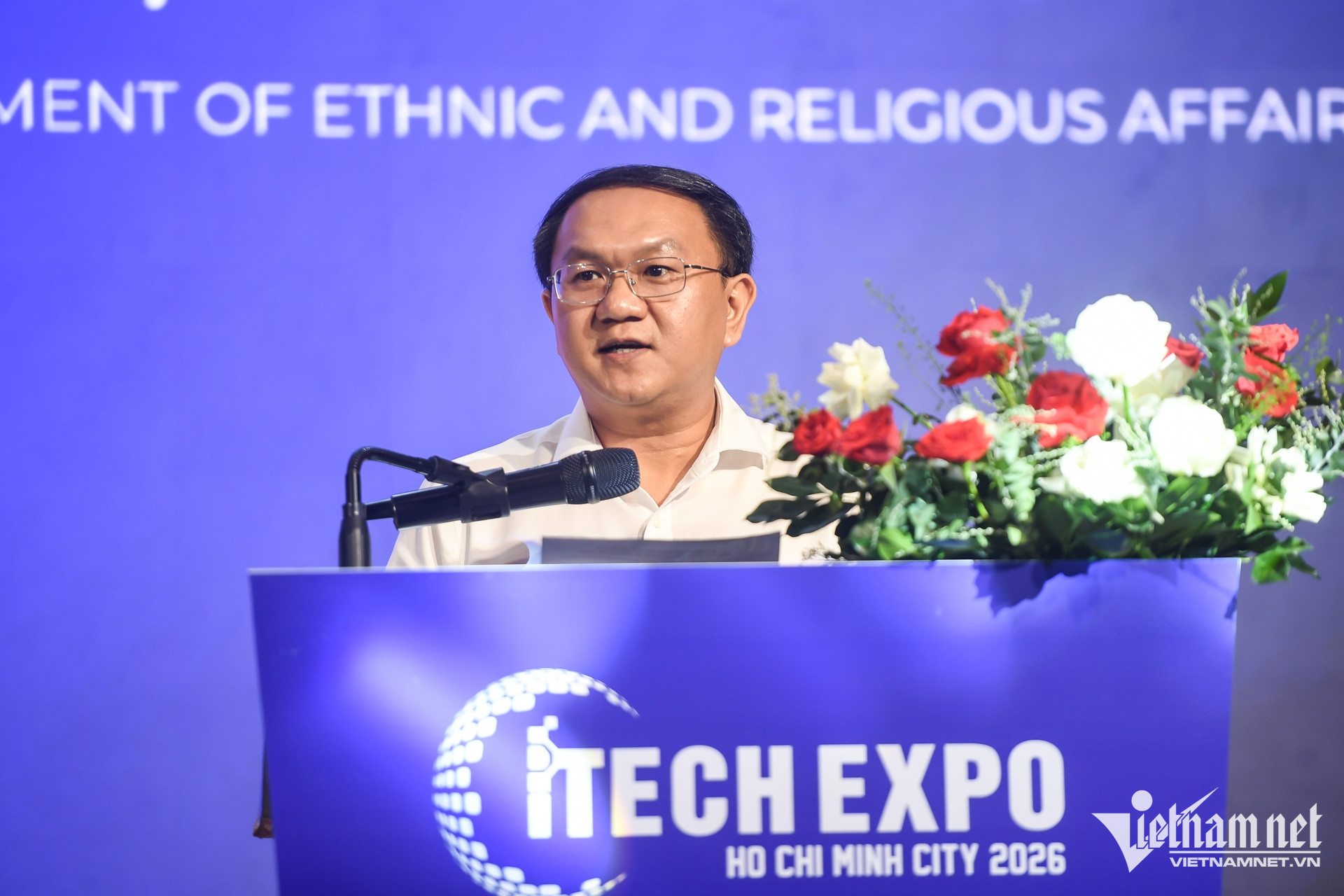
Opening the event, Lam Dinh Thang, director of the city’s Department of Ethnic and Religious Affairs, said Politburo Resolution No. 57-NQ/TW identifies the development of science and technology, innovation and digital transformation as one of Vietnam’s most important strategic breakthroughs.
According to Thang, the current priority is to modernize governance, make effective use of data and improve the quality of services provided to residents, organizations, institutions and businesses.
For ethnic, belief and religious affairs, digital transformation is expected to go beyond supporting government administration.
Technology can also help preserve cultural identities, promote cultural values and expand development opportunities for ethnic communities, particularly ethnic minorities.
Ho Chi Minh City is currently home to 13 religions, more than 3,000 places of worship, around 9,300 religious dignitaries, nearly 4,800 religious officials and more than 2.8 million followers.
According to the department, this scale and diversity represent a rich cultural resource that contributes to the city’s identity.
At the same time, they pose challenges for governance, particularly in keeping data up to date, monitoring conditions at the grassroots level, implementing policies and preserving traditional cultural values.
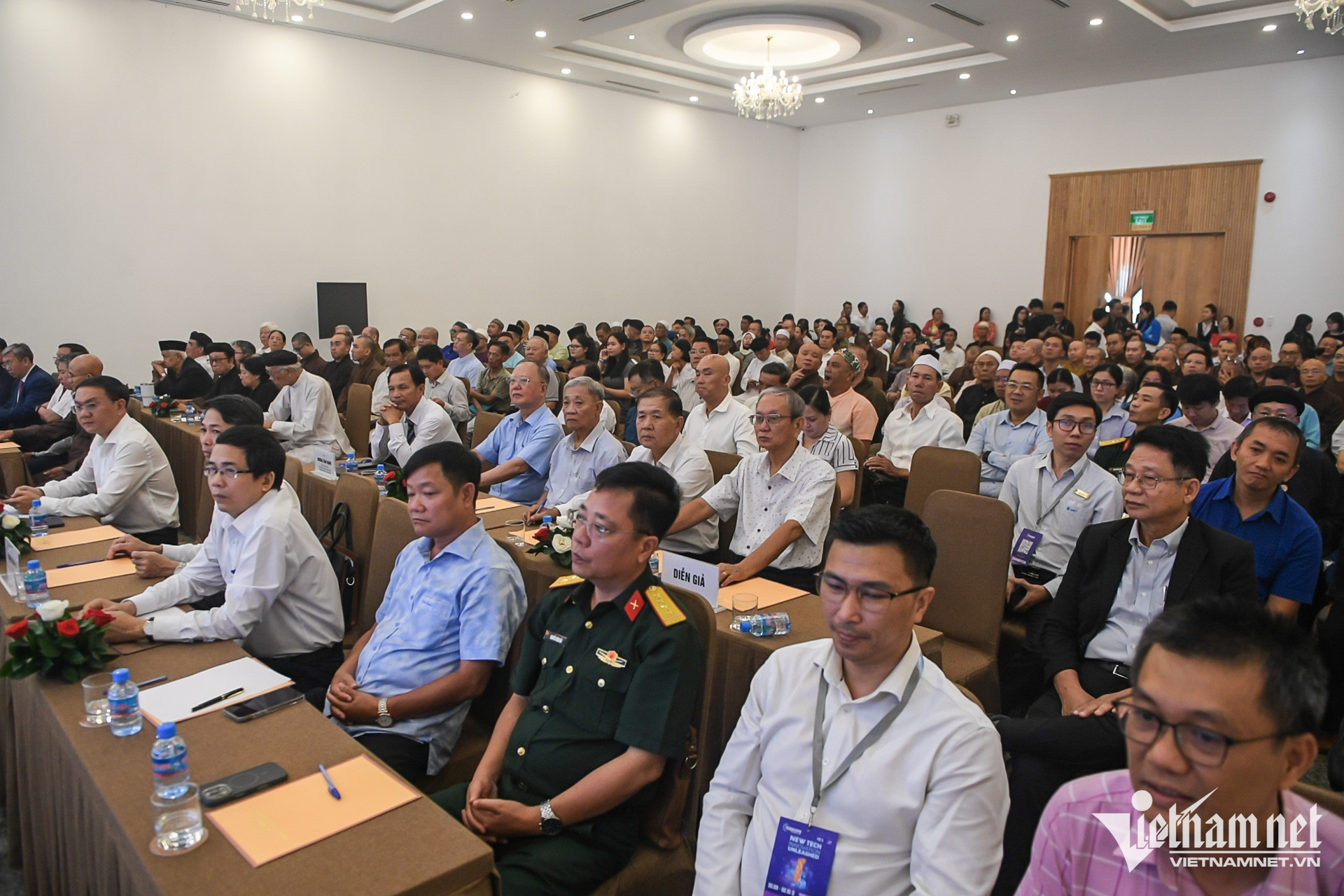
Participants at the workshop discussed technological solutions tailored to practical needs in ethnic and religious affairs.
One area attracting particular attention was the development of the Halal food value chain.
Digital transformation and e-commerce could support product traceability, improve transparency of product information, strengthen branding and connect businesses with consumer markets.
Technology could therefore serve not only as a governance tool but also as a means of supporting socioeconomic development and creating more opportunities for businesses and communities to participate in the Halal market.
At the event, the Ho Chi Minh City Department of Ethnic and Religious Affairs and the Ho Chi Minh City Computer Association signed a memorandum of understanding on cooperation.
Under the agreement, the two sides will work together to mobilize technology resources, expand digital skills, develop “digital destinations” and improve the effectiveness of state management in ethnic, belief and religious affairs.
The department said its overarching approach is to build data resources that support both governance and development, put people at the center of technology adoption, and ensure innovation goes hand in hand with preserving and promoting cultural, belief and religious values.
“Service effectiveness is the measure of digital transformation,” the department’s leadership emphasized.
Nguyen Hue
.svg)
