 Vietnamnet.vn

 Podcast



The village is bustling as potters shape, dry, and fire a flood of horse-themed ceramics - the symbolic animal of Binh Ngo (Year of the Horse) - destined for Tet displays, gifts, and public installations.
Situated along the Thu Bon River, Thanh Ha has long been a favorite stop for tourists visiting Hoi An’s ancient town.
Today, around 40 households continue the trade, with 68 active artisans producing ceramics year-round and especially during the critical year-end period.
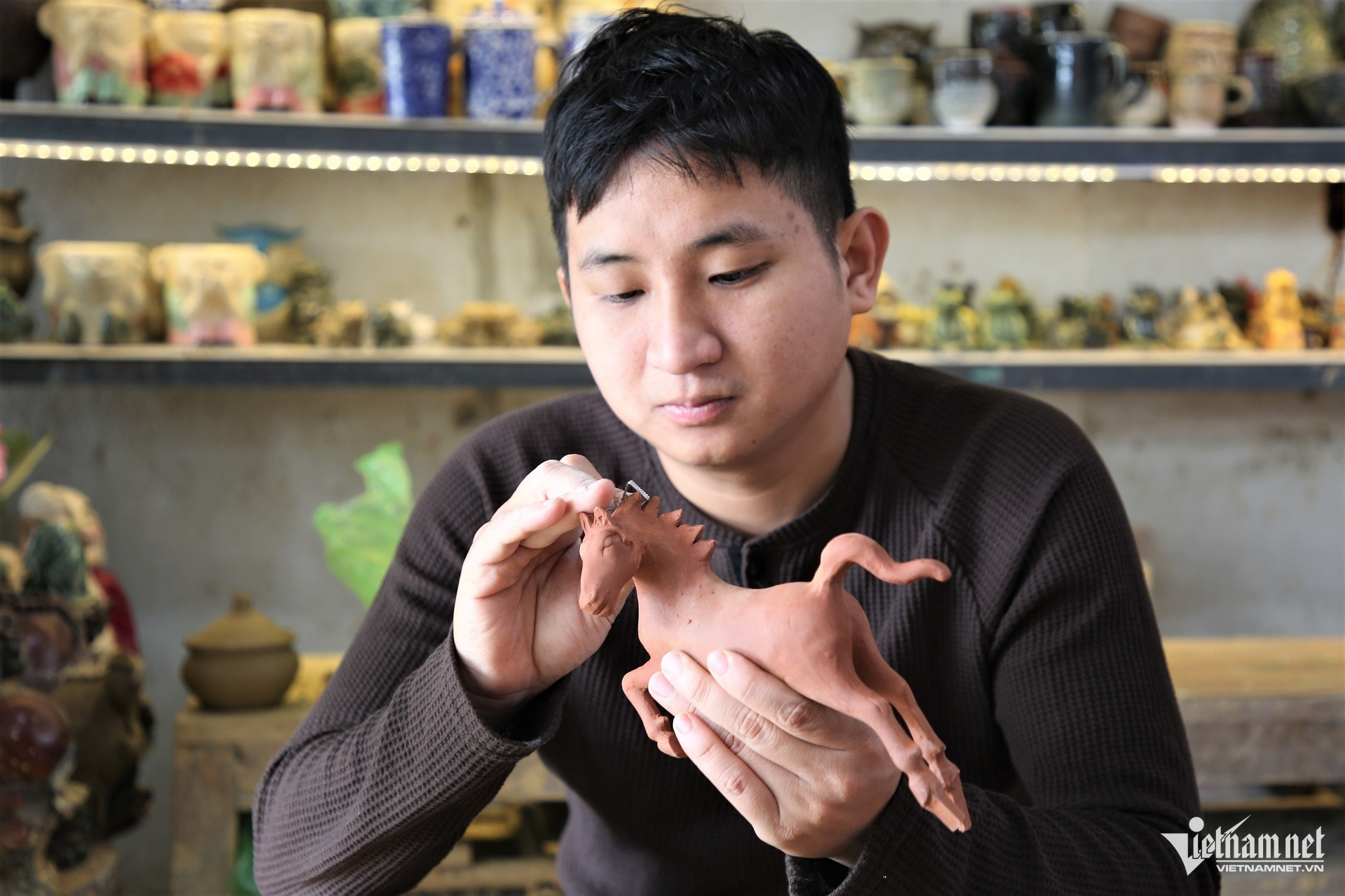
For the past week, 29-year-old artisan Nguyen Viet Lam, who runs the Son Thuy pottery workshop, has barely had time to rest.
His studio floor is packed with dozens of half-finished ceramic horses - sculpted, styled, and waiting to dry before heading to the kiln.
“This year, there’s a big uptick in customized horse figurine orders - not just for homes, but for public displays, businesses, and institutions,” Lam said.
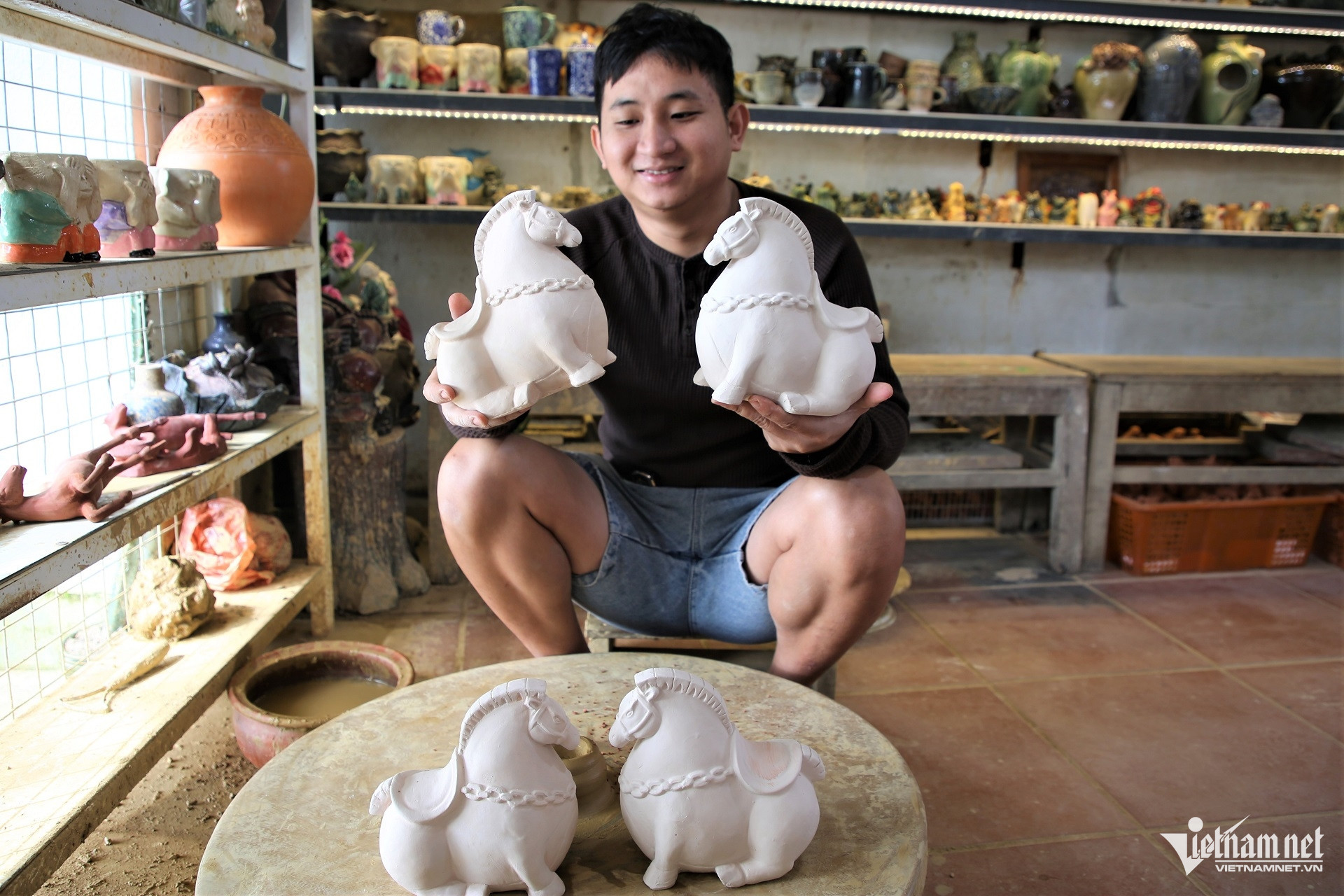
He’s currently working on a 100-piece order for a client in Hanoi, with horses sculpted in the dynamic “galloping to success” pose. It’s a technically demanding design requiring careful foot placement to prevent collapse during firing.
“From the client’s original sketch, I had to adjust the proportions for ceramic stability while still preserving the horse’s spirit. Just the sculpting takes over six hours per piece, not counting the 1,270°C kiln process,” he said.
“Each client has a different vision, and we have to express that exactly. With so many orders, we’re working around the clock to keep up,” he added.
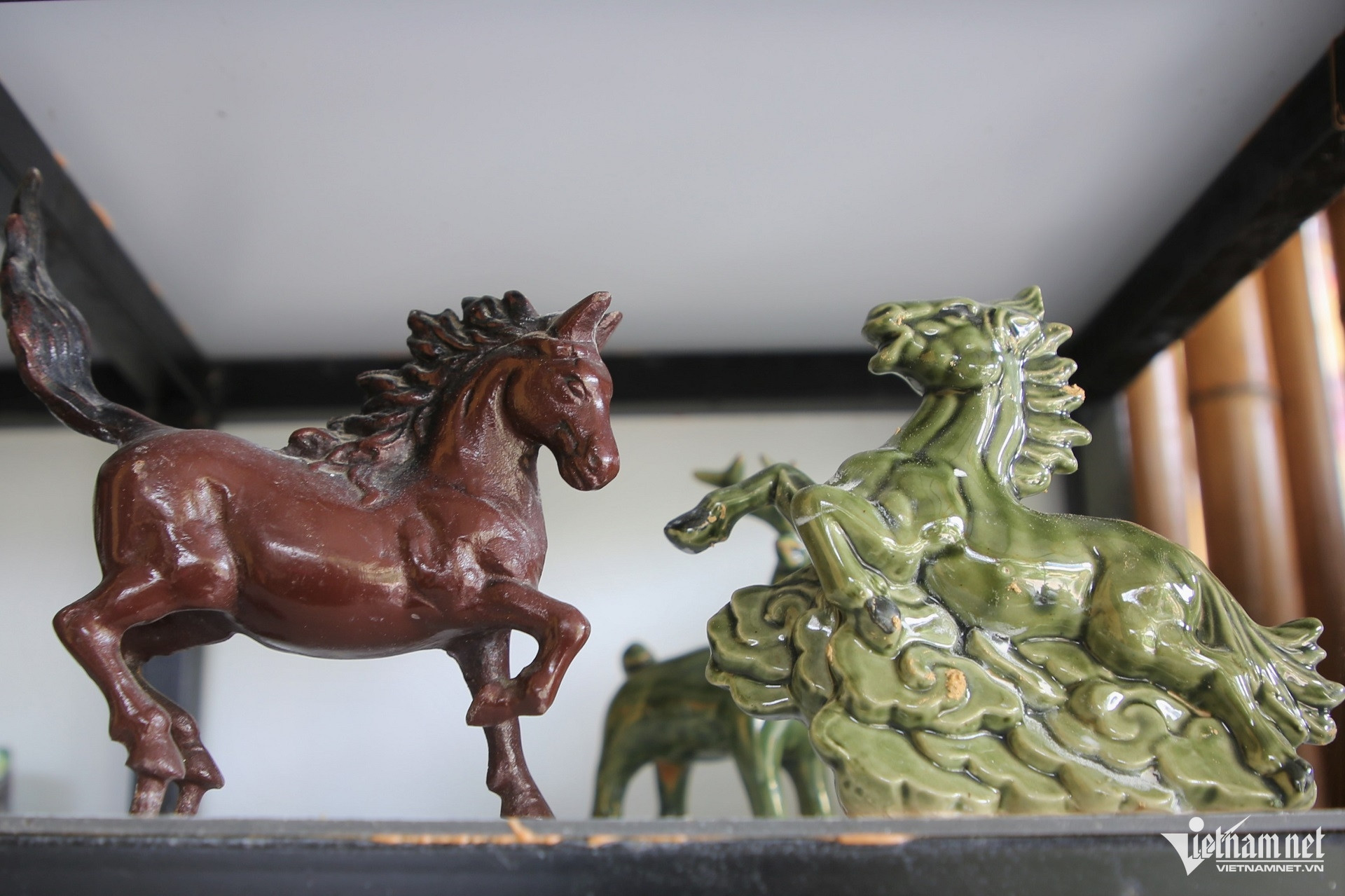
Lam’s not alone. Other workshops in the village are also working through long days and nights - drying in the sun, fine-tuning forms by daylight, and firing through the evening.
Artisan Le Van Nhat, 37, said his entire family has been “on duty” from dawn till dusk since early January.
This year, the local government commissioned him to sculpt a pair of large horse statues for the entrance road to Thanh Ha village. One design features a horse holding a bag of gold coins, symbolizing prosperity for the new year.
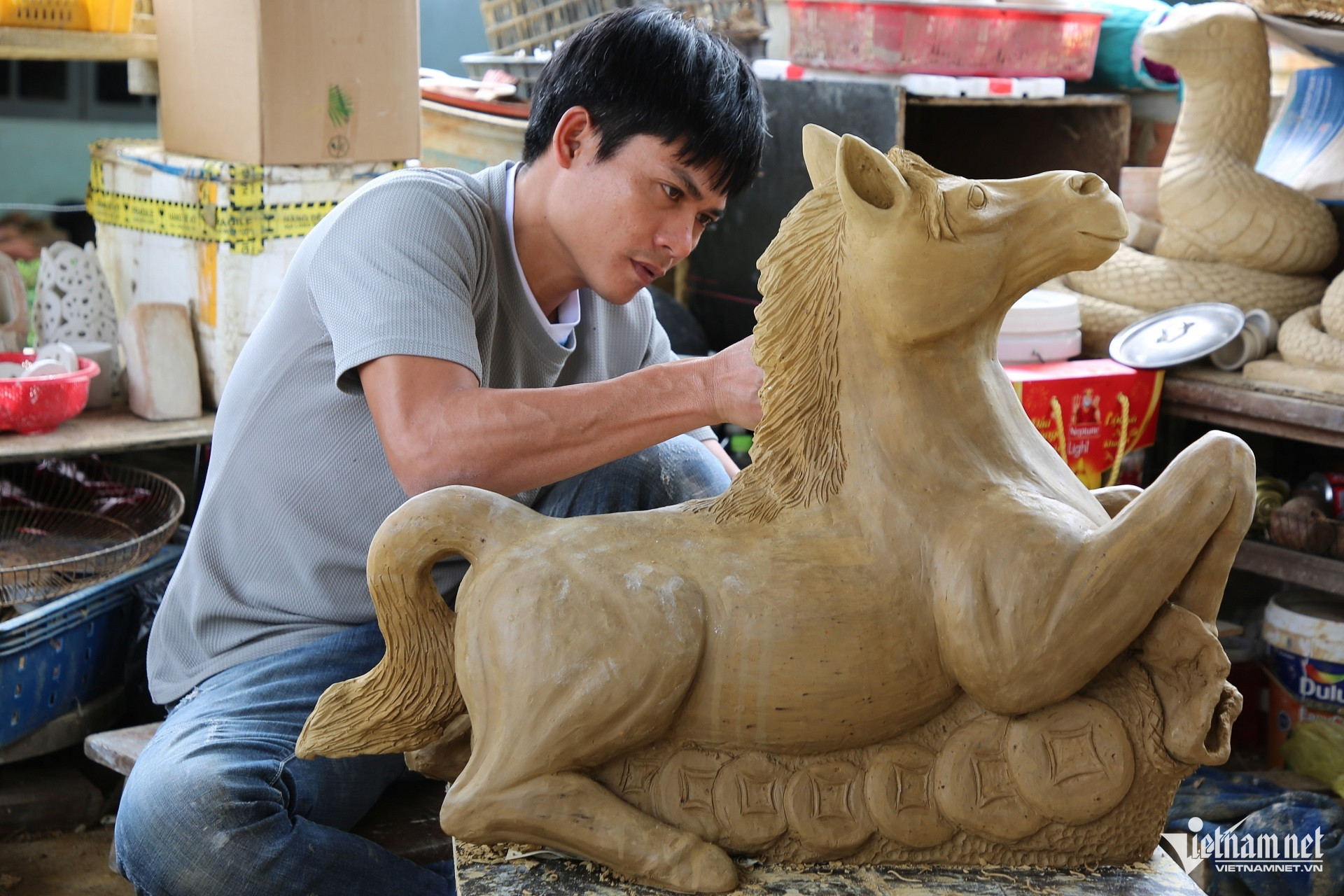
“Because of the size, every detail needs to be perfect - or the piece will collapse in the kiln,” he explained.
In December alone, he delivered over 600 horse-shaped tò he (miniature clay figurines) to souvenir shops in Hoi An and is now rushing to complete more in various sizes.
“A basic horse figure sells for about USD 2, while the largest, most intricate pieces can go for as much as USD 370,” Nhat said.
Passing down the fire, one generation to the next
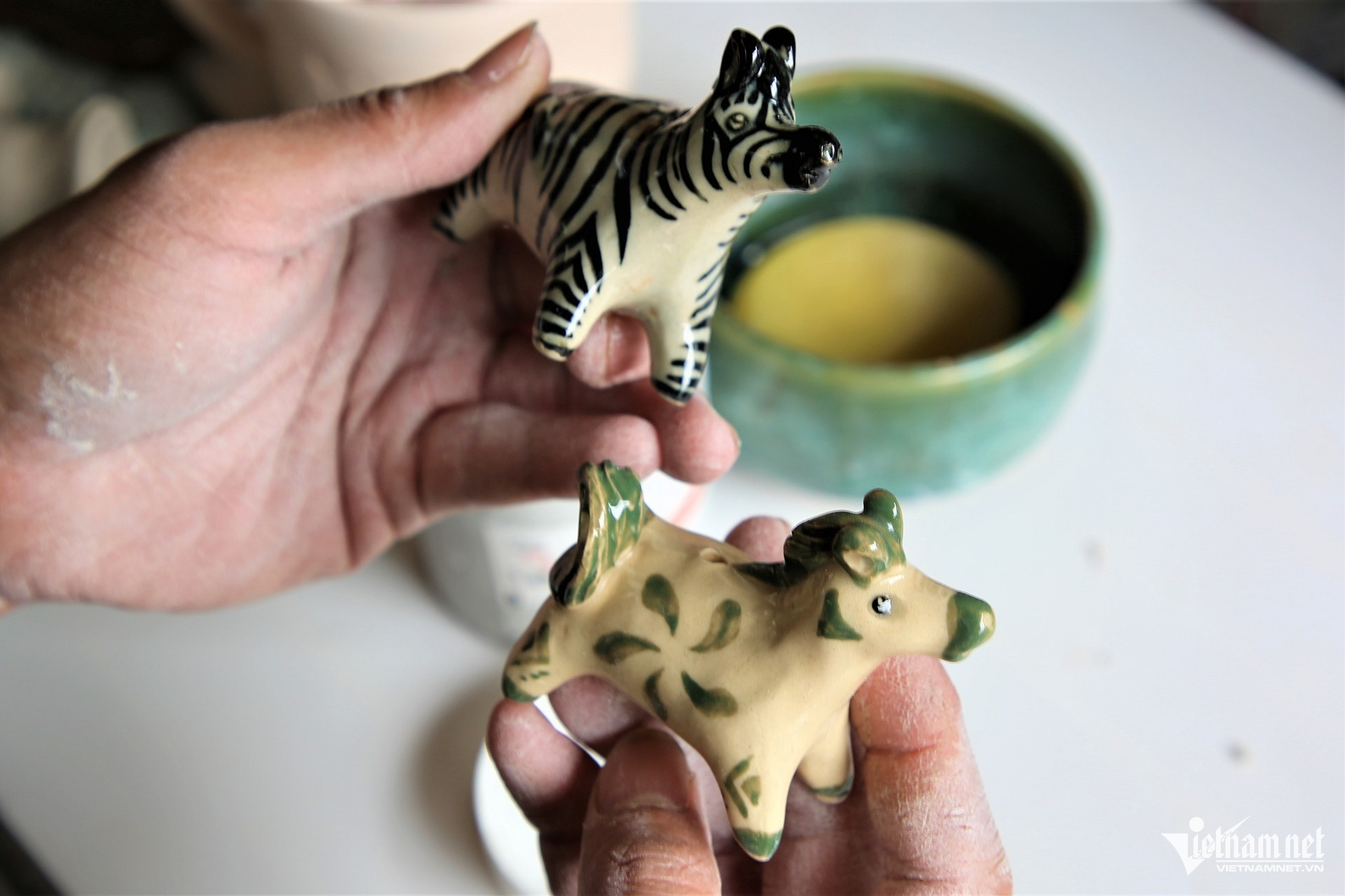
At his kiln, 68-year-old artisan Nguyen Van Xe quietly watches the flames. He’s been working with clay since he was a child, learning the craft from his father on riverbanks where they gathered soil.
His family has practiced pottery for five generations. Now, his son Nguyen Van Hoang, 39, is continuing the family legacy.
This Tet, Xe is sculpting a large, robust horse statue with a proud stance and powerful posture.
“Horses are hardworking and carry heavy loads. I hope this clay horse brings a sense of economic optimism for the new year,” he said.
To him, every curve and detail is not just craftsmanship - it’s a wish for strength, prosperity, and smooth passage into the next cycle.
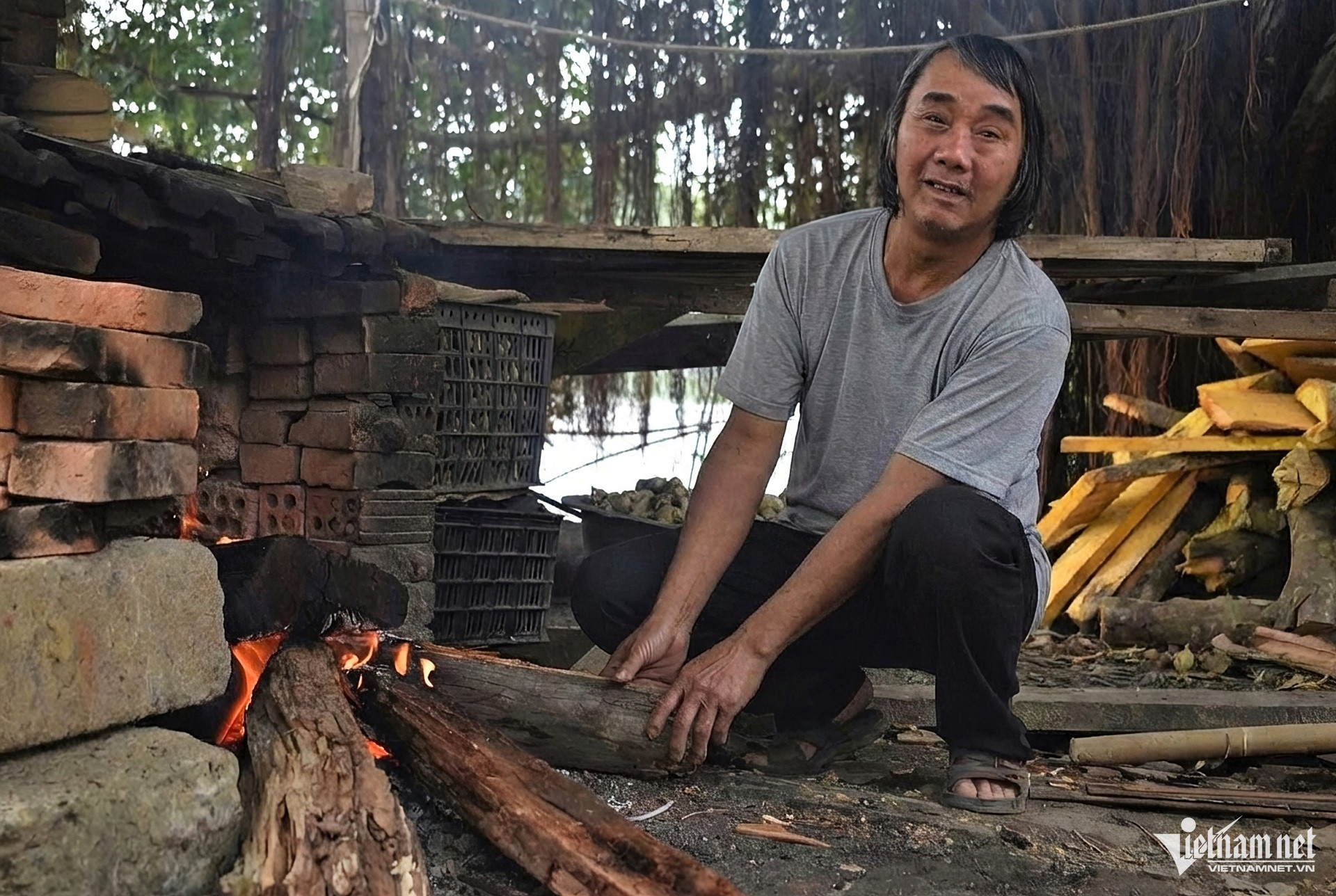
Xe beside the kiln that has been his lifelong companion.
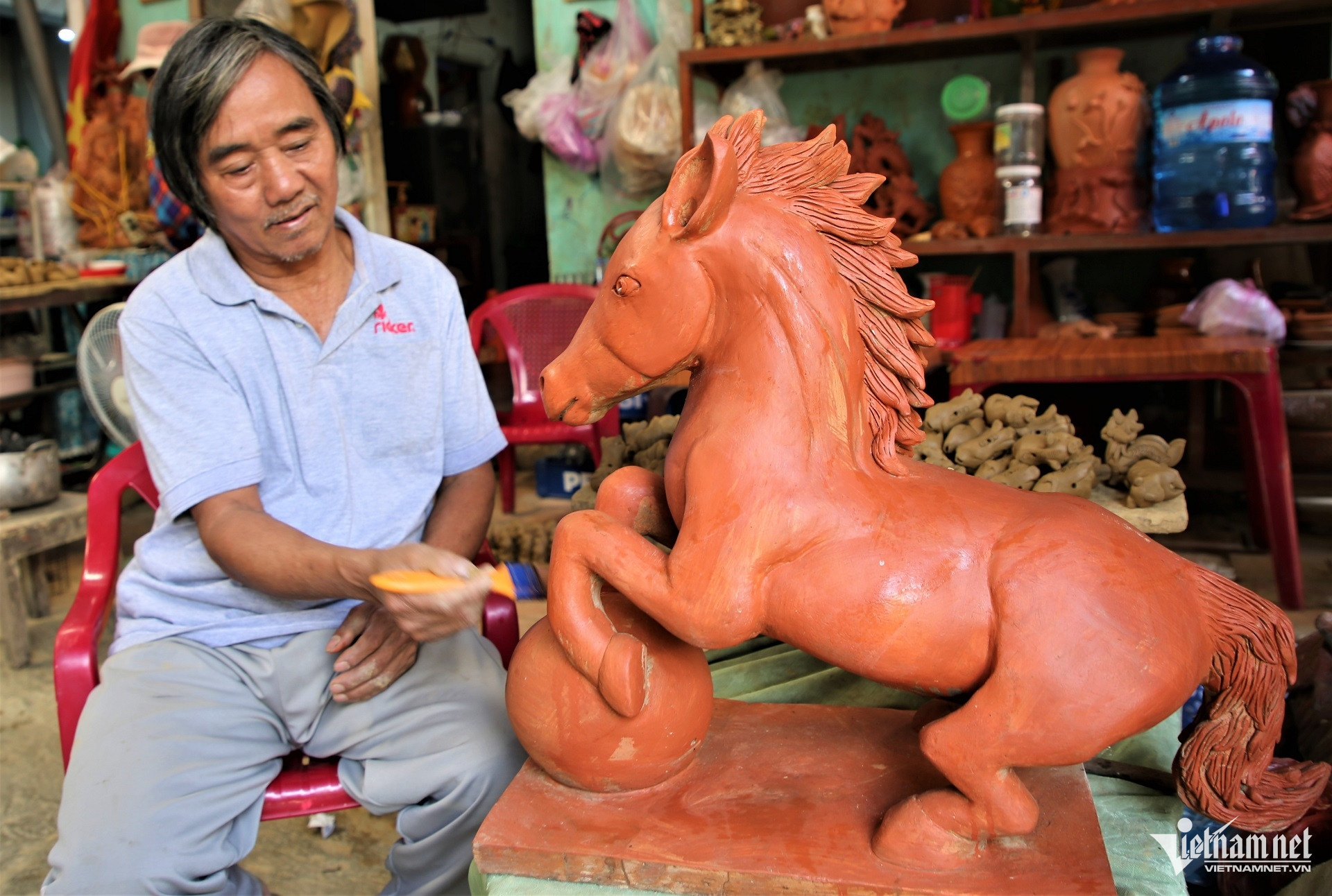
Xe and his latest Tet horse sculpture.
“My greatest hope is that younger generations will keep this fire alive - not just during Tet, but all year round,” he said.
Tourism boom, Tet spirit keeps kilns glowing
According to the People’s Committee of Hoi An Tay Ward, Thanh Ha welcomed over 251,000 visitors in 2025, 95% of them international.
The influx brought tens of billions of dong in revenue and reaffirmed the cultural and economic resilience of this 500-year-old craft village.
And even before the Tet peak season hits, the surge in horse figurine orders has already kept kilns blazing deep into the night - a testament to the lasting spirit and adaptability of Vietnam’s traditional artisans.
Ha Nam
.svg)
