 Vietnamnet.vn

 Podcast



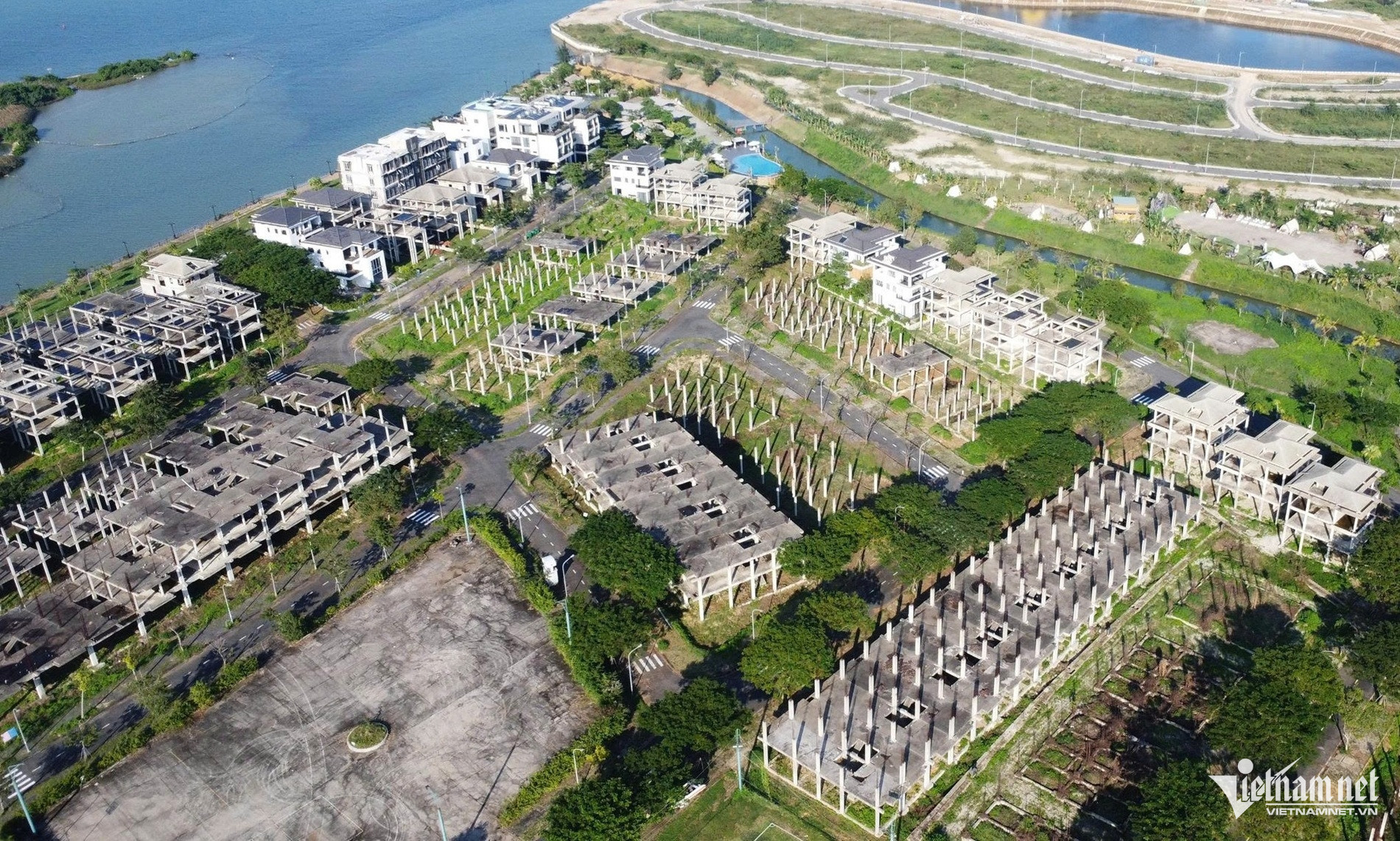
Located in the northwest of Da Nang City, the Golden Hills City Eco-Urban Area project spans more than 342 hectares across Hai Van and Lien Chieu wards. With an estimated investment of over VND 4,400 billion ($180 million), the project is developed by Trung Nam Group and was initially envisioned as a model residential hub, featuring hundreds of villas and townhouses.
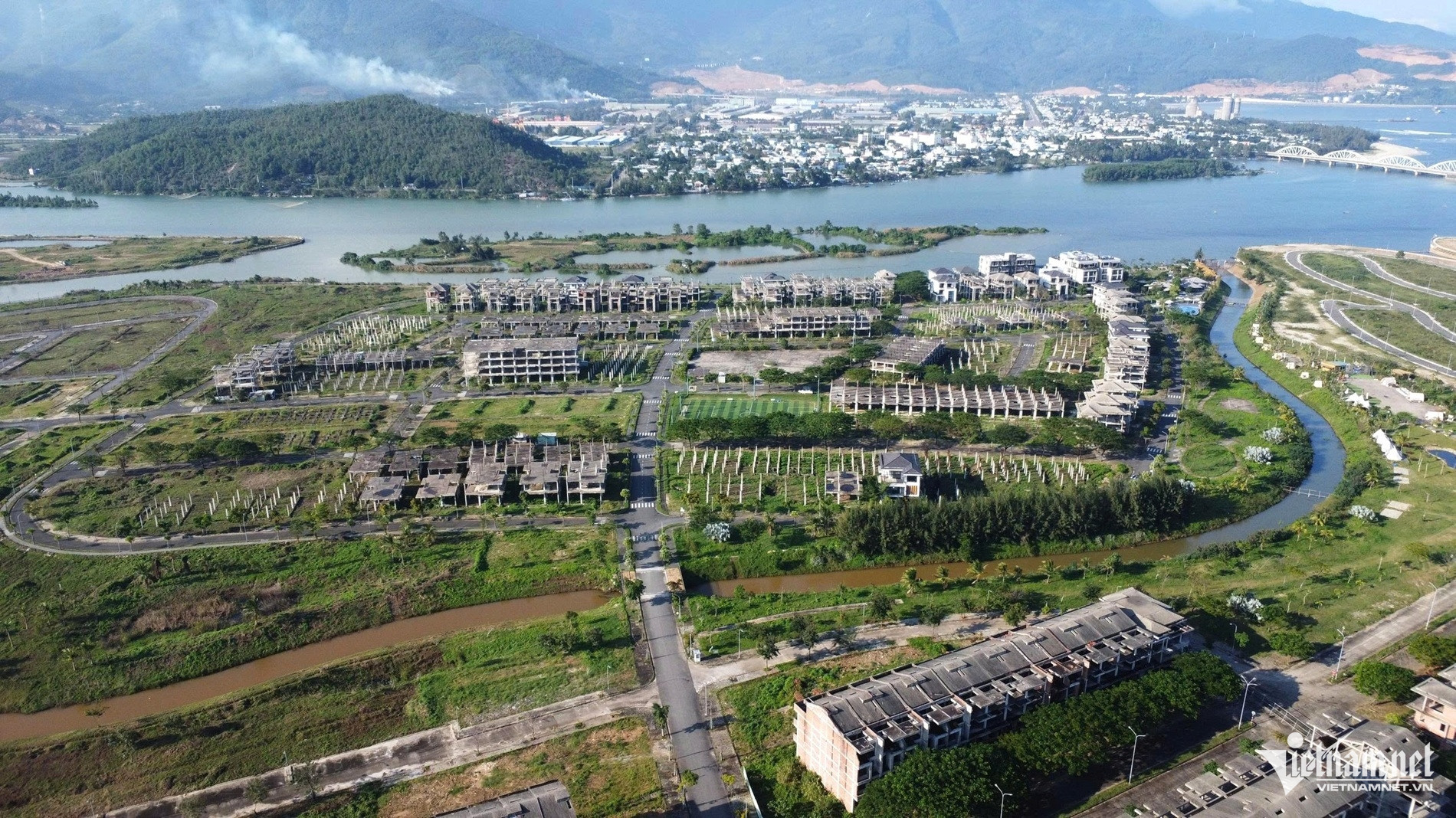
Initially approved in 2008 under the name Thuy Tu Urban Area, the project was later renamed Quan Nam - Thuy Tu Eco-Urban Area, before officially adopting the name Golden Hills City in 2013.
According to the master plan, the development includes a commercial-service area with towers ranging from 15 to 40 stories, 485 detached villas, 360 semi-detached villas, and high-end apartment buildings.
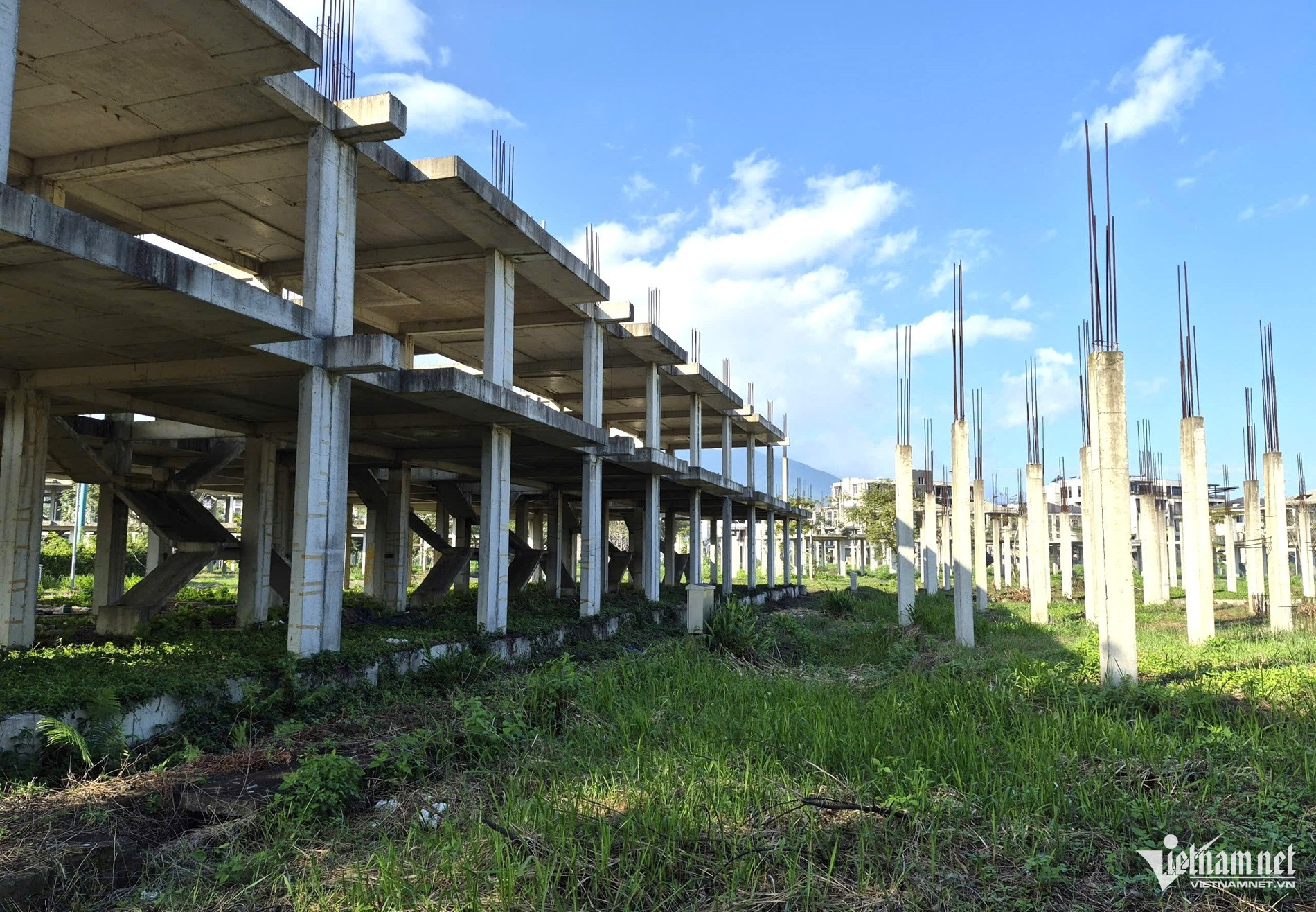
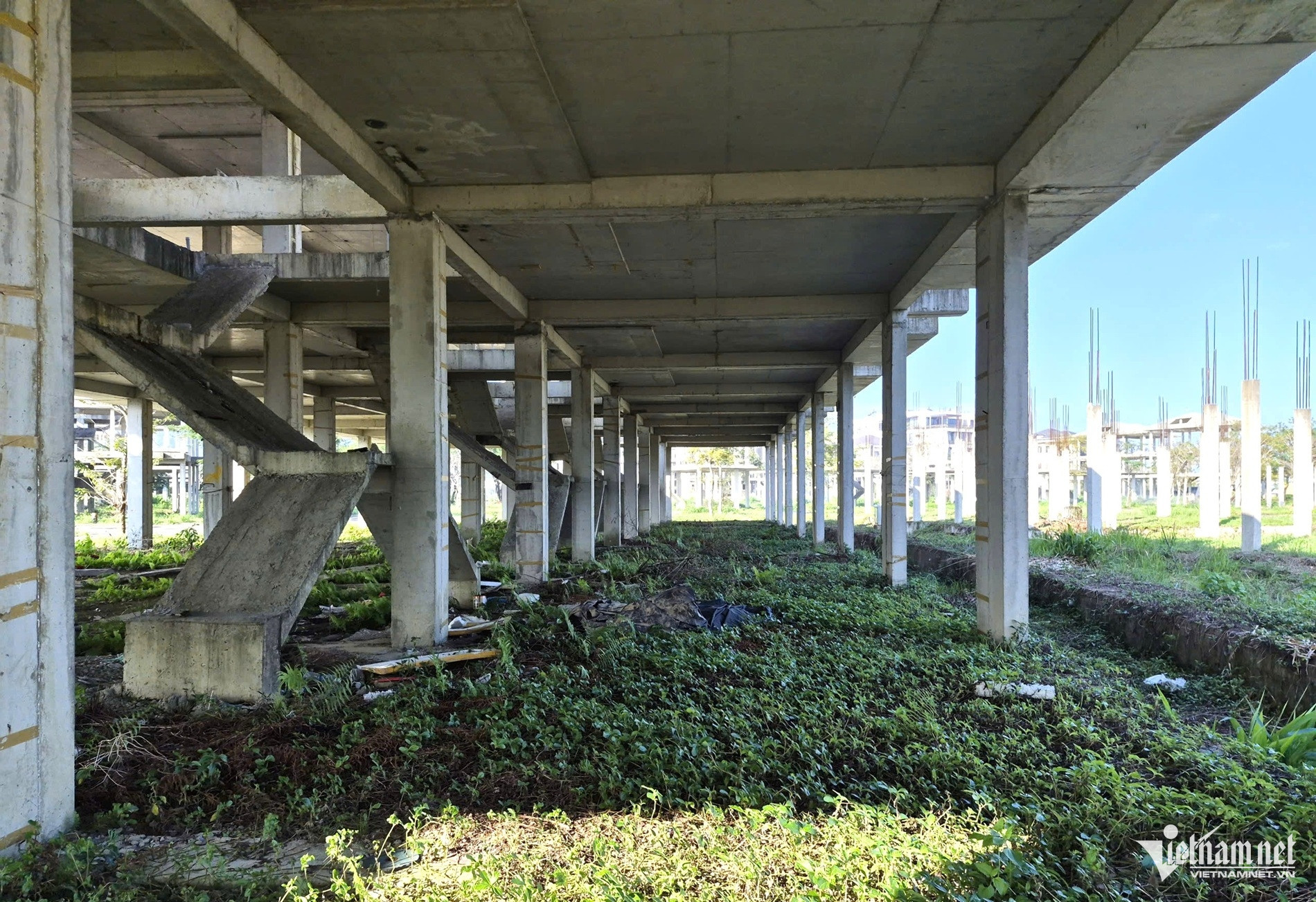
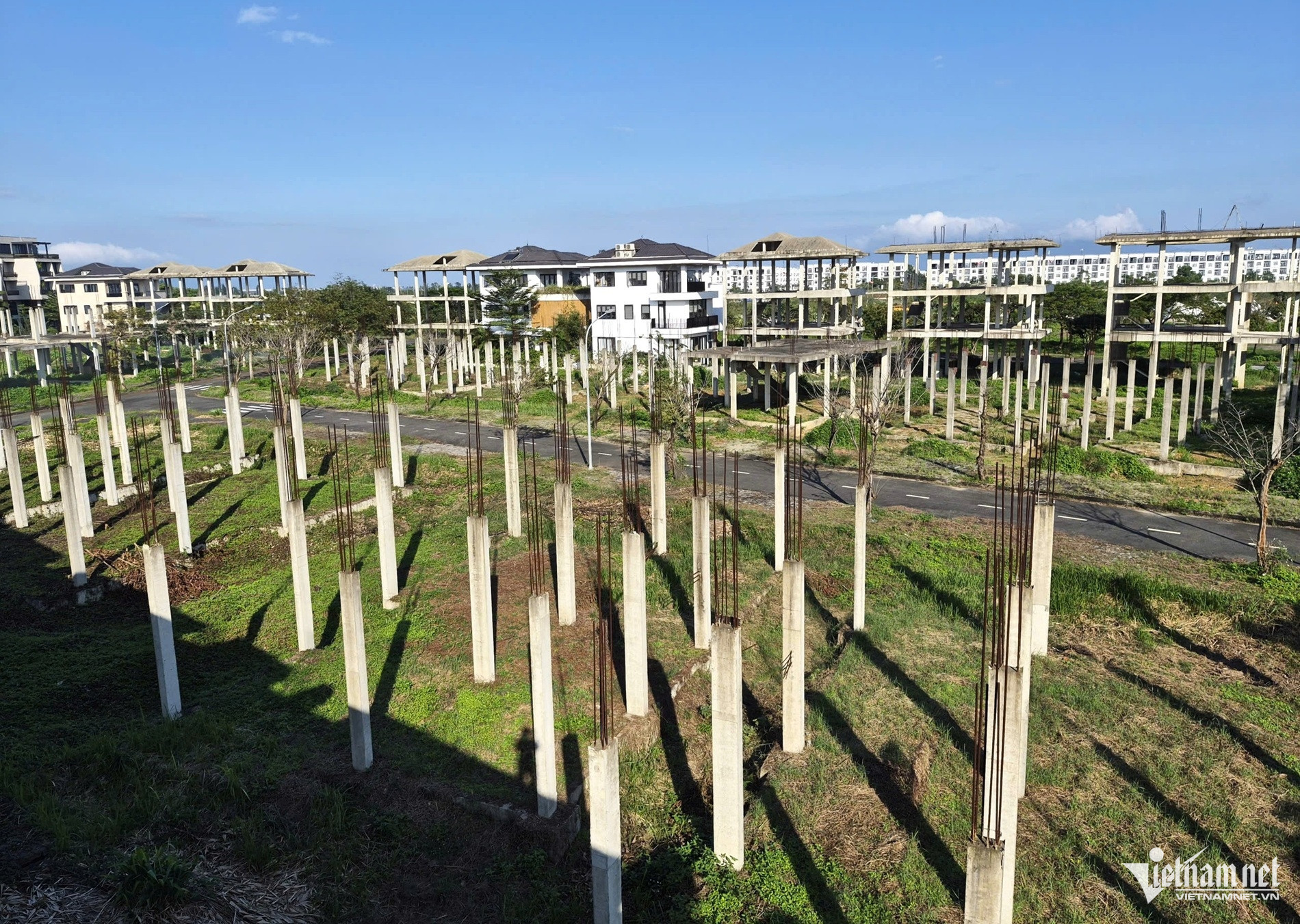
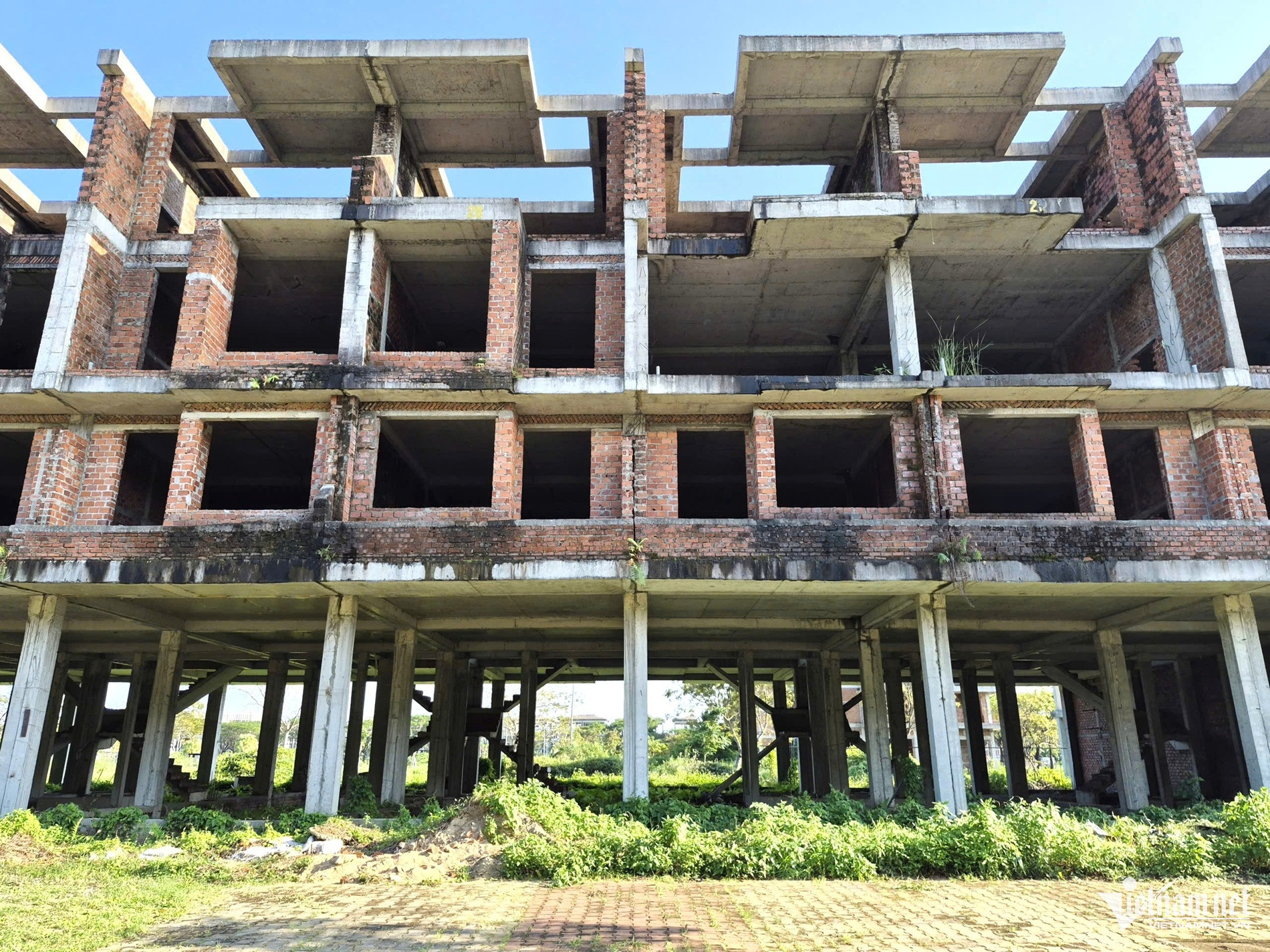
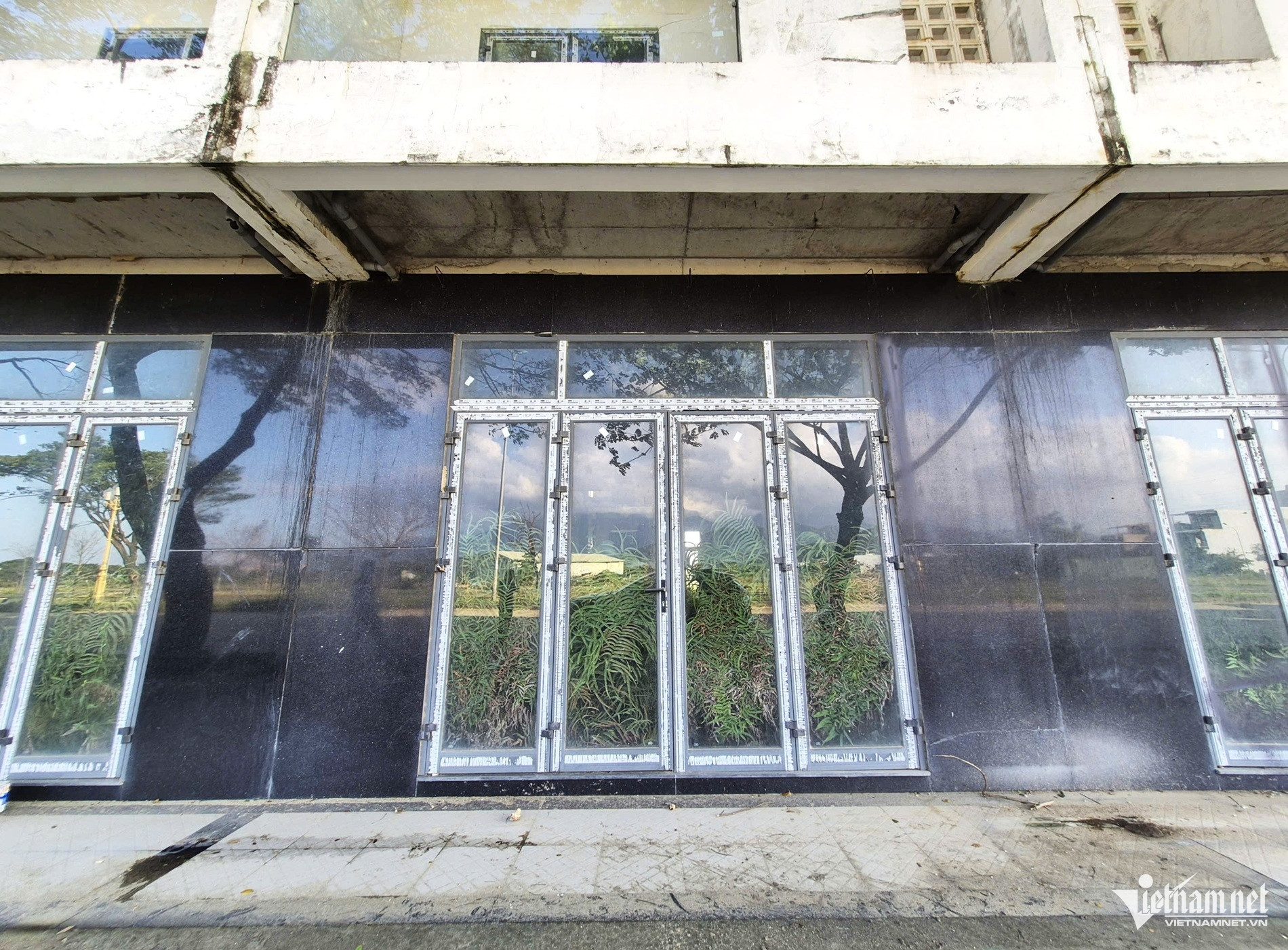
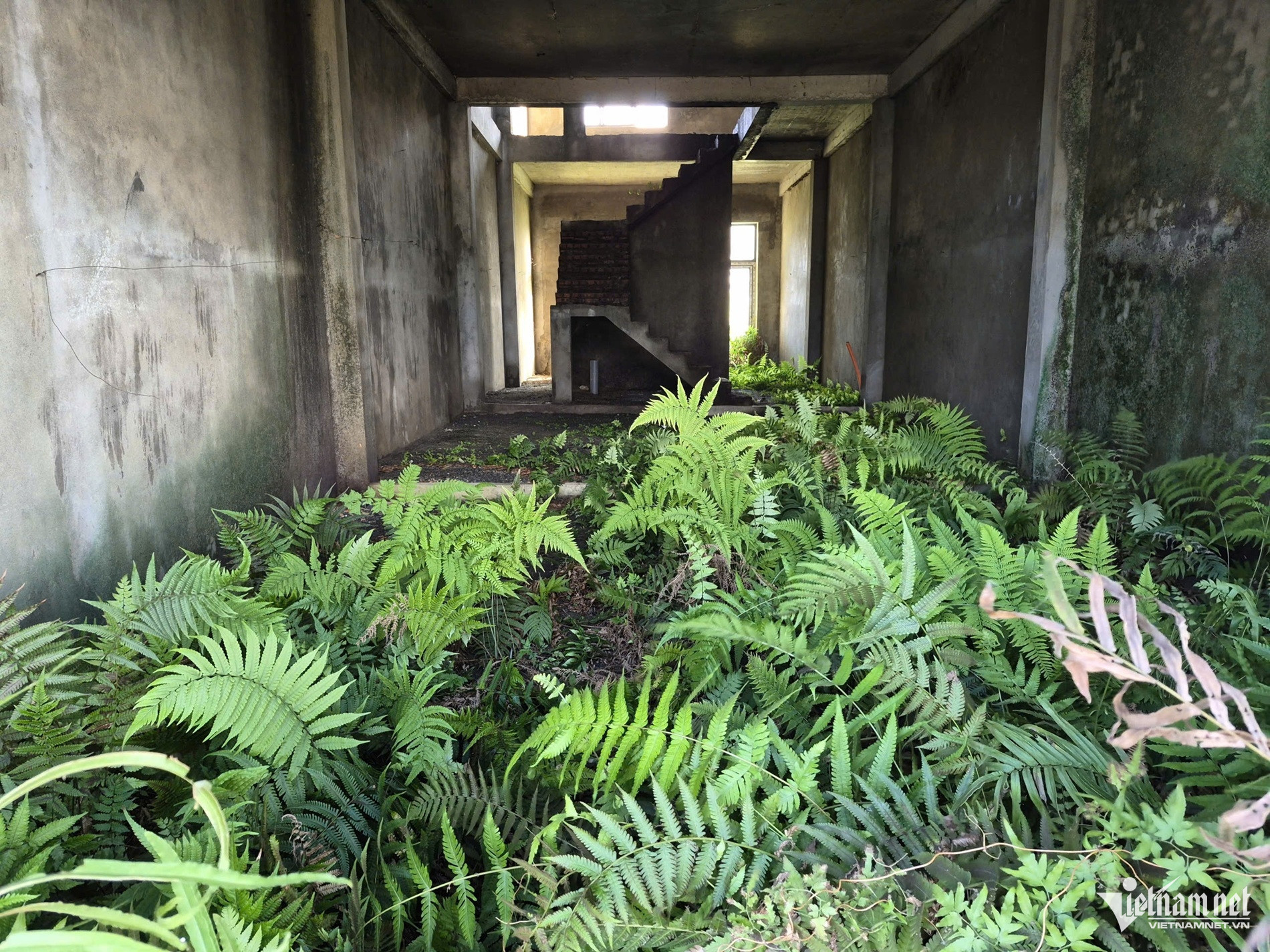
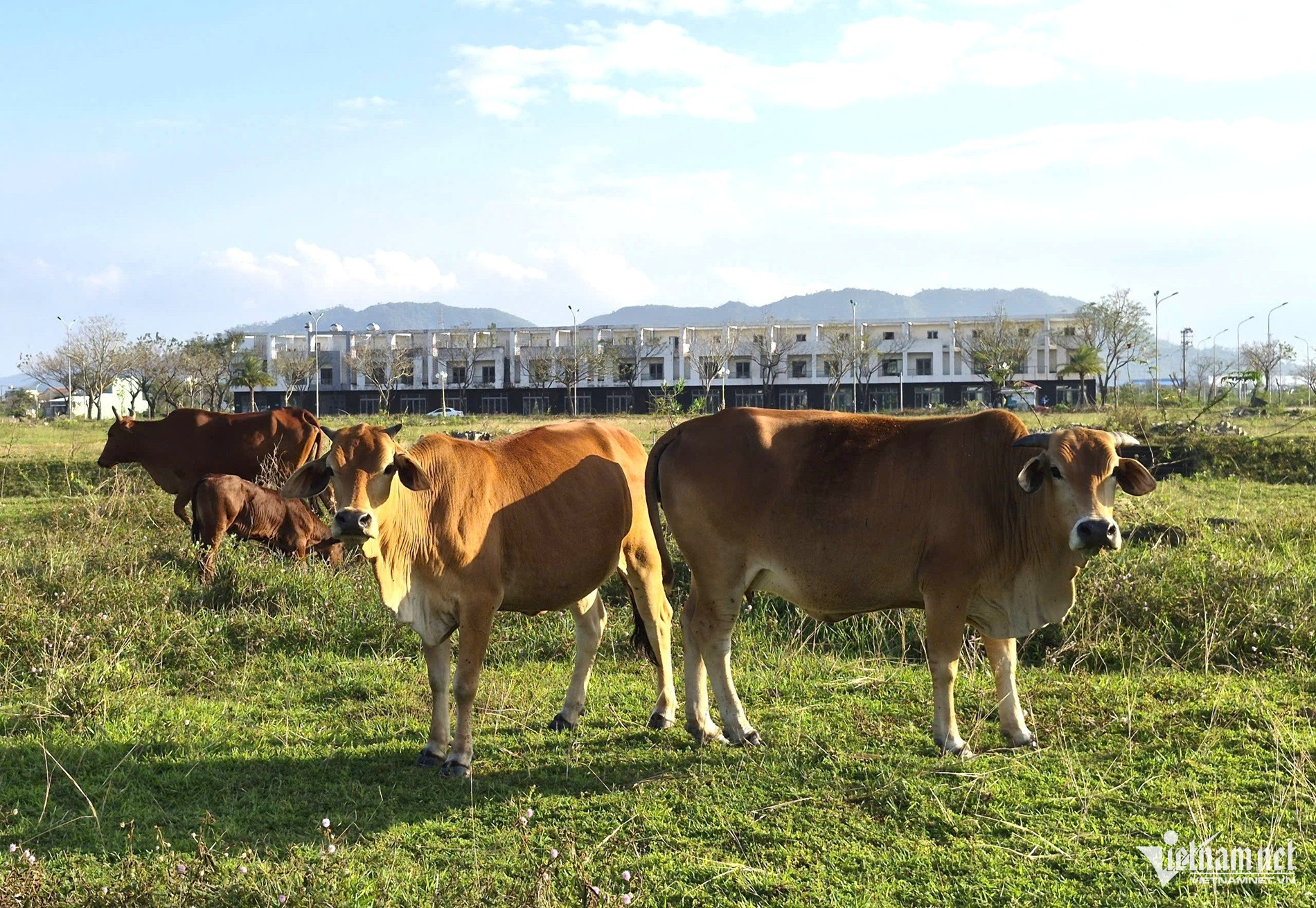
However, as observed on December 29, hundreds of villas and townhouses remain unfinished and abandoned, many of them left at the bare concrete stage. The infrastructure has deteriorated significantly, and wild grass overtakes empty lots. Some areas have even been repurposed for livestock grazing or grass cultivation, while only a small portion of the development is currently inhabited.
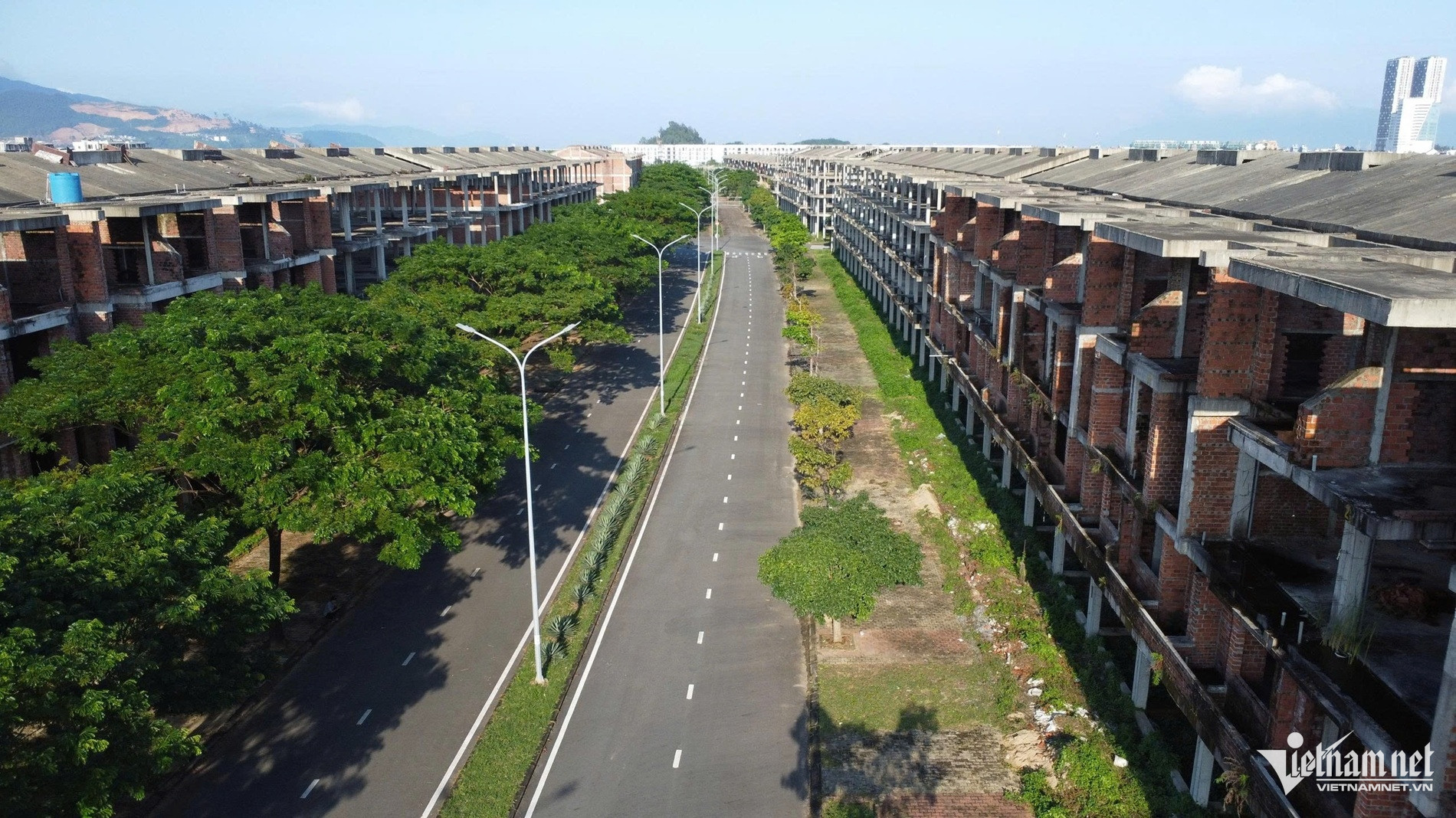
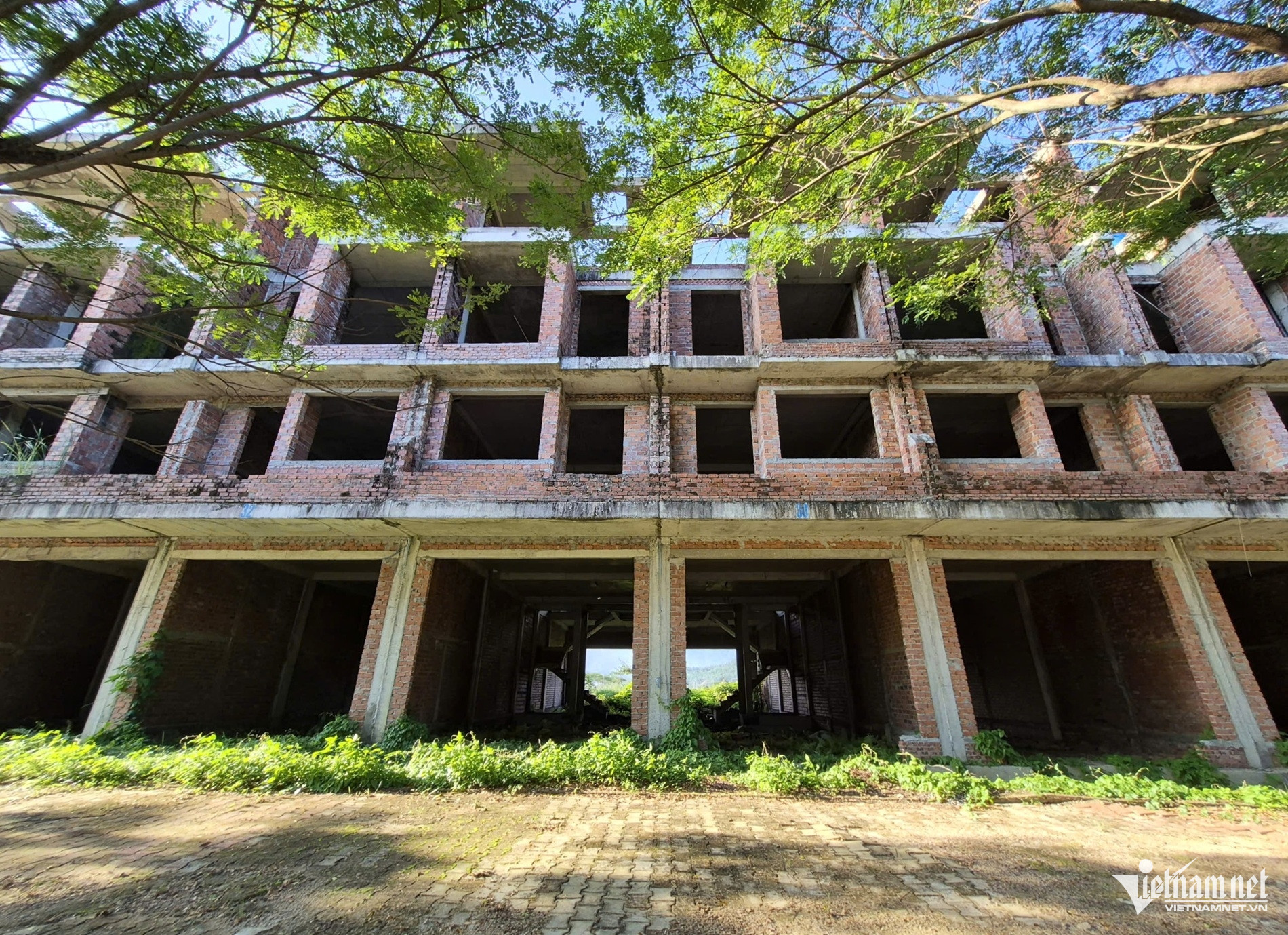
On December 26, the Government Inspectorate of Vietnam released its audit findings for Golden Hills City. The report details numerous violations throughout the project’s planning and implementation phases.
No investor bidding process was conducted by Da Nang’s People’s Committee, despite the project involving public land use - violating regulations on urban development.
At the time the investment certificate was issued in 2010, Trung Nam only reported VND 866 billion in capital - far below the minimum 20% equity requirement for the total investment.
The licensing process bypassed mandatory consultations with relevant ministries and failed to properly assess the investor’s capacity.
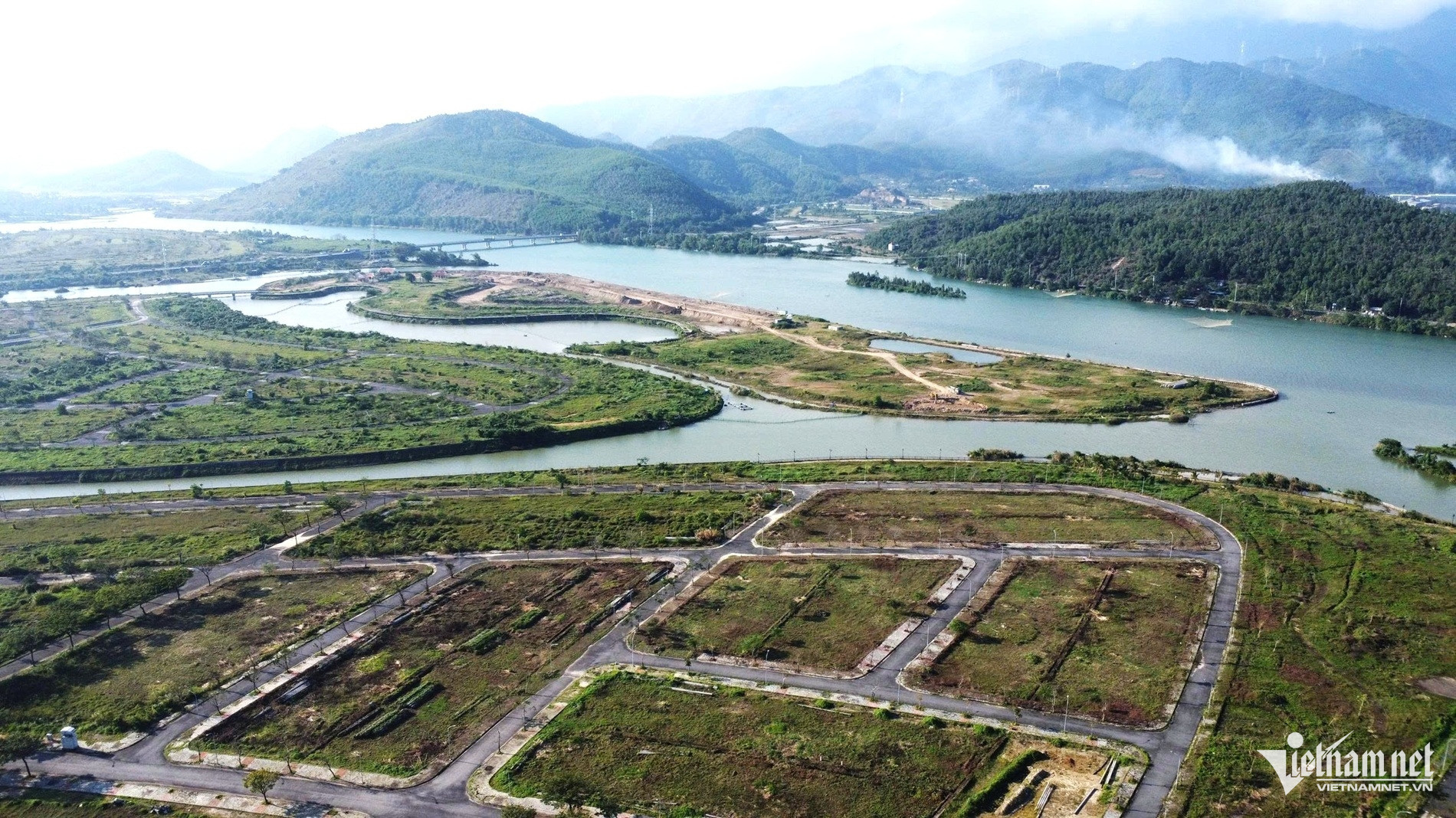
The detailed planning of the project required 16 revisions due to initial inconsistencies with Da Nang’s master plan, lacking key technical indicators such as land use coefficients and construction density.
The audit also found that approximately 45.91 hectares of land outside the approved project boundary were improperly allocated, and discrepancies of over 39 hectares were discovered between investment certificates and land allocation decisions.
Moreover, 129.22 hectares of paddy land were not properly managed or used in accordance with land regulations, raising concerns over lost tax revenue and budget shortfalls.
The Inspectorate has recommended that the Prime Minister instruct Da Nang authorities to:
Conduct a full review and hold responsible individuals and organizations accountable across relevant periods.
Take decisive action to remedy the identified violations.
Refer any criminal indications to appropriate law enforcement.
It also recommended:
Revoking 45.91 hectares of land improperly granted beyond the project’s boundary.
Reviewing and collecting full land-use and lease payments, including overdue fees, related to the 129.22 hectares of paddy land.
For Trung Nam Group, the audit urges:
Full compliance with financial and legal obligations.
Return of any misused or excess land.
In response to the inspection, Trung Nam Group clarified that the 45.91 hectares beyond the project’s boundary were never offered for sale or marketed, thus falling under the responsibility of local authorities. The company stated it had fulfilled all required financial obligations as stipulated.
Trung Nam emphasized that the Government Inspectorate’s conclusions would serve as a foundation to resolve outstanding legal issues, helping to finalize documentation under Prime Minister’s Decision 751, thereby avoiding land wastage and enabling the mobilization of development resources.
Ho Giap
.svg)
