 Vietnamnet.vn

 Podcast



Decree 360/2025/ND-CP, detailing several provisions of the Law on Special Consumption Tax, was issued by the government on December 31, 2025 and officially took effect on January 1, 2026.
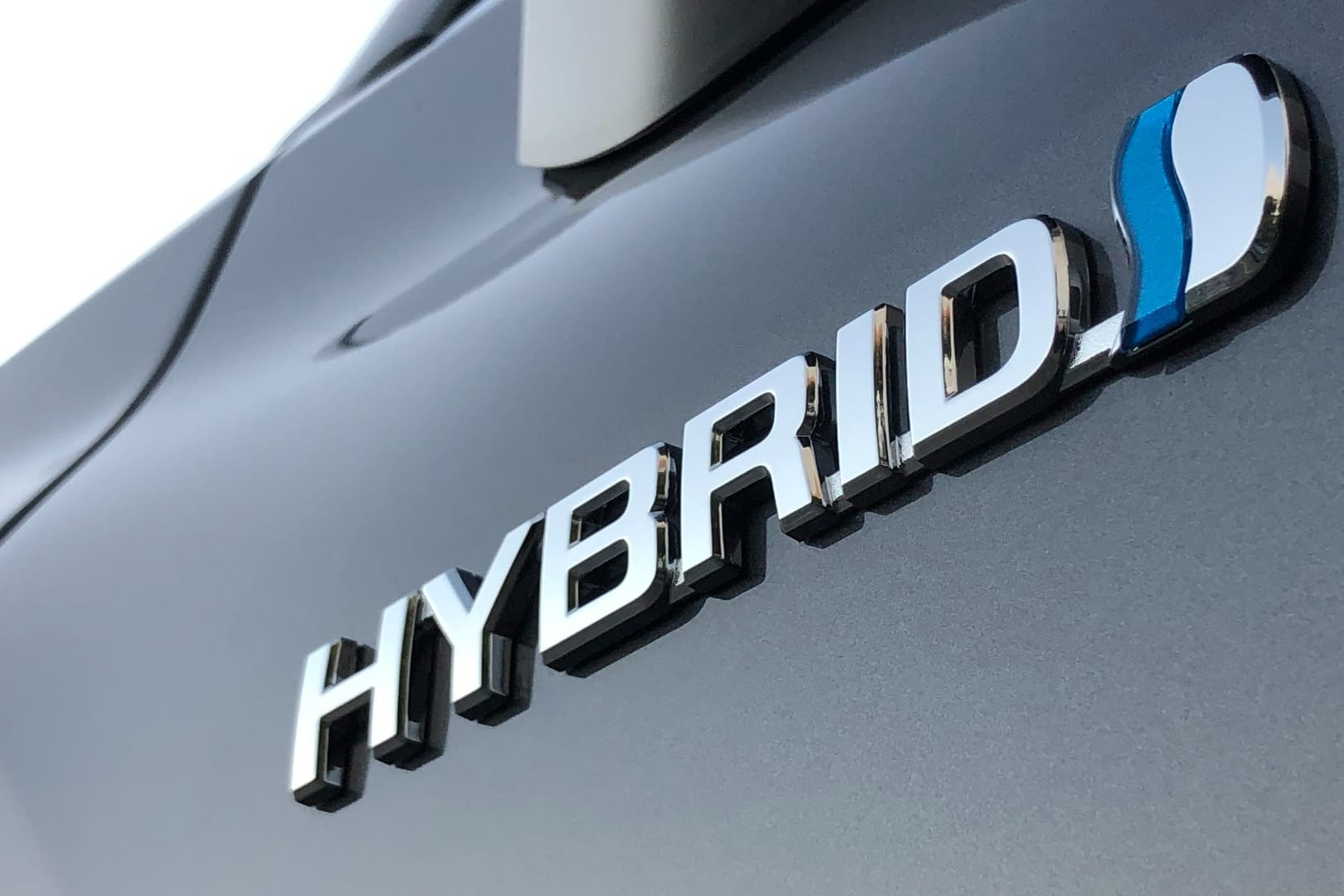
Notably, gasoline–electric hybrid cars, including both self-charging (HEV) and plug-in (PHEV) types, are subject to a luxury tax rate equal to 70 percent of that applied to gasoline or diesel vehicles of the same category. Previously, only PHEVs enjoyed this incentive, while HEV models were taxed at the same rate as conventional gasoline cars.
Under Decree 360/2025/ND-CP, to qualify for the 70 percent special consumption tax rate compared with internal combustion engine vehicles of the same type, HEVs must ensure that gasoline accounts for no more than 70 percent of total fuel used.
The Decree also guides the method for determining this proportion by comparing the Fuel Consumption Equivalent (FCeq) of the HEV with the Average Fuel Consumption of Internal Combustion Engine (ICE) Vehicles (FCconv) of the same cylinder capacity, abbreviated as the R-index.
To provide a basis for comparison for businesses and consumers, the Ministry of Industry and Trade is responsible for announcing the average gasoline consumption of pure gasoline ICE vehicles. This consumption level will be published before January 31, 2026, and periodically before March 31 each year.
According to research by VietNamNet, many car lines currently available on the market offer both pure gasoline and hybrid versions with the same cylinder capacity. Based on the ratios published by the Vietnam Register (VR) and car manufacturers, several best-selling hybrid models already meet the requirement that gasoline consumption not exceed 70 percent.
For example, Toyota Corolla Cross hybrid 1.8 HEV has a combined fuel consumption of 3.67 liters per 100 km, while the pure gasoline 1.8 V version consumes 7.55 liters per 100 km. Gasoline consumption of the hybrid version accounts for only about 48.6 percent of the conventional version, far exceeding the minimum requirement to qualify for the tax incentive.
The Corolla Cross’ “sibling,” Toyota Yaris Cross, also qualifies for the tax incentive. Official data show the hybrid (HEV) version has a combined fuel consumption of 3.8 liters per 100 km, compared with about 5.95 liters per 100 km for the gasoline (V) version. The ratio between the two versions is around 63.8 percent, just meeting the requirement of gasoline use not exceeding 70 percent.
The best-selling hybrid model on the market, the Toyota Innova Cross, also fits within the incentive threshold. Its HEV version consumes 4.92 liters per 100 km, while the gasoline version with the same engine displacement consumes 7.2 liters per 100 km. The gasoline consumption ratio between the two versions is 68.3 percent.
The reduction in luxury tax will directly help make hybrid car prices more accessible to customers, as a 30 percent reduction in the tax rate will create a significant price difference.
It is estimated that HEV buyers could see price reductions ranging from tens of millions to hundreds of millions of VND compared to before.
For example, an imported HEV 2.5L valued at 1 billion VND is currently taxed at the gasoline/diesel rate of 50 percent (for vehicles with cylinder capacities from 2,000-3,000 cc), equivalent to an additional 500 million VND in luxury tax.
This car would then be subject to a 10 percent VAT on the 1.5 billion VND total (150 million VND), plus a registration fee of 10-12 percent depending on the region. Thus, to get it on the road, a customer would have to spend no less than 1.85 billion VND.
From 2026, this model will only pay 70 percent of the luxury tax of gasoline/diesel cars under the new regulations, equivalent to 350 million VND. The VAT on the value at that point (1.35 billion VND) would be 135 million VND.
If adding a 12 percent registration fee, the total on-the-road price would be around 1.66 billion VND, a decrease of nearly 200 million VND, a very significant figure for consideration.
Experts believe that expanding incentive policies for self-charging hybrids is an important step toward promoting the trend of using fuel-efficient and more environmentally friendly vehicles.
The fact that tax and fee incentives will be applied from 2026 is increasing the popularity of self-charging hybrid lines in the Vietnamese market, and consumers will be the primary beneficiaries, having more choices for quality green vehicles at increasingly lower costs.
Hoang Hiep
.svg)
