 Vietnamnet.vn

 Podcast



2022 could be considered one of Hyundai’s peak years in Vietnam. The Accent sold as many as 22,645 units, leading the sedan segment and ranking among the best-selling models on the market. The Hyundai Creta, which had just been launched to replace the Kona, sold 12,096 units, while the Santa Fe reached 10,603 units and the Tucson 8,438.
After that, sales of many models began to decline. By 2025, Hyundai’s sales were driven mainly by its two SUVs, the Creta and Tucson, although neither was selling at the explosive levels seen previously.
The most notable decline came from the Accent, one of Hyundai’s former top sellers. Compared with 22,645 units in 2022, the B-segment sedan sold just 7,088 units in 2025, a decline of nearly 70 percent in just three years.
The Santa Fe suffered an even sharper drop. From more than 10,600 units in 2022, its sales fell to just over 2,600 units in 2025, a decline of around 75 percent.
The picture in 2026 continues to show a clear divergence among Hyundai models. In the first seven months, the Accent sold just 2,290 units, the Grand i10 1,381 and the Santa Fe 1,179. If the current pace continues, it will be another difficult year for models that once served as Hyundai’s main sales drivers.
By contrast, the Creta and Tucson have shown greater resilience. In the first seven months of 2026, the Creta sold 5,391 units and the Tucson 5,105, placing both among the relatively strong performers in their respective segments.
This suggests that Vietnamese consumers are shifting more strongly toward B- and C-segment SUVs and crossovers priced below VND1 billion.
For Hyundai’s fellow Korean brand KIA, the story is much the same, with several once-popular models also struggling.
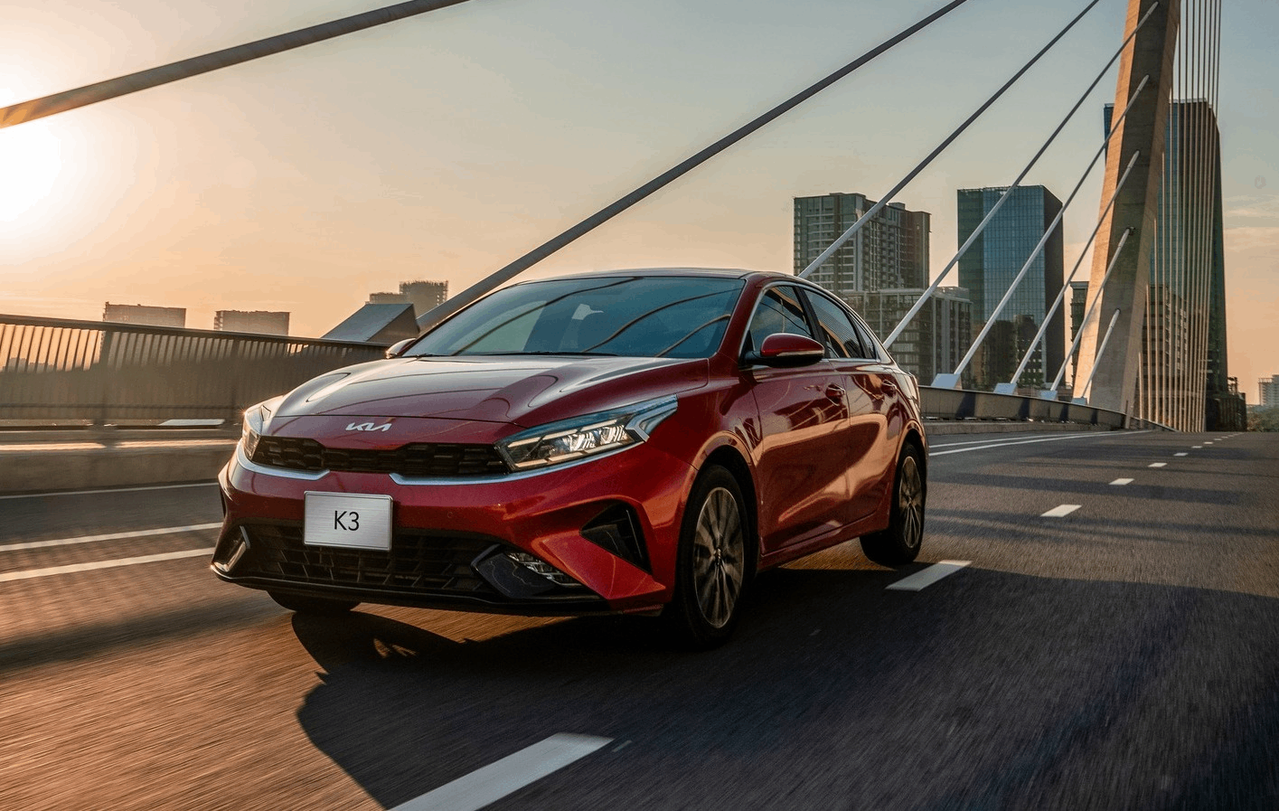
The KIA K3 was once among the best-selling C-segment sedans in Vietnam, with 11,404 units sold in 2022. However, sales plunged to 3,205 units just one year later. In 2026, the model was no longer reported separately, with its sales combined with those of the KIA Morning and Soluto. The three models together sold just 931 units in the first seven months, averaging about 310 units per model.
The Seltos, which sparked a boom in the urban SUV segment when it was first launched, continues to carry much of KIA’s sales burden, although its volumes have also fallen sharply. The B-SUV sold 12,398 units in 2022. Three years later, sales had dropped to just over half that level, at 6,577 units, while 5,271 units were sold in the first seven months of 2026.
Do Korean cars deserve to lose favor?
According to industry experts, Hyundai and KIA’s earlier success in Vietnam was built on a fairly clear formula: youthful designs, generous features and attractive prices.
For years, while many Japanese brands were seen as highly practical, sometimes even conservative, Korean automakers quickly won over buyers with attractive styling and features that seemed a class above their segments, including large screens, sunroofs, power-adjustable seats, 360-degree cameras and other conveniences.
But the market has changed dramatically over the past five years. Japanese automakers have become increasingly modern, with Toyota continuously upgrading its products and expanding its SUV lineup. The Japanese brand has also taken an early lead in fuel-efficient hybrid powertrains.
Other brands such as Honda, Mitsubishi and Mazda, as well as less mainstream names including Subaru, Suzuki and Nissan, are no longer sitting out the race on design and technology.
Ford continues to enjoy strong demand in the SUV and pickup segments with the Ranger, Everest and Territory. Meanwhile, European brands and, in particular, Chinese automakers are becoming increasingly common in the Vietnamese market.
Vietnamese consumers are changing the way they evaluate cars. Alongside design and features, they are paying more attention to fuel economy, resale value, durability, running costs and, particularly, the shift toward electrification. This has put Hyundai and KIA in a much more complex competitive environment than they faced in the past.
Still, falling sales of some older models do not mean Korean brands have lost their appeal or been pushed out of the Vietnamese market.
Instead, the two Korean automakers are seeking to reinvent themselves by shifting their focus toward models that better match current consumer trends, particularly SUVs and hybrid technology.
Hyundai has successively added the Santa Fe Hybrid, Tucson Hybrid and Palisade Hybrid to its lineup, while KIA has expanded its offerings with the Sportage Hybrid and Sorento Hybrid/PHEV.
Hoang Hiep
.svg)
