 Vietnamnet.vn

 Podcast



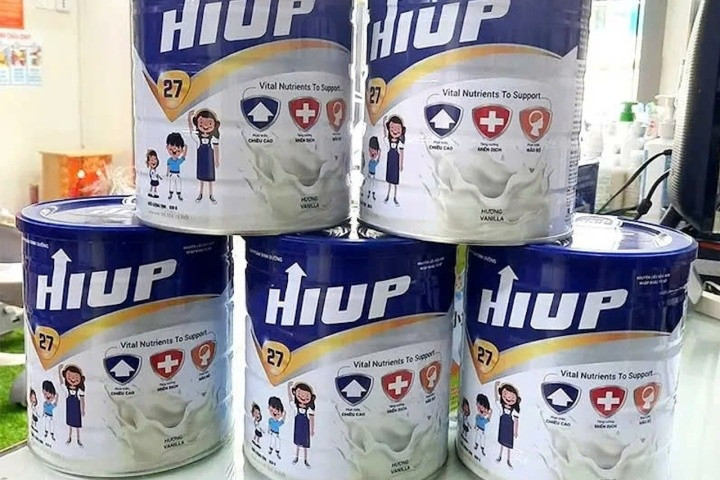
In the booming online advertising market, KOLs and celebrities are becoming trendsetters, significantly influencing public purchasing decisions and trust.
However, alongside this growth are alarming consequences when some KOLs abuse their influence, disregarding professional ethics to promote misleading products.
According to Nguyen Thi Thanh Huyen, Deputy Director of the Authority for Broadcasting and Electronic Information (ABEI), the pressing issue centered on KOLs advertising milk products with exaggerated claims. She said that no documentation for these products supports or proves such claims.
In reality, many brands provide advertising scripts with exaggerated claims, such as aiding digestion or diabetes, without scientific basis or evidence.
This leads consumers, especially parents, to trust KOLs and purchase products without thorough verification.
According to Huyen, some KOLs even involve their children in promoting the same products they endorse, leading the public to buy without questioning the product’s origin or quality. Consumers place absolute trust in KOLs, and such ads risk destroying public confidence.
The current legal framework lags behind the rapid influence of KOLs, with penalties still light and lacking deterrence.
Initiatives to support KOLs and KOCs (key opinion consumers) in developing talent, creating quality content, and avoiding legal risks have emerged but haven’t gained enough traction to form a foundation for their healthy development.
In Vietnam, KOLs and KOCs, despite operating as individuals, wield significant influence over public perception and social behavior. Yet, there’s no comprehensive legal framework to regulate their professional conduct.
The Advertising Law, Cybersecurity Law, and Consumer Protection Law only provide supplementary support, failing to address the specific nature of KOL and KOC activities.
As a result, non-transparent advertising posts, spreading false information, and illegal livestream sales by KOLs and KOCs remain widespread.
Notably, such violations are often penalized at the level of an ordinary individual account, not reflecting the scale of influence or potential harm caused.
This legal gap not only hinders regulatory efforts but also severely erodes public trust, as it’s hard for people to distinguish responsible KOLs and KOCs from those exploiting their influence for personal gain.
More dangerously, if authorities impose stringent regulations to curb these issues, it could lead to conflicts and stifle the thriving creative space.
Lieutenant Colonel Nguyen Tien Cuong from the Ministry of Public Security said: “We’re witnessing a generation of social media influencers shaping societal perception. However, they’re not yet treated as a professional occupation. This creates a legal paradox and risks to public opinion.”
ABEI Director Le Quang Tu Do has summoned and strictly handled violating KOLs, highlighting the issue’s severity.
The public has expressed outrage over the misuse of trust in celebrities for false advertising.
Tightening regulations to protect consumers
To address these issues, the amended Advertising Law, effective from January 1, 2026, introduces stricter regulations, particularly for online advertising and the role of product endorsers.
Under Article 15A of the amended Advertising Law, endorsers have the right to request accurate and truthful information from advertisers.
They must comply with consumer protection regulations, provide relevant information, and be accountable for ad content.
For KOLs and influencers, responsibilities are significantly heightened:
First, they must verify the reliability of advertised products and related documentation.
Second, they must understand the product and refrain from promoting it if they haven’t used or don’t understand it. This is key to preventing exaggerated, baseless, or false advertising.
Third, they must disclose advertising content clearly with symbols like “QC” or “Sponsored” in text or speech before and during ads to distinguish them from personal reviews or evaluations.
Huyen said that artists and celebrities must be cautious: “Don’t rely solely on scripts provided by companies. KOLs must verify product information and be discerning about ad content. Promoting unverified products risks engaging in false advertising.”
The new regulations in the amended Advertising Law, effective from early 2026, reflect the authorities’ strong commitment to fostering a transparent and healthy online advertising environment.
These rules serve not only as legal tools to address violations but also as a stern reminder to KOLs and celebrities that influence comes with responsibility.
Protecting public trust is not just a legal obligation but also a matter of professional ethics, crucial for the career and reputation of individuals in the digital space.
Tinh Le
.svg)
