 Vietnamnet.vn

 Podcast



In the spring 2026, Ho Chi Minh City is undergoing a powerful transformation, stepping into a breakthrough phase that is redefining its identity as a newly expanded mega-city and reaffirming its role as the nation’s economic locomotive through unprecedented infrastructure strides.
From vast construction sites to a defining leap forward
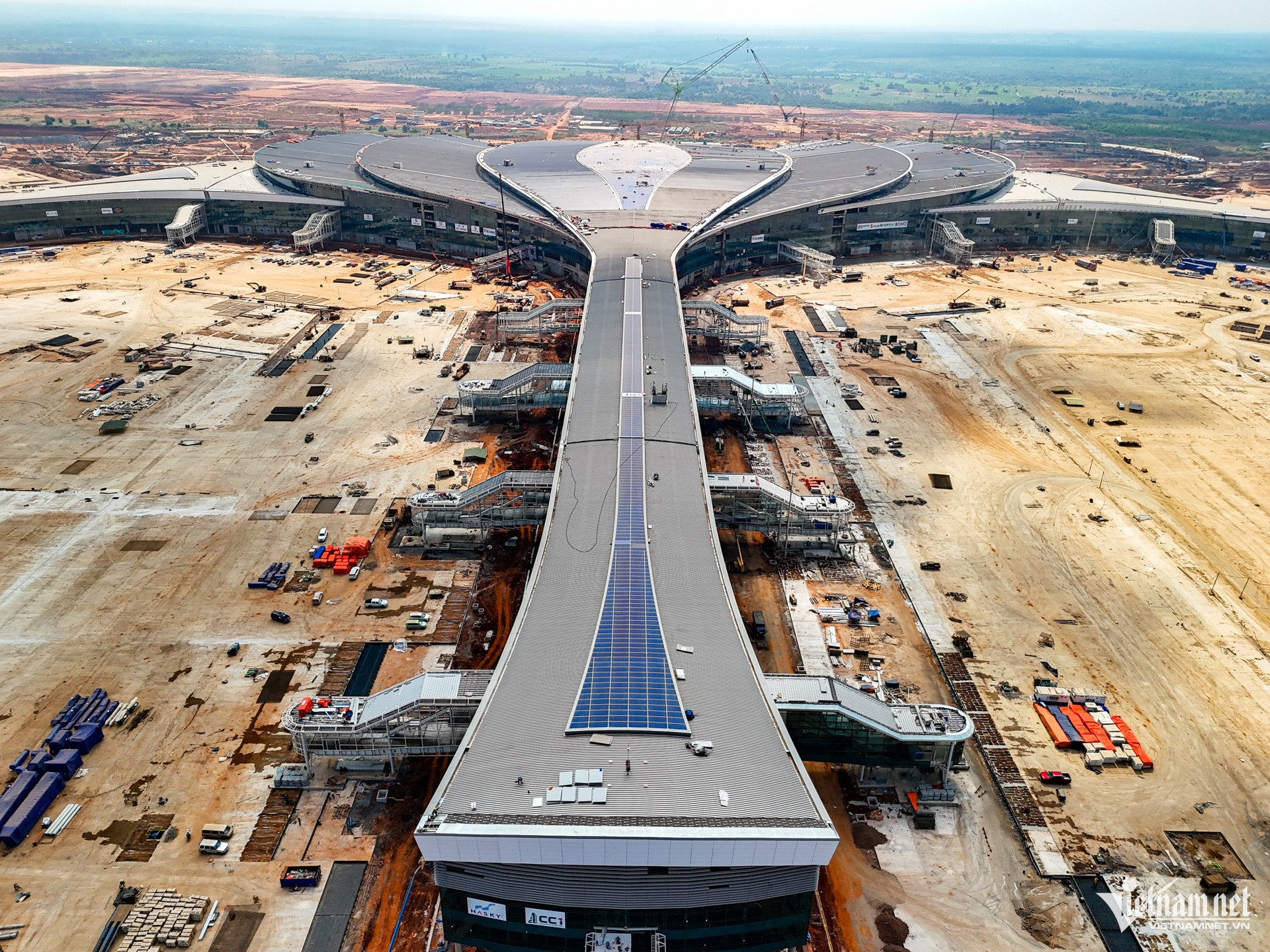
In the first days of the new year, construction sites across Ho Chi Minh City - from the urban core to major gateways - are filled with energy and urgency.
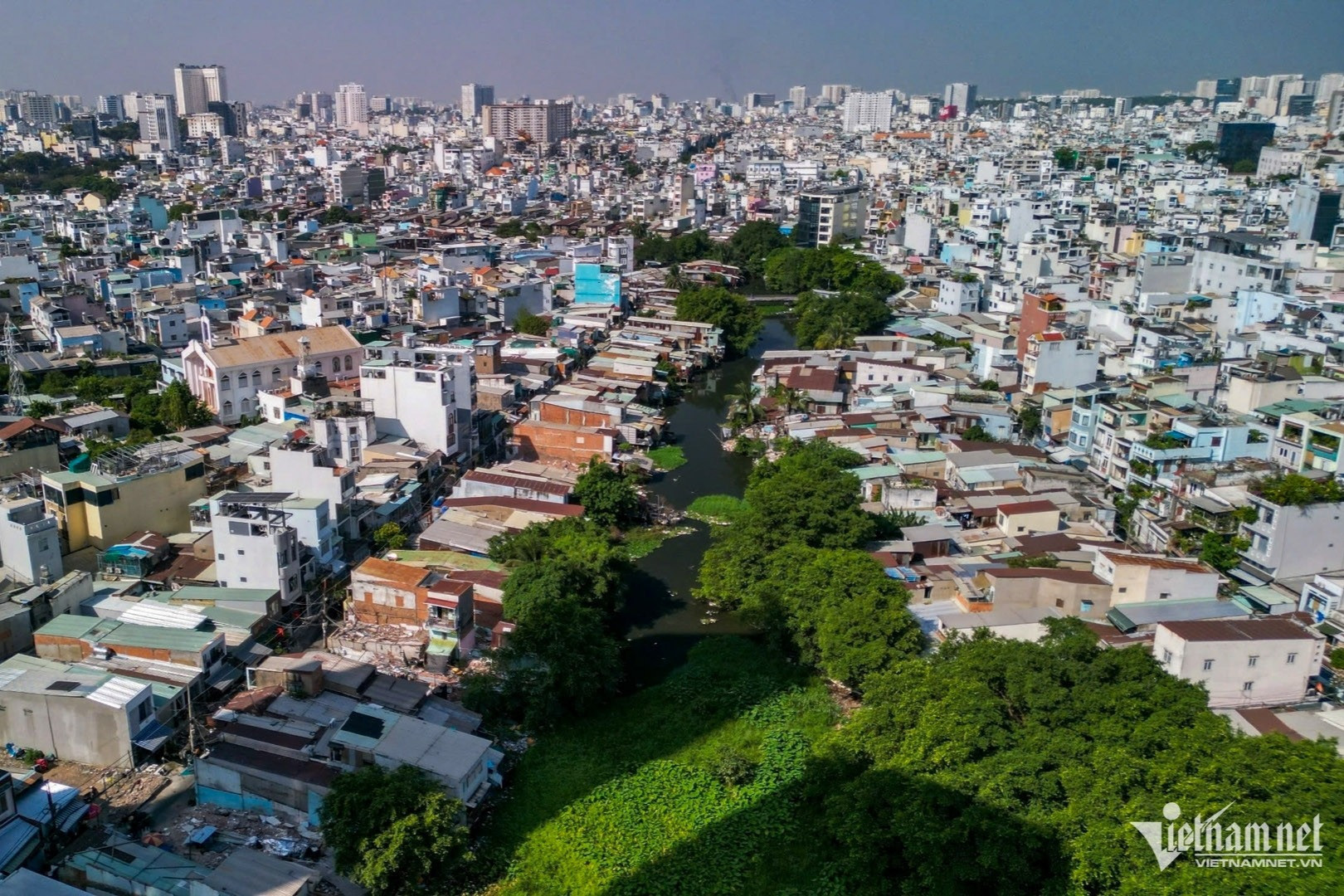
The outline of a dynamic metropolis is taking shape through an expanding network of ring roads, expressways, underground metro lines and large-scale canal rehabilitation projects.
As Long Thanh International Airport prepares to enter commercial service, Ho Chi Minh City has reinforced its position as the country’s largest economic center while maintaining its role as a crucial hub for international trade, logistics and the broader urban-port chain across the Southeast region.
This transformation goes beyond reinforced concrete. It symbolizes a renewed planning mindset: infrastructure moves one step ahead to guide development space for a multi-centered and sustainable mega-city.
Looking back at 2025, the city’s construction sector was widely recognized for breakthroughs in implementing key resolutions of the Party Central Committee and municipal authorities.
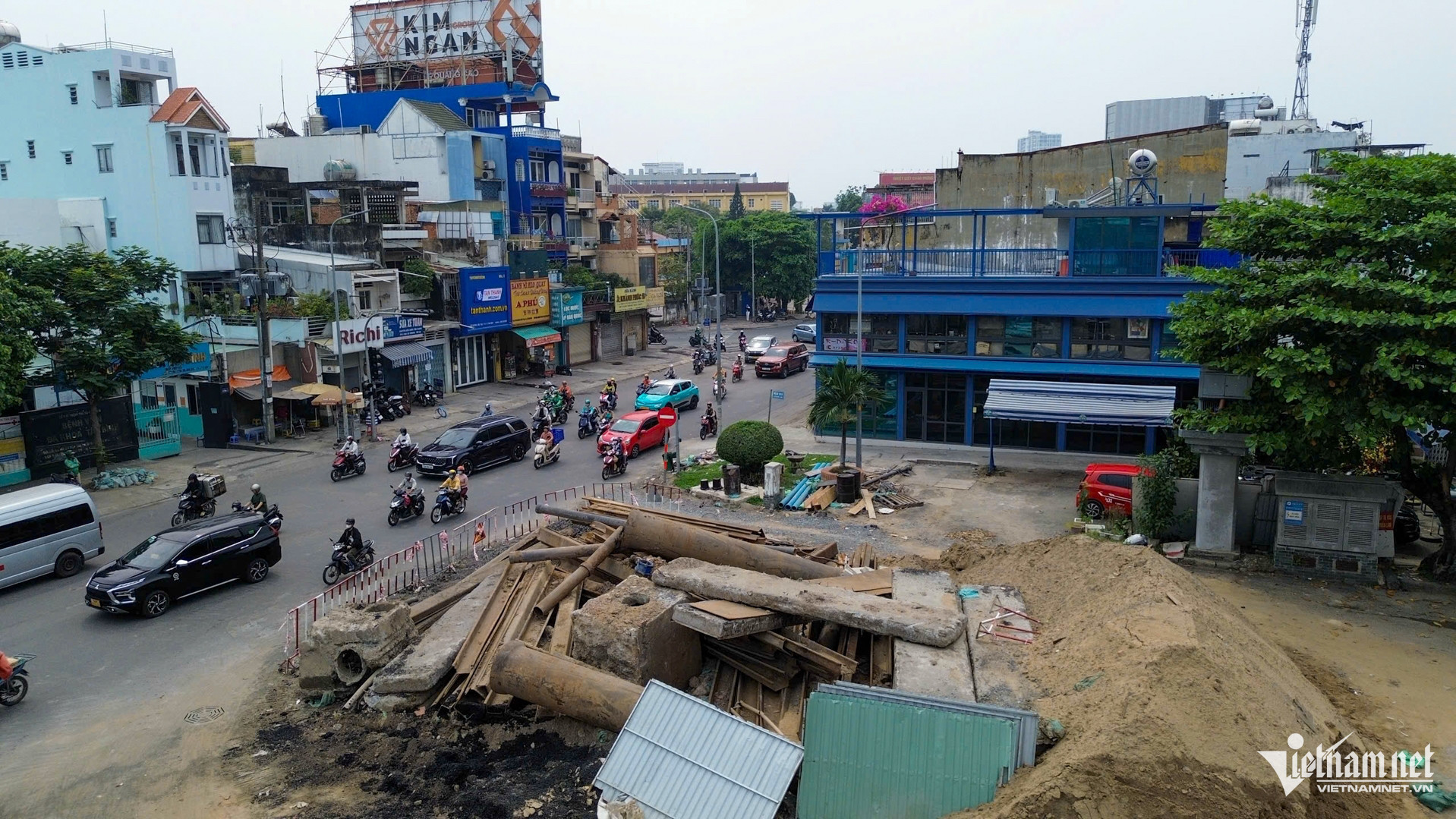
Serving as a core agency, the Ho Chi Minh City Department of Construction advised and organized the execution of a series of strategic projects, laying an essential foundation for the 2026-2030 development period. In road transport and technical infrastructure alone, the city prepared and submitted investment proposals for 20 strategic projects to competent authorities for approval.
This determination has yielded tangible outcomes. The urban railway network has made notable progress, with Metro Line 2, connecting Ben Thanh and Tham Luong, officially breaking ground in early 2026. Prior to that, the Ben Thanh - Can Gio railway line was launched at the end of 2025, opening a new southern growth axis.
A two-tier mega-city mindset
Tran Quang Lam, Director of the Ho Chi Minh City Department of Construction, noted that 2026 carries historic significance as the first year implementing the Resolution of the 14th National Party Congress and the Resolution of the first Ho Chi Minh City Party Congress for the 2025-2030 term.
It also marks the second year the city operates under a two-tier local government model following administrative consolidation, forming a newly expanded Ho Chi Minh City with broader development space.
Under the city’s socio-economic development plan this year, the construction sector has been assigned key targets closely tied to public welfare.
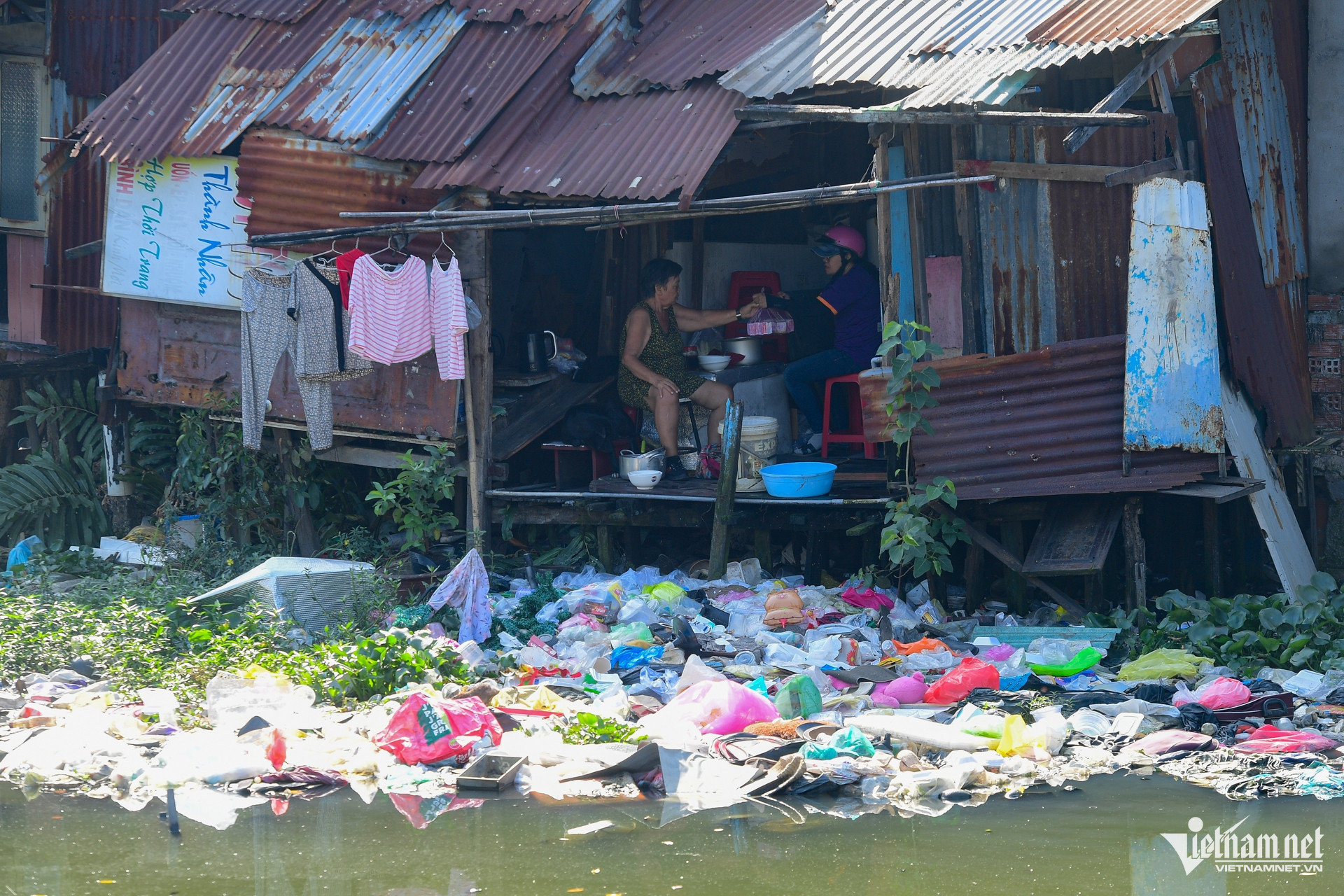
Specifically, the city aims to increase the proportion of land allocated to transport infrastructure to 16 percent of total urban construction land; ensure wastewater collection and treatment meets regulatory standards; complete the relocation of nearly 2,000 houses along canals; and develop 28,500 social housing units to create more civilized living spaces for residents.
Beyond housing targets, Ho Chi Minh City is placing strong emphasis on “softening” urban space through inland waterway infrastructure. The renovation of Bach Dang Wharf, upgrades to inland water terminals and riverbank erosion control projects not only enhance urban safety but also harness the distinctive advantages of the city’s riverine landscape.
The integration of modern technical infrastructure with natural scenery is expected to transform Ho Chi Minh City into a more livable metropolis, where every project ultimately serves the community.
Unblocking trillion-dong corridors, reconnecting regional lifelines
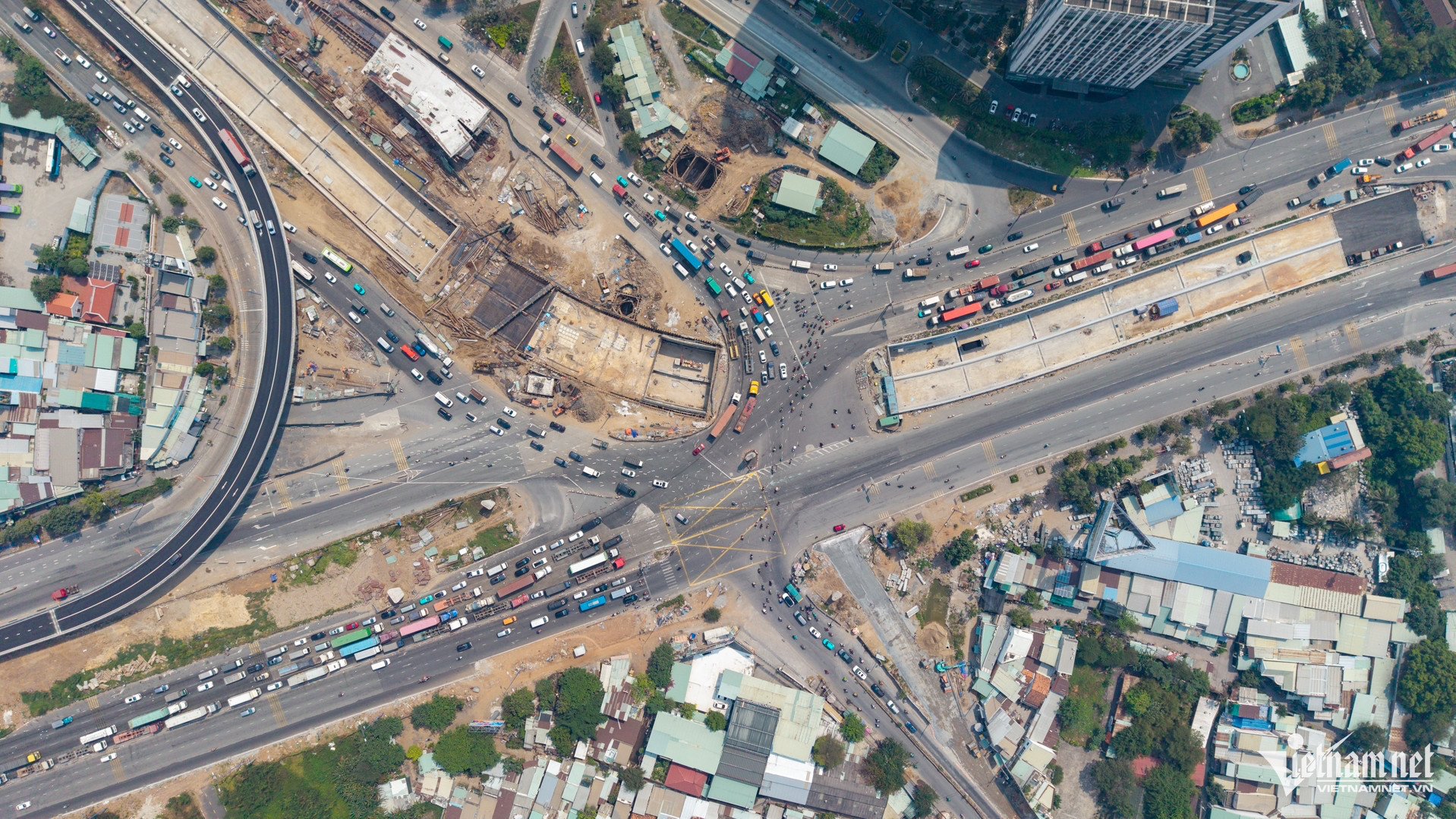
According to leaders of the Ho Chi Minh City Department of Construction, the centerpiece of the 2026 infrastructure campaign is synchronized regional connectivity in line with the 2021-2030 City Master Plan, with a vision to 2050.
The city targets the groundbreaking of around 15 major strategic projects, including Ring Road 4 and the Ho Chi Minh City - Moc Bai Expressway. Landmark works such as the Can Gio - Ba Ria Vung Tau sea-crossing bridge and Thu Thiem 4 Bridge are also on the agenda.
In parallel, 12 large-scale projects are slated for completion and operation, including Ring Road 3, key interchanges at An Phu and My Thuy, and the environmental improvement project along the Tham Luong - Ben Cat - Nuoc Len canal.
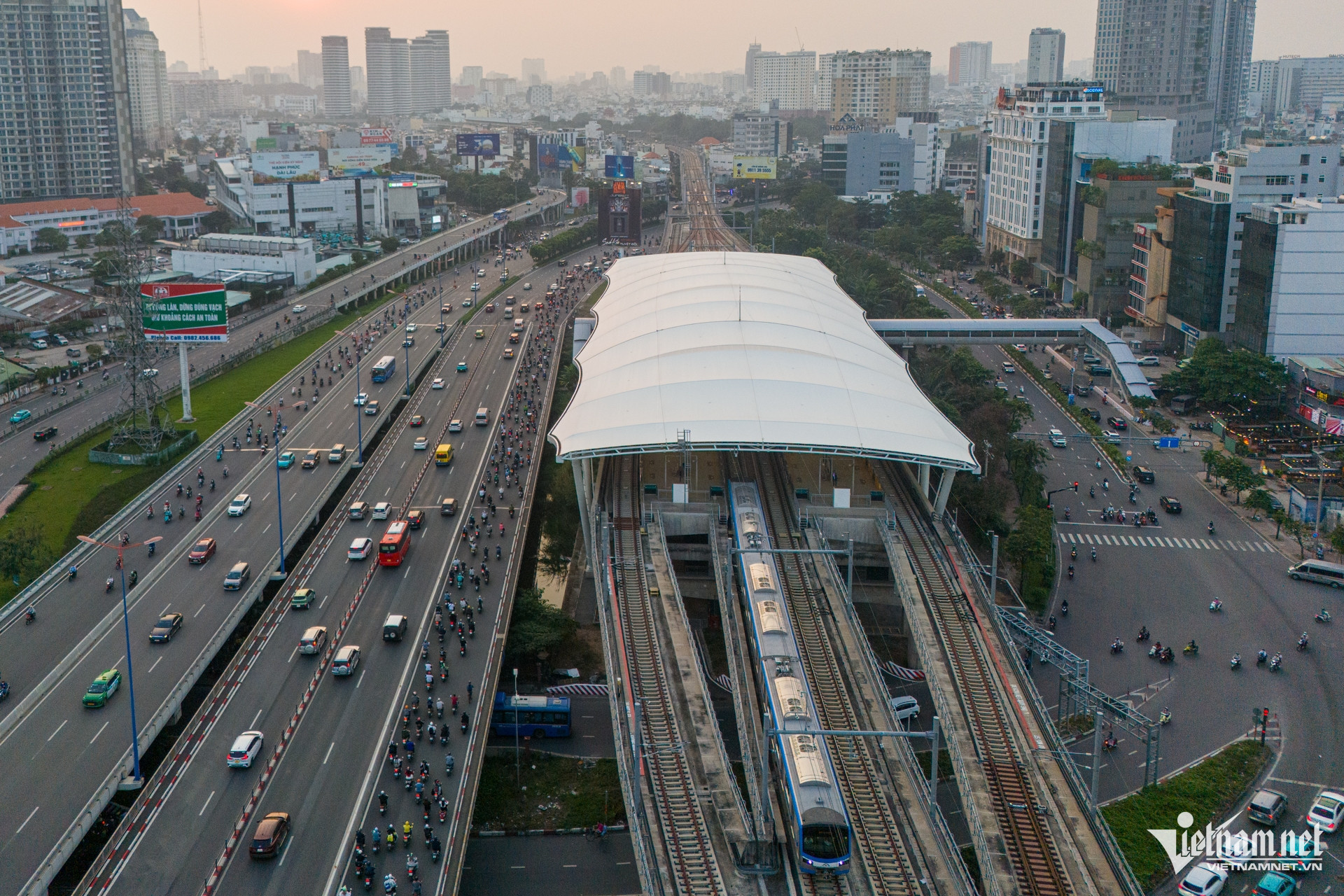
Notably, breakthroughs in the urban railway network and aviation infrastructure are raising expectations for a modern public transport system. The stable operation of Metro Line 1, linking Ben Thanh and Suoi Tien, alongside the strong launch of Metro Line 2, demonstrates the city’s determination to prioritize high-capacity transport and resolve long-standing bottlenecks.
Plans to extend these metro lines are expected to serve as a catalyst reshaping the southern economic landscape. Metro Line 1 has received in-principle approval for extension to the administrative center of Dong Nai and connection to Long Thanh Airport, forming a backbone corridor that shortens distances between the urban core and surrounding industrial satellites.
Meanwhile, Metro Line 2 will extend toward Thu Thiem and integrate with the Long Thanh - Thu Thiem railway, creating a seamless multimodal transport network.
The completion of these projects will ease inner-city traffic pressure and ensure comprehensive connectivity across road, rail, waterway and air transport.
Beyond land transport, the strategy to expand development space toward the sea through the Can Gio International Transshipment Port, combined with upgrades to the seaport system and linkages with the Cai Mep - Thi Vai port cluster, is shaping a multi-layered transport structure.
The bridges rising and expressways stretching across the landscape today are not merely engines of economic growth. They are enduring foundations that enable Ho Chi Minh City to affirm its leadership role and confidently embrace its trajectory as one of Southeast Asia’s most modern and sustainable mega-cities.
Tuan Kiet
.svg)
