 Vietnamnet.vn

 Podcast



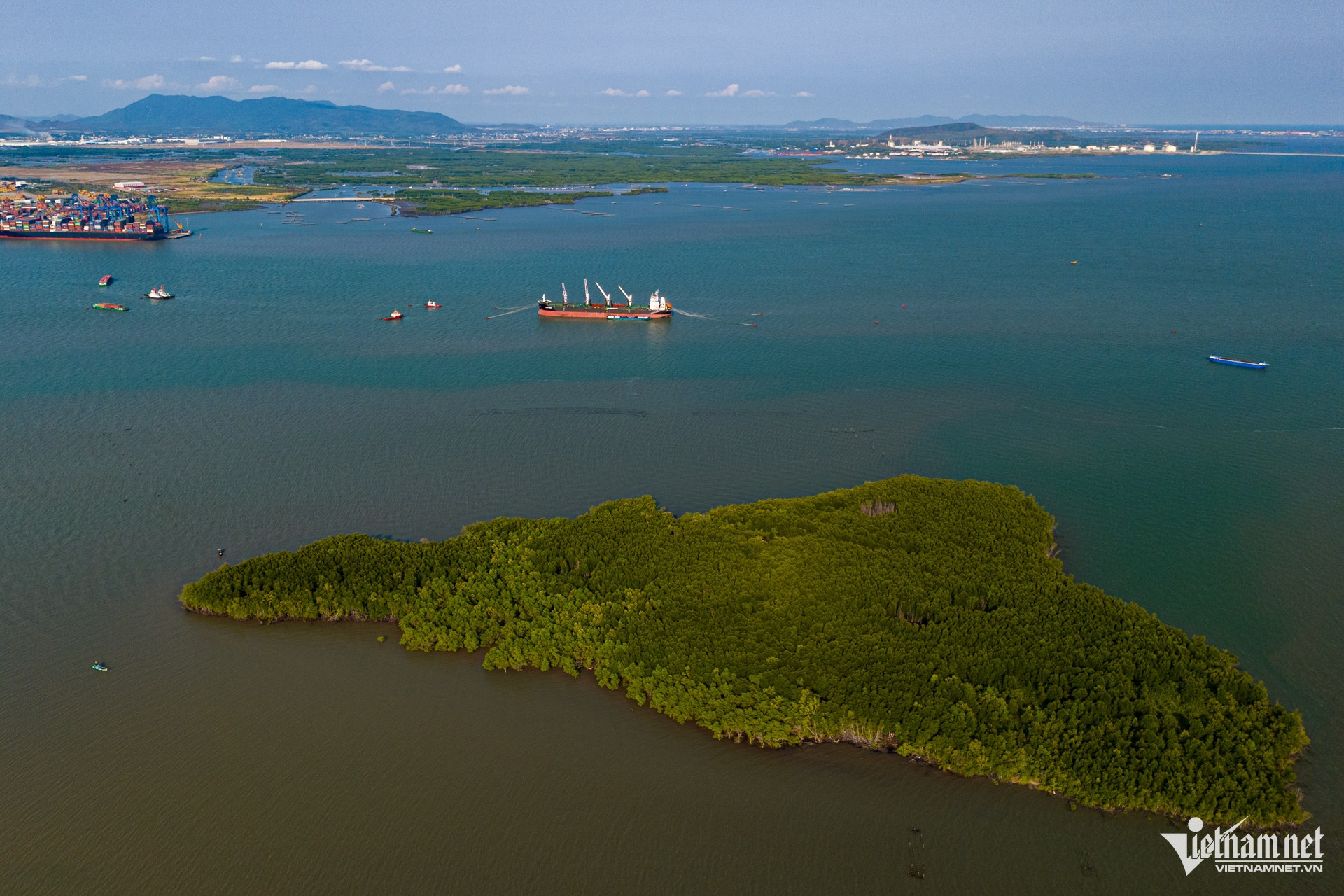
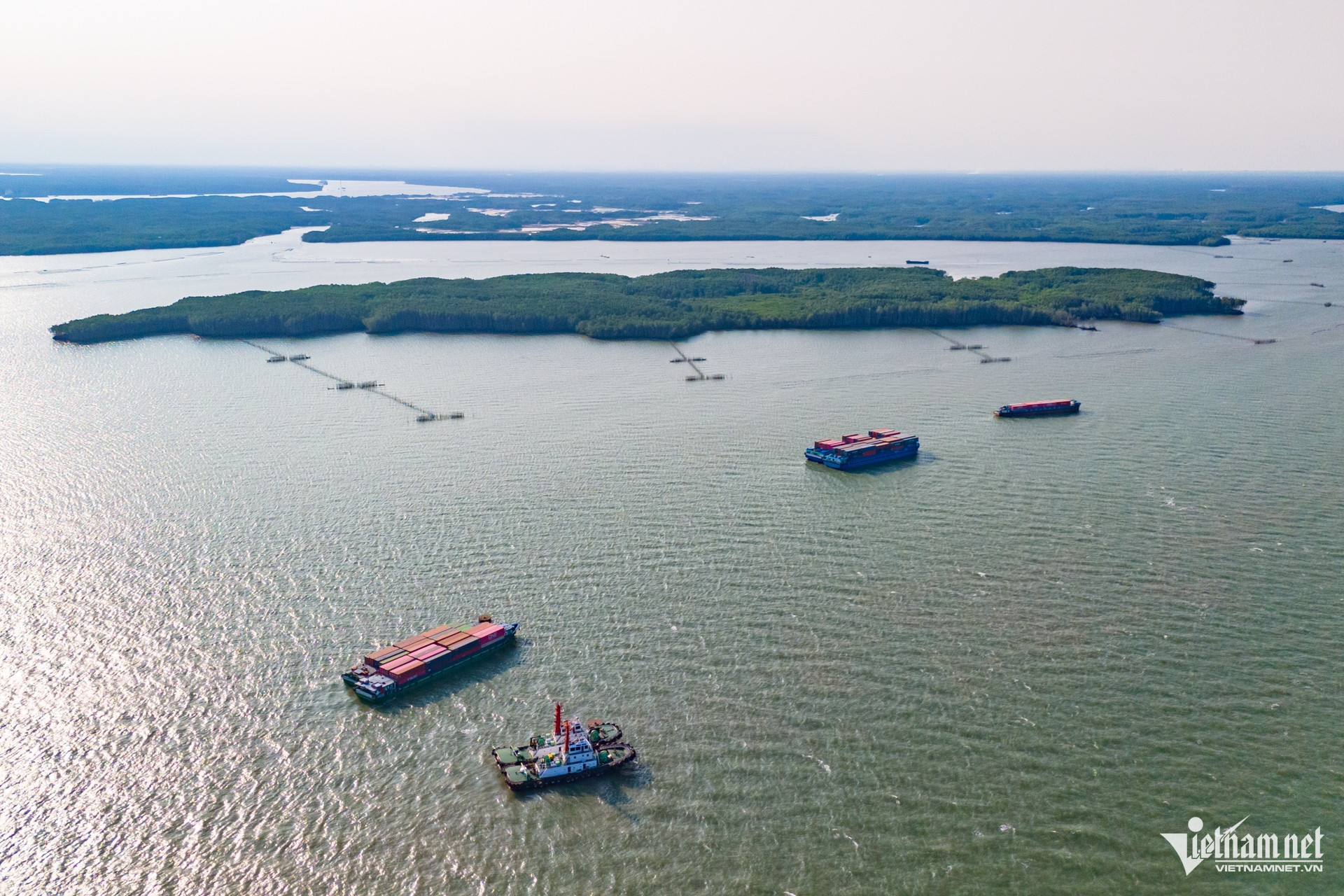
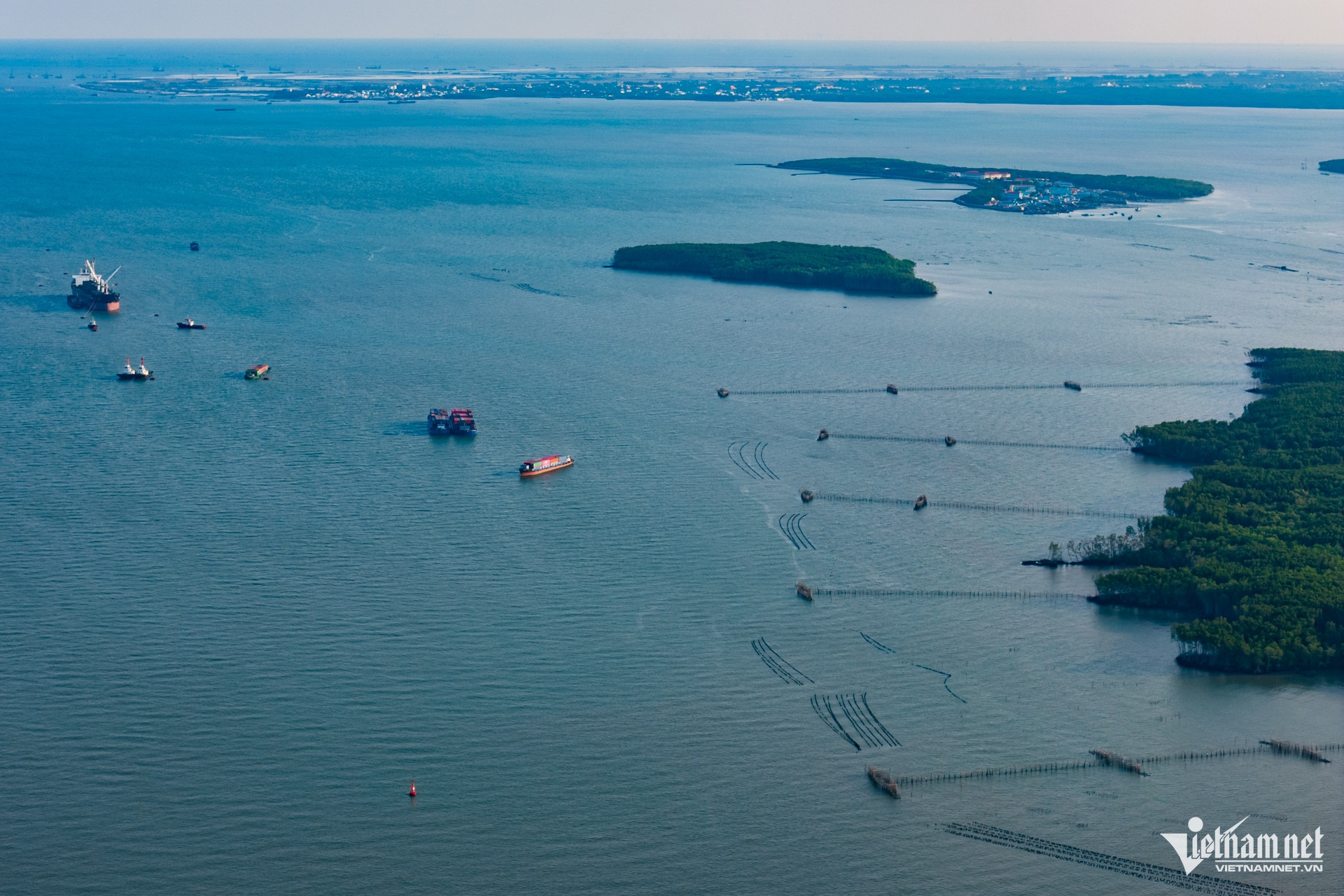
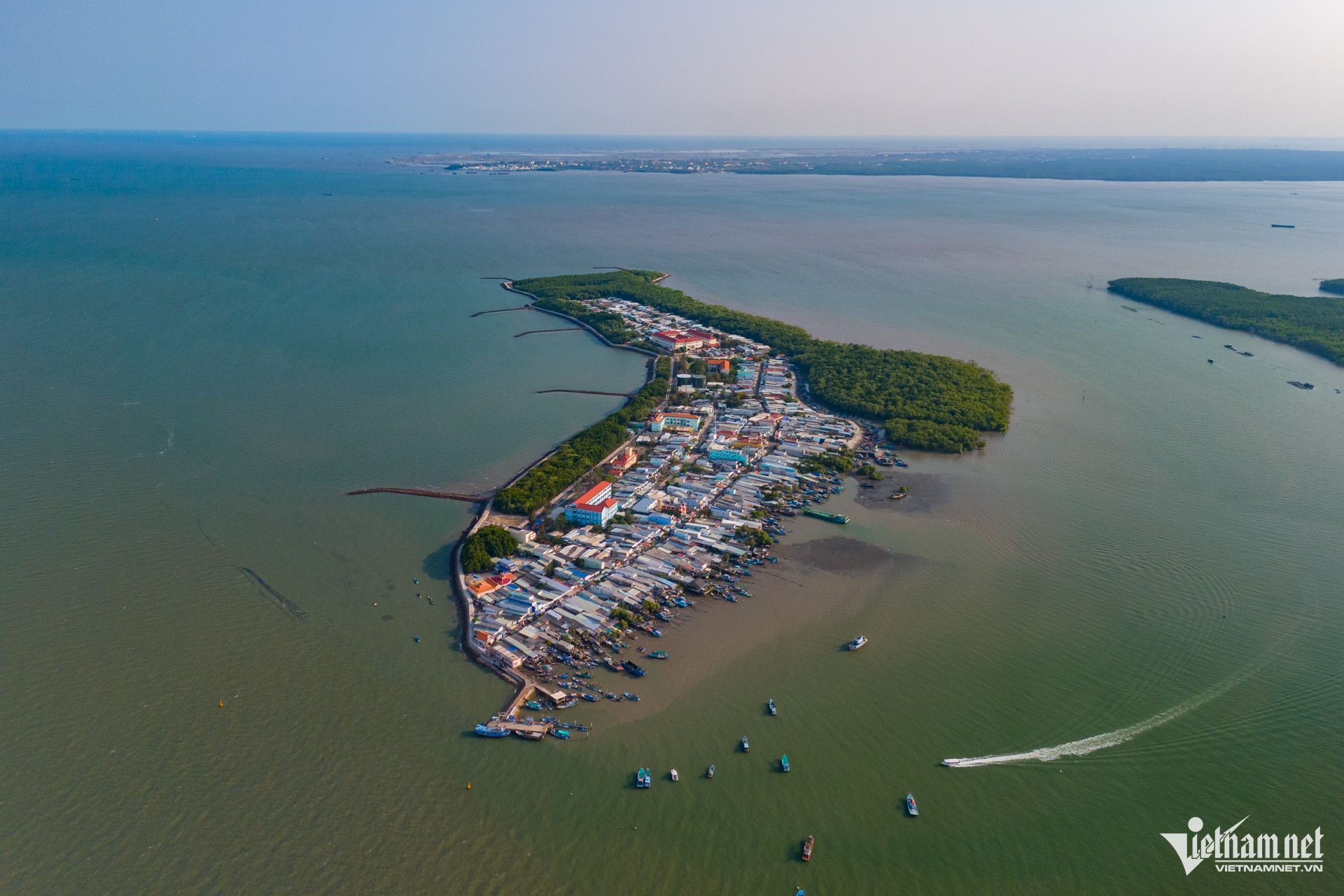
The port is planned for Phu Loi islet, at the mouth of the Cai Mep River in Thanh An commune, Ho Chi Minh City. The project carries a total investment of more than VND128,800 billion (US$5 billion).
A strategic investor consortium has recently been finalized, marking a significant milestone for the project.
The selected consortium includes VIMC, Saigon Port, and Terminal Investment Limited Holding S.A. - a member of MSC, the world’s largest container shipping line. The foreign partner will hold a 49 percent stake, bringing with it cargo flows and a global shipping network.
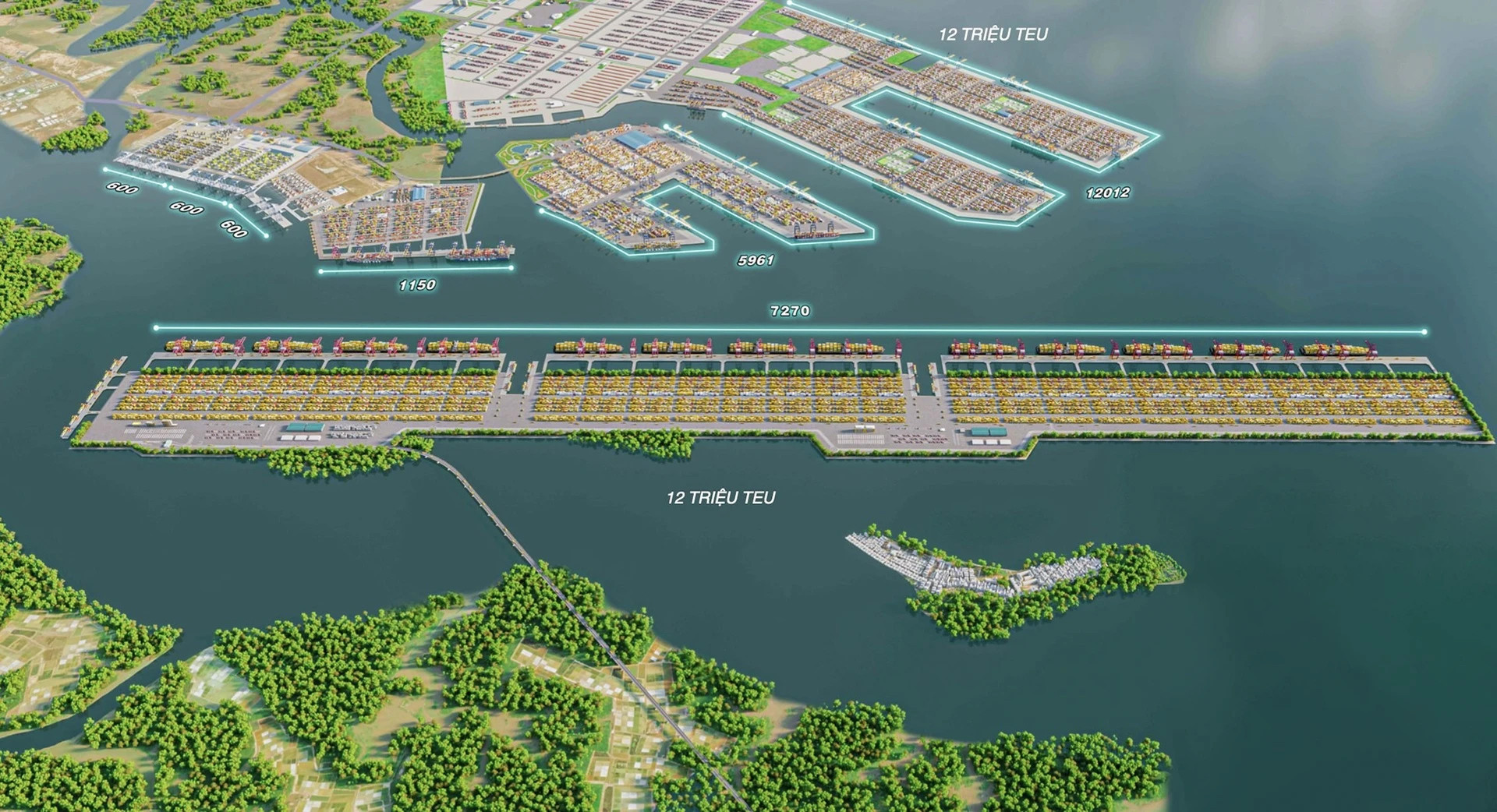
The project spans 571 hectares, with a main wharf stretching about 7 to 7.5 kilometers, capable of accommodating container vessels of up to 250,000 tonnes.
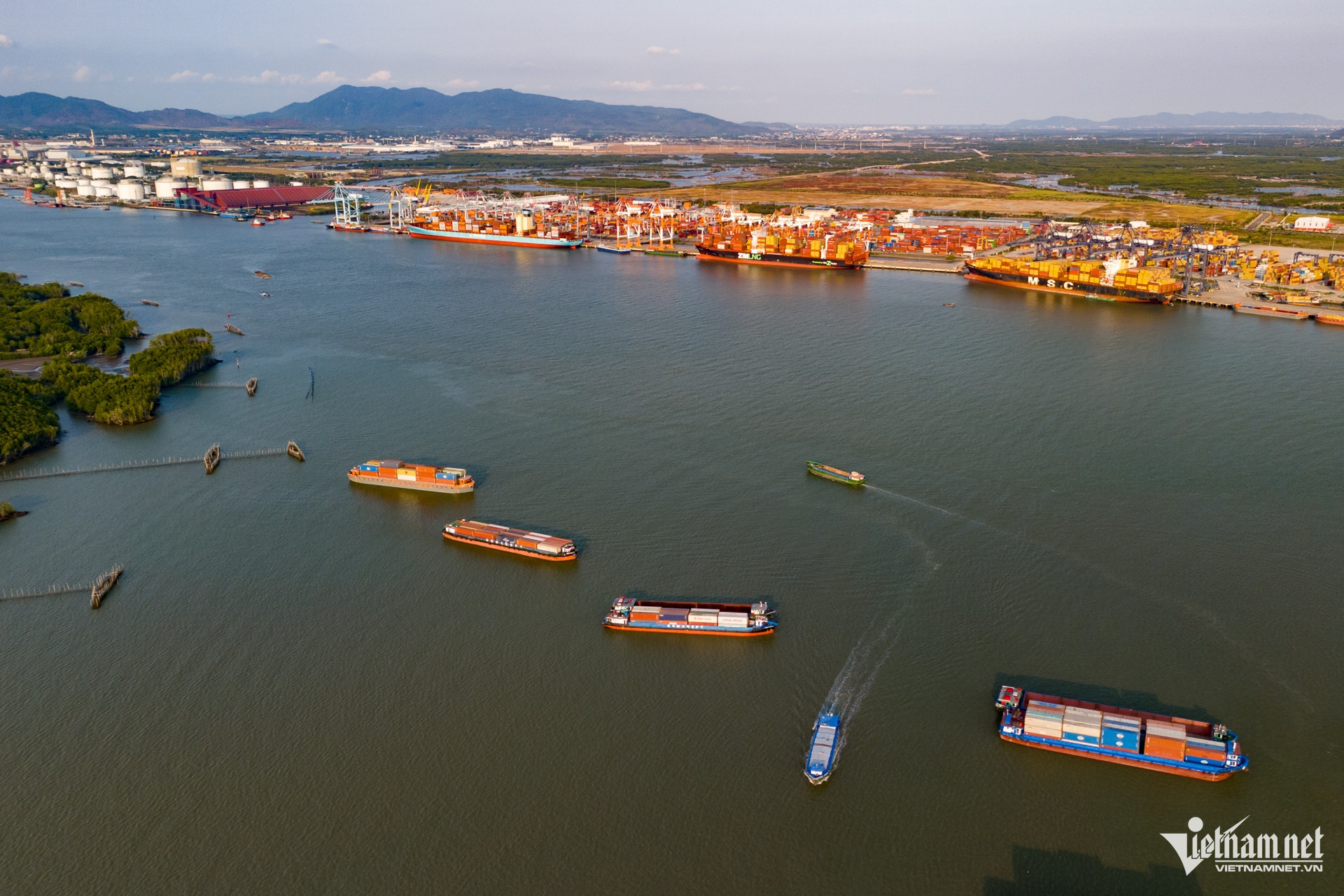
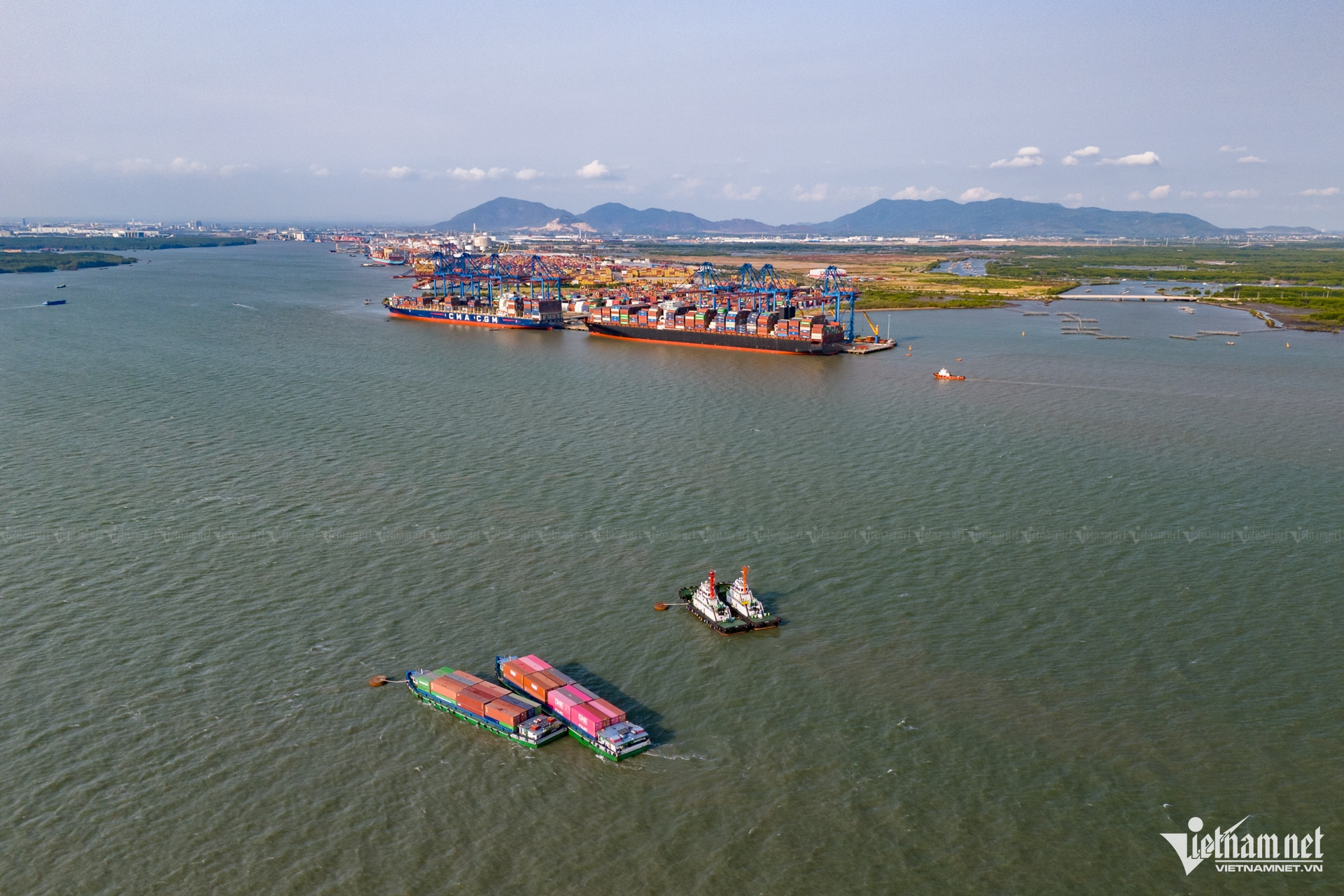
Located less than 2 kilometers from the Cai Mep - Thi Vai port cluster as the crow flies, the site currently lacks direct road connectivity.
Under the master plan, by 2030 the port will develop 2 to 4 berths with a total length of more than 2 kilometers, reaching a capacity of about 4.8 million TEUs. By 2047, the system is expected to expand to 13 berths, with a total capacity of 16.9 million TEUs, capable of handling the largest container ships.
To complete connectivity infrastructure, Ho Chi Minh City plans to build the Can Gio bridge before 2029, linking the area with Nha Be district.
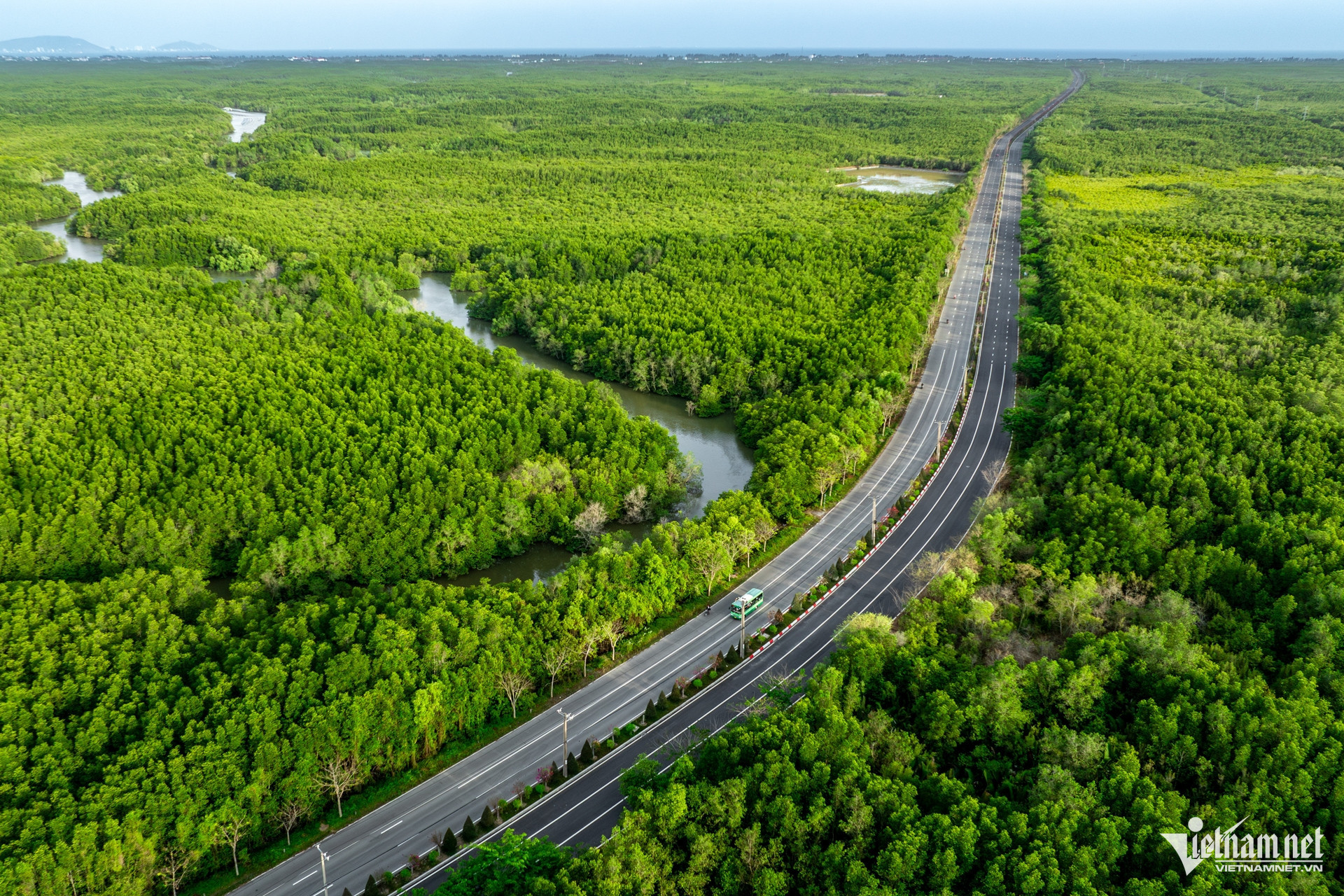
At the same time, the Rung Sac road will be expanded to 10 lanes, connecting to the Ben Luc - Long Thanh expressway. After 2030, the city will continue investing in direct access roads to the port and an elevated route along this corridor.
The city has also imposed strict conditions on investors. The project cannot be transferred within 10 years from land allocation; at least VND50,000 billion (US$1.9 billion) must be disbursed within the first decade; and the entire project must be completed within 20 years. These requirements are aligned with Resolution 98 and Resolution 260.
Authorities also require investors to balance transshipment cargo with import-export flows to avoid disrupting nearby ports, while ensuring the protection of Can Gio’s unique ecosystem.
Once completed, the port is expected to become a major international container transshipment hub, enhancing Vietnam’s position in global logistics chains. The project is projected to generate annual revenue of VND34,000-40,000 billion (US$1.3-1.6 billion), create 6,000 to 8,000 direct jobs, and tens of thousands of indirect jobs.
Nguyen Hue
.svg)
