 Vietnamnet.vn

 Podcast



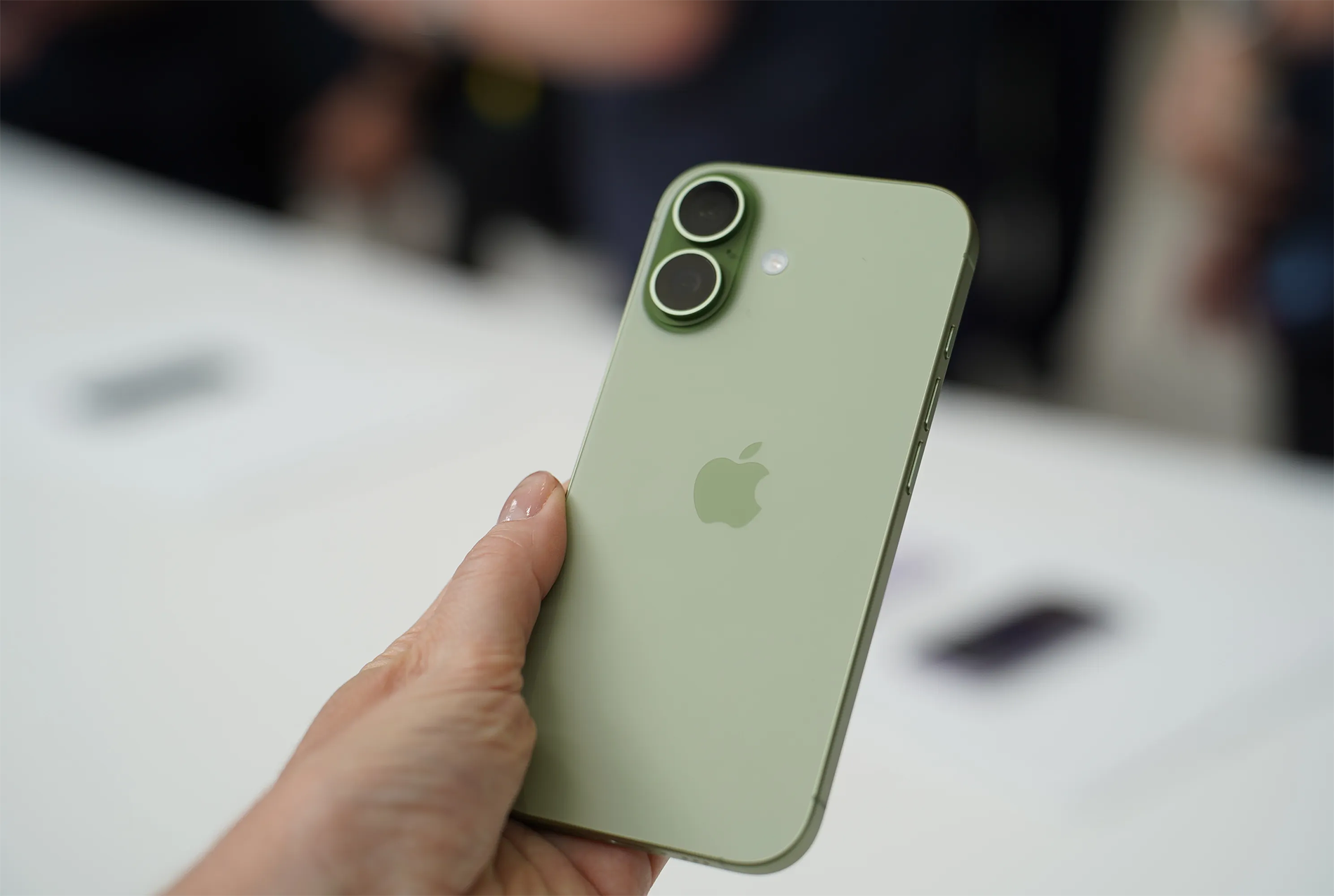
If current reports about Apple’s iPhone 18 launch schedule prove accurate, the iPhone 17 could spend around 18 months as the company’s main standard flagship.
iPhone 4 held the top spot for nearly 16 months
When Apple launched the iPhone 17 in September 2025, the clock began ticking toward a record that had stood for 15 years.
That record belongs to the iPhone 4, which enjoyed an unusually long reign as Apple’s flagship iPhone.
The iPhone 4 went on sale in June 2010 and remained Apple’s top iPhone until October 2011. During that period, Apple shifted its main iPhone launch cycle from summer to fall, allowing the iPhone 4 to stay at the top of the lineup for nearly 16 months.
The extended wait also proved frustrating for some consumers. Those expecting an entirely new “iPhone 5” ultimately got the iPhone 4S, a device whose appearance was largely unchanged from the iPhone 4.
The more important upgrades, however, were on the inside.
The iPhone 4S marked the debut of Siri on the iPhone while also bringing camera improvements and better performance.
So although it did not introduce an entirely new design, the iPhone 4S still represented a meaningful technological step forward.
The iPhone 4 itself also had an unusual release schedule.
In the US, AT&T was Apple’s exclusive iPhone carrier at the time and became the first operator to sell the iPhone 4.
Six months later, Verizon became the second US carrier to offer the device.
The white version of the iPhone 4 took even longer, arriving around 10 months after the original launch following repeated delays. As a result, the iPhone 4 effectively had several distinct release points over the course of its product life.
Since then, no mainstream flagship iPhone has truly surpassed the length of the iPhone 4’s reign.
The closest was the iPhone 11 Pro.
After the iPhone 12 was delayed by the COVID-19 pandemic, the iPhone 11 Pro remained at the top of Apple’s lineup for around 13 months.
Some other iPhone families have seen considerably longer gaps between generations, including the iPhone SE, SE 2 and iPhone 16e.
However, these were not Apple’s mainstream flagship models upgraded on the company’s annual cycle, making direct comparisons with the iPhone 4 record less meaningful.
iPhone 17 could break the record in 2027
What makes the iPhone 17 particularly notable is that it now has a strong chance of overtaking the iPhone 4.
According to current reports, the standard iPhone 18 may not arrive until spring 2027.
If that schedule materializes, the iPhone 17 would remain Apple’s main standard iPhone for around 550 days, or close to 18 months.
That would comfortably exceed the 477 days, or roughly 15.7 months, achieved by the iPhone 4.
Based on the timelines currently being predicted, the iPhone 17 launched in September 2025 and could remain in place until the iPhone 18 arrives in spring 2027.
By comparison, the iPhone 4 was released on June 24, 2010, and gave way to the iPhone 4S on October 14, 2011.
The iPhone 11 Pro launched on September 20, 2019, and was replaced by the iPhone 12 Pro on October 23, 2020, spending around 399 days at the top.
If the current schedule holds, the iPhone 17 would establish a new milestone for the length of time a standard iPhone generation remains Apple’s leading model before being replaced.
But users will not wait 18 months for every upgrade
Even if the iPhone 17 does break the record, the longer cycle does not mean Apple users will have to wait until 2027 to see new iPhones.
One important difference between the iPhone 4 era and today is the existence of Apple’s iPhone Pro lineup.
During the transition from the iPhone 4 to the iPhone 4S, customers wanting an entirely new iPhone had little choice but to wait for the next generation.
Apple now has a much more layered product lineup.
While the standard iPhone 17 could remain in its position for an unusually long period, new iPhone Pro models are still expected to arrive on an annual cycle.
That means customers looking for Apple’s latest hardware will still be able to choose new Pro models rather than waiting for the next standard iPhone generation.
More significantly, the transition between the iPhone 17 and iPhone 18 is also expected to bring an entirely new product: a foldable iPhone, potentially representing the biggest hardware change in the history of the iPhone.
A foldable iPhone could mark a major shift in both device design and the way people use their phones.
But when it comes specifically to the standard iPhone cycle, the iPhone 17 remains on course to become the model with the longest reign at the top of Apple’s lineup.
Hai Phong
.svg)
