 Vietnamnet.vn

 Podcast



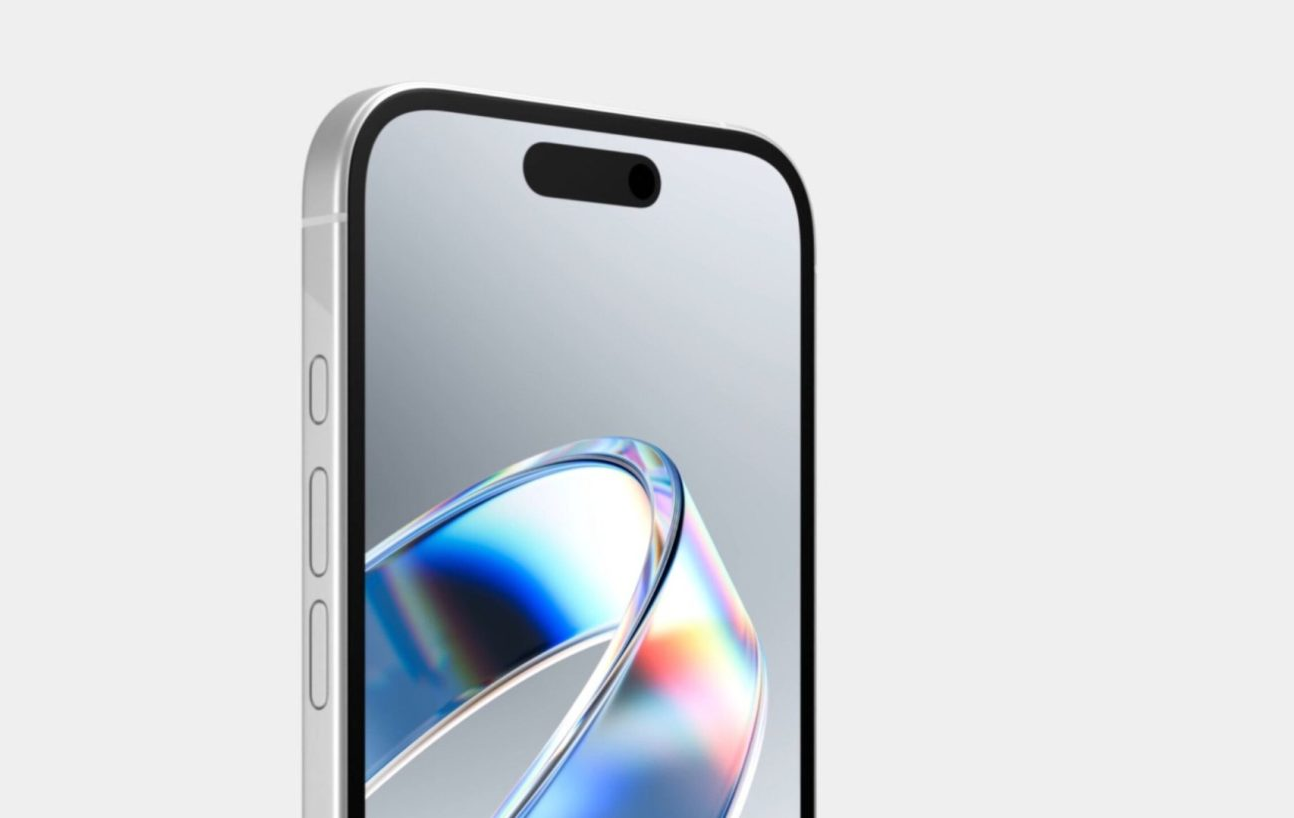
The iPhone 17e is expected to drop the notch design. Photo: FPT
Google’s affordable smartphone line has emerged as a formidable rival to the iPhone 17e, offering compelling features at a price roughly US$100 lower.
On February 18, Pixel 10a officially debuted with a refined Tensor G4 processor and a commitment to operating system updates for a full year. Around the same time, Apple is rumored to be preparing the launch of the iPhone 17e, expected to feature MagSafe support and an upgraded chip.
At first glance, both devices appear to bring only incremental improvements. Yet a closer look at the specifications suggests that Pixel 10a may still offer better overall value for mainstream users. Not only is the iPhone 17e expected to cost US$100 more, it is also rumored to lack several upgrades that have long been standard on Google’s budget Pixel line.
Camera: Two lenses are still better than one
Apple’s high-end iPhones have long earned praise from photographers and content creators for their powerful camera systems. Professional users can switch between ultra-wide, wide and telephoto lenses, capturing everything from close-ups to distant subjects with flexibility.
However, Apple’s serious investment in mobile photography does not appear to extend as clearly to its non-flagship models.
When Apple launched the iPhone SE with just a single rear camera in 2020, the decision was more acceptable given the low price. Today, the “e” line is positioned in the mid-range segment, yet its camera system still reflects a budget mindset. If the iPhone 17e is not truly inexpensive, the absence of a second rear camera becomes harder to justify.
A direct comparison with Pixel 10a puts Apple at a disadvantage. For years, Google’s affordable Pixel models have included both wide and ultra-wide cameras, despite being priced significantly lower than the “e” series iPhones. If Google can deliver this combination, the question is why Apple has not followed suit.
Beyond hardware, Pixel 10a benefits from AI-driven photography. Android users can access exclusive features such as Best Take and advanced editing tools that are not yet available on iOS. Meanwhile, it is difficult to expect the iPhone 17e to introduce major new imaging capabilities beyond what is already found on the standard iPhone 17 line.
Display: Low refresh rate remains a major drawback
In the era of booming digital content, smartphone displays play a crucial role. Pixel 10a once again takes the lead with a screen that is larger, brighter and smoother.
The iPhone 17e is likely to retain a 60Hz refresh rate, a specification increasingly viewed as outdated in this segment. Pixel 10a, by contrast, continues to offer 120Hz, delivering noticeably smoother motion.
In addition, Pixel 10a features a 6.3-inch display that is nearly twice as bright as the 6.1-inch screen on the iPhone 17e, making outdoor use more comfortable.
Design: Nostalgia is no longer a trend
Apple largely phased out the notch on its premium iPhones with the introduction of Dynamic Island in 2022. Yet the notch design reportedly persists on the “e” line, making the device appear dated and less appealing.
Pixel 10a adopts a punch-hole front camera design, a look long rumored for iPhones and widely regarded as more modern.
Apple has also faced criticism for its limited color choices on the “e” line. Current models are available only in white or black, and the next generation may not change that. In contrast, Google’s mid-range Pixel devices come in more vibrant colors, offering a youthful and distinctive feel that should not be reserved only for flagship smartphones.
Battery: Enough or long-lasting?
Both iPhone 17e and Pixel 10a are expected to maintain battery capacities similar to their predecessors. With a 5,100mAh battery, Pixel 10a is likely to deliver longer usage time than the iPhone 17e.
Although the new iPhone may use a more power-efficient A19 chip along with improved modem and connectivity components, these upgrades may not translate into a substantial real-world battery advantage.
One rare bright spot for Apple is that the iPhone 17e may finally support MagSafe.
Price: US$100 is significant
Ultimately, price remains the most critical factor for buyers in the affordable segment, and here Google holds the advantage.
The 128GB Pixel 10a retains a starting price of US$499, while the 128GB iPhone 17e is expected to begin at US$599. In the mainstream market, a US$100 gap is far from trivial.
In the past, many users were willing to pay more for an iPhone despite weaker specifications because of Apple’s tightly integrated ecosystem. But the landscape has changed. Google now offers features once considered “iPhone exclusives,” from quick file sharing similar to AirDrop to RCS messaging that provides an experience comparable to iMessage, along with a long-term feature update commitment of up to seven years.
Data transfer between platforms has become easier, and most popular apps function smoothly across operating systems. As a result, fewer consumers are willing to spend more on a device that offers fewer capabilities, especially when more attractive alternatives are clearly available.
Hai Phong
.svg)
