 Vietnamnet.vn

 Podcast



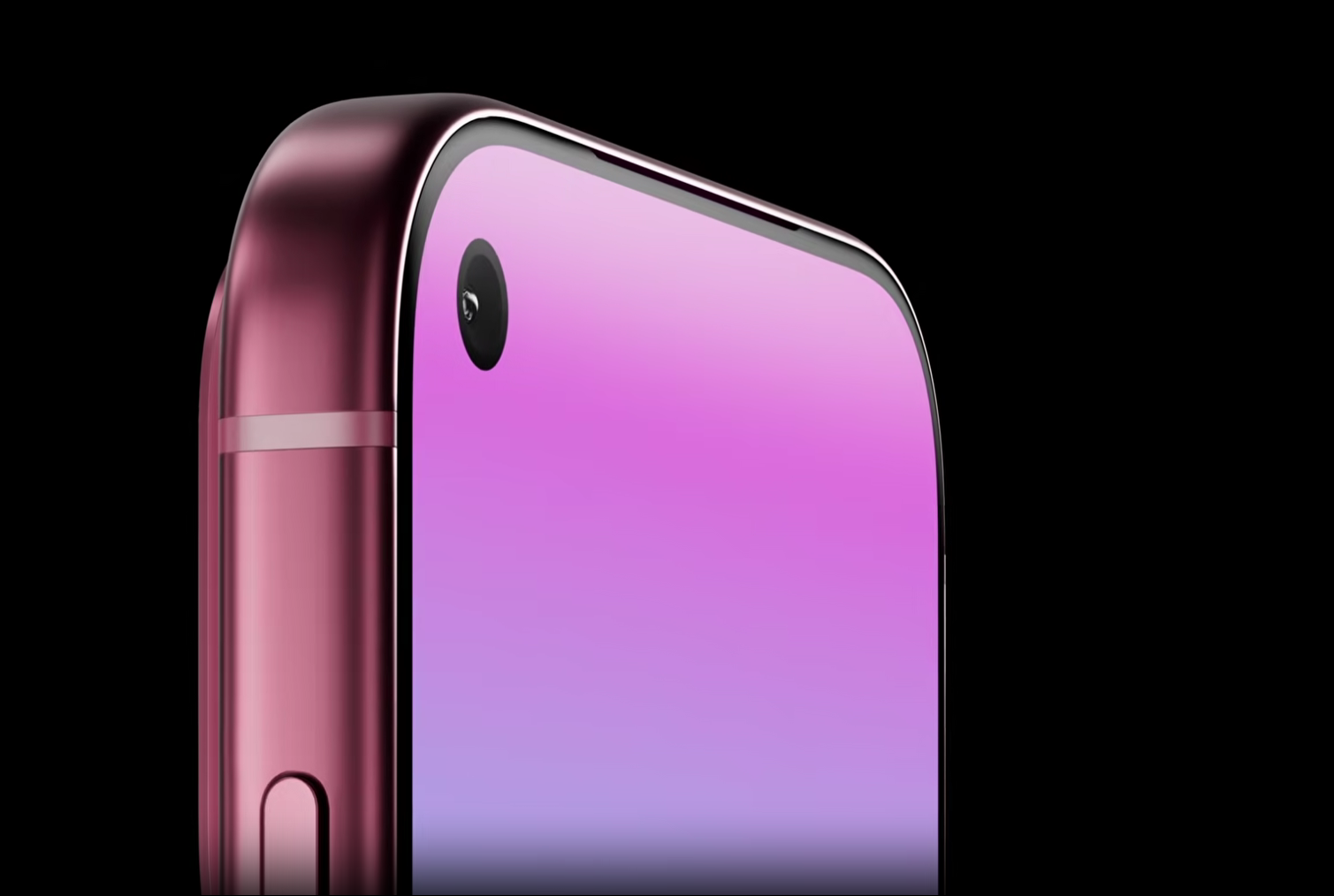
Amid an industry-wide climb in component prices, even Apple, long considered a dominant “whale” buyer in the semiconductor market, is not immune. Ultimately, it may be consumers who foot the bill for this supply crunch.
According to recent reports, Apple has failed to leverage its scale to negotiate down memory prices. Despite being one of the largest clients of Samsung and SK Hynix, Apple is being affected by a global surge in chip prices that shows no signs of slowing.
Samsung has reportedly proposed memory chip price hikes of up to 80% for Apple, while SK Hynix is pushing even higher, with increases nearing 100%. These staggering figures reflect severe supply-demand imbalances, largely fueled by the booming artificial intelligence sector.
The root cause of the crisis lies in the explosion of AI data centers, which have created insatiable demand for DRAM and high-performance flash memory. As global supply tightens, prices are skyrocketing - pressuring even the most powerful tech giants.
Unsurprisingly, major memory suppliers are passing on the costs. As a result, the cost of producing high-end electronics - especially smartphones - is rising significantly.
The challenge for Apple goes beyond pricing. The company has also had to adapt its supplier contracts. Instead of the standard year-long agreements, Apple is now reportedly accepting shorter-term deals, only covering the first half of the year.
The rationale is simple: memory prices are fluctuating too wildly. With AI-related demand still climbing, no supplier is willing to guarantee long-term pricing, leaving Apple exposed to further cost spikes in the months ahead.
This instability may lead to not just one, but multiple price increases across Apple’s product line.
The iPhone 18 series, rumored to debut in a new two-stage launch format, is expected to be hit the hardest. The staggered release schedule will make it harder for Apple to control costs, especially if chip prices continue to fluctuate between launch waves.
Apple already raised prices slightly with the iPhone 17 lineup, and a repeat seems almost certain with the iPhone 18. In fact, price increases may exceed expectations if memory costs continue their upward trajectory.
Still, Apple is likely to do everything possible to keep any price hike within an “acceptable” threshold. Excessive increases could hurt sales and erode market share - especially as high-end Android rivals grow more competitive.
A telling example comes from Samsung itself. Reports suggest the company scrapped a planned camera upgrade for its standard Galaxy S26 model to avoid pushing prices too high. Even a tech and chip powerhouse like Samsung is making difficult sacrifices under current cost pressures.
Apple may take a similar path - scaling back or delaying certain hardware upgrades, particularly on base iPhone 18 models, to offset rising component costs. This may be the only way for Apple to preserve profit margins while keeping its phones attractive in a crowded market.
Regardless of how Apple adapts, the reality remains: iPhone 18 buyers are likely to pay more.
The simultaneous memory price hikes from Samsung and SK Hynix have triggered a domino effect that no smartphone maker can easily avoid. In the AI era, where memory has become a strategic commodity, flagship smartphones may never be priced the same again.
And the iPhone 18 could become the most visible sign of that shift.
Hai Phong
.svg)
