 Vietnamnet.vn

 Podcast



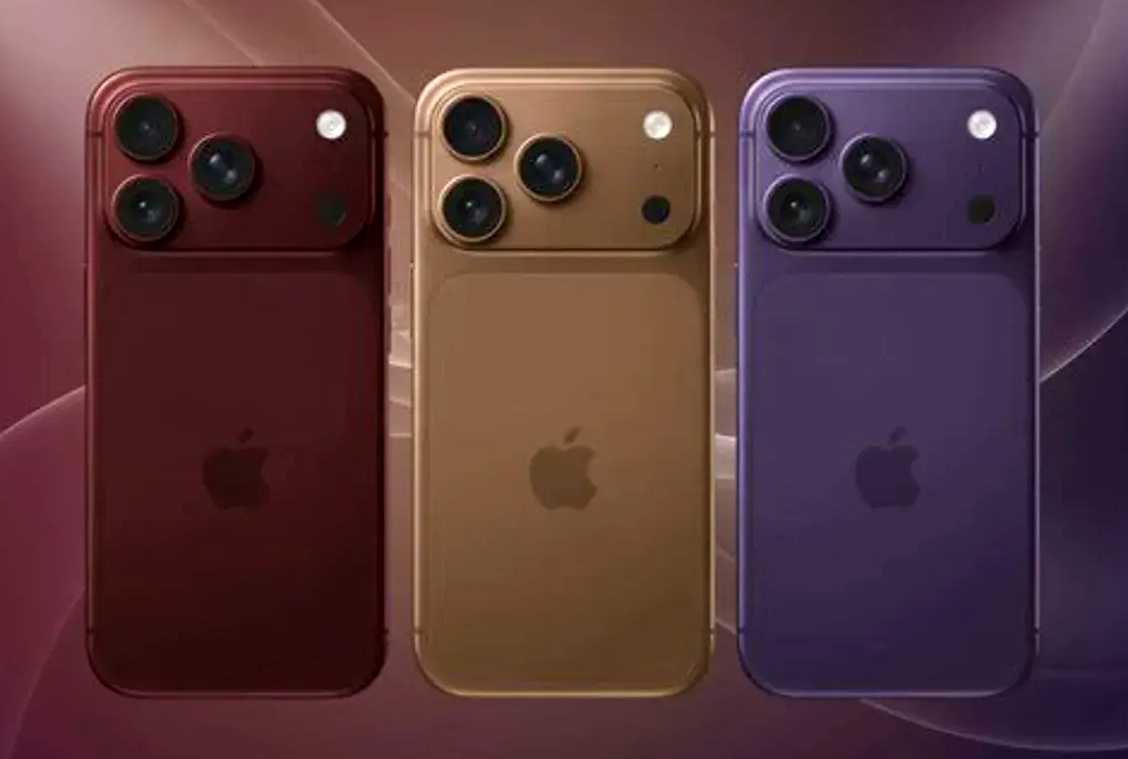
According to multiple leaks and industry reports, the iPhone 18 Pro lineup is not expected to introduce major hardware breakthroughs. Instead, improvements are rumored to focus on performance, camera capabilities and artificial intelligence features, while the overall design may remain largely unchanged.
If those reports prove accurate, higher prices could prompt more consumers to question whether the new devices offer enough improvements to justify the additional expense.
Survey suggests many buyers oppose higher prices
Rumors about the pricing of the iPhone 18 Pro series vary considerably.
Some reports suggest Apple could increase the starting price by around US$50, while others speculate the increase could reach as much as US$300 for the entry-level Pro model.
Regardless of where Apple ultimately sets pricing, a recent survey indicates that many consumers would view a higher price as difficult to justify.
When asked what would be a fair starting price for the iPhone 18 Pro, around 36% of respondents said Apple should keep the launch price unchanged at US$1,099, the same as the previous generation.
The results suggest many consumers believe the rumored upgrades may not be substantial enough to warrant a price increase.
Nearly 22% of respondents went even further, saying they believe Apple should lower the price compared with last year's model.
Although such a move appears unlikely given current manufacturing costs, the findings indicate that an increasing number of consumers view flagship smartphones as becoming too expensive.
Overall, more than half of survey participants said they were not prepared to accept a price increase, potentially creating headwinds for iPhone 18 Pro sales when the devices are expected to launch later this year.
The actual impact, however, will only become clear after Apple reports sales results following the release.
Apple may still have room to succeed
Despite widespread resistance to higher prices, the survey also suggests a sizable group of consumers has accepted that premium smartphones are becoming more expensive.
About 20% of respondents said they would accept a US$100 increase over the current generation.
Another 15% said a US$200 increase could still be reasonable if the devices delivered noticeably better performance and user experience.
Those figures broadly align with the range many analysts believe Apple could ultimately choose.
If any price increase falls within that range and is accompanied by compelling improvements in performance, camera technology and AI-powered features, the iPhone 18 Pro lineup could still achieve strong sales.
More than 7% of respondents even indicated that a starting price above US$1,299 would remain acceptable for Apple's highest-end iPhone.
That group is likely to place greater value on long-term reliability, premium build quality and a device capable of remaining competitive for several years.
Value may matter more than price
Ultimately, Apple's biggest challenge may not be how much it raises prices, but whether it can persuade customers that the additional cost represents genuine value.
For years, Apple has positioned the iPhone as a premium product supported by long software update cycles, powerful performance and strong long-term usability.
Those strengths have historically enabled the company to command higher prices than many Android competitors.
However, as retail prices continue to reach new highs while hardware improvements become increasingly incremental rather than transformative, consumers' perception of value may also be shifting.
Rather than focusing solely on specifications, many buyers are increasingly asking whether a new model delivers a meaningful improvement over the phone they already own.
If the iPhone 18 Pro fails to meet sales expectations, Apple could respond through promotional offers or allow retailers to introduce discounts after launch.
How much flexibility the company has, however, will depend in part on manufacturing costs.
The ongoing rise in component prices - particularly memory chips - continues to affect the global smartphone industry, meaning higher production costs could eventually extend beyond flagship devices to mid-range and budget smartphones as well.
Hai Phong
.svg)
