 Vietnamnet.vn

 Podcast



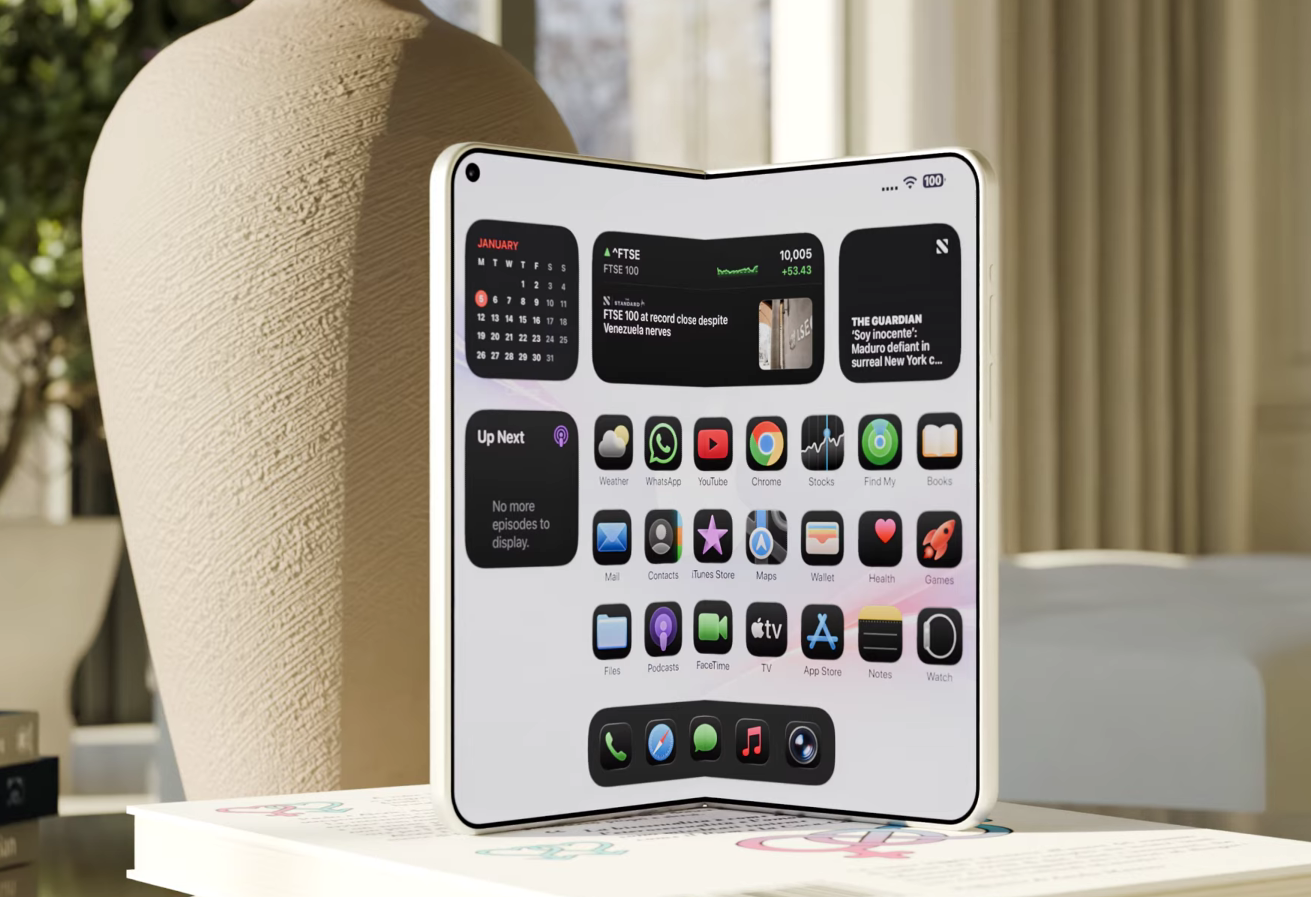
This fall could mark one of Apple's most ambitious iPhone launches yet, with the company widely rumored to be introducing two distinctly different premium devices: the iPhone 18 Pro Max and the iPhone Ultra.
If current reports prove accurate, this will not simply be a comparison between two iPhones at different price points. Instead, it may represent a clash between two entirely different approaches to smartphone design.
While the iPhone 18 Pro Max is expected to continue the formula that has defined Apple's flagship smartphones for years, the iPhone Ultra could usher in a new era as Apple's first foldable iPhone.
Below are the three most significant differences expected to influence consumers' upgrade decisions.
Design: Traditional iPhone versus foldable iPhone
The most obvious distinction between the two devices lies in their physical design, and it may ultimately be the deciding factor for many buyers.
According to multiple leaks, the iPhone 18 Pro and iPhone 18 Pro Max will retain Apple's familiar design language. Display sizes are expected to remain similar to those of the current generation, while the overall form factor will undergo only minor refinements.
For users who prefer the classic iPhone experience, the new Pro Max should feel immediately familiar.
Apple appears reluctant to alter a design formula that has proven successful for years. Instead, the company is expected to focus on improvements to performance, cameras and software capabilities while preserving the user experience that existing customers know well.
The iPhone Ultra, by contrast, is rumored to become Apple's first foldable smartphone.
Such a move would represent Apple's boldest hardware shift since the introduction of the iPhone X in 2017.
Reports suggest the device will feature a shorter but wider outer display. Once unfolded, the internal screen could approach the size of an iPad mini, offering significantly more space for watching videos, reading documents, gaming and multitasking.
If the iPhone 18 Pro Max represents refinement and familiarity, the iPhone Ultra is expected to appeal to users eager to embrace an entirely new form factor.
Camera: The Pro Max remains Apple's photography champion
For years, Apple has reserved its most advanced camera technologies for its Pro lineup, and that strategy appears likely to continue.
Industry reports suggest the iPhone Ultra will inherit many of the same imaging capabilities as the iPhone 18 Pro Max, including a high-resolution main camera, an ultra-wide lens and a comparable front-facing camera.
However, one key difference could set the two devices apart.
The iPhone Ultra is rumored to lack a dedicated Telephoto camera.
As a result, its optical zoom capabilities may be significantly more limited than those of the iPhone 18 Pro Max.
The decision is likely linked to the space constraints created by the foldable design. The hinge mechanism and ultra-thin construction require careful compromises between thickness, weight and camera hardware.
Meanwhile, the iPhone 18 Pro Max is expected to further enhance its Telephoto system.
That could make it the preferred choice for users who frequently capture portraits, sporting events, wildlife or distant subjects.
In other words, if photography remains the most important factor in choosing a smartphone, the iPhone 18 Pro Max will likely continue to be Apple's strongest option.
Performance: The same A20 Pro chip, but not necessarily the same results
On paper, both devices are expected to be powered by Apple's next-generation A20 Pro processor.
That means they should share a similar performance foundation.
However, real-world performance may differ because of variations in hardware design and thermal management.
According to rumors, the iPhone 18 Pro Max will continue to use a conventional chassis design while incorporating a vapor chamber cooling system.
This technology has already proven highly effective in many premium Android smartphones, helping sustain peak performance for longer periods under demanding workloads.
Whether gaming, editing 4K video or running advanced AI applications, improved cooling can help prevent performance throttling and maintain stable speeds.
The iPhone Ultra, meanwhile, is expected to feature a premium titanium construction similar to what Apple may introduce across future ultra-thin devices.
The design could offer a more luxurious appearance, lower weight and impressive thinness.
However, several reports suggest Apple may omit vapor chamber cooling from the foldable model.
If true, the device could face disadvantages during extended high-performance tasks or operation in hotter environments.
As a result, despite sharing the same A20 Pro chip, the iPhone Ultra may struggle to sustain maximum performance as effectively as the iPhone 18 Pro Max in certain situations.
Two products, two different audiences
If the current rumors become reality, Apple will effectively create two premium devices aimed at very different customer groups.
The iPhone 18 Pro Max will target users seeking the most powerful iPhone, the best camera system and the most consistent overall performance. It is likely to remain the choice for those who value practicality, reliability and a proven user experience.
The iPhone Ultra, on the other hand, may represent Apple's vision of the future.
Its foldable design promises an entirely new experience by combining the portability of a smartphone with the expansive screen real estate of a tablet.
The competition between the iPhone 18 Pro Max and the iPhone Ultra therefore goes beyond specifications and pricing.
It could become a contest between the refinement of today's technology and the possibilities of tomorrow, opening a new chapter in the evolution of the iPhone.
Hai Phong
.svg)
