 Vietnamnet.vn

 Podcast



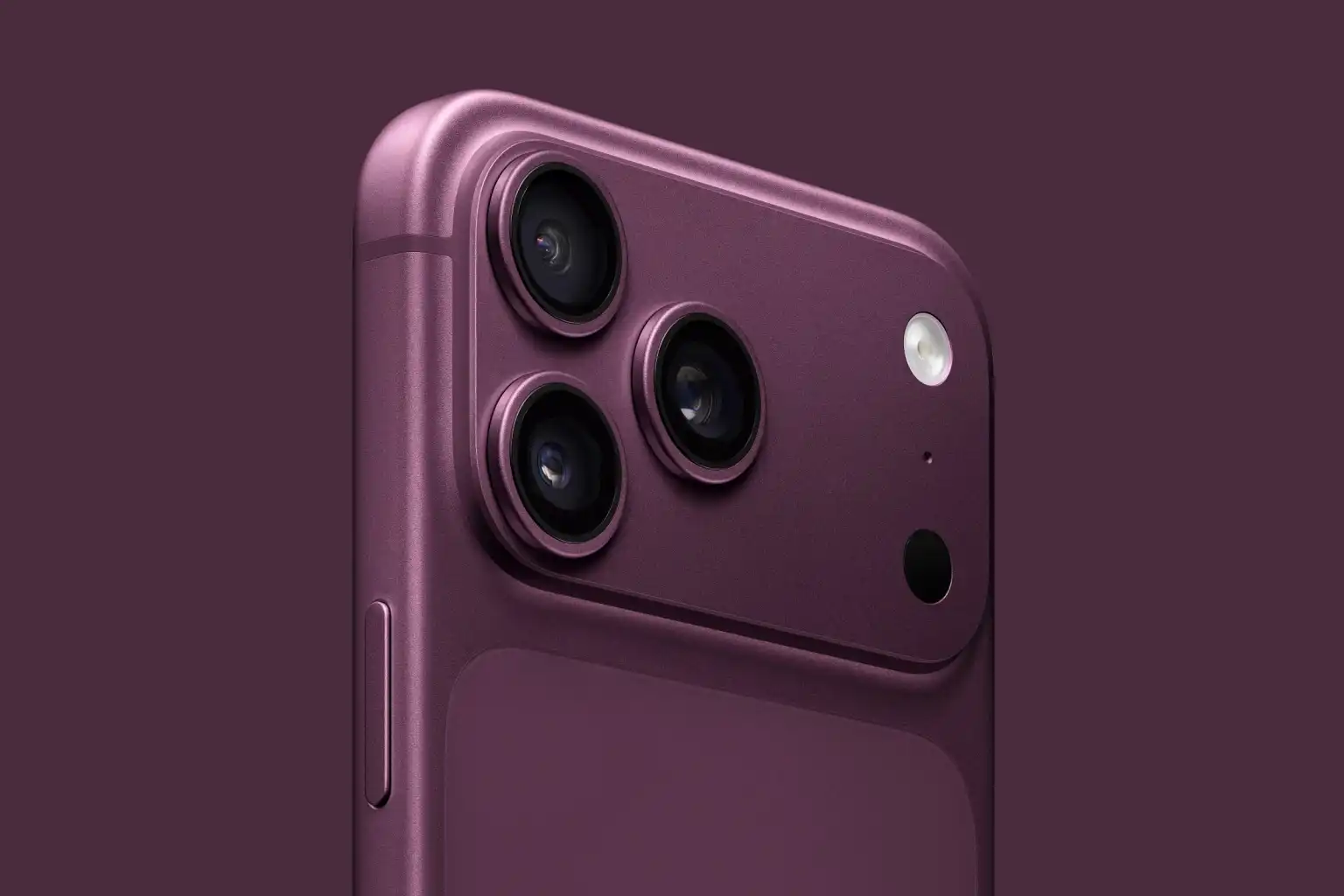
After months of leaks, sources from China’s supply chain have all but confirmed that the main camera on the iPhone 18 Pro Max will feature a variable aperture. This is likely to be a key highlight at Apple’s September launch event.
Yet, on closer inspection, this upgrade appears more controversial than groundbreaking.
In reality, variable aperture is nothing new. Android users have seen it before. The Samsung Galaxy S9 introduced the feature back in 2018, while Huawei has brought it to its flagship devices since 2021.
This raises an important question: why is Apple adding it now, and does it truly improve image quality?
What is variable aperture and how does it work?
Aperture is the “window” inside a lens that allows light to reach the sensor. It is expressed as an f-number, such as f/1.78. The smaller the number, the wider the opening, allowing more light in.
For instance, the iPhone 17 Pro has a main aperture of f/1.78, enabling better light capture than its ultra-wide camera at f/2.2.
Variable aperture allows this opening to change size. A wider aperture produces brighter images with more background blur, while a narrower aperture keeps more of the frame in sharp focus.
In theory, this is a crucial feature, almost essential in professional cameras. On smartphones, however, its impact is far more limited.
The issue lies in sensor size. Smartphone sensors are small, which significantly reduces the effect of aperture on depth of field.
In other words, even with variable aperture, the iPhone 18 Pro Max will struggle to produce natural background blur comparable to professional cameras. The striking portrait images seen on smartphones today rely heavily on software processing rather than hardware.
Moreover, the maximum aperture on the iPhone 18 Pro Max is unlikely to be significantly lower than the current f/1.78. This means improvements in light capture or background blur will be marginal at best.
At the same time, narrowing the aperture to reduce light is rarely necessary on smartphones. The more common challenge is low light, not excessive brightness.
A feature designed for video
So why is Apple introducing variable aperture at all? The answer lies in professional video recording.
This feature allows users to follow the “180-degree shutter rule”, a cinematic standard where shutter speed is set at twice the frame rate to achieve natural motion blur.
On current iPhones, achieving this effect in bright conditions requires external ND (Neutral Density) filters to reduce incoming light - a cumbersome and inconvenient solution.
With variable aperture, users can control light directly through the lens, eliminating the need for additional accessories. This is particularly valuable for professional videographers.
Apple will likely emphasize this capability at launch, continuing to expand the list of “Pro” features on its premium devices.
However, for most users, this remains a largely invisible feature. Many iPhone users are unfamiliar with the 180-degree shutter rule, let alone how to apply it.
Additionally, introducing a mechanical aperture system adds complexity to the camera module, increasing the risk of hardware failure. It may also make the camera bump thicker - one reason Samsung abandoned the feature after the Galaxy S10 series.
What Apple should focus on instead
If Apple truly aims to improve camera performance, a more effective approach would be increasing sensor size.
A larger sensor delivers clear benefits: brighter images, better detail, improved video quality, and significantly enhanced low-light performance - an area that genuinely matters to users.
It is possible that the iPhone 18 Pro Max serves as a transitional step ahead of a more substantial upgrade for the iPhone’s 20th anniversary in 2027. If so, a true transformation in camera technology may not be far away.
For now, though, variable aperture - despite its premium appeal - feels like an underwhelming upgrade that falls short of the expectations it has generated.
Hải Phong
.svg)
