 Vietnamnet.vn

 Podcast



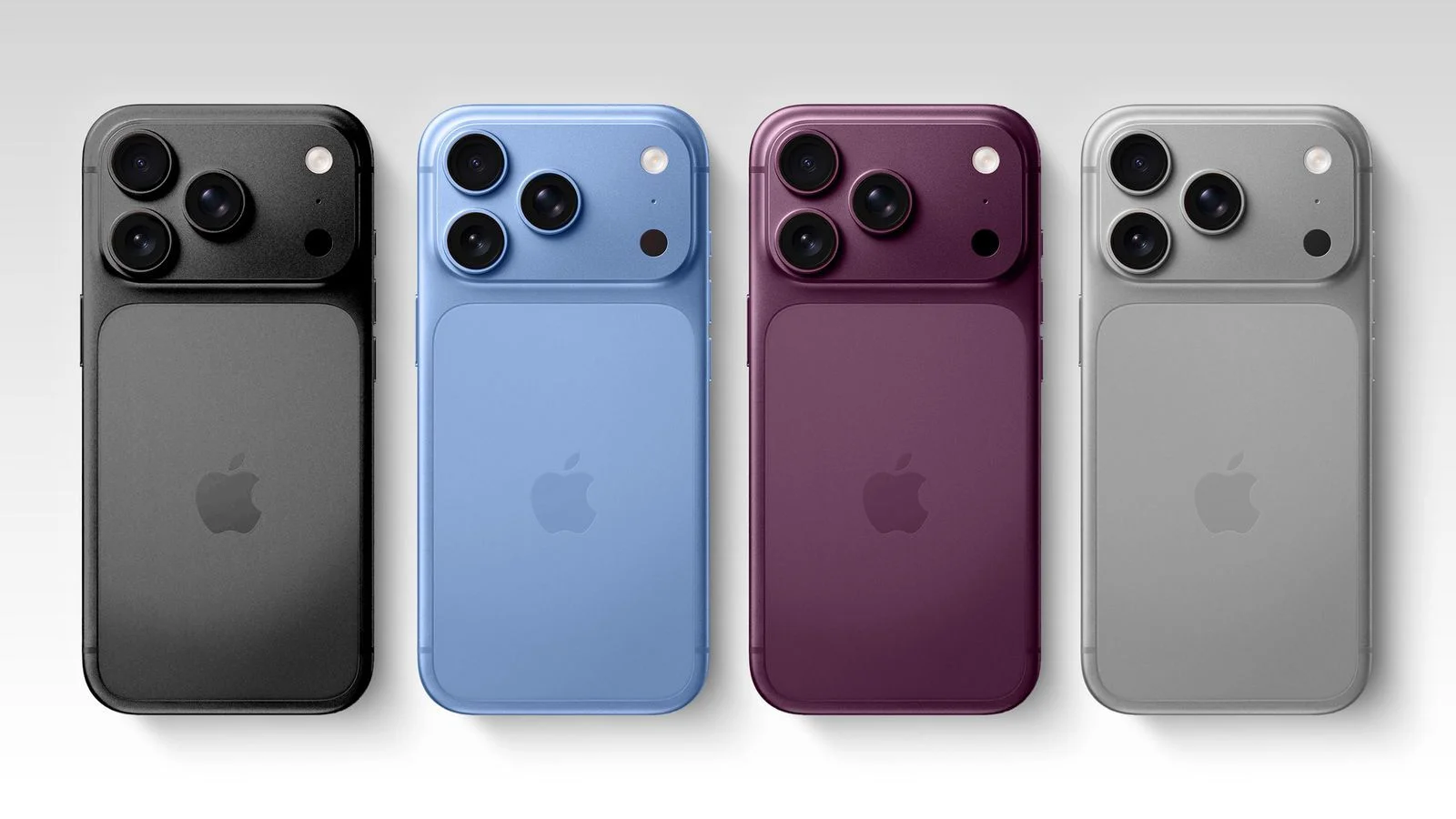
Apple’s iPhone 18 Pro lineup could see one of the company’s steepest price increases to date. A new report from Counterpoint Research suggests production costs for the iPhone 18 Pro and iPhone 18 Pro Max could rise far more sharply than previously expected, leaving Apple with a difficult choice: absorb the additional costs itself or pass them on to consumers.
“Price increases for the new iPhones are inevitable,” Counterpoint Research opens its report with a rather pessimistic assessment. However, the market research firm says the actual increase will ultimately depend on Apple’s strategy. The US technology giant could accept lower margins to keep retail prices in check, or pass most of the additional costs on to customers.
If the second scenario plays out, the iPhone 18 Pro Max could become one of the most expensive iPhones ever released.
iPhone 18 Pro Max production costs could nearly double
According to Counterpoint Research, the iPhone 17 Pro Max currently costs about $500 per device to manufacture. By comparison, the total bill of materials, or BoM, for the iPhone 18 Pro Max could approach $1,000.
That would represent an extraordinary increase given the scale at which Apple produces iPhones. The main reason is the rising cost of components, with memory emerging as one of the biggest sources of pressure.
The artificial intelligence boom is driving a sharp increase in demand for memory chips. AI data centers require vast amounts of high-performance memory, putting them in direct competition with consumer electronics manufacturers. The prolonged memory shortage is therefore pushing component prices higher and affecting a wide range of technology products, including the iPhone.
Counterpoint estimates that the BoM for an iPhone 18 Pro Max equipped with 12GB of RAM and 1TB of storage could increase by about $300 compared with an iPhone 17 Pro Max with the same configuration. Lower-storage versions and other iPhone 18 Pro models could see component costs rise by around $200-$250.
Importantly, these figures cover component costs alone. If Apple wants to preserve its current profit margins and passes the full increase on to customers, retail prices for the iPhone 18 Pro lineup could rise by around $250-$350.
For a product already positioned firmly in the premium segment, that would be a substantial jump.
1TB iPhone 18 Pro Max could come close to $2,000
To put the potential increase into perspective, consider the 1TB iPhone 17 Pro Max, which currently starts at around $1,599 in the US.
If Apple raises the price by $250-$350, as outlined in Counterpoint’s scenario, the 1TB iPhone 18 Pro Max could sell for approximately $1,849-$1,949. That would bring the top-end version remarkably close to the $2,000 threshold.
Such a price could significantly reshape Apple’s product positioning. The iPhone Pro Max, already among the most expensive mainstream premium smartphones on the market, would move further into ultra-premium territory.
According to Counterpoint, the key question is whether Apple wants to protect gross margins at levels comparable with previous iPhone generations. If the company is determined to maintain those margins, consumers could face a much more noticeable price increase.
If Apple is willing to sacrifice some profitability, however, the increase could be kept under greater control.
Apple still has ways to limit iPhone 18 Pro price increases
Despite the worrying outlook for iPhone 18 Pro pricing, Counterpoint believes Apple still has several options to contain the increase.
Apple is well known for its formidable negotiating power with component suppliers. Even when the company is forced to raise product prices, it often looks for savings elsewhere in the supply chain to soften the impact on final retail prices.
Apple is therefore likely to continue renegotiating prices with suppliers for components unrelated to memory. Even modest savings on each device can translate into a substantial reduction in overall production costs when tens of millions of iPhones are manufactured.
One example has already emerged ahead of the iPhone 18 Pro launch. According to MacRumors, Apple is believed to have secured a lower price for the OLED displays used in the iPhone 18 Pro. The potential cost of each display is said to have fallen from $120 to $110.
A $10 saving may appear insignificant compared with the retail price of an iPhone, but across Apple’s enormous production volumes, it could have a meaningful impact on total manufacturing costs.
Another option predicted by Counterpoint is for Apple to adopt a pricing strategy based on storage capacity.
Under this approach, lower-storage iPhone 18 Pro models could receive only modest price increases, while higher-capacity versions such as the 512GB and 1TB models would become significantly more expensive.
This strategy could give Apple greater flexibility in balancing revenue and profit margins. Counterpoint says higher-storage variants are increasingly favored by wealthier and more tech-savvy consumers, a customer group that may be more willing to accept higher prices in exchange for additional storage.
Apple has also introduced its new Apple Upgrade program, allowing users to lease an iPhone and certain other Apple devices rather than paying the entire cost upfront. The model reduces the amount customers need to pay each month while allowing them to upgrade to a new device once the lease term ends.
If the iPhone 18 Pro Max sees a substantial price increase, monthly upgrade plans could become an important tool for Apple in softening the sense of “sticker shock” among consumers.
Hai Phong
.svg)
