 Vietnamnet.vn

 Podcast



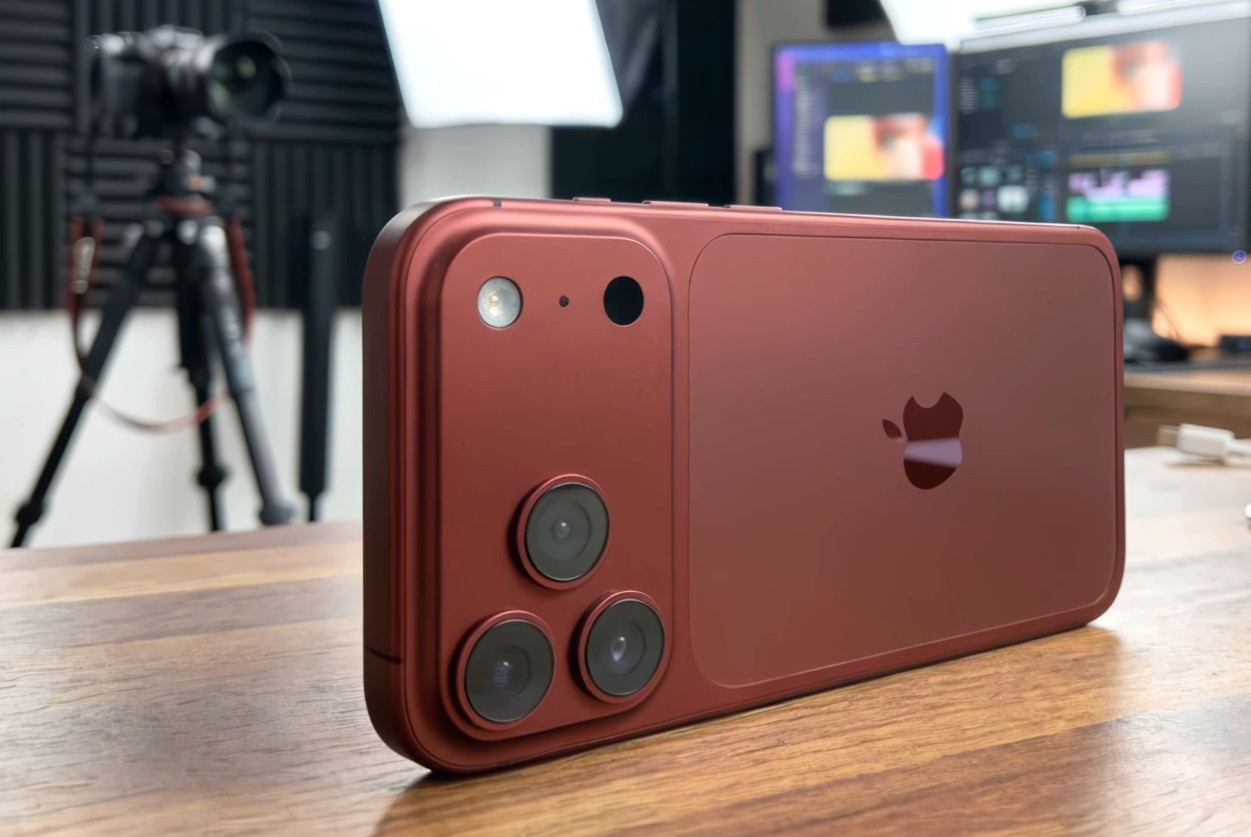
Apple appears to be preparing one of the most significant camera upgrades in the history of the iPhone Pro lineup, with the iPhone 18 Pro and iPhone 18 Pro Max expected to feature a substantially larger rear camera system than their predecessors.
According to reports from Chinese sources and information emerging from Apple's supply chain, the rear camera plateau on both models could increase by around 2mm compared with the iPhone 17 Pro series.
Prototype models suggest the overall thickness of the devices, including the protruding camera lenses, could increase from approximately 12.92mm to 13.77mm. The camera module itself is also expected to become noticeably larger.
The redesign is reportedly driven by the introduction of a new variable aperture system paired with a 48MP primary sensor measuring 1/1.12 inches - significantly larger than the current sensor.
Reports also suggest Apple may adopt three equally sized camera rings to create a more balanced appearance, giving the camera module a bolder and more prominent look.
Variable aperture could transform iPhone photography
Current iPhone Pro models use a fixed f/1.78 aperture, meaning the lens cannot mechanically adjust the amount of light entering the camera.
A variable aperture system would allow the lens to automatically change its opening depending on shooting conditions.
In bright environments, the aperture could narrow to improve overall sharpness, increase depth of field and keep more of the scene in focus.
In low-light situations, the aperture could widen to capture more natural light, reducing reliance on computational photography techniques such as AI image processing and multi-frame image stacking.
Well-known Apple analyst Ming-Chi Kuo previously reported that the new camera module could cost around 50% more to manufacture than Apple's current system. Even so, production is believed to have already begun, suggesting Apple is committed to the upgrade.
Larger sensor offers greater creative control
The combination of a larger 48MP sensor and a variable aperture system could provide users with greater creative flexibility.
One of the biggest expected benefits is more natural background blur similar to that produced by DSLR and mirrorless cameras. Rather than relying primarily on software to separate subjects from the background, the new hardware could generate more realistic optical bokeh.
The upgrade could also give advanced users more control over depth of field when composing portraits and other creative shots.
Many premium Android smartphones have already adopted similar technologies in recent years. If Apple successfully implements the system, the iPhone 18 Pro Max could mark a significant step forward in the competition for high-end mobile photography.
Engineering challenges remain
The reported improvements may also bring technical challenges.
Current iPhones are generally not regarded as strong performers for extremely close focusing with the main camera, often switching to the ultra-wide camera for macro photography.
Adding a mechanical aperture system alongside a larger image sensor could make the optical system considerably more complex. This may affect minimum focusing distance or require Apple to carefully balance image quality, autofocus performance and overall camera stability.
Apple has not confirmed how it plans to address these engineering challenges. However, industry observers expect the company to leverage its long experience in tightly integrating hardware and software.
The iPhone 18 Pro and iPhone 18 Pro Max are expected to launch in about three months. A growing number of prototype models and leaked images suggest that the design and many of the key hardware specifications have largely been finalised.
If reports from sources including Ming-Chi Kuo, Fixed Focus Digital and Digital Chat Station prove accurate, the iPhone 18 Pro Max could represent Apple's most ambitious camera upgrade since introducing the 48MP main sensor on the Pro lineup.
Hai Phong
.svg)
