 Vietnamnet.vn

 Podcast



Dynamic Island 2.0: Smaller, cleaner, closer to full-screen dreams
When Apple shrunk the notch with iPhone 13, earlier models instantly felt outdated. The debut of Dynamic Island on iPhone 14 Pro pushed things further into a “future-forward” aesthetic.
Now, rumors suggest the iPhone 18 Pro will go even further. Apple may hide some Face ID components under the display, leaving only the selfie camera in a small central punch-hole. Sensors could be moved to the left side, improving symmetry and content viewing.
Combined with Samsung Display’s newest OLED panel - with higher brightness and better energy efficiency - the screen on iPhone 18 Pro could finally realize Apple’s long-held vision of a seamless glass front.
Variable aperture lens: True control for depth and lighting
Apple’s smartphone cameras have come a long way, but their fixed aperture lenses still limit depth-of-field control. Portrait effects rely on AI simulation, which doesn’t always deliver accurate results.
With iPhone 18 Pro, Apple may add a variable aperture to the main camera. This would allow mechanical control over how much light enters the lens - and give users real optical depth-of-field adjustment.
The benefit is even greater for video: users could match shutter speeds to frame rates without overexposing bright scenes, a challenge smartphones still struggle with.
A more refined, premium design
While the iPhone 17 Pro’s new rear glass improved durability, some colors - especially orange and silver - ended up looking plastic-like due to mismatched tones between the glass and metal frame.
The iPhone 18 Pro is expected to address this with better material finishes that unify the look and feel of back glass and frame, creating a more seamless, high-end aesthetic.
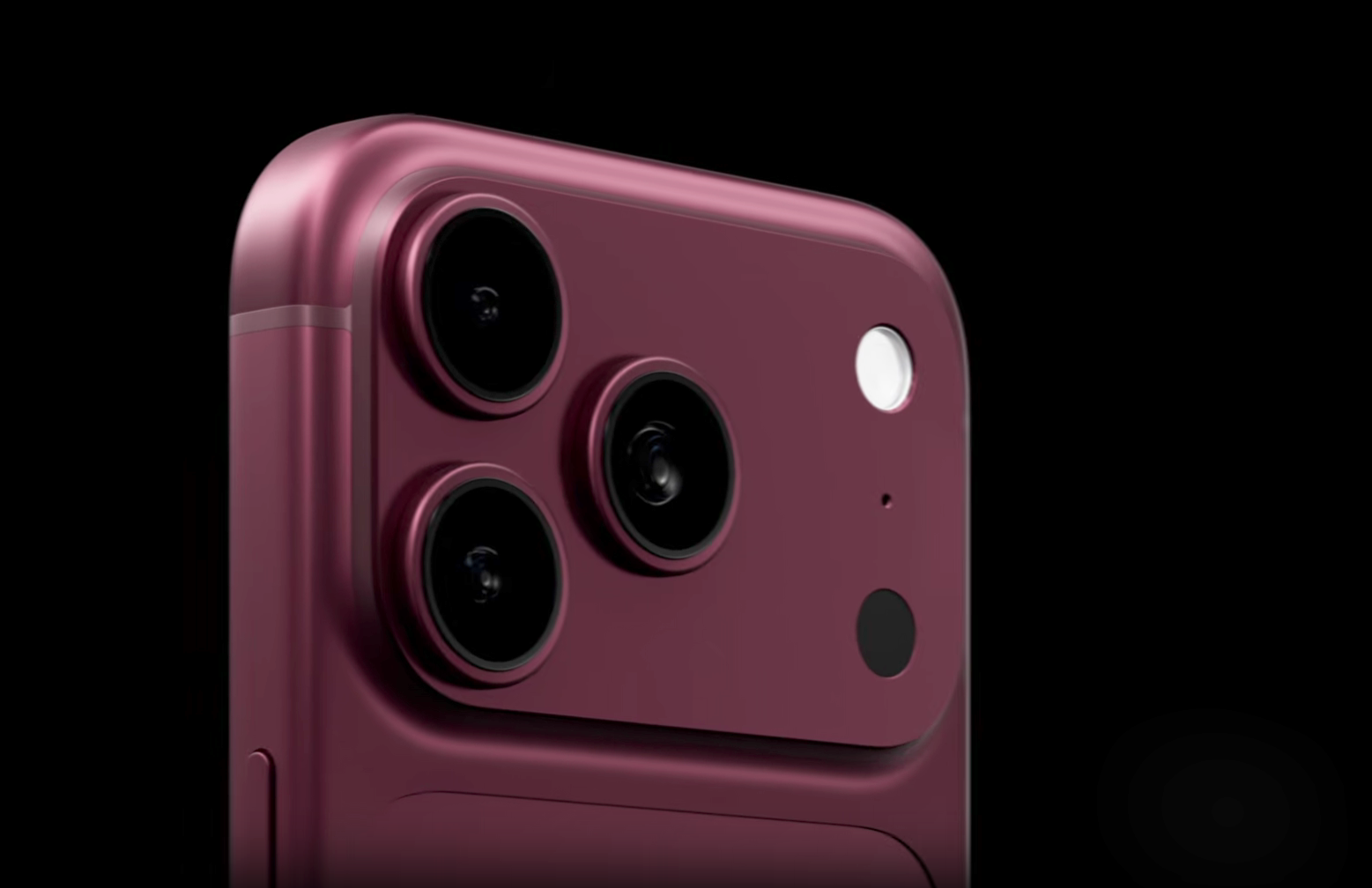
Apple is also testing new color options such as purple, wine red, and brown - offering more subdued, elegant alternatives for those who found the previous generation’s hues too loud. A true black or slate gray model is also widely anticipated, as blue was last year’s darkest tone.
A20 Pro chip on 2nm: Small, powerful, and more efficient
For frequent upgraders, chip performance gains can sometimes feel subtle. But the A20 Pro chip could be different.
Built on a 2nm process instead of 3nm, it may offer a major leap in transistor density - translating to better speed and lower power use.
Longer battery life, smoother AI experiences, and even more headroom for future iOS features are all on the table. Apple may also debut its own C2 modem in the 18 Pro, replacing Qualcomm parts for better efficiency and battery savings.
Camera Control 2.0: Simpler, smarter, finally useful
Introduced last year, the original Camera Control button promised fast access to the camera - but in practice, many users found it less helpful than expected. Its touch-sensitive surface was prone to accidental presses, and screen controls often felt quicker.
Leaks suggest the iPhone 18 Pro will debut a redesigned Camera Control 2.0. Gone is the touch layer, replaced by a pressure-sensitive button. If done right, it could enable soft-press capture without shaking the phone - something photographers have long desired.
In that case, the original button won’t be missed.
Hai Phong
.svg)
