 Vietnamnet.vn

 Podcast


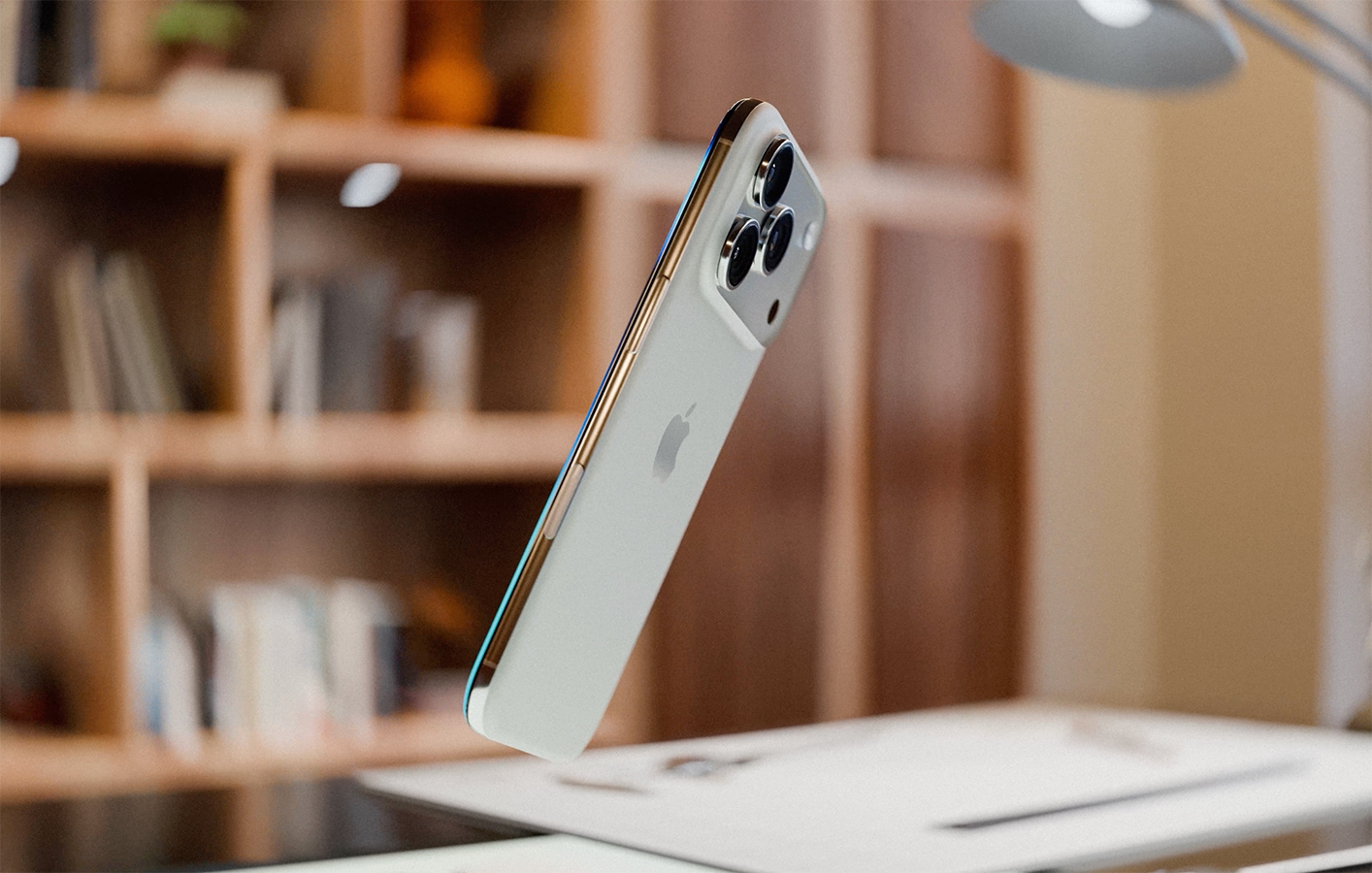
A new rumor suggests that the iPhone 20 Pro Max, a special smartphone expected to commemorate the 20th anniversary of the original iPhone, could incorporate ceramic components.
This would represent a notable shift in Apple’s design approach, going beyond the Ceramic Shield protective glass technology featured on recent iPhone generations.
According to previous leaks, the iPhone 20 Pro Max could share several design characteristics with the iPhone Air but feature more extensively curved glass surfaces.
Fixed Focus Digital, a leaker on the Chinese social media platform Weibo, has now claimed that Apple is considering using ceramic materials in the upcoming device.
However, the source did not specify which components of the iPhone 20 Pro Max would be made from ceramic.
Based on the information available, the material would most likely be incorporated into exterior components. Apple could use ceramic for the entire frame or only in selected areas, such as protective elements around the USB-C port and speaker system.
iPhone 20 Pro Max could be produced in limited quantities
According to MacRumors, the technology publication that first spotted the leak, Fixed Focus Digital claimed that Apple has no plans to mass-produce these ceramic components.
This raises the possibility that Apple could introduce a special ceramic edition of the iPhone 20 Pro Max in limited quantities rather than making the material a standard feature across the product lineup.
If accurate, the information suggests that Apple could take a distinctive approach to celebrating the iPhone’s 20th anniversary.
Rather than focusing solely on improvements to hardware specifications, cameras or displays, the company could differentiate its anniversary smartphone through premium materials and exterior design.
The iPhone Air already features versions of Ceramic Shield glass on both its front and back. Rumors surrounding the use of ceramic in the iPhone 20 Pro Max therefore align to some extent with earlier predictions about the device’s design language.
However, Ceramic Shield and solid ceramic should not be confused.
Ceramic Shield is a protective glass technology developed by Apple to improve resistance to impacts and scratches, while using ceramic as a structural material for exterior components could create a more noticeable difference in both appearance and how the device feels in the hand.
Ceramic design could set the anniversary iPhone apart
One particularly interesting detail is Fixed Focus Digital’s claim to have personally seen and handled components believed to be made from ceramic.
This suggests that the new material could be a visible element of the iPhone 20 Pro Max’s design rather than simply a coating or protective technology similar to Ceramic Shield.
If ceramic is used extensively, the approach could be reminiscent of Apple’s use of the material in the Apple Watch Series 12.
Such a development would be particularly noteworthy given Apple’s reported ambition to create a distinctive design for the iPhone marking two decades since the product’s debut.
Nevertheless, the latest information could simply refer to another material variant being evaluated during Apple’s design testing process.
Previous rumors have suggested that the iPhone 20 Pro Max could feature a titanium frame. If those reports prove accurate, combining titanium with ceramic components could allow Apple to create a premium device with a distinctive appearance.
Notably, Apple was previously rumored to be adopting a titanium frame for the iPhone 18 Pro Max, but the anticipated change ultimately failed to materialize.
Reports concerning the materials used in the iPhone 20 Pro Max should therefore be treated with caution.
The latest information comes from Fixed Focus Digital, a Weibo account specializing in technology leaks. However, the source has a mixed track record for accuracy.
While the possibility of Apple incorporating ceramic into the iPhone 20 Pro Max remains intriguing, there is currently insufficient evidence to confirm that such a design will make it into a commercially available product.
Hai Phong

