 Vietnamnet.vn

 Podcast


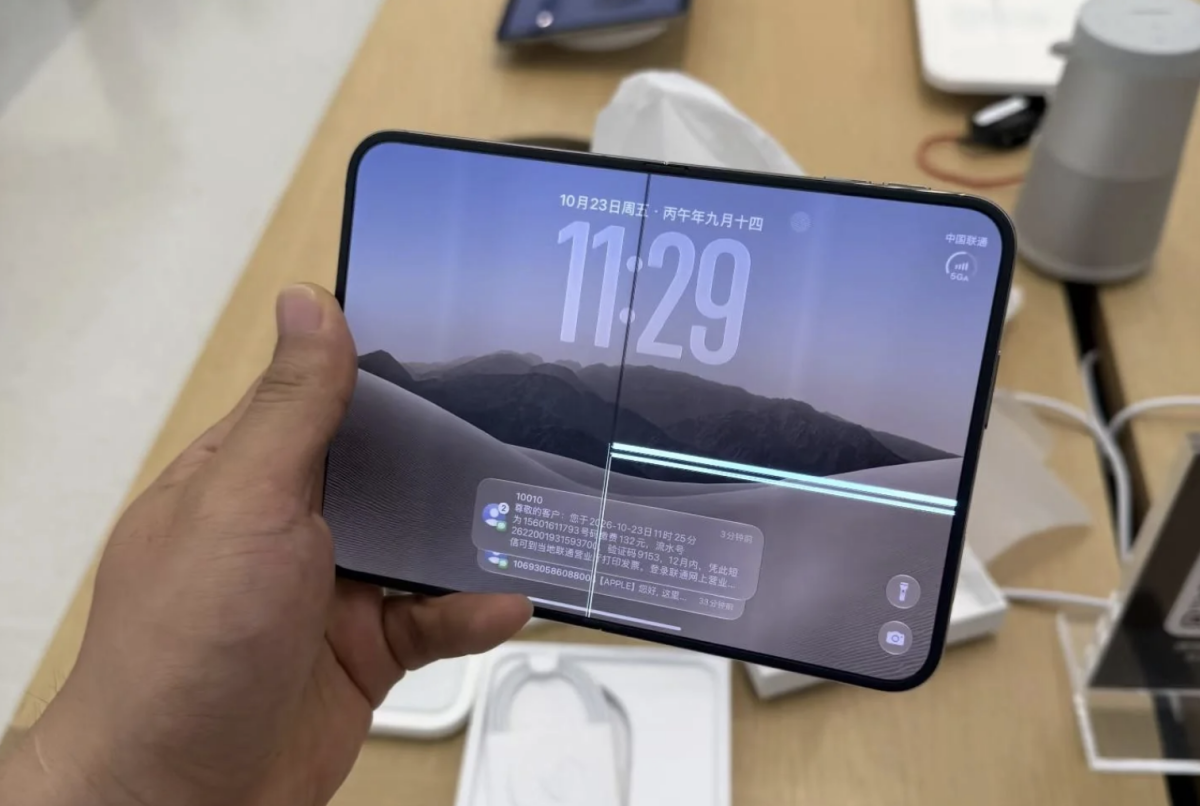
Apple's iPhone Duo reached Vietnamese customers on October 23, but its arrival has been overshadowed by controversy surrounding its price, the absence of Face ID, poorly optimized applications and reports of cracked displays.
For a company long associated with meticulous product development and polished launches, the backlash has been particularly striking.
The iPhone Duo has attracted an unusually high level of criticism, with some longtime Apple enthusiasts questioning whether the brand still delivers the excitement and premium experience that once set it apart.
One revealing example came from a post on Vietnam's Tinh Te technology forum titled "I sold my iPhone Duo after just 30 minutes of use."
Beyond the device's technical shortcomings, the author raised a less obvious concern: Apple's changing approach to product publicity.
According to the post, Apple's decision to provide iPhone Duo units to technology reviewers ahead of the official sales launch resulted in a flood of hands-on videos, reviews and social media content before ordinary customers could buy the phone.
For many dedicated Apple fans, part of the appeal has always been the thrill of being among the first to own a new device, open the box and discover its features independently.
That sense of discovery, the author argued, has diminished when virtually every aspect of a new product has already been explored and discussed across technology channels before it reaches stores.
In the past, technology enthusiasts often joked that while other manufacturers spent heavily on launch events, media invitations and paid publicity, Apple needed only to unveil a product to receive extensive coverage at no cost.
Such was the company's influence that rival brands frequently avoided scheduling major product announcements around Apple's events.
But that dynamic appears to have changed in recent years.
New Apple products no longer generate quite the same anticipation, while the company's media influence seems less overwhelming than before.
Its increasingly restrictive approach to communications has also frustrated some technology enthusiasts, particularly as consumers now have a much wider selection of premium smartphones from competing manufacturers.
Across Vietnamese technology websites, social media platforms and prominent review channels, criticism of Apple's products has become noticeably more common.
For a brand whose launches were once greeted with near-universal enthusiasm, the shift is difficult to ignore.
A premium price without the expected premium experience
Apple has traditionally built its reputation on careful preparation, attention to detail and products that feel refined from the moment they reach consumers.
With the iPhone Duo, however, critics argue that the company has fallen short of those standards.
One major source of controversy is the nano-coated inner display, designed to reduce glare under sunlight and make the folding crease less visible.
Apple has presented the solution as a technological breakthrough, but some observers argue that it compromises the display's vibrancy and sharpness.
Others have dismissed the coating as little more than a matte polymer film, questioning whether the trade-off is justified on such an expensive device.
Priced at approximately VND65 million ($2,500), the iPhone Duo sits at the very top of the foldable smartphone market.
Yet despite its premium positioning, Apple has removed Face ID, its advanced facial recognition system, in favor of Touch ID fingerprint authentication.
For some users, the change feels like a technological step backward, making unlocking the device less convenient and potentially slowing down everyday interactions.
Software optimization has become another point of frustration.
Apple's tightly integrated ecosystem, particularly iOS, has long been one of its strongest competitive advantages.
New Apple devices have traditionally delivered a seamless experience in which hardware and software work together with exceptional consistency.
The iPhone Duo, however, has reportedly struggled with applications that are not properly adapted to its foldable interface, including some developed by Apple itself.
For users accustomed to the company's polished software experience, these inconsistencies suggest a product that may have reached the market before it was fully refined.
The most serious controversy emerged when reports surfaced of iPhone Duo displays cracking after only a few hours of use.
Apple has acknowledged the issue, according to the reports, adding to concerns about the durability and reliability of its new foldable device.
For a smartphone carrying one of the highest price tags on the market, such problems have inevitably affected consumer confidence.
Some prospective buyers have begun reconsidering whether to purchase the iPhone Duo immediately or wait until the reported issues are resolved.
The controversy goes beyond the technical performance of a single device.
For years, Apple commanded a distinctive position in the technology industry, combining carefully managed product launches, strong brand loyalty and a reputation for delivering products that justified their premium prices.
The iPhone Duo's troubled debut suggests that maintaining that position may be becoming more difficult.
With hardware complaints, software inconsistencies and a publicity strategy that some enthusiasts believe has diminished the excitement of ownership, Apple risks weakening the emotional connection that once made its products feel exceptional.
The question is no longer simply whether the iPhone Duo can overcome its early problems, but whether Apple can preserve the standards, sense of discovery and consumer trust that helped establish its global reputation.
Le My

