 Vietnamnet.vn

 Podcast


But against the OPPO Find N6, Motorola Razr Fold and Samsung Galaxy Z Fold 8 lineup, its premium price and design choices raise questions about its competitiveness.

For years, foldable smartphones were almost exclusively the territory of Android manufacturers. Apple's arrival with the iPhone Duo has certainly attracted attention, but its first attempt has yet to deliver the kind of breakthrough that would fundamentally change the market.
Price: Apple sets a new high while Android rivals offer better value
The iPhone Duo has become the most expensive foldable smartphone on the market, with a starting price of VND64.99 million (approximately $2,470) for the 256GB version. The top-end 2TB model approaches VND104 million ($3,950), setting a new price benchmark for the category.
For roughly the same price as the entry-level iPhone Duo, buyers can opt for the OPPO Find N6 with twice the storage at 512GB and 16GB of RAM.
Samsung, meanwhile, has adopted a more competitive pricing strategy. Both the Galaxy Z Fold 8 and Z Fold 8 Ultra start below VND50 million ($1,900) for their base configurations.
Even the highest-end Galaxy Z Fold 8 Ultra with 1TB of storage costs VND63.99 million ($2,430), slightly less than Apple's entry-level foldable.
Motorola has taken affordability a step further. Its Razr Fold 5G, priced below VND40 million ($1,520), has emerged as the most accessible book-style foldable among the models compared.
Displays: Apple's impressive screens face criticism over color reproduction
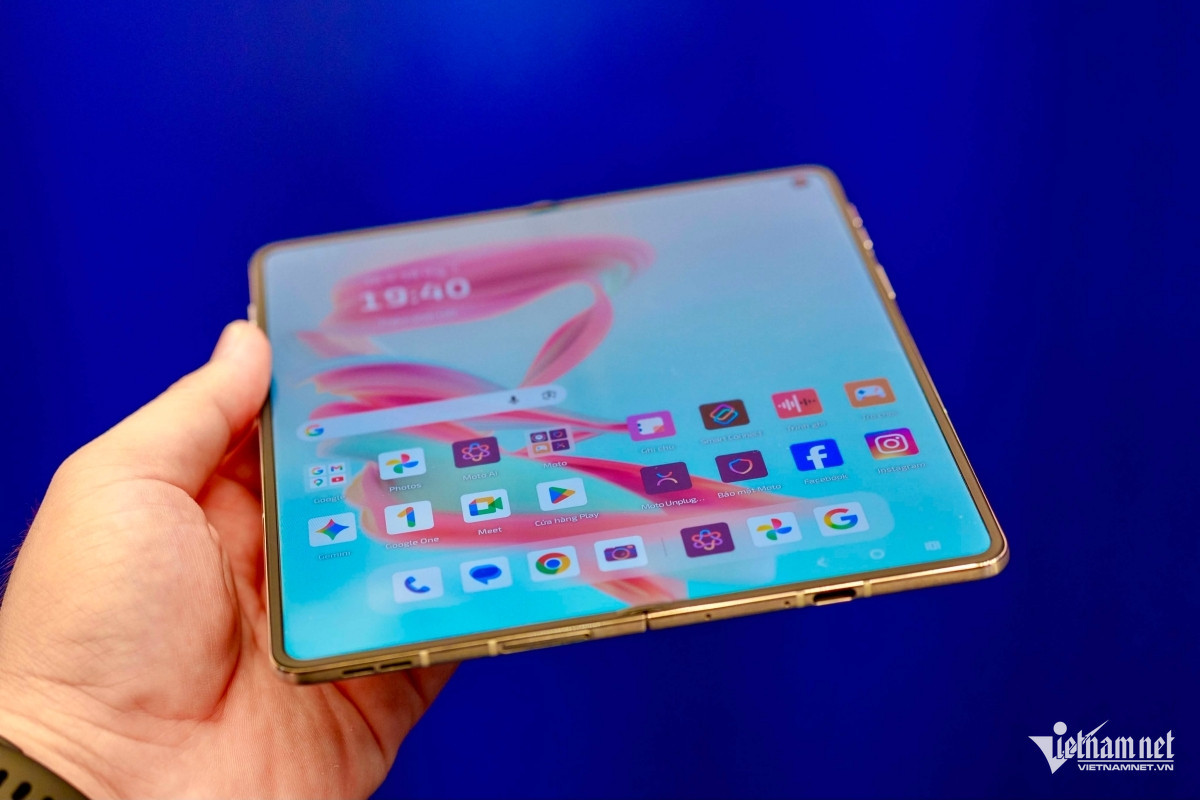
The iPhone Duo features a 7.6-inch Super Retina XDR inner display and a 5.4-inch external screen. Both deliver excellent overall image quality.
However, Apple's decision to add a nano-texture coating to the main display to improve visibility in sunlight has sparked criticism. While intended to reduce glare, the coating makes colors appear less vibrant and saturated, a drawback for users who prefer punchier visuals.
Samsung's Galaxy Z Fold 8 features a 7.6-inch Dynamic AMOLED 2X main display with a nearly square 4:3 aspect ratio, alongside a 5.5-inch cover screen capable of reaching 3,000 nits of brightness.
The Galaxy Z Fold 8 Ultra goes further with an 8-inch QXGA+ main display and a 6.5-inch external screen.
Both Samsung models offer sharp visuals across different lighting conditions, while their inner displays have received more favorable assessments for color richness and vibrancy than the iPhone Duo.
OPPO Find N6 stands out for its expansive display and image clarity. Its 8.12-inch inner screen offers QXGA+ resolution and a 120Hz refresh rate, complemented by a 6.62-inch FHD+ cover display.
Motorola's Razr Fold 5G is equally ambitious on paper, featuring an 8.1-inch 2K foldable display with peak brightness reaching an impressive 6,200 nits.
Its 6.6-inch external display supports a 165Hz refresh rate and up to 6,000 nits of brightness, giving it a substantial specification advantage for outdoor visibility.
Cameras: 200MP sensors raise the stakes
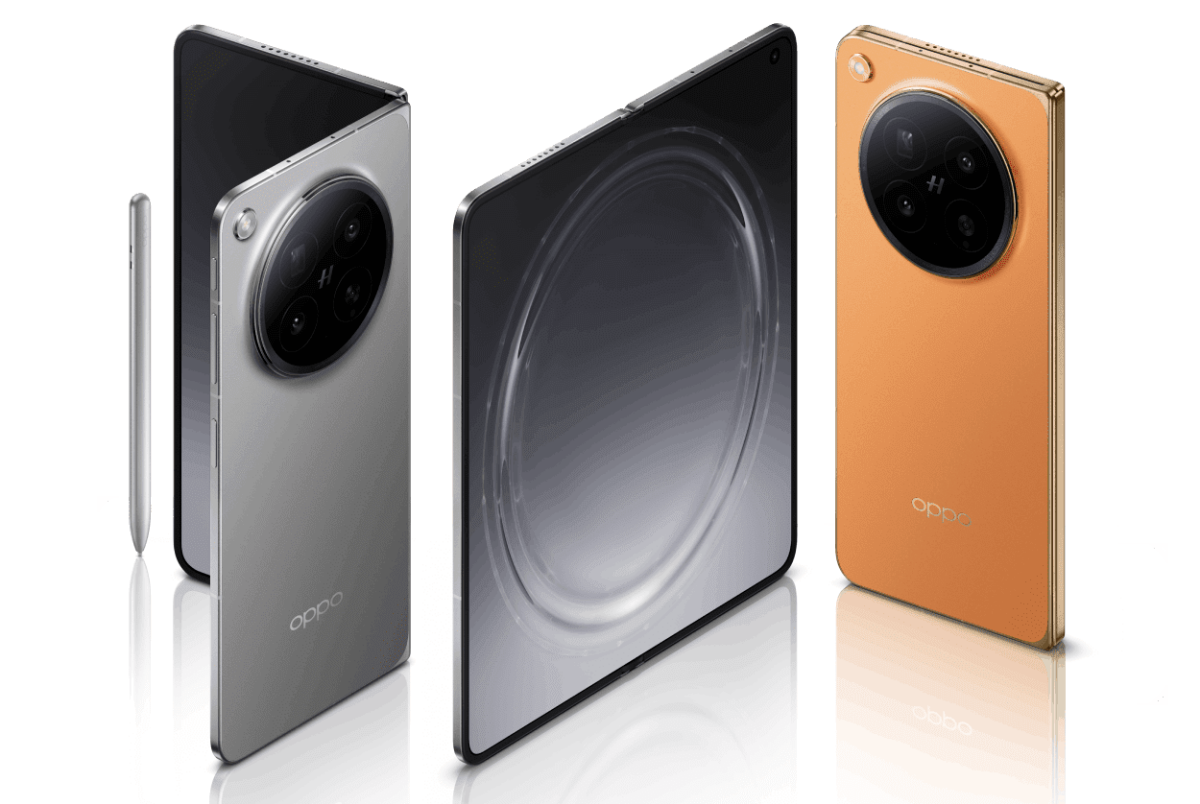
Photography was once a major weakness of foldable smartphones because of the space constraints imposed by their slim designs. Manufacturers have increasingly turned that limitation into an opportunity to showcase advanced sensors and computational photography.
The OPPO Find N6 leads in hardware versatility through its partnership with Hasselblad. It features a 200MP main sensor and a 50MP periscope telephoto camera with optical image stabilization and zoom capabilities reaching 120x.
Such a combination remains unusual for foldable devices, providing flexibility for everything from portrait photography to capturing distant subjects.
Samsung has clearly differentiated its two models. The Galaxy Z Fold 8 Ultra features a 200MP main camera and zoom capabilities reaching 30x, while the standard Z Fold 8 uses a simpler dual-camera setup with two 50MP sensors.
That compromise helps the standard model maintain a slim 4.5mm profile when unfolded and a weight of just 201g.
Motorola has opted for consistency, equipping the Razr Fold 5G with three 50MP rear cameras and a 32MP selfie camera on the inner display.
Apple takes a different approach with the iPhone Duo's four-camera system. Its dual rear cameras are limited to 48MP each, with the notable omission of a dedicated telephoto lens.
To compensate, Apple has integrated an under-display camera into the 7.6-inch inner screen, creating an uninterrupted viewing area. A separate 12MP front camera sits on the external display.
Apple's traditional strengths remain video processing, consistent color reproduction across cameras and software optimization. The external display can also serve as a viewfinder, allowing users to capture higher-quality selfies with the 48MP rear cameras.
Performance: Apple's 2nm A20 Pro takes on Android's 16GB multitasking machines
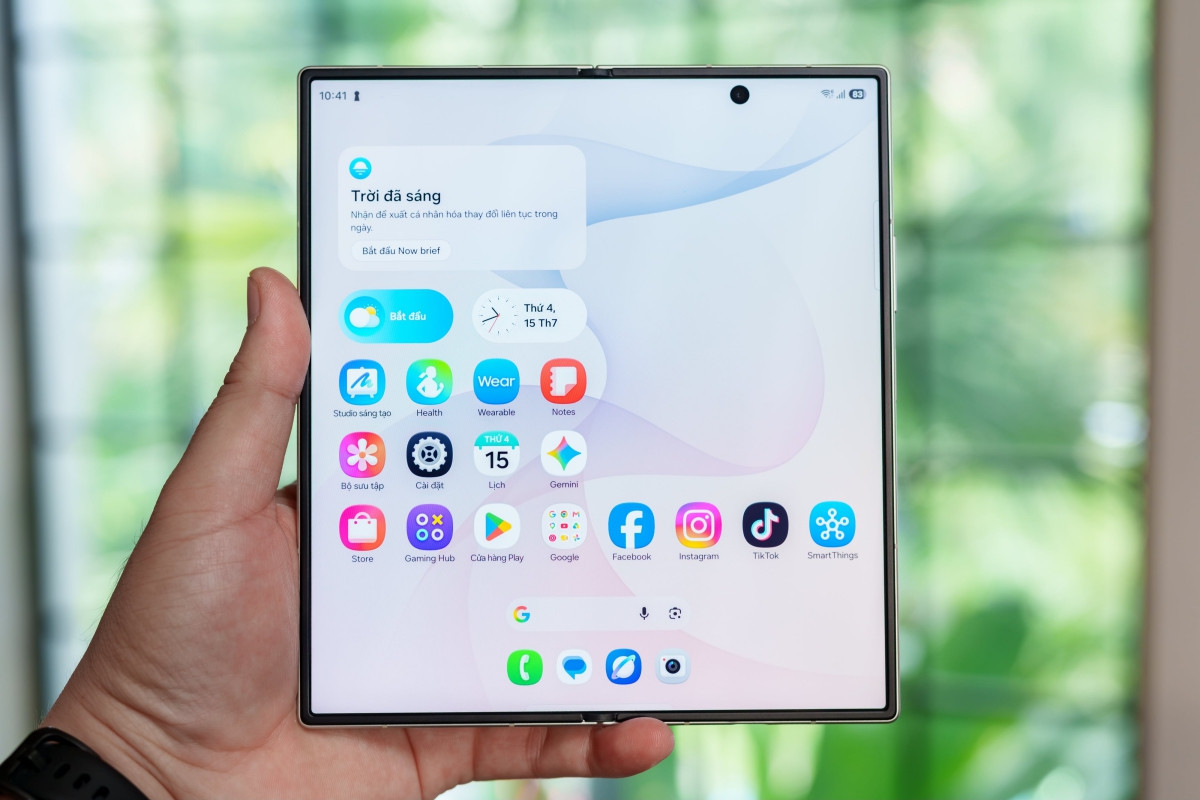
The iPhone Duo marks a significant technological milestone as the first device powered by Apple's A20 Pro processor, manufactured using a 2nm process. Its Android competitors rely on Qualcomm's 3nm-generation chipsets.
The more advanced manufacturing process gives the A20 Pro an advantage in single-core performance and power efficiency.
According to figures published under the European Union's energy labeling standards, the iPhone Duo has a 4,883mAh battery but can deliver up to 31 hours of video playback on its inner display and 44 hours on its external screen.
Those are impressive figures for a device equipped with two displays.
Android manufacturers, however, have a compelling response when it comes to multitasking.
With up to 16GB of RAM and Qualcomm's Snapdragon 8 Elite Gen 5 processor, the OPPO Find N6 is designed to handle three or four applications simultaneously across its expansive 8-inch-plus display without running into background memory limitations.
It also features a substantial 6,000mAh battery.
Samsung's Galaxy Z Fold 8 and Z Fold 8 Ultra use the Snapdragon 8 Elite Gen 5 for Galaxy, a customized version with optimized clock speeds, paired with 12GB of RAM.
Samsung's One UI software adds productivity-oriented features that make the devices particularly suitable for office work. The Galaxy Z Fold 8 Ultra also packs a 5,000mAh battery.
Motorola's Razr Fold 5G uses the standard Snapdragon 8 Gen 5 processor, placing it behind some rivals in benchmark performance.
Nevertheless, its VND39.99 million ($1,520) price and 6,000mAh battery make it an attractive alternative for buyers seeking a foldable device without paying flagship-level prices.
Which foldable makes the most sense?
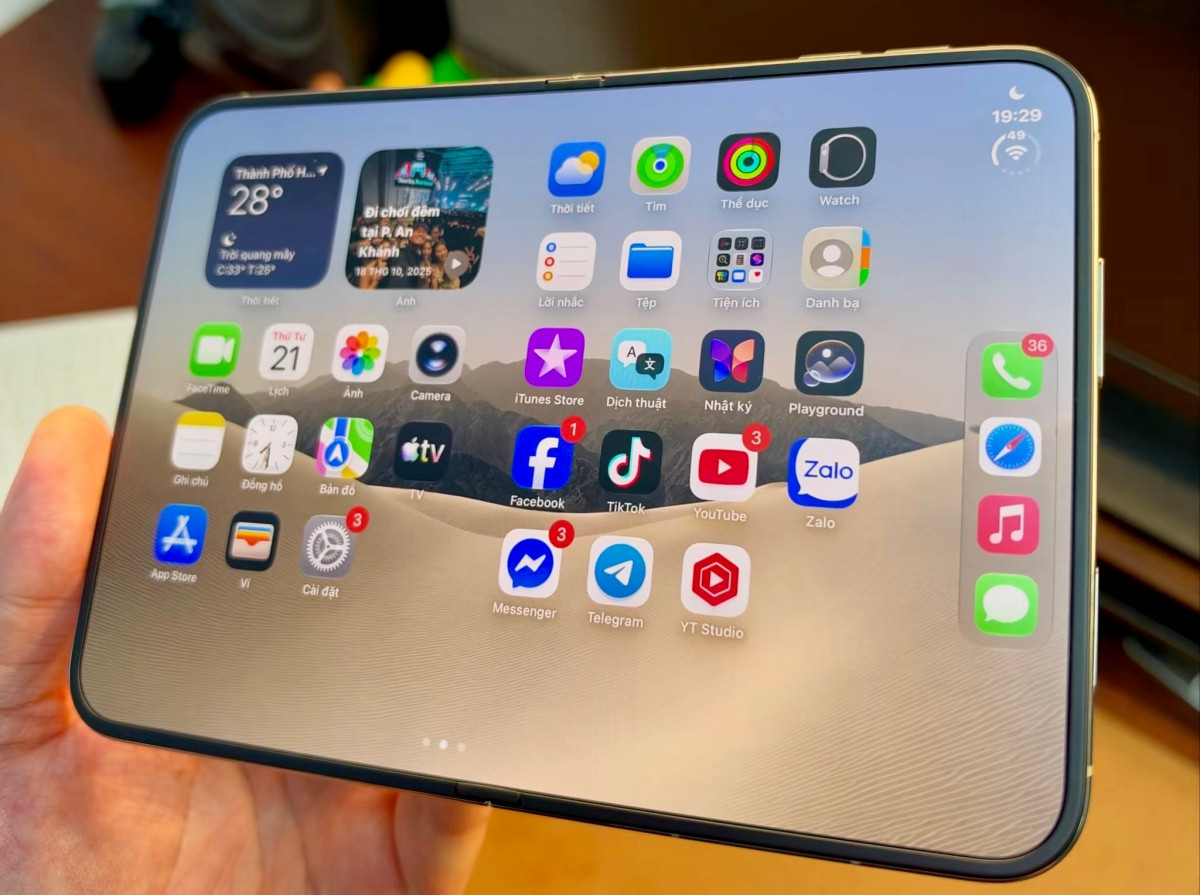
The iPhone Duo's arrival has brought renewed attention to the foldable smartphone category and could help expand its appeal beyond the existing Android customer base.
However, ongoing concerns about the quality and durability of Apple's foldable have complicated its debut, making the purchasing decision less straightforward.
For users who prioritize practical multitasking, a dedicated telephoto camera with powerful zoom capabilities and a large 6,000mAh battery, the OPPO Find N6 emerges as a particularly compelling option.
Samsung's Galaxy Z Fold 8 and Z Fold 8 Ultra offer a more balanced combination of pricing, functionality and everyday usability than the iPhone Duo.
Apple's first foldable may be an important milestone for the company, but Android manufacturers still hold meaningful advantages in several areas that matter to buyers.
Le My

