 Vietnamnet.vn

 Podcast


Apple's first foldable iPhone is reportedly facing severe supply shortages shortly after preorders opened, leaving some customers waiting months for delivery.
While the situation has sparked criticism of Apple's launch strategy, the shortage could also work in the company's favor by strengthening perceptions that the iPhone Duo is a highly sought-after product.
The reality, however, is more complicated than a simple success or failure.
iPhone Duo shortages: Miscalculation or stronger-than-expected demand?
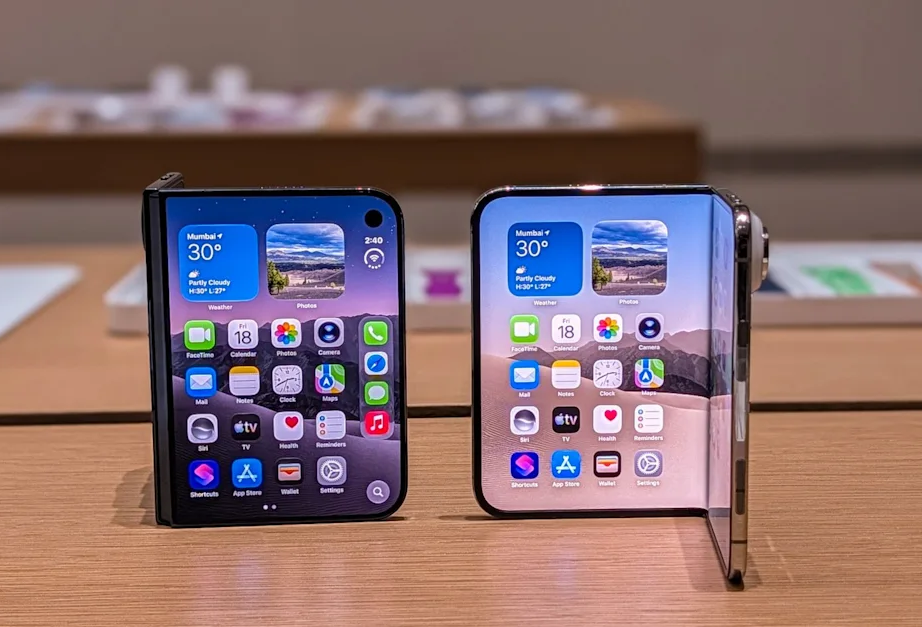
Apple typically builds up inventory before introducing a new product. However, forecasting demand for an entirely new device category, particularly its first foldable iPhone, presents a significant challenge.
If demand substantially exceeds supply, Apple risks disappointing some of its most loyal customers, including early adopters willing to pay a premium to own a first-generation product.
Conversely, if production exceeds demand and the device remains readily available, skeptics may interpret the lack of shortages as evidence that the launch has failed to generate sufficient interest.
This makes the current iPhone Duo supply situation open to several interpretations.
The shortage could indicate that demand has significantly exceeded Apple's expectations.
Alternatively, consumer interest may be relatively moderate, while manufacturing difficulties have limited the number of devices available for shipment.
A combination of both factors may be the most plausible explanation: relatively strong demand alongside constrained production capacity.
Crucially, nobody outside Apple knows the precise balance between iPhone Duo supply and demand.
Strong consumer interest would not be surprising.
Although foldable smartphones still account for a relatively small share of the overall market, Apple appears to have invested considerable effort in making iPhone Duo a distinctive product.
The company appears to have addressed two longstanding concerns associated with Android foldable devices: visible screen creases and questions about durability.
Apple has also developed software features intended to take advantage of the foldable form factor, while its carefully produced promotional videos have helped generate excitement around the device.
Even the premium price, initially a potential deterrent for some buyers, may become less significant once consumers experience the product's features and design.
According to technology website 9to5Mac, it has been some time since a new Apple product generated this level of excitement.
Nevertheless, enthusiasm alone cannot fully explain the extended delivery estimates.
Apple benefits from the hype, but customers pay the price
Two seemingly contradictory assessments of the iPhone Duo launch can both be true.
First, customers who placed orders in October but were given delivery estimates extending into January have legitimate reasons to be frustrated.
Waiting several months for an expensive new smartphone is hardly an ideal purchasing experience, particularly for customers eager to receive the device immediately after launch.
Second, the rapid extension of delivery estimates may reinforce the perception that iPhone Duo is exceptionally popular.
When a product becomes difficult to obtain, the resulting scarcity can attract additional media attention and intensify consumer interest.
That publicity may encourage more potential buyers to consider the device, even as existing customers face long waits.
In an ideal scenario, Apple would have accurately anticipated demand and maintained enough inventory to avoid excessive delays while still generating strong launch momentum.
The current situation is unlikely to represent that ideal balance.
However, the shortage may ultimately prove to be a mixed outcome rather than a major strategic failure.
Apple could benefit from the publicity and perceived exclusivity surrounding iPhone Duo, even as delivery delays damage the experience for some customers.
Still, extended shipping estimates should not automatically be interpreted as proof of extraordinary commercial success.
A reliable assessment would require information about Apple's initial inventory, manufacturing yields and actual preorder volumes.
Without those figures, it remains impossible to determine whether the shortages primarily reflect exceptional demand, production difficulties or both.
Could iPhone Duo arrive earlier than expected?
For customers already facing January delivery estimates, the situation may improve.
Apple has historically provided relatively conservative shipping estimates during the early stages of product launches.
When production and distribution proceed more smoothly than anticipated, the company sometimes moves delivery dates forward.
As a result, a January estimate does not necessarily mean customers will have to wait until then to receive their devices.
There may also be opportunities to purchase an iPhone Duo directly from physical Apple stores or authorized retailers, even when online orders show lengthy delays.
Unexpected in-store availability can occur because demand forecasts differ between online and physical retail channels, while purchasing patterns also vary by location.
Customers hoping to obtain the device sooner could therefore check local store availability or visit retailers when the phone officially goes on sale.
Ultimately, the iPhone Duo shortage illustrates the delicate balance Apple faces when launching a major new product.
Limited availability may reinforce the device's appeal and generate valuable publicity, but prolonged delays can also test customer patience.
Whether the shortage proves beneficial or damaging will depend on how quickly Apple can improve supply and convert early excitement into satisfied customers.
Hai Phong

