 Vietnamnet.vn

 Podcast


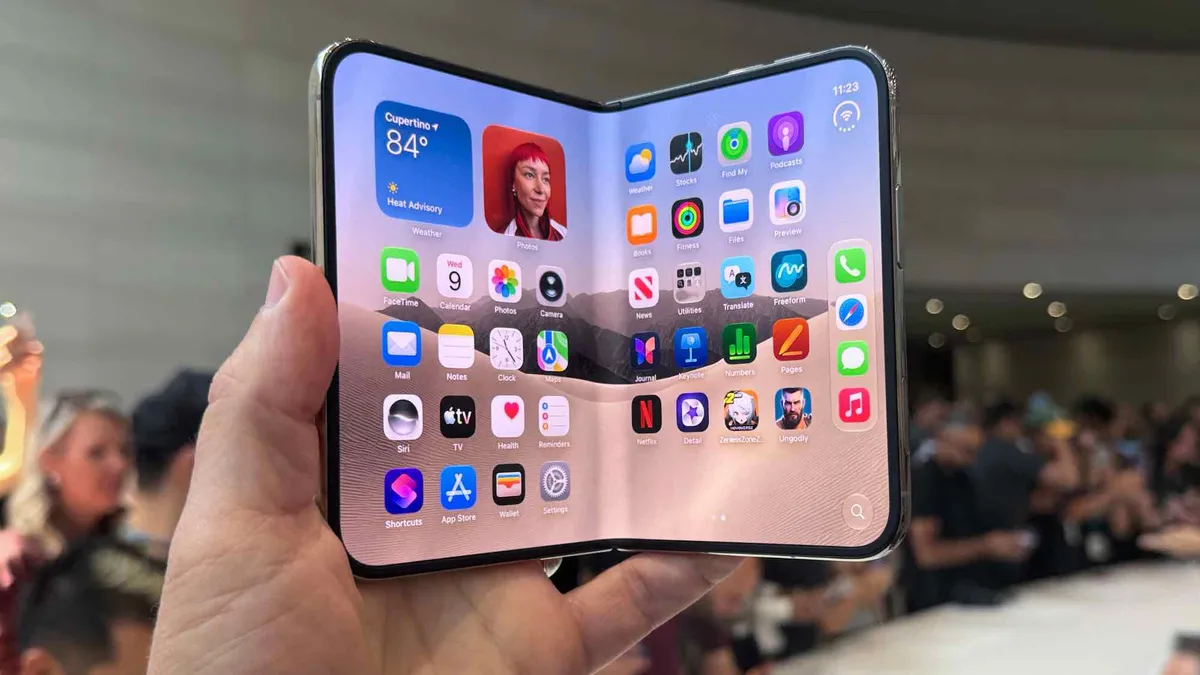
Bloomberg's Mark Gurman has criticized Apple's decision to launch iPhone Duo preorders before it had sufficient inventory to meet initial demand, calling the move a "big mistake."
According to Gurman, Apple prioritized bringing its new iPhone to market early in its first fiscal quarter rather than ensuring customers could receive their devices within the expected timeframe.
Apple knew about supply shortages but proceeded with preorders
Apple made a "big mistake" by opening iPhone Duo preorders on Friday, October 16, despite being aware that manufacturing difficulties would severely constrain supplies, Gurman argued in the latest edition of his Power On newsletter.
The Bloomberg journalist, known for his coverage of Apple, said the company understood the limitations but chose to proceed rather than wait until it had accumulated enough inventory to satisfy initial demand.
He suggested the decision reflected Apple's preference for launching the device early in its fiscal first quarter over providing a more predictable delivery experience.
The approach could disappoint customers, particularly early adopters who had eagerly anticipated the new device and hoped to receive it immediately after launch.
For an entirely new product in the iPhone lineup, the initial sales period is especially important.
It is not only an opportunity for Apple to generate publicity but also a crucial moment to convert consumer interest into actual sales.
When available inventory falls short of demand, however, initial excitement can quickly give way to frustration over extended waiting times.
Developments shortly after preorders opened suggested that iPhone Duo supplies were already under considerable pressure.
According to Gurman, Apple's estimated delivery dates began slipping less than 30 minutes after orders went live.
In most markets, customers placing orders were shown estimated delivery dates around January 25, 2027.
That meant customers who did not place their orders immediately could face weeks of additional waiting rather than receiving their devices in the first shipment.
The rapid changes in delivery estimates suggested that available inventory might not have been sufficient to accommodate the initial volume of orders.
However, online delivery estimates do not provide a complete picture of actual sales volumes. They cannot, on their own, establish the precise level of demand for iPhone Duo.
Nevertheless, the speed at which delivery dates were pushed back raised questions about Apple's launch preparations.
If the company was already aware of manufacturing constraints, opening preorders while supplies remained limited risked undermining the purchasing experience for its most enthusiastic customers.
Apple expanded iPhone Duo preorders to more than 70 countries
Another notable detail was Apple's reported change in distribution strategy ahead of the preorder launch.
According to Gurman, the company initially planned to introduce iPhone Duo in only the United States and China before expanding availability to other countries.
A phased rollout could have allowed Apple to concentrate limited inventory in its priority markets while giving production teams additional time to address manufacturing challenges.
Instead, the company ultimately decided to open preorders simultaneously in more than 70 countries.
The broader launch gave customers in many markets immediate access to the new product, but it also potentially increased pressure on Apple's inventory allocation.
When supplies are constrained, a simultaneous international rollout requires the company to distribute available devices across numerous markets at once.
If initial production volumes are insufficient, estimated delivery times can increase rapidly as orders accumulate.
Still, there is not enough evidence to conclude that the decision to launch in more than 70 countries directly caused the extended delivery estimates.
Manufacturing difficulties, production capacity and the volume of incoming orders are also important factors.
iPhone Duo delivery dates could still improve
Despite criticizing Apple's launch strategy, Gurman acknowledged that some customers could receive their devices earlier than currently estimated.
Apple often provides relatively conservative shipping estimates and sometimes delivers products ahead of schedule.
As a result, customers whose iPhone Duo orders currently show delivery dates around January 25, 2027, could see those estimates move forward.
However, the extent of any improvement remains uncertain.
Much will depend on Apple's ability to increase production, replenish inventory across different markets and clear its backlog of preorders.
For consumers hoping to obtain an iPhone Duo shortly after launch, the extended delivery estimates are an important consideration before placing an order.
For Apple, the challenge goes beyond generating excitement around a new product.
The company must also demonstrate that it can translate consumer interest into a reliable and satisfactory purchasing experience.
Hai Phong

