 Vietnamnet.vn

 Podcast



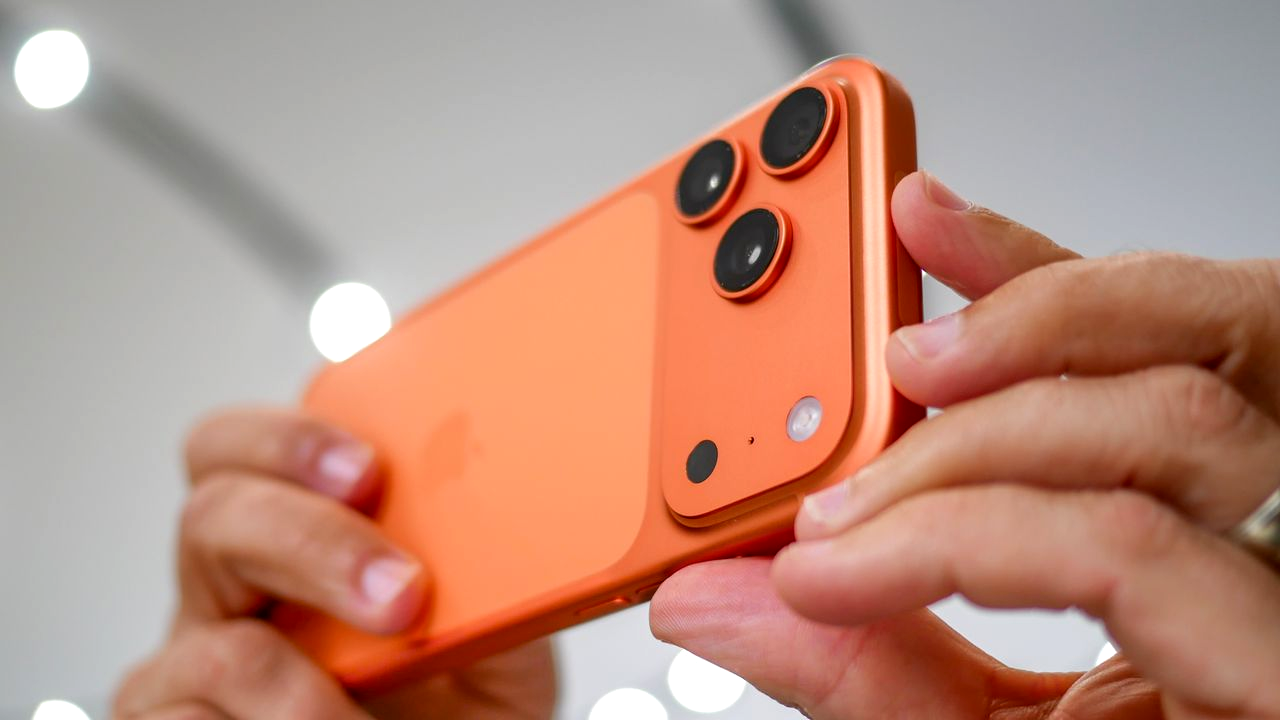
A fresh wave of rumors is stirring the smartphone world, once again placing the iPhone camera at the center of attention - an area where Apple consistently delivers strong results, yet is sometimes seen as lacking the hardware flexibility of high-end Android rivals, particularly from Chinese manufacturers.
At present, iPhones remain among the most reliable performers in mobile photography, especially in terms of consistency and image processing. However, even models like the iPhone 17 Pro Max have yet to match the sheer versatility of some Android flagships, many of which feature quad-camera setups, large sensors and even dual 200MP configurations for both primary and zoom lenses.
Devices such as Xiaomi 17 Ultra, Vivo X300 Ultra and Oppo Find X9 Ultra are increasingly regarded as leaders in mobile imaging, thanks to their aggressive focus on hardware, from large sensors to advanced optics.
A bold rumor around a 200MP sensor
According to well-known leaker Digital Chat Station, Apple may be considering the use of Sony’s LYT-901 sensor - a component expected to debut on the Oppo Find X9 Ultra. This has sparked speculation that Apple could adopt similar high-end camera hardware seen in competing flagship devices.
The sensor is unlikely to appear on the iPhone 18, however. Instead, it may arrive in a later generation, potentially in 2027. That device could be branded as iPhone 19 or even iPhone 20, especially if Apple aligns it with the 20th anniversary of the original iPhone.
Previously, there were also rumors of Apple exploring a 200MP sensor from Samsung. A shift toward Sony’s LYT-901 would mark a notable change in direction.
Introduced in late 2025, the LYT-901 quickly drew attention within the tech community. It is a stacked CMOS sensor measuring 1/1.12 inch - relatively large for a smartphone - with 0.7-micron pixels and Quad-Quad Bayer technology.
This setup enables pixel binning for improved low-light performance while maintaining high resolution through AI processing. The sensor can capture 200MP images at up to 10 frames per second, or 50MP images at 30 frames per second. It also supports crop zoom with minimal quality loss, a key advantage in modern mobile photography.
If adopted, such hardware could significantly enhance iPhone’s zoom capabilities and fine detail capture.
Camera remains the defining feature of flagships
Today, flagship smartphones are increasingly judged by their camera performance rather than just raw power or battery life.
While high-end devices still require strong processors, large batteries and premium designs, the camera experience is often what drives upgrade decisions.
However, building an outstanding camera system goes far beyond simply installing a new sensor. Lens design, aperture, optical coatings and image signal processing all play crucial roles. Each manufacturer also develops a distinct visual signature, from color science to HDR handling and noise reduction, with computational photography playing an ever-growing role.
As a result, two devices using the same sensor can produce dramatically different results.
Still, the sensor remains the foundation. A more advanced sensor can deliver clear gains in detail, light capture and dynamic range - advantages that software alone cannot fully replicate.
Currently, the iPhone 17 Pro uses a Sony IMX903 sensor measuring 1/1.28 inch with an f/1.8 aperture. Moving to a larger sensor like the LYT-901 would represent a significant hardware upgrade.
Such a shift could allow future iPhones to compete more directly with Android flagships in photography - not only through software, but through cutting-edge hardware as well.
For now, the idea of Apple adopting the LYT-901 remains speculative. But if it becomes reality, it could mark a turning point in the smartphone camera race, pushing Apple into a new era where it competes at the highest level on both hardware and software fronts.
Hai Phong
.svg)
