 Vietnamnet.vn

 Podcast



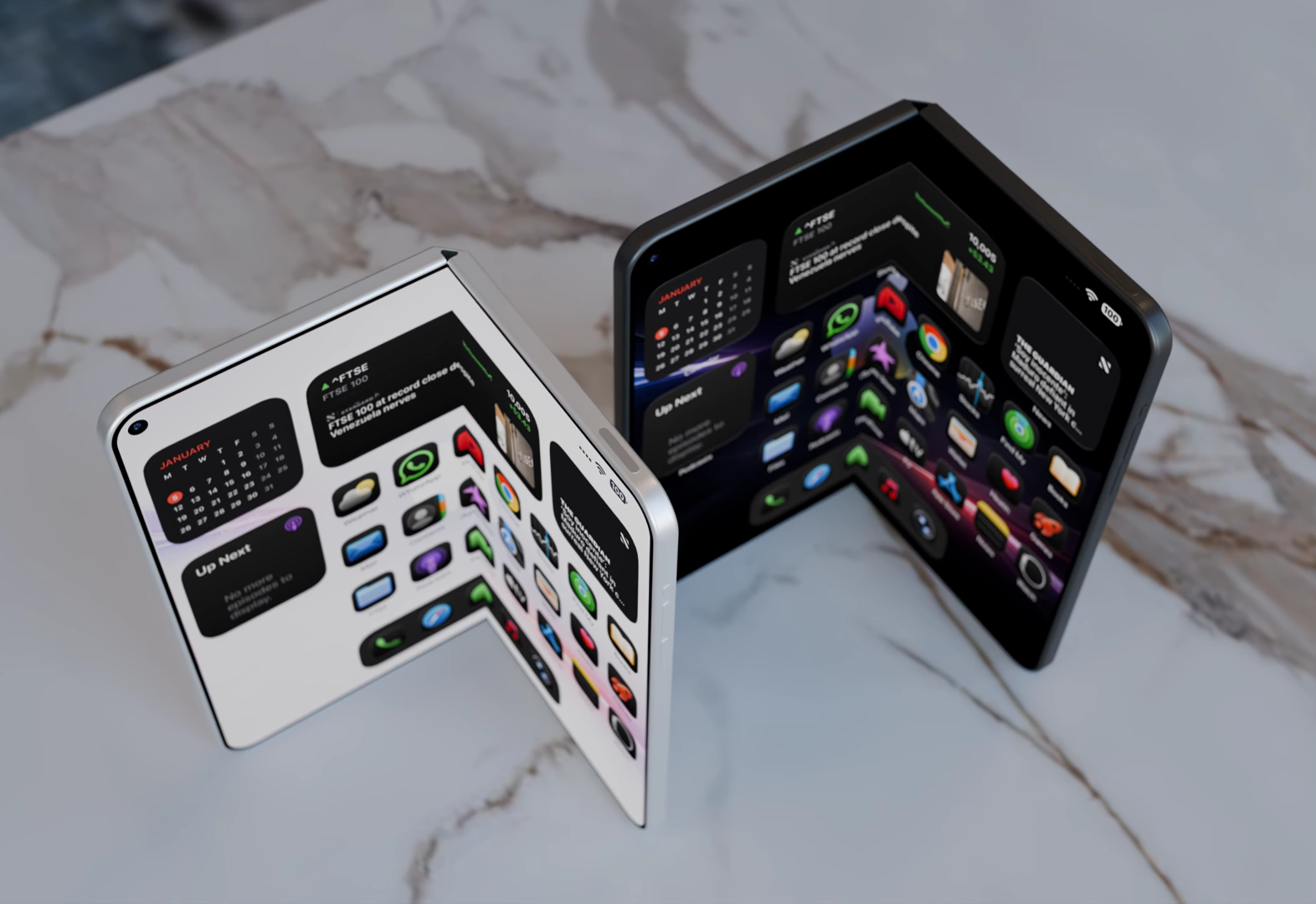
After years of speculation, the product widely regarded as one of Apple’s most secretive and ambitious projects appears to be approaching the finish line.
For decades, Apple has maintained a reputation for influencing the direction of the technology industry with every major product launch. The company’s entry into the foldable smartphone segment is no exception.
Although foldable devices have been available for years through manufacturers such as Samsung, Huawei and Honor, the arrival of a foldable iPhone is widely viewed as a milestone that could reshape the competitive landscape.
A steady stream of leaks in recent months has only intensified public interest.
What could the iPhone Ultra offer?
According to leaked information, Apple’s foldable iPhone Ultra will adopt a book-style folding design similar to Samsung’s Galaxy Z Fold series, though reportedly with a wider display aspect ratio.
The device is expected to run a version of iOS specifically optimized for large-screen multitasking, allowing users to split applications more effectively across the display. Such functionality has long been requested by users within Apple’s ecosystem.
On the hardware side, reports suggest the phone may feature a dual-camera system rather than the triple-camera setup found on current Pro models.
Perhaps more notably, Apple is rumored to be reviving Touch ID through a fingerprint sensor integrated into the power button, replacing Face ID. Industry observers believe this approach may be more practical for a foldable design.
Sources also indicate the device could be available in silver, white and indigo color options.
The display remains the most closely watched feature. Apple is believed to have invested heavily in reducing the visibility of the crease along the folding hinge, aiming to deliver a smoother visual experience than many existing foldable devices.
If accurate, the result could be one of the most refined foldable displays ever introduced.
Consumer excitement continues to grow
Leaked case designs and product renders have already provided what appears to be a detailed preview of Apple’s first foldable smartphone.
As a result, many consumers feel they already have a relatively clear picture of the device ahead of its official unveiling.
Recent online surveys suggest exceptionally strong interest in the product. Around 61% of respondents said they were highly excited to see what Apple would deliver with the iPhone Ultra when it is expected to launch alongside the iPhone 18 Pro and iPhone 18 Pro Max later this year.
More than 20% of respondents said they were not particularly interested in foldable phones in general but still intended to closely follow Apple’s efforts.
The findings highlight Apple’s unique influence in the consumer electronics market. Even users who are not typical foldable-phone customers appear curious about how the company intends to address longstanding challenges associated with the category.
Only around 19% of respondents said they had little interest in whether the iPhone Ultra succeeds or fails.
Reasons for caution remain
Despite the enthusiasm, analysts continue to urge caution.
One key concern is that the iPhone Ultra will represent a first-generation product. Technology history shows that first-generation devices often face challenges that later versions address more effectively.
Even Apple, known for its attention to product refinement, is not immune to such issues.
Recent reports suggest development and production of the foldable iPhone have experienced multiple delays due to technical challenges involving the display and hinge mechanism.
Some sources have also claimed that prototypes exhibit minor noises or slight looseness after prolonged use.
The display crease, a problem Apple has reportedly spent years attempting to minimize, may still be visible to some extent. While it could prove less noticeable than on competing products, it may not be entirely invisible as some consumers hope.
Pricing is another potential obstacle.
Many industry observers believe the iPhone Ultra could become the most expensive iPhone ever released, significantly exceeding the price of current Pro Max models. Such positioning would likely limit the device to premium buyers rather than the mass market.
Nevertheless, Apple’s influence is already being felt even before the product reaches store shelves.
Historically, whenever Apple enters a new product category, consumer interest tends to surge. While the company does not always dominate sales immediately, it often plays a major role in accelerating innovation and bringing emerging technologies into the mainstream.
The same dynamic may be unfolding in the foldable smartphone market.
Regardless of its ultimate commercial success, the iPhone Ultra has already established itself as one of the most anticipated technology products of the year.
Hai Phong
.svg)
