 Vietnamnet.vn

 Podcast



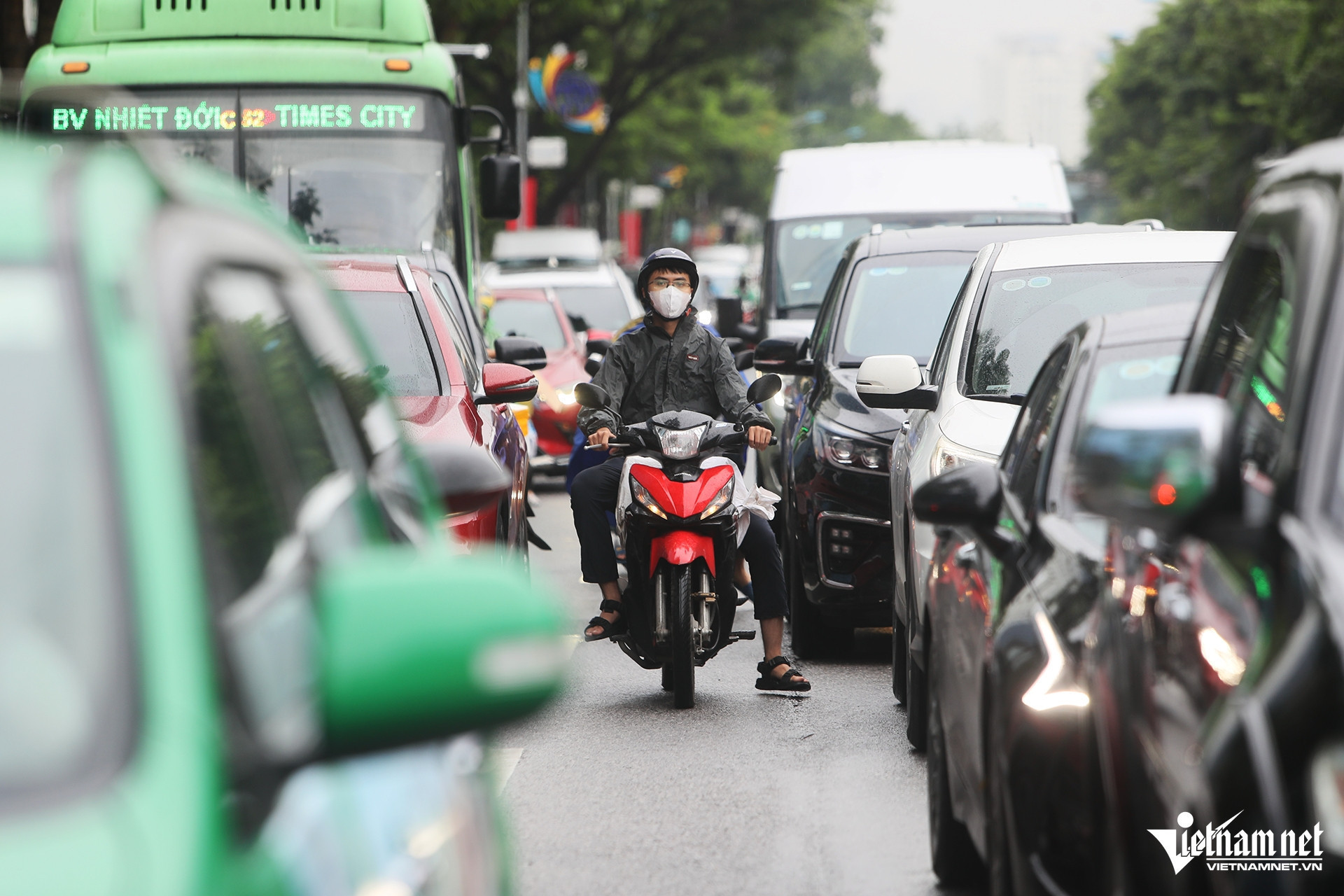
Hanoi's proposal to collect tolls from cars and motorbikes entering the inner-city area within Ring Road 1 starting from 2028 has received a variety of opinions from experts.
Nguyen Van Thanh, former Director General of the Directorate for Roads of Vietnam, stated that charging vehicles entering the city center is not a brand-new solution. A number of major cities around the world have implemented it and achieved positive results. However, the common denominator is that almost all of them had to undergo a preparation process spanning many years before official deployment.
According to Thanh, the true nature of the inner-city vehicle toll policy is not to increase state budget revenue, but to regulate commuting demand, alleviate traffic pressure, and step-by-step restrict personal vehicles within the central area.
He argued that policies directly impacting the commuting activities of citizens always receive differing opinions. However, critical opinions should be viewed as an important reference channel for regulatory authorities to evaluate, adjust, and perfect the policy, instead of becoming a reason to delay necessary solutions aimed at resolving urban congestion and pollution.
A traffic expert who once participated in consulting projects regarding low-emission zones in Hanoi stated that many cities worldwide have taken 7 to 10 years to research, gather public opinions, perfect infrastructure, and run trials before applying tolls or restricting vehicles from entering the city center.
London (UK), Stockholm (Sweden), Paris (France), Seoul (South Korea), Beijing, and Guangzhou (China) all followed this roadmap. Inner-city toll collection was only deployed when the public transport system had developed to a certain level, the vehicle database was perfected, and citizens possessed alternative choices to personal vehicles.
According to the expert, the crucial point is that Hanoi should not view toll collection merely as setting up checkpoints and collecting money. This is an integrated policy related to traffic management, the environment, technology, and shifting the commuting behavior of the public.
Not just toll collection, but vehicle classification
Also according to this expert, international experience demonstrates that many cities do not apply a single flat fee for all vehicles. Vehicles are routinely classified based on emission levels or service life. Environmentally friendly vehicles are prioritized or granted fee exemptions and reductions, whereas older, high-emission vehicles must pay a higher fee or face circulation restrictions.
In France, many major urban areas apply the low-emission zone model, in which vehicles are classified by their pollution level. Vehicles meeting high environmental standards are permitted to circulate more favorably, while older vehicles may be restricted or banned from certain central areas.
Monitoring is executed via automated license plate recognition camera systems or classification stickers, linked with the vehicle database to determine circulation rights or the applicable fee to be paid.
To achieve this, these urban areas have all built synchronized vehicle databases connected with vehicle registrations, inspections, and the license plate recognition camera network.
According to the expert, this is precisely what Hanoi needs to prepare if it wants to deploy the policy effectively. The city must build a comprehensive vehicle database, an automated surveillance system, and real-time processing capabilities.
Thorough social impact assessment required
In addition to technological factors, Hanoi needs to carefully evaluate social impacts before putting the policy into practice. Questions such as where citizens will park their vehicles, how many people will switch to buses or urban railways, and whether the public transport system can meet the demand must all be researched using specific forecasting models.
According to Thanh, the implementation of the policy needs to be based on multiple factors, such as environmental pollution levels, public transport capacity, social acceptability, and supporting policies for vehicle transition.
In the context of mounting traffic pressure and air pollution in Hanoi, researching solutions to restrict personal vehicles is necessary.
However, for the policy to be feasible and receive consensus from the public, the city needs a long-term roadmap with comprehensive preparation in terms of infrastructure, technology, and accompanying support solutions.
Vu Diep
.svg)
