 Vietnamnet.vn

 Podcast



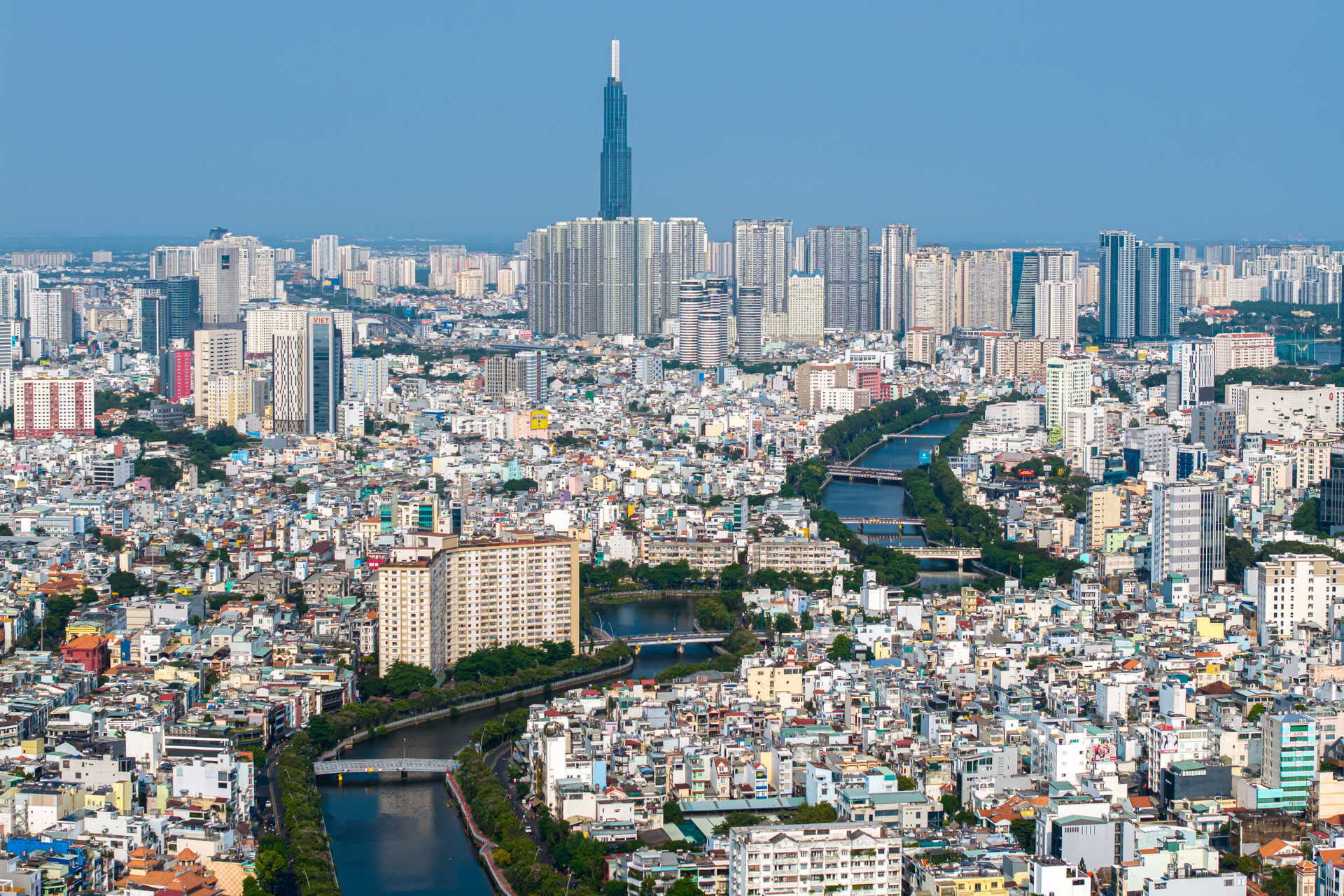
A relative of mine in HCMC bought a house nearly 15 years ago. He moved in when his children were small. Now the eldest is in university, but throughout those years, what made him most anxious was the fact that he did not have a land certificate, or red book, as commonly called by most people.
A few days ago, he called with a happy voice: he was informed that the local residents may get red books after many years of waiting.
“The whole neighborhood is thrilled,” he said. “It feels like, finally, my house is truly mine.”
Awakening hundreds of trillions of VND
His joy stems from a recent HCMC policy: resolving bottlenecks for more than 60 real estate projects with about 68,000 houses, while aiming to issue 61,200 books in 2026.
This is a highly welcome decision because what the city is effectively doing is not merely handling an administrative backlog that has dragged on for years. It is helping tens of thousands of homes trapped in legal limbo return to normal circulation in the market.
If each apartment is worth several billion dong on average, while townhouses can be worth tens of billions of dong, then resolving legal issues for around 68,000 homes and issuing 61,200 red books in 2026 means hundreds of trillions of dong worth of assets will regain full legal status and return to normal market circulation.
Once certificates are issued, homeowners will not only feel more secure about ownership rights, but will also be able to legally transfer, transparently buy and sell, and mortgage properties for loans, and access formal credit channels.
A red book is not simply proof of housing ownership. It also allows people to turn their property into capital for business, investment, or long-term financial needs.
After nearly one and a half years of operation, Task Force 1645 has held dozens of meetings to resolve legal bottlenecks for hundreds of projects. Tens of thousands of apartments have had legal issues cleared, while thousands of dossiers have been transferred to tax authorities to complete certification procedures.
Recently, thousands of customers of Novaland welcomed news that the red book issuance would be accelerated after years of legal entanglements. For Aqua City project, the red book handover would start from June 2026, while the company said around 4,300 books in HCMC could be issued this year.
What matters is not only the number of certificates, but in the fact that legal resolutions are gradually restoring confidence to the market after years in which homebuyers were haunted by projects where “people had homes but no papers.”
The story of HH Linh Dam in Hanoi
What is happening in the HH Linh Dam area in Hanoi shows that issuing land certificates to people is no longer a simple matter of paperwork, but a problem of handling a social problem that has existed for more than a decade.
More than 10 years ago, many people bought apartments here at prices of aVND15–VND17 million/sqm. To date, although there are no land certificates and most transactions are still carried out by handwritten papers, apartment prices have increased to about VND40 million/sqm. People still live there, houses are still traded, and prices still rise. But the paperwork has not kept up.
There are currently about 40,000 residents living in the HH Linh Dam area. After all those years, what the majority of people want most is not investment profit or moving elsewhere, but that the largest house of their life is finally fully recognized by the law.
The Hanoi government is also currently surveying and searching for a solution for the HH Linh Dam area.
Unblocking the bottlenecks
One of the most important changes today is the effort to separate the rights of good-faith homebuyers from the violations committed by developers. Companies that break the law must be punished, but residents cannot remain trapped indefinitely.
That is why the National Assembly passed Resolution No29/2026/QH16 on special mechanisms to handle long-delayed projects and land-related violations.
The spirit of the resolution is quite clear: violations will not be ignored, but neither will thousands of projects and enormous pools of assets be left frozen in the economy.
According to the Ministry of Agriculture and Environment, by March 2025, the country had 4,489 land-related projects facing difficulties and legal obstacles, with total investment exceeding VND3.35 quadrillion.
Tu Giang
.svg)
