 Vietnamnet.vn

 Podcast



On June 23, Khanh Hoa held a conference to review initial results from the "500-day campaign to accelerate the search, recovery and identification of martyrs' remains."
Campaign aims to locate 150 martyrs' remains in Khanh Hoa
According to a report presented at the conference, Khanh Hoa currently has eight martyrs' cemeteries containing 7,196 graves. Of those, 2,234 graves belong to martyrs whose identities remain unknown.
Under the campaign, the province is focusing on three major objectives: locating and recovering the remains of 150 martyrs; verifying, standardizing and concluding investigations into 168 locations and 946 records related to martyrs and martyrs' graves; and collecting DNA samples from 2,234 unidentified martyrs' remains for forensic analysis.
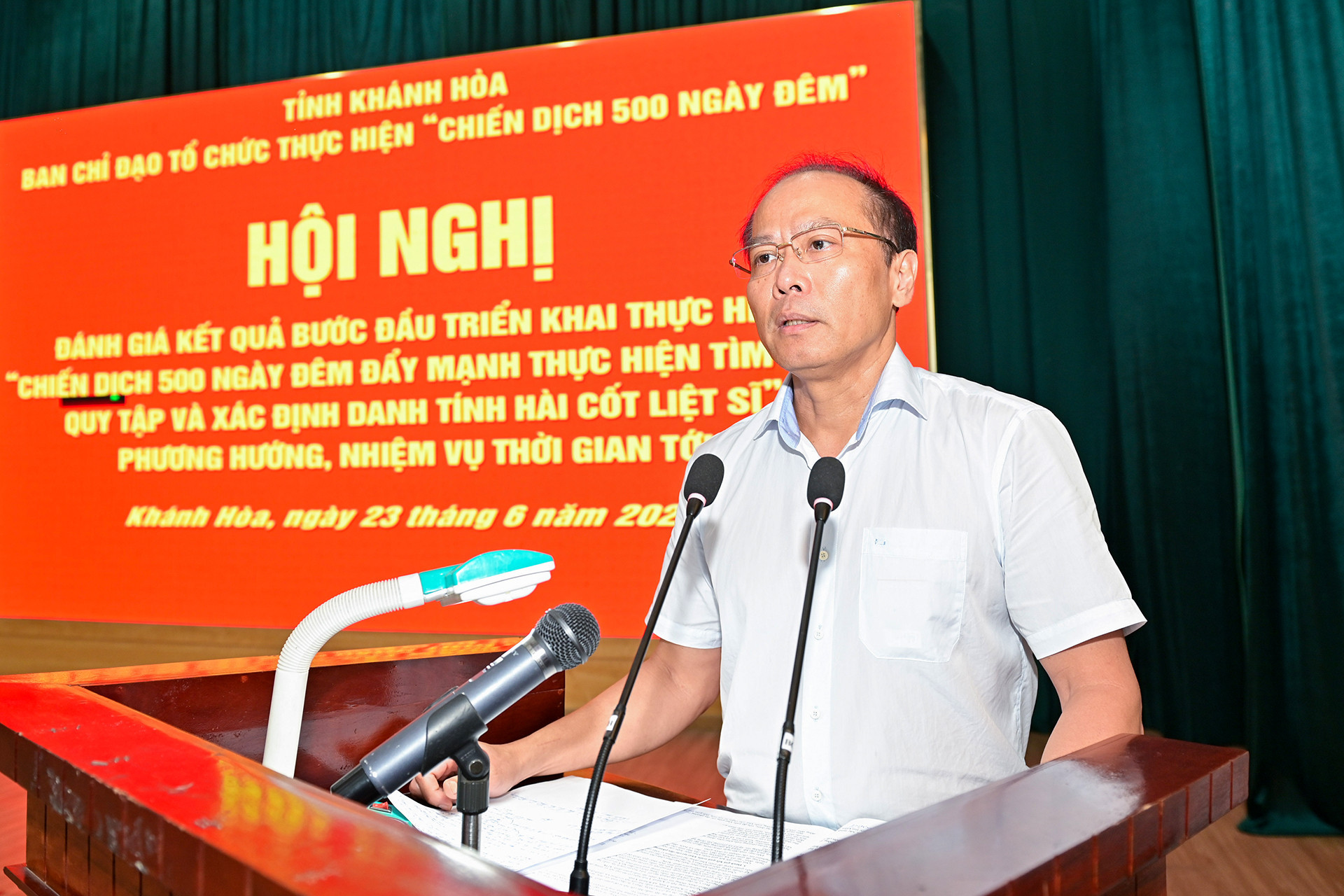
The provincial steering committee said the campaign has encountered a number of challenges during its initial phase due to the large workload, the introduction of new procedures and the high level of technical and professional expertise required.
Records and documentation related to martyrs and their graves remain incomplete in some locations. Many remains have been buried for decades and have deteriorated significantly, affecting surveys, sample collection and identification efforts.
In addition, information relating to martyrs and burial sites has become increasingly scarce. Shortcomings in archival records of previous recovery operations in some localities have complicated efforts to determine which areas have already been searched and to verify information through physical evidence.
Despite these difficulties, the campaign has achieved encouraging early results. Local authorities and relevant agencies have reviewed records and surveyed areas believed to contain information about martyrs and burial sites in order to develop recovery plans.
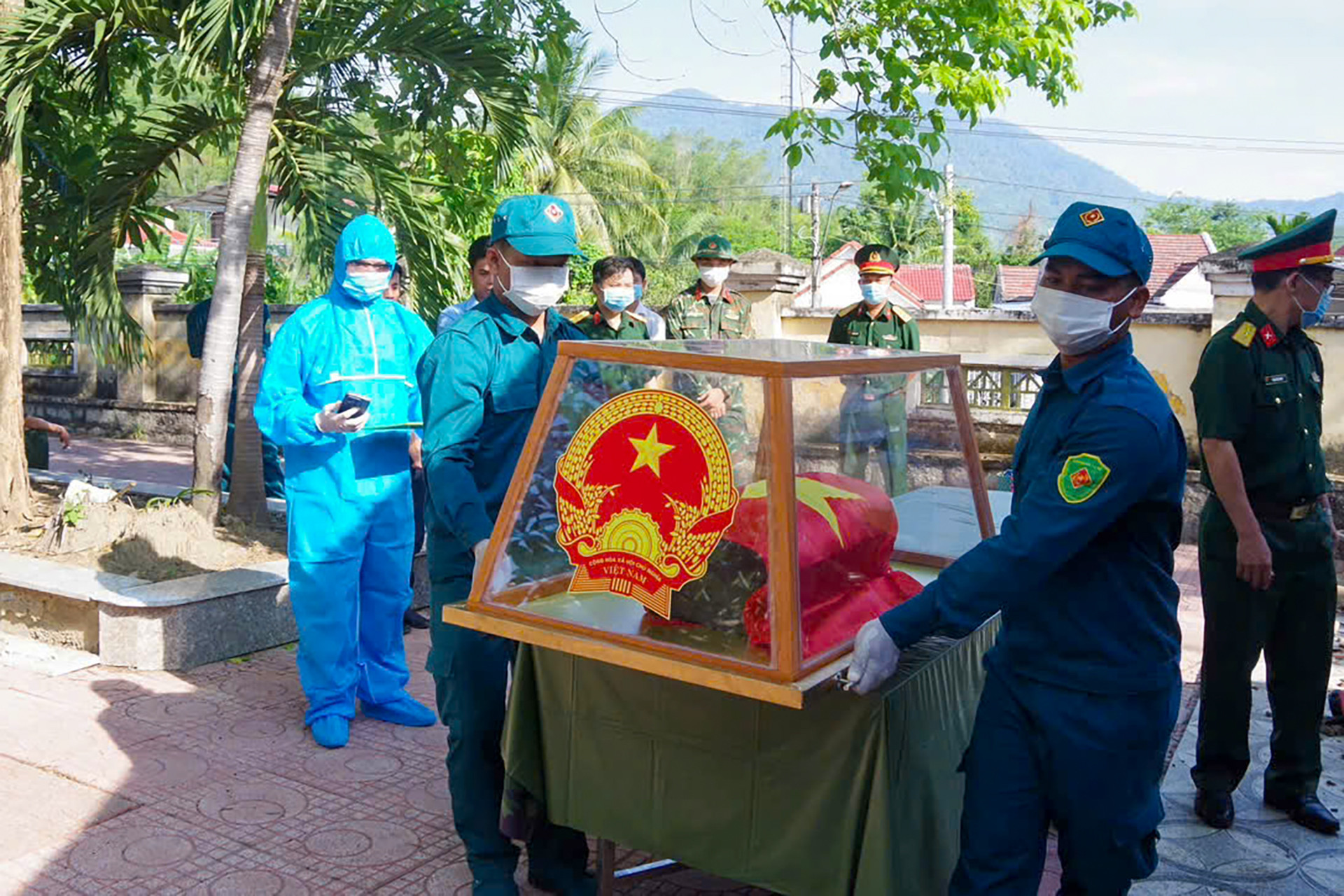
On May 26-27, the provincial steering committee conducted a pilot DNA sampling program at Khanh Vinh Martyrs' Cemetery. As a result, samples from six sets of remains met the required conditions for collection, digitalization and transfer to the Military Institute of Forensic Medicine.
According to Senior Colonel Truong Thanh Viet, Political Commissar of the Khanh Hoa Provincial Military Command, the pilot program provided valuable practical experience in organizing personnel, refining technical procedures, digitizing information and ensuring logistical support before expanding the effort province-wide.
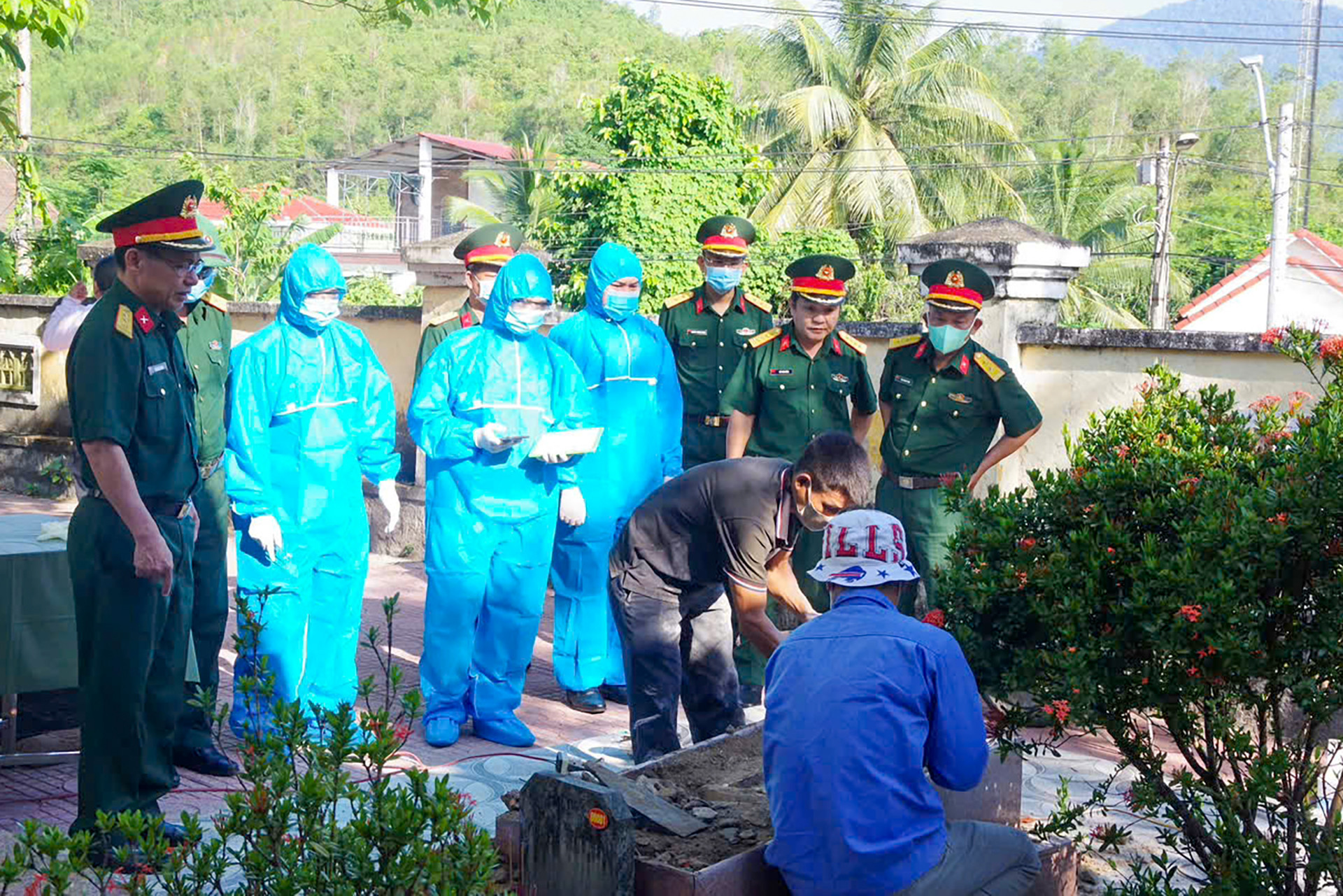
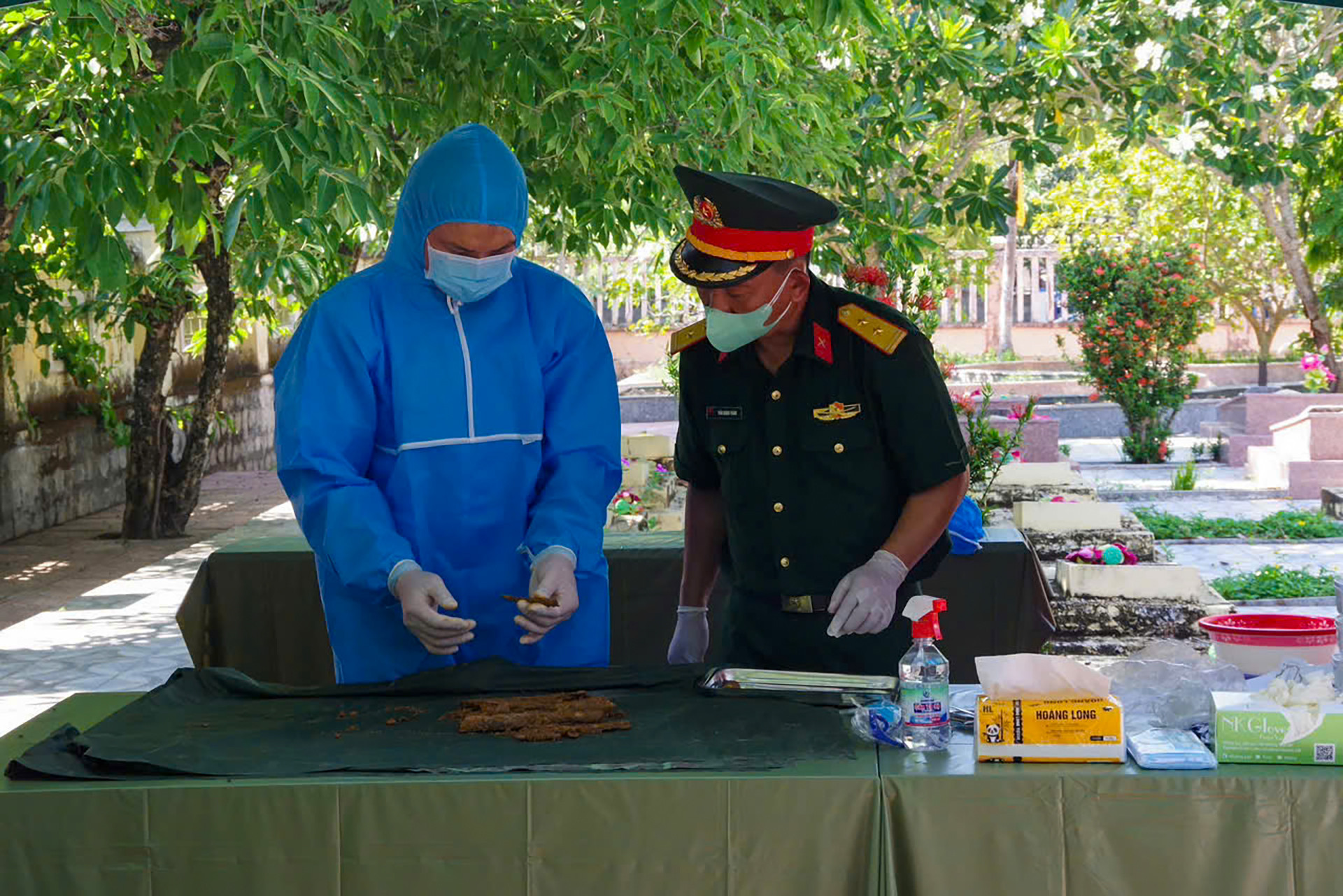
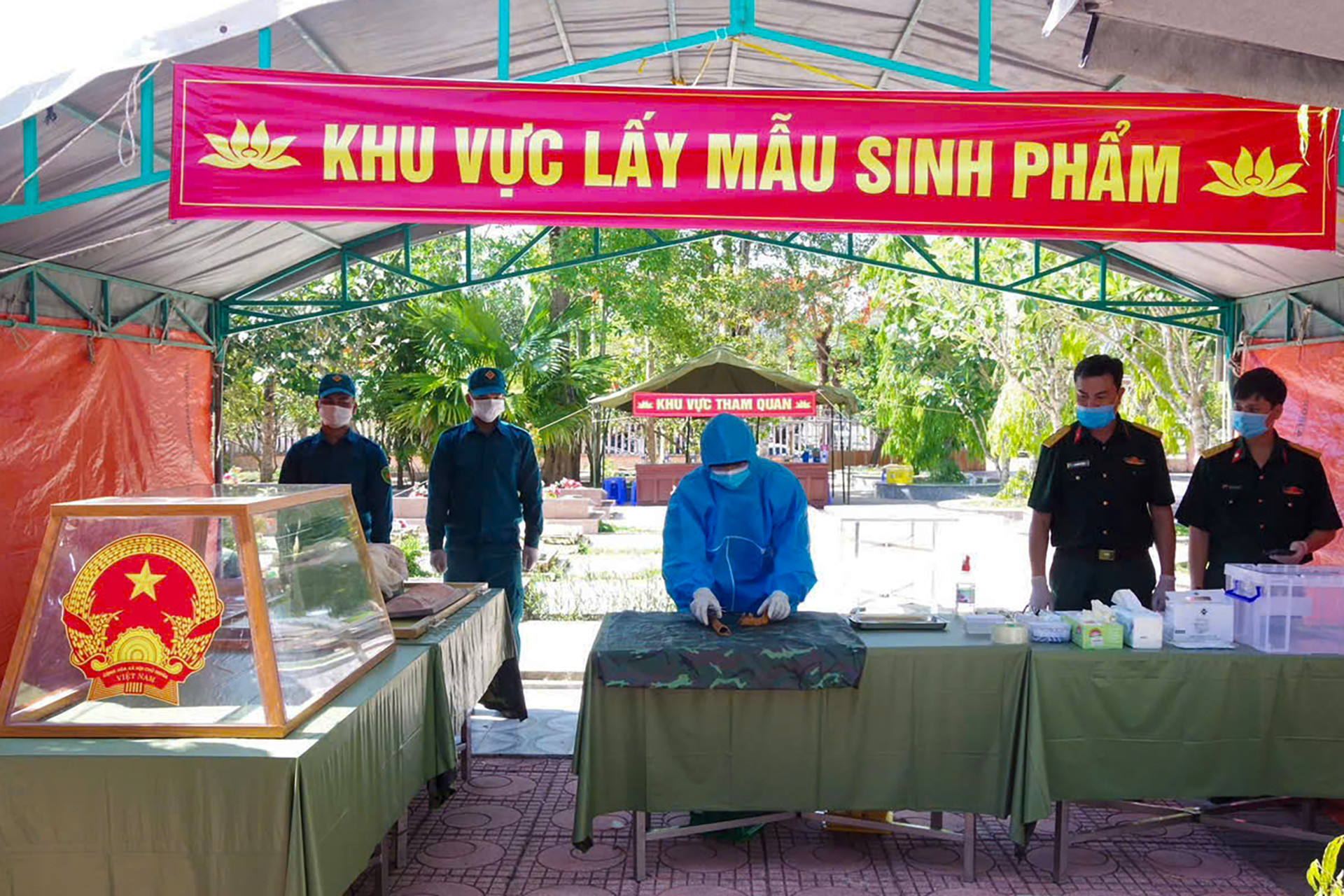
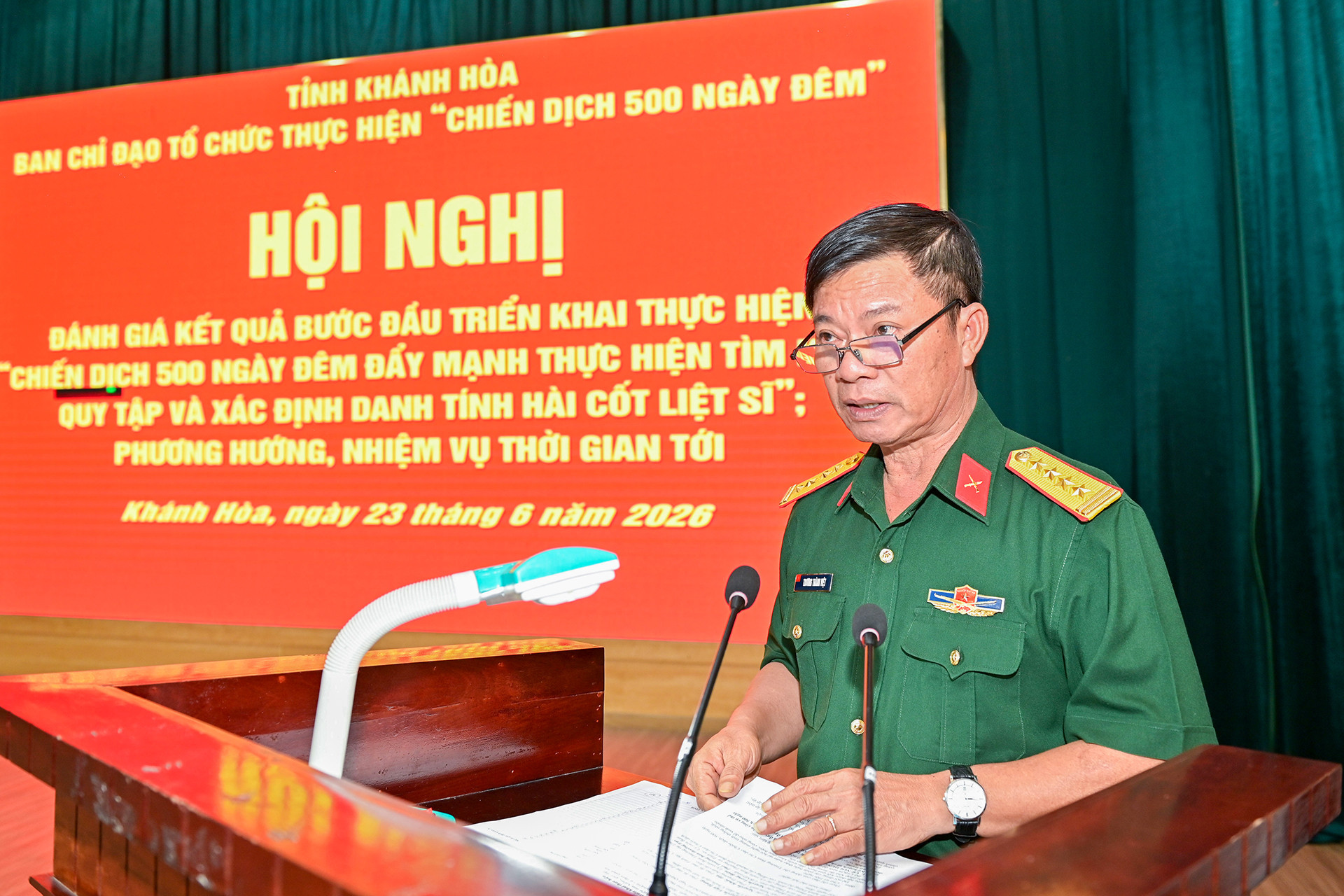
At the conference, delegates highlighted several challenges, including heavily reinforced graves, deep burial locations and the advanced deterioration of remains, which have reduced the proportion of samples suitable for DNA analysis.
Participants also noted that software used for digitizing and managing information related to martyrs' remains has at times been unstable. Funding remains limited, while some support allocations do not fully reflect actual implementation costs.
Deputy Secretary of the Provincial Party Committee Nguyen Khac Ha stressed that the campaign is a complex and sensitive task requiring scientific accuracy and careful implementation. He said the effort reflects Vietnam's enduring commitment to honoring those who sacrificed for the nation.
Ha called on agencies and local authorities to apply all available solutions to improve efficiency, including hiring specialists, mobilizing experienced personnel and investing in specialized equipment when necessary.
He also instructed the provincial steering committee to urgently revise the overall implementation plan, clearly assign responsibilities and establish completion deadlines. In addition, he urged stronger public outreach efforts to encourage residents and witnesses to provide information that could assist in locating, recovering and identifying martyrs' remains.
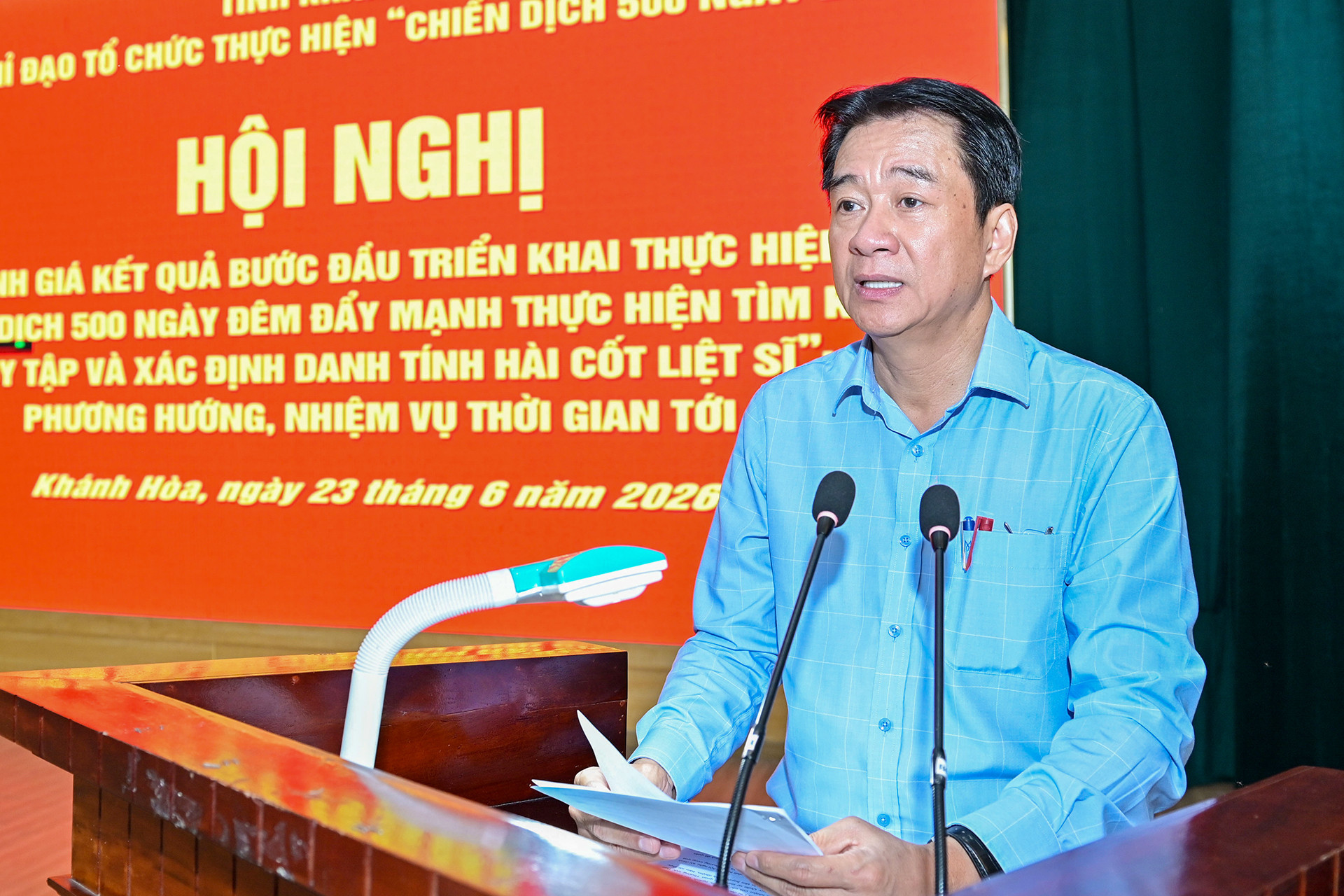
Nguyen Long Bien, Standing Vice Chairman of the Khanh Hoa Provincial People's Committee, acknowledged the campaign's initial achievements, particularly efforts by local authorities to encourage residents to share information and establish working groups to collect and verify records relating to martyrs and burial sites.
Bien urged communes and wards to quickly strengthen their steering committees and finalize local implementation plans. He also directed the provincial military command to continue reviewing and verifying relevant locations to support future search and recovery efforts.
Relevant departments and agencies were instructed to accelerate the digitization of records, coordinate DNA sample collection and ensure safety throughout implementation while advising on funding levels that reflect actual operational needs.
Xuan Ngoc
.svg)
