 Vietnamnet.vn

 Podcast



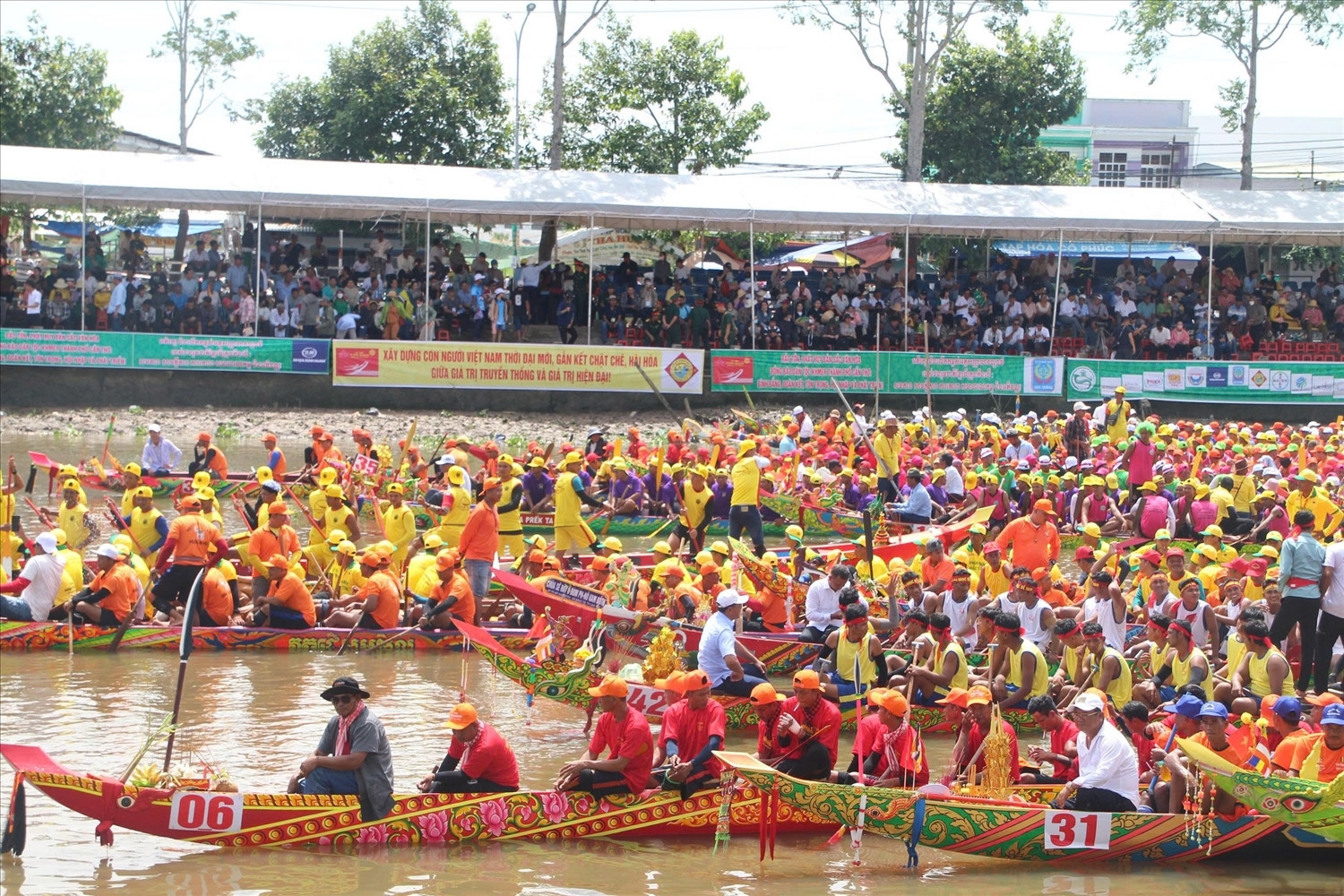
Recent achievements have created momentum for the new year to begin with hope for a more prosperous and sustainable life.
The roads leading into Khmer villages are clean and clear. On both sides of the roads are solidly built houses with neat fences. The lives of the Khmer people have improved significantly.
Under the National Target Program for socio-economic development in ethnic minority and mountainous areas in 2021-2025 (Program 1719), many essential infrastructure projects have been developed. The rural transport system has been concrete-paved, connecting hamlets and villages with the centers of communes and wards, creating convenience for travel and trade.
Dương Thi Diep in Phu Thuan hamlet, Nhu Gia commune, Can Tho City, shared that the roads are now wide and spacious, making travel much more convenient; children go to school safely, and people going to the market or transporting agricultural products also find it less difficult.
In Thuan Hoa commune, Can Tho City, where the Khmer people account for more than 75 percent of the population, there is a concrete road and Sa Bau canal bridge 3.5m wide and 2.5 km long, with a total construction cost of over VND5 billion. After more than two years of being put into use, the project has shown clear efficiency, helping trade and travel, especially for students going to school, become more convenient.
Along with infrastructure changes, Program 1719 also supports livelihoods and housing for poor and near-poor households, helping people feel secure in work and production.
La Hoang Dai, a poor household in Phuoc Quoi hamlet (Thuan Hoa commune), was supported to build a new house in 2025. He shared that with a solid home, the family can welcome the new year with serenity. Additionally, he received support of VND10 million to switch occupations, determined to strive for sustainable poverty escape.
Dinh Xuan Tuoi, in Bung Chum hamlet, Ngoc To commune, Can Tho City, said that his family previously mainly grew crops, but now has been supported with breeding cows to develop a subsidiary economy, with the goal of increasing the herd to three cows, having more calves each year to gradually improve income.
Can Tho currently has 411,000 Khmer people living there, accounting for nearly 9.8 percent of the population. In 2025, the city was allocated more than VND469 billion to implement Program 1719.
Lam Hoang Mau, Director of the Department of Ethnic Minorities and Religion of Can Tho City - said the program has been closely following the characteristics and conditions of each locality, thus creating a clear spillover effect, contributing to improving their lives.
National cultural identity
Besides material changes, the spiritual life of the Khmer people has also seen many positive transitions. Project 6 on "Preserving and promoting the good traditional cultural values of ethnic minorities associated with tourism development" under Program 1719 has been contributing to preserving and spreading cultural identity.
Many tourism models associated with traditional craft villages have been formed and developed, such as making flattened rice (com dep), weaving, performing folk dances, and five-tone (nhac ngu am) musical instruments, attracting tourists from inside and outside the locality, especially during the spring season. These activities not only create more income but also help Khmer culture be vividly present in community life.
Son Thi Dieu, Head of the Rom-vong Dance Club in Thuan Hoa commune, said that since its establishment, members have had the conditions to participate in performances at cultural events and traditional festivals inside and outside the city, as well as major national holidays. Each time they perform, everyone feels proud to contribute to preserving the national identity.
At Khmer pagodas in Can Tho, the atmosphere in the days leading up to Tet was very bustling with the sound of drums and five-tone music resonates, blending with the rhythm of spring. Notable locations include Bang Kro Chap Thmay pagoda (Tan Thanh commune), Serey Techo Mahatup pagoda (Phu Loi), Chanh Tesophon Prek On Dok pagoda (Nhu Gia) became destinations attracting many Buddhists and tourists for sightseeing, praying for peace, and enjoying traditional art programs.
According to monk Thach An, in charge of the dance and five-tone music team of Serey Techo Mahatup pagoda, during Tet and festivals, the pagoda often organizes performances to serve people and tourists, contributing to a joyful atmosphere and community cohesion.
Tao Dat
.svg)
