 Vietnamnet.vn

 Podcast



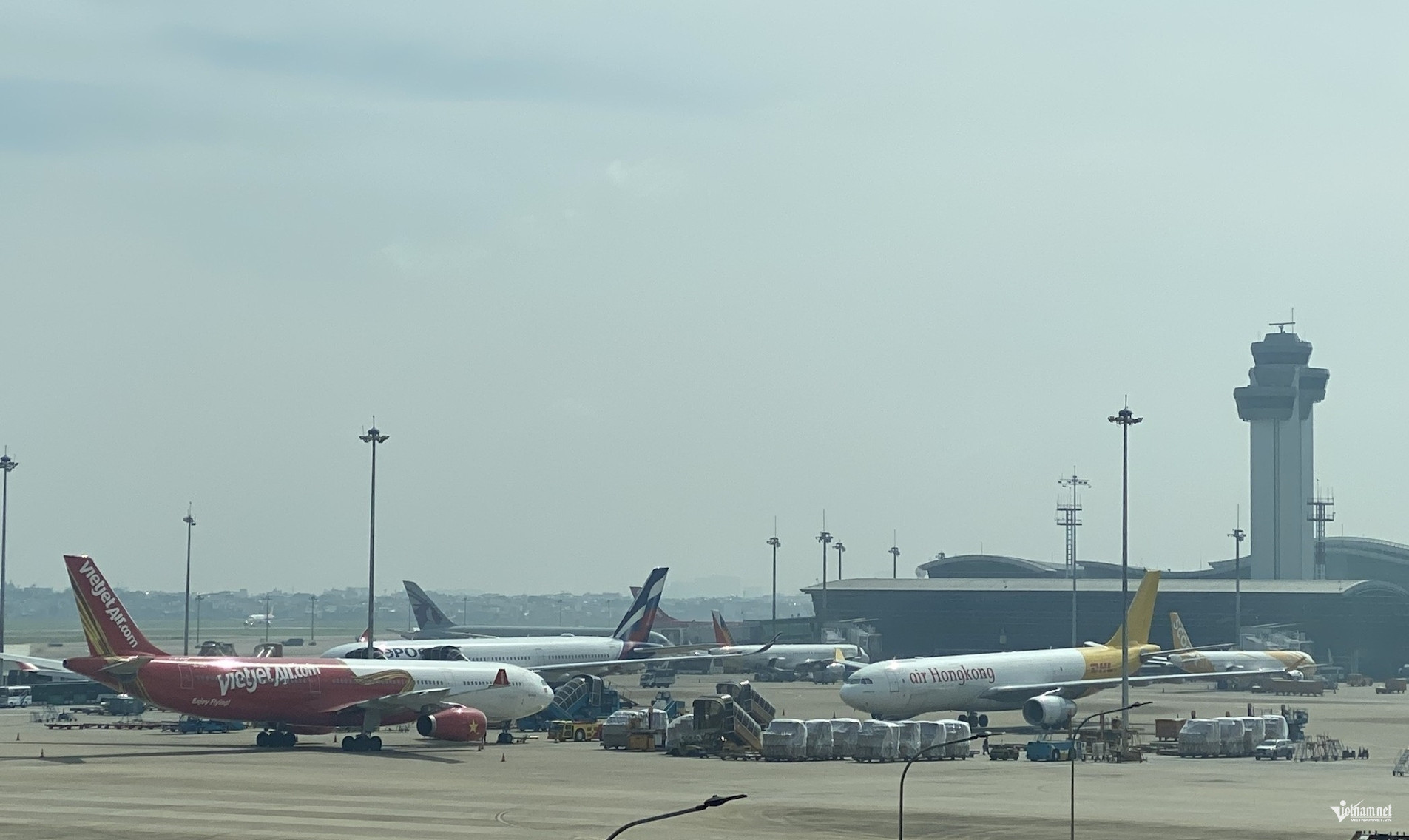
According to airport authorities, 27 incidents involving airspace violations were recorded from January to August 2025, marking a 42.1% increase compared to the same period in 2024, which saw 19 cases.
Among the reported incidents, high-intensity laser beams were the most frequent threat, with 16 occurrences. Pilots reported that laser pointers, particularly during night flights, were aimed directly at cockpits. Such actions can cause temporary blindness or visual impairment, seriously affecting pilots' ability to operate aircraft during takeoff or landing and increasing the risk of accidents.
Unmanned aerial vehicles (UAVs), or drones, are also a growing concern, with four unauthorized drone sightings recorded. These include detections at altitudes of 2,000 and 4,000 feet, with one drone spotted just five miles from a landing point. Unauthorized drone activity in restricted airspace presents a serious collision hazard to commercial aircraft.
In addition to drones and lasers, traditional airborne objects such as kites and balloons have also disrupted airport operations. Authorities documented three incidents each involving kites and balloons, which pose direct threats to flight safety.
A particularly serious case occurred on January 16 in Long Binh Ward, Dong Nai Province, when a Vietjet Air aircraft was grounded after one of its engines became entangled in a kite string.
In response to the escalating risks, Tan Son Nhat International Airport has called for coordinated preventive measures involving the People’s Committees of Ho Chi Minh City and Dong Nai Province, as well as the Southern Airports Authority.
The Chairman of the Dong Nai Provincial People’s Committee has issued directives to local agencies, including the provincial police, military command, and construction department, to enhance public awareness, conduct frequent inspections, and strictly penalize violations related to airspace safety.
Tuan Kiet
.svg)
