 Vietnamnet.vn

 Podcast



Editor’s note: In 2025, as Vietnam celebrates 80 years of independence and nearly four decades of Renovation, the nation faces a new chapter that demands ambition and institutional reform. Resolution 68 identifies the private sector as a vital engine of growth that must be empowered to thrive and lead, even in strategic areas.
In that spirit, VietNamNet introduces standout private enterprises: Giovanni (Nguyen Trong Phi), who has mastered the luxury fashion value chain; MK Group (Nguyen Trong Khang), expanding from identity technology to national defense; Le Gia Fish Sauce (Le Ngoc Anh), elevating traditional craft to national brand; and 1Metrict (Phan Duc Trung), pioneering Vietnam’s digital asset market.
These stories reflect the power of entrepreneurship, innovation, and integration - proving that with transparent, fair policies, the private sector can become the backbone of national development.
A craving for the taste of the sea
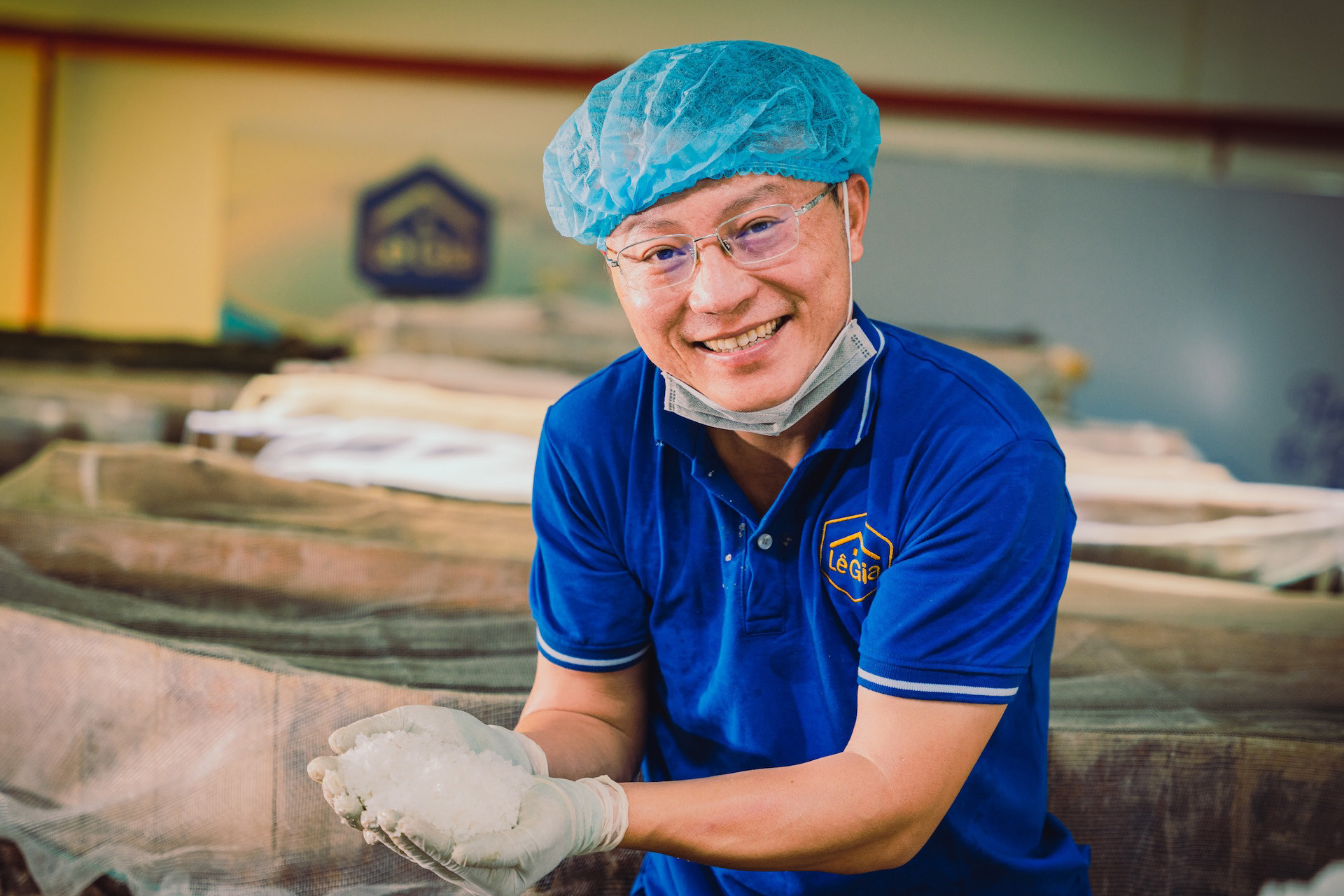
In the scorching summer of 2017, under rows of Casuarina trees near Hai Tien Beach (Thanh Hoa), civil engineer Le Anh sat silently beside bottles of fish sauce that no one wanted to try. For three months, he had visited restaurants and approached tourists, offering samples - none were accepted.
“I asked myself if I was wasting society’s resources. Should I just quit?” he recalled.
But memories of childhood meals with cassava and fish sauce, his mother sun-drying fish, and the village women toiling to make fish sauce in Khuc Phu kept him grounded. “The only thing I had when I started was love - for fish sauce,” he said.
Eight years later, the Le Gia brand can now be found in major supermarkets across Vietnam and in markets such as the US, Japan, South Korea, Australia, and the EU. Its products have achieved the prestigious national 5-star OCOP certification - an honor held by only a few dozen items nationwide.
More importantly, from what he once called a “naive” decision, Le Anh has revived a traditional craft, created jobs for dozens of coastal villagers, secured stable output for fishermen and salt farmers, and restored Khuc Phu village’s place on the culinary map of Vietnam.
Born in 1985 and a university graduate, Le Anh once held a high-paying job, contributing to major projects such as Noi Bai International Airport and the Nghi Son Refinery. But gradually, joy faded. Architectural plans and concrete towers felt lifeless.
“Some nights I’d sit at the construction site, longing to hear the sound of salt being poured over fish and to smell the briny breeze of home. I needed to follow my passion,” he said.
His parents opposed his career change, warning: “You’ve escaped this hard life - don’t go back to that exhausting, dead-end job.” Others were skeptical and dismissive.
In the early days, he had only a few old jars passed down by his family, a vacant plot of land inherited from his grandparents, and mounting debts. Restaurants turned him away. “Customers now prefer dipping sauces - your fish sauce is too strong,” they told him.
Years of struggle showed in his graying hair and wearied face. “At times, I wanted to give up - not out of pride, but because I didn’t want my family to suffer,” he said.
Persistence in the face of adversity
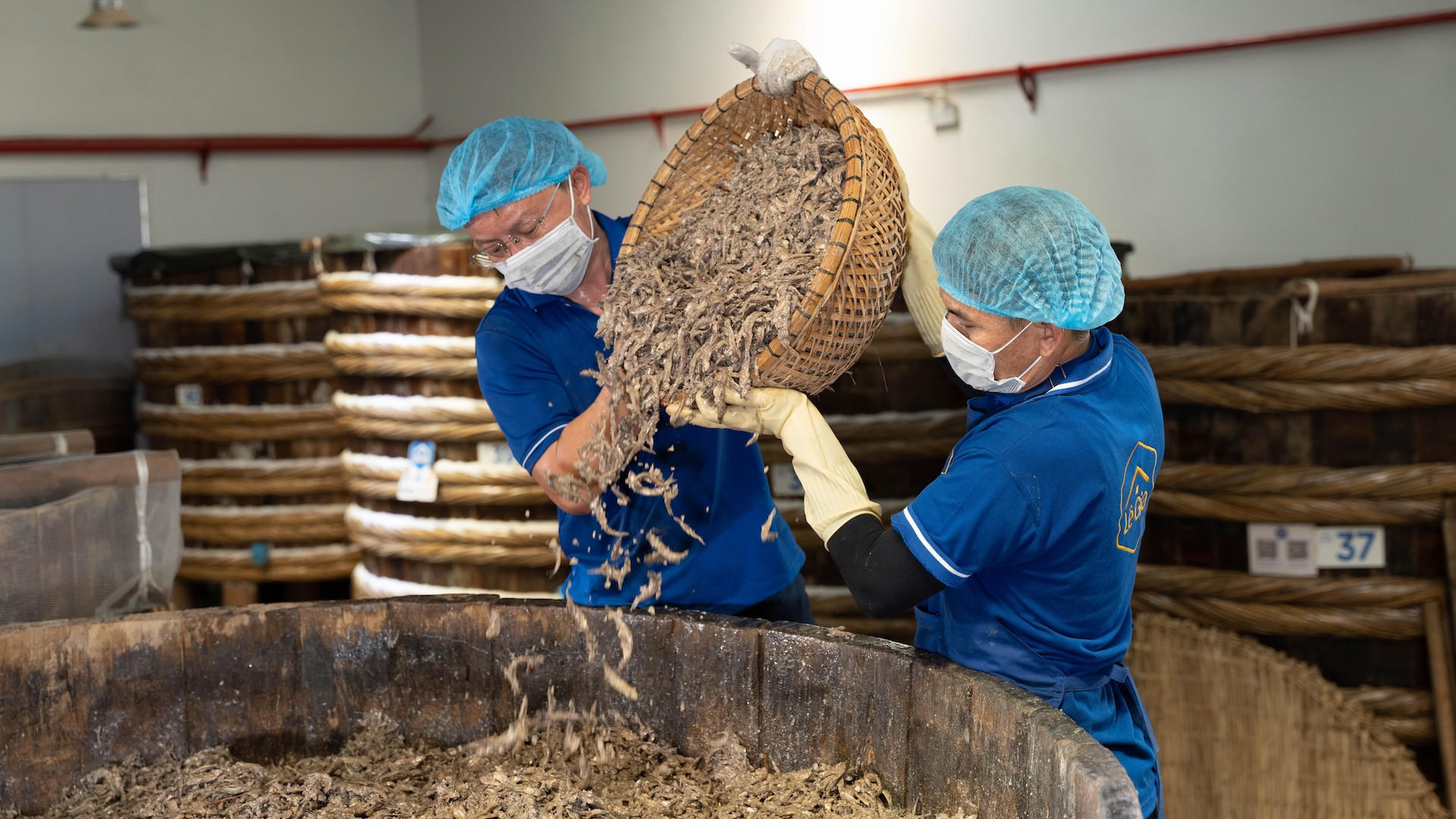
What kept him going was “kientam” – steadfastness. Steadfast pursuit of a dream, unwavering commitment to core values, and wholehearted dedication to preserving tradition. He saw every meal prepared for customers as if it were for his own family.
It took five years of paperwork and endless visits to authorities to secure land and permits for a factory. “Besides luck, I think officials saw how determined I was. That’s what helped me finally obtain approval to turn my dream into reality,” he shared.
Eventually, a factory emerged in the village - built mostly on loans - meeting global export standards. Debt kept him up at night, but he remained resolute. “I didn’t do this for financial freedom. I did it to preserve our cultural identity and support my community.”
That resolve became the company’s spirit. Le Anh often reminds his team: “Stay committed and improve every day. Today must be better than yesterday, and tomorrow better than today.”
A legacy reborn
Once a thriving fishing village, Khuc Phu in Hoang Phu commune relied heavily on the sea. But when the market changed, young people abandoned the trade. Elderly villagers tried to keep it alive, with aging jars gathering dust in front yards.
“Visit any fish sauce village today, and you’ll mostly see old men and women. Few young people want to carry on,” said Le Anh. Even children today prefer soy sauce over traditional fish sauce. “The future of this heritage product - the culinary passport of Vietnam - is uncertain,” he lamented.
Le Anh chose the harder path: reviving the craft with modern investment and unshakable dedication.
Keeping tradition alive at home
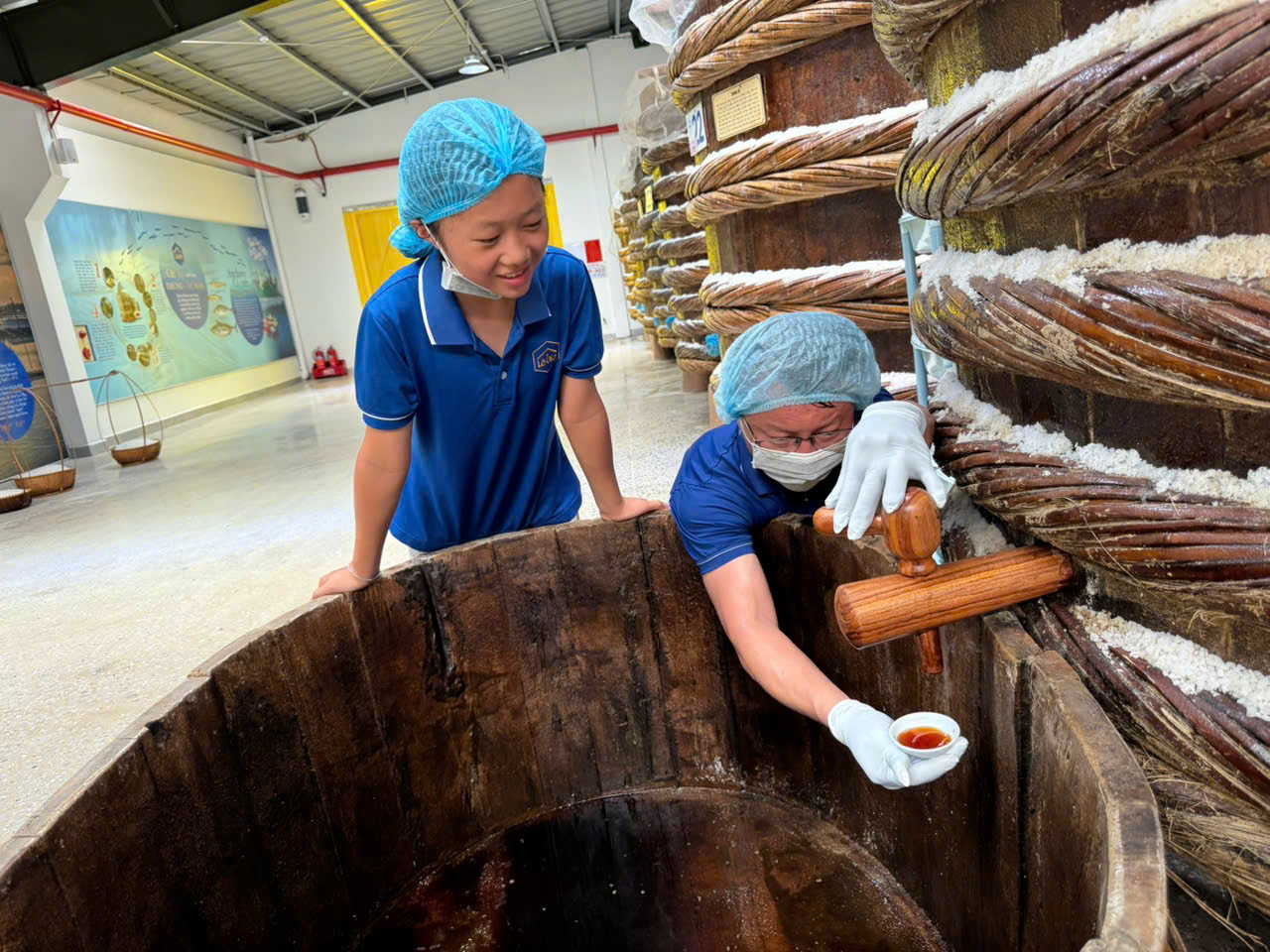
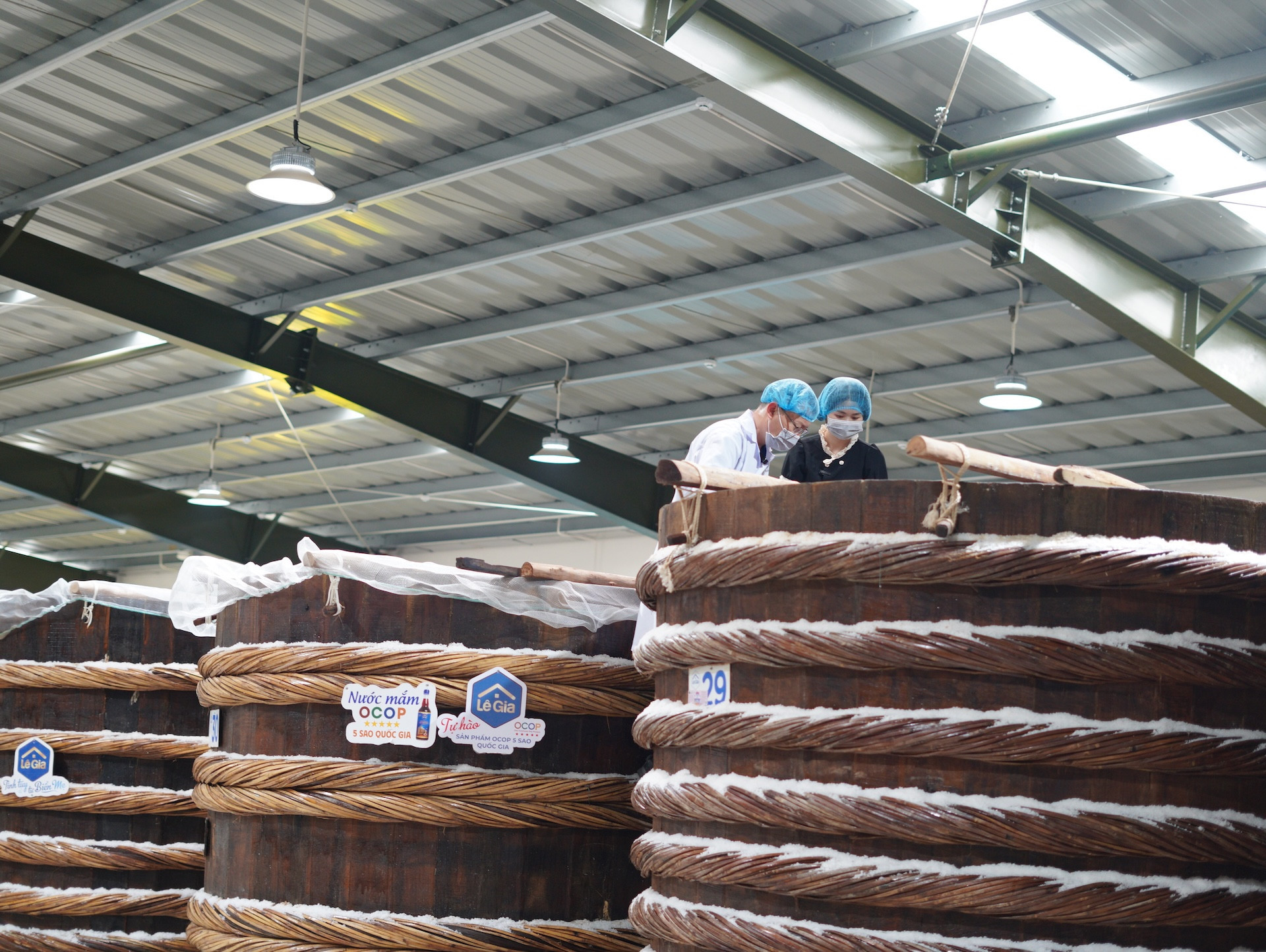
At his 12,000-square-meter facility, rows of meticulously handcrafted wooden barrels made from boi loi wood store fish sauce that has been fermented for 18 to 24 months. Fresh anchovies are salted directly on fishing boats before being carefully transferred to the barrels. The resulting amber-gold fish sauce - rich and aromatic - is the product of time, salt, sun, wind, and the dedication of coastal artisans.
While preserving ancestral methods, Le Gia has also embraced international quality standards to enter some of the world’s toughest markets.
The company has diversified its offerings to include fermented shrimp paste, anchovy paste, caramelized dipping sauces, seafood floss, and child-friendly condiments. Especially notable is its low-sodium fish sauce for children, rich in natural amino acids and designed for convenience - now stocked in baby product chains and major supermarkets nationwide.
To Le Anh, fish sauce is more than just a product - it’s a cultural story. With the desire to promote this heritage and beautify his homeland, he launched factory tours for visitors.
At the heart of the facility are two giant palm-leaf hats, symbolizing motherhood. Visitors can sit on bamboo mats, drink herbal tea, snack on green figs and rice cakes dipped in anchovy paste, and play traditional games. They hear stories of village life, told simply and sincerely by local fishermen.
Each year, about 20,000 people visit. Urban children learn that fish sauce is more than just a smell - it’s Vietnam’s culinary identity. Foreign tourists are amazed: “Such a humble product holds so much culture.”
Exporting traditional fish sauce is not just about commerce - it’s cultural diplomacy. Combining tourism with heritage crafts brings not only economic benefits but also pride and responsibility.
“We don’t measure success by revenue. The KPI for our tours is guest satisfaction,” Le Anh emphasized.
Social impact from rural roots
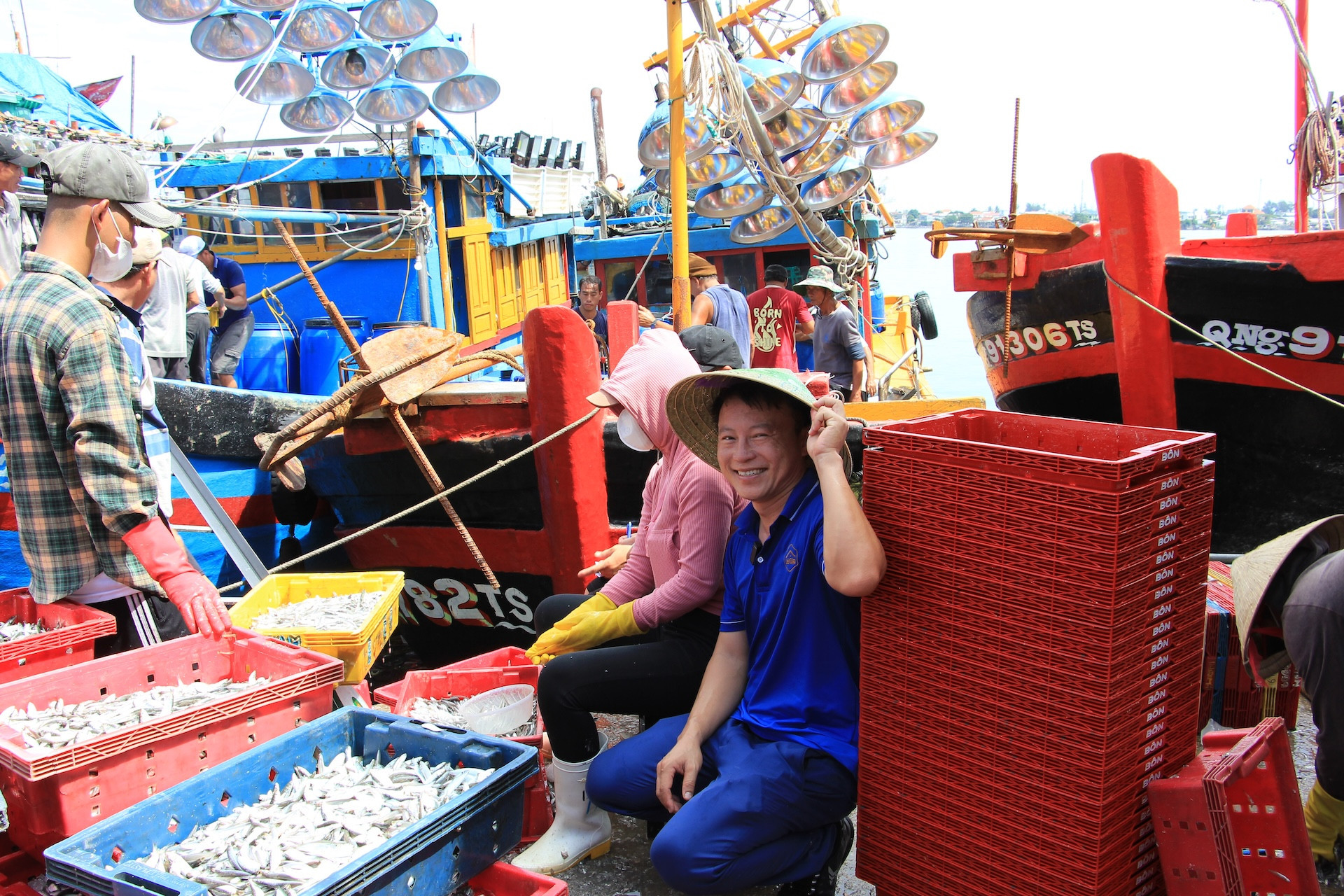
In 2023, UNDP recognized Le Gia as a social impact business. The company partners with hundreds of fishermen and salt farmers, offering higher-than-market prices and stable demand. Its 50+ employees are mostly middle-aged local women.
“Here, I just walk a few steps to work, then return to cook for my family. I still live fully in my village,” said one female worker.
Le Anh calls this model “detaching from farming but staying with the village.” Locals have stable, dignified jobs right at home - in an internationally certified factory with a healthy environment. “With more sparrows working alongside eagles, we can build truly livable rural communities,” he said.
On January 16, 2025, the national OCOP council assessed 52 products - only 28 earned the 5-star rating. Among them was “Le Gia Premium Fish Sauce – 40N.” It was the brand’s second time being honored, following its 2020 5-star shrimp paste award.
Deputy Minister of Agriculture and Rural Development Tran Thanh Nam remarked, “Not succeeding the first time doesn’t mean failure. Le Gia is proof - four years of persistence earned them the 5-star OCOP.”
Thanh Hoa’s Chairman, Do Minh Tuan, proudly declared, “From a humble village corner, Le Gia fish sauce has gone global. It exemplifies the ambition and integrity of our younger generation.”
“To me, success is not revenue or profit. It’s the smiles and joy of those around me,” Le Anh reflected.
That philosophy pervades the company. KPIs aren’t figures but customer emotions. Once, a worker hung a photo of the company in her modest living room as a token of gratitude - a reward more meaningful than any bonus.
For overseas Vietnamese, the connection runs even deeper. One wrote from Japan: “Using Le Gia fish sauce, I feel warm and less homesick.”
“If I had only thought of money, I wouldn’t have made it this far,” Le Anh said with a smile.
From village to the world
Today, Le Gia’s products are enjoyed in over 10 countries, including the US, Japan, South Korea, Australia, Singapore, New Zealand, and South Africa. The scale is still small, but every shipment brings pride - it’s Vietnam’s culinary passport reaching the world.
“I want ‘nuocmam’ to be recognized globally as a standalone Vietnamese term - like ‘ao dai’, ‘banh chung’, or ‘pho’. When people hear it, they should think of Vietnam, and of our traditional fish sauce - not just any fish sauce,” he said.
A Vietnamese in Japan once wrote, “When I open the bottle, its gentle scent reminds me of standing in the sunny courtyard of my childhood.” “That’s the greatest reward,” Le Anh said.
Compared to Korean kimchi or Japanese sushi, the journey of Vietnamese fish sauce is long. But Le Anh believes that with sincerity and perseverance, fish sauce can truly become Vietnam’s global culinary passport.
From a construction engineer to a village artisan, Le Anh revived Thanh Hoa’s traditional craft, turning a humble product into a 5-star OCOP brand now found on international dining tables.
Yet his proudest achievement isn’t awards or sales - it’s the smile of a fisherman, the gratitude of a factory worker, or a heartfelt message from a homesick Vietnamese abroad.
“Treat your customer’s meal like your own family’s meal” - that simple philosophy made Le Gia a symbol of hope: a small enterprise affirming cultural identity and proving that true development starts at home.
Tu Giang - Lan Anh
.svg)
