 Vietnamnet.vn

 Podcast



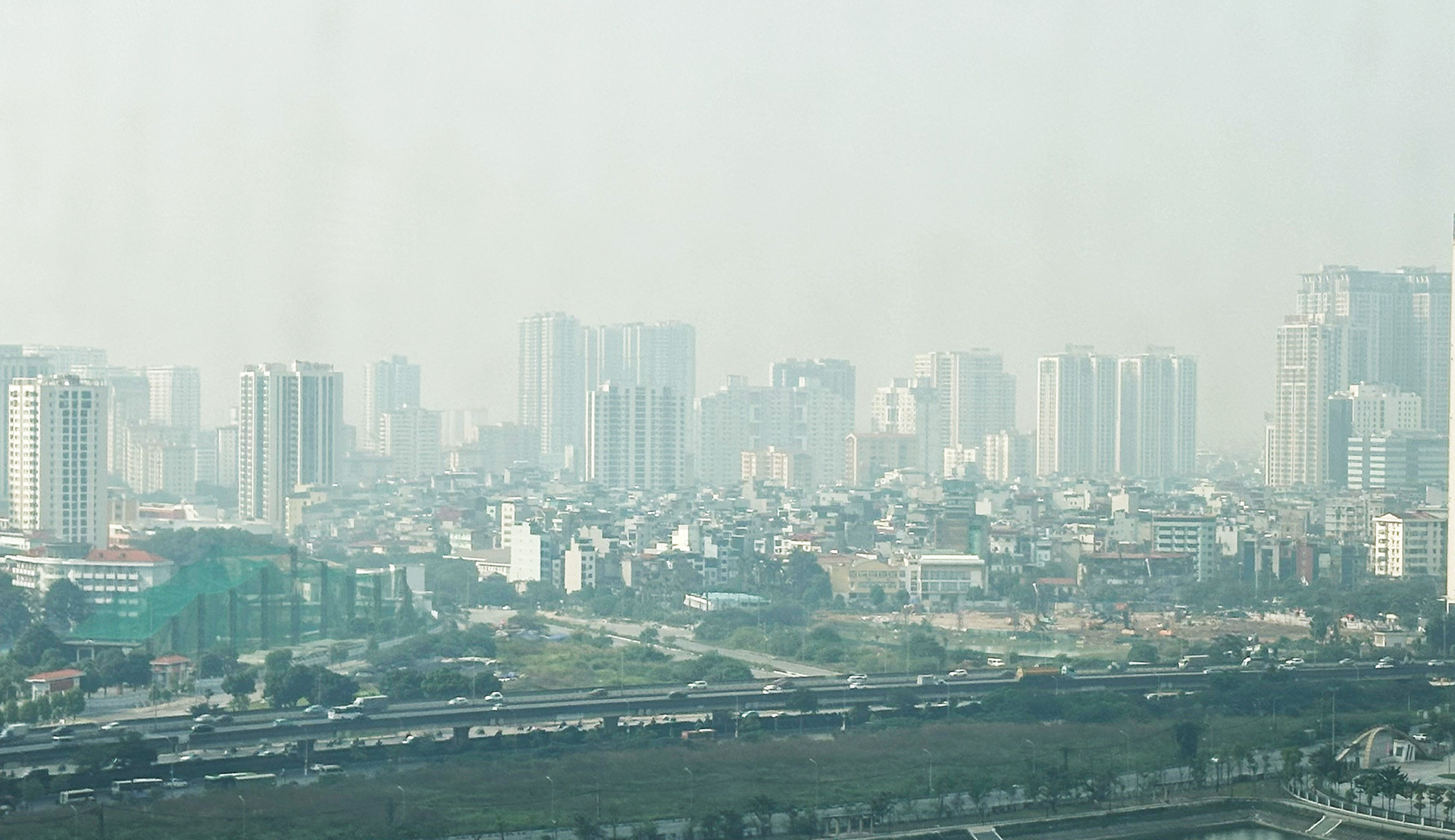
A visible haze has settled over the capital, with brown smog blanketing skyscrapers and thick clouds of exhaust choking the city’s busiest streets. The problem has become impossible to ignore.
Air pollution is now directly and severely affecting public health, while also placing a growing economic burden on individuals, families, and the country at large. This is no longer a distant concern - it’s an urgent crisis. That’s why solutions to improve air quality must be immediate and bold, protecting not just today’s health but the well-being of generations to come.
The good news: change is possible. Many European nations have managed to cut air pollution levels by nearly 80% over the past few decades. Their progress is proof that improving air quality is entirely achievable - if there is political will and collective effort.
These experiences offer valuable lessons for Vietnam as it seeks to build cleaner, healthier cities.
Clean air starts with smart transport and green planning
Two key strategies stand out from Europe’s success story, according to the report The European Environment – State and Outlook 2020: investing in public transport and sustainable urban planning.
In many Nordic countries, public transport systems are highly modernized, featuring electric metro lines and citywide electric bus networks. These systems enable residents to reach nearly every destination in the city with ease and efficiency.
Well-developed public transit not only meets people’s travel needs in major cities - it also cuts pollution, lowers costs, and protects the environment. When planned wisely, such systems can even become sustainable revenue sources.
This is a classic “win-win” model: governments benefit from efficient infrastructure, while citizens enjoy lower travel costs, better living standards, and cleaner air.
Urban planning is another powerful tool. Across Europe, many cities strive to meet World Health Organization (WHO) guidelines on green space. WHO recommends that every urban resident should have access to at least 0.5 to 1 hectare of public green space within 300 meters of their home.
In Spain, a study by the Barcelona Institute for Global Health (ISGlobal) evaluated the health impact of turning every third street into a green corridor. The research concluded that this transformation could prevent up to 178 premature deaths per year, simply by increasing urban greenery.
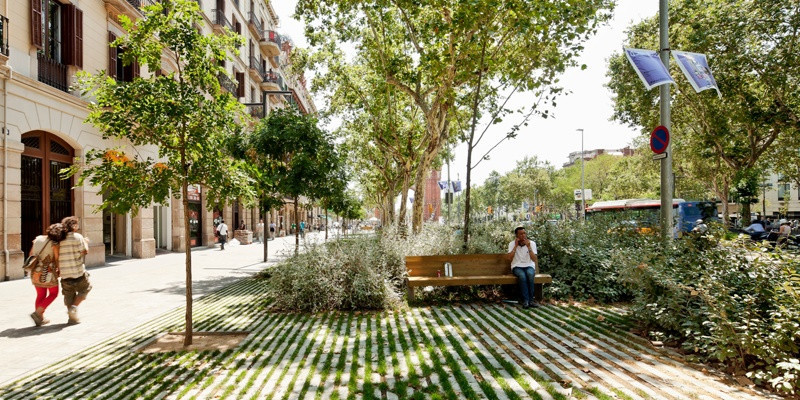
In addition, during hot months, trees and urban gardens can help prevent several deaths linked to extreme heat. These findings underscore the critical role of green planning in promoting public health and adapting to climate change.
In Copenhagen, Denmark, the “five-minute city” model ensures that all essential needs - from public transport and supermarkets to kindergartens and primary schools - are within a five-minute walk. This urban design significantly limits personal vehicle use and encourages walking or cycling, which in turn reduces emissions and enhances daily life.
The Netherlands offers another model of success. With an extensive network of bike lanes and pedestrian paths connecting residential areas to key city hubs, bicycles have become the primary mode of transport. This shift not only supports the environment but also promotes healthier lifestyles.
These examples show that when cities are intelligently designed - with priority given to green space and eco-friendly transport - both air quality and public health improve measurably.
Beyond its impact on individual health, air pollution poses a major obstacle to sustainable national development. It demands a comprehensive and long-term strategy.
Only through coordinated, far-sighted solutions can Vietnam reduce pollution and secure a livable environment for the future.
Nguyen Thi Khanh Huyen (Doctoral researcher at the Karolinska Institute, Sweden)
.svg)
