 Vietnamnet.vn

 Podcast



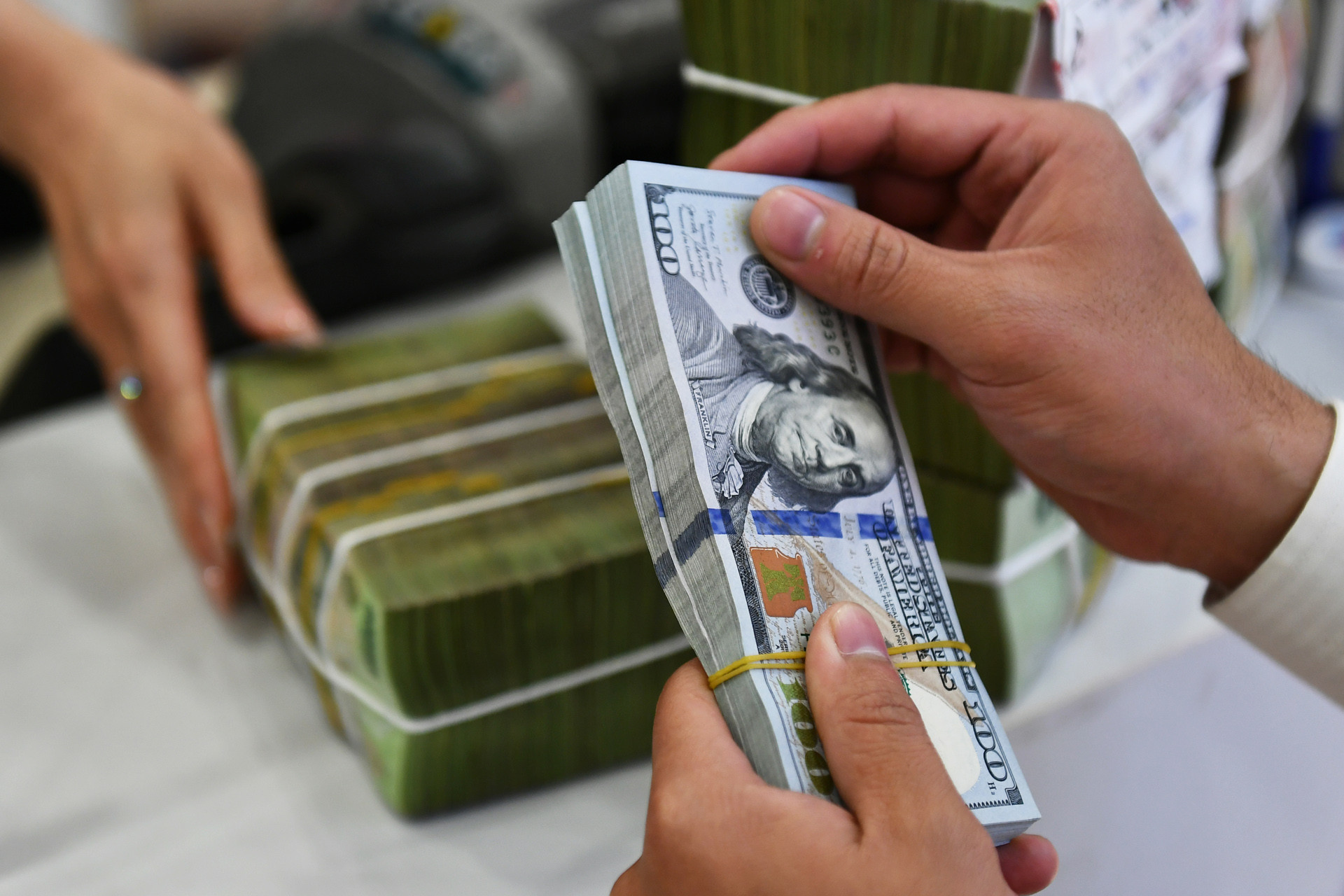
However, experts say this is largely a short-term technical shock rather than a sign of a broad-based interest rate reversal.
The interbank money market showed a major surprise in the February 3, 2026 session, as average quoted VND interbank rates surged sharply for terms ranging from overnight to under one month.
Overnight interbank rates, the tenor accounting for more than 90 percent of transaction value, jumped abruptly from 7.9 percent per year to as high as 17 percent per year.
Commenting on the spike, Associate Professor Nguyen Van Phuong, lecturer at the University of Economics, Vietnam National University Hanoi, told VietNamNet that the one-session leap in overnight interbank rates to around 17 percent per year reflects short-term liquidity stress.
At this stage, however, it should be seen as a warning-type technical shock rather than evidence of a system-wide crisis or an immediate precursor to a prolonged new interest rate floor.
“Published data show VND overnight rates rising to around 16–17 percent per year, far above the level of the preceding months, which was only a few percent. In earlier periods, sharp increases in interbank rates, up to the 7–9 percent per year range in late 2025, were typically linked to peak funding seasons, when credit grew faster than deposits, causing temporary liquidity shortages.
“Meanwhile, the State Bank of Vietnam has repeatedly injected large net amounts via open market operations to support liquidity, consistent with how similar shocks were handled in previous years,” Phuong explained.
From a macroeconomic perspective, Phuong noted that "technical liquidity shocks" often occur during peak payment seasons at the end and beginning of the year, tax collection periods, bond maturities, timing gaps between credit growth and deposit growth, and required compulsory reserve.
“At such times, many banks may lack overnight cash for 1–2 days and must borrow at any cost, pushing rates up, but this does not necessarily mean the entire system is truly short of capital or insolvent,” Phuong said.
In contrast, a systemic liquidity crisis would only occur if there were "breakages" in the interbank market across multiple sessions, where many banks cannot borrow despite accepting very high rates; or if rumors, bank runs, and clear stress on exchange rates and bond yields emerge.
“Currently, although rates have risen very sharply, the SBV has maintained stability, is ready to inject cash, and there have been no signs of prolonged transaction 'freezing,' so it cannot be called a systemic liquidity crisis. Therefore, I view this as a serious warning on liquidity, but not yet a systemic risk,” Phuong said.
Will lending and deposit rates increase?
Assessing the impact on bank interest rate floors in the coming time, Dr. Nguyen Van Loc, an economist and CEO of T-TECH Technology & Trading JSC, said the impact on deposit and lending rates depends on whether this "shock" is prolonged or short-lived.
“If liquidity pressure is only concentrated for a few weeks due to seasonal factors, and the SBV subsequently continues net injections, interbank rates will usually drop quickly back to the equilibrium zone, meaning the impact on deposit/lending rates is limited,” Loc said.
However, if the situation of rapid credit growth and slower deposit growth, seen in late 2025 persists, banks will be forced to raise deposit rates to attract stable funding, pushing retail interest rates higher.
According to Loc, the 17 percent per year overnight interbank rate is temporary because such a cost is too high for banks to sustain. Still, maintaining a higher interbank rate floor than before, even at 4–6 percent only, would put upward pressure on average funding costs.
“In short, the 17 percent per year shock signals increased risk of an upward turn in interest rates if liquidity structure does not improve. But the 17 percent figure itself is highly likely to be very short-lived,” he said.
Loc’s research found that Vietnam has experienced multiple episodes in which interbank rates spiked sharply and then cooled quickly once the State Bank of Vietnam injected liquidity and seasonal factors passed. With tools such as open market operations, refinancing, and reserve requirement adjustments, the central bank has sufficient technical instruments to calm the interbank market if policy priorities focus on liquidity stability.
Loc expects banks to become more cautious in liquidity management, which may lead them to pay slightly higher rates on term deposits.
PV
.svg)
