 Vietnamnet.vn

 Podcast



If the digital economy has created a “virtual space” to drive commerce and services, then the low-altitude economy is opening up a “real space” in the sky, where manned and unmanned aircraft are forming entirely new value chains.
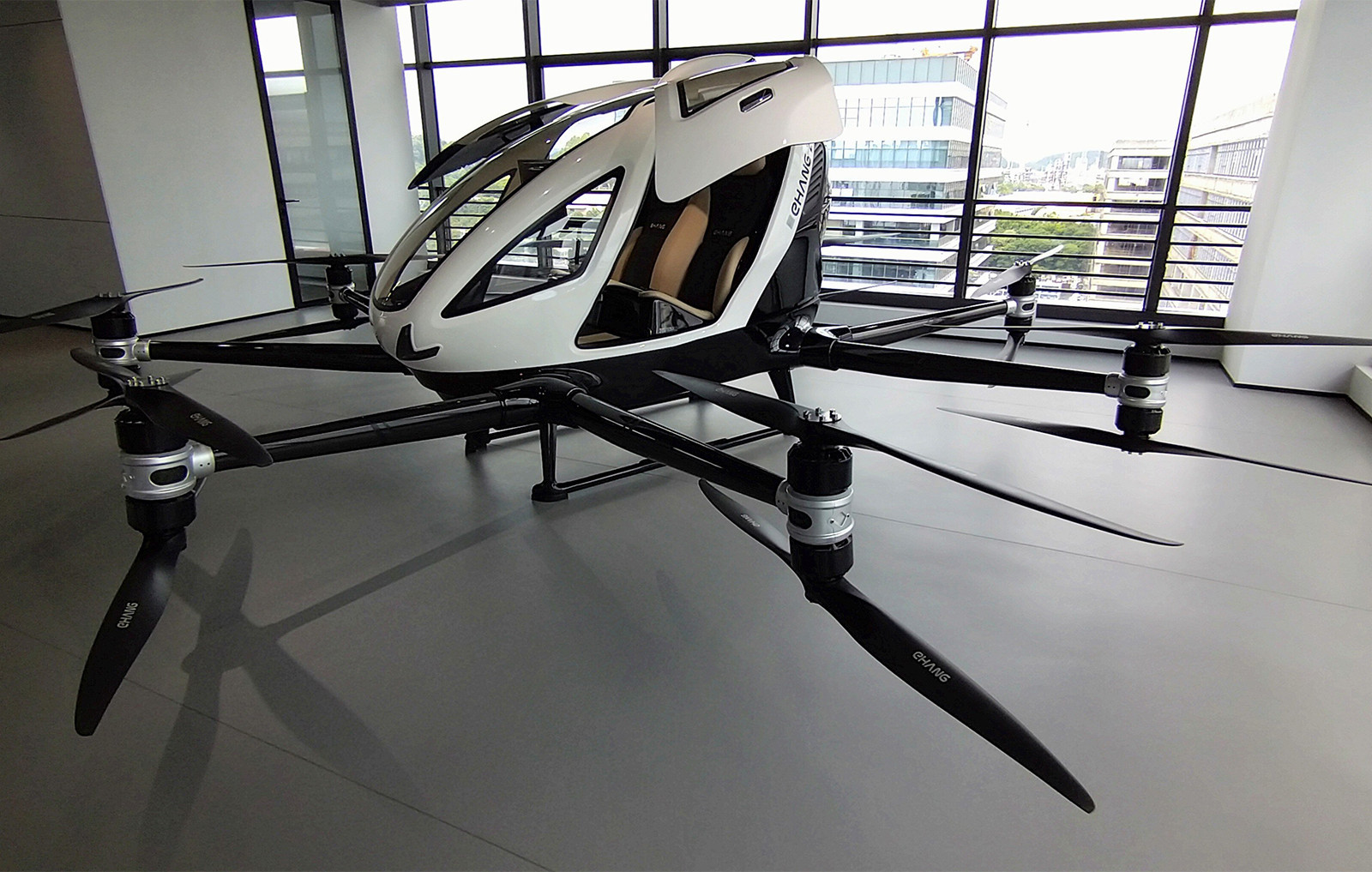
UAVs are being used to transport medical supplies in emergencies, access disaster-isolated areas and maintain supply chains in remote agricultural regions.
Chairman of Viettel Tao Duc Thang shared that two to three years ago, major global technology events began introducing concepts such as “low-altitude economy” and “low-altitude security.” By 2025, these terms had become far more prevalent.
“Technologies linked to low-altitude economy and low-altitude security are gradually being integrated into telecommunications products. The low-altitude economy covers activities taking place in lower airspace, such as transporting goods, supplies and equipment. In the future, it may even include passenger transport via unmanned aerial vehicles or flying taxis. This stems from the reality that ground infrastructure is overloaded. Alongside this comes the issue of low-altitude security. When aircraft operate right above our heads, we must ensure they pose no danger, do not invade privacy or conduct unlawful acts. Low-altitude space is part of human living space, so security requirements are extremely high,” Tao Duc Thang said.
The Viettel chairman affirmed that this is a new playing field and a new opportunity opening up for Vietnam.
An overlooked layer of airspace and a chance to accelerate
The establishment of UAV transfer hubs, known as droneports, is the next step in turning low-altitude logistics into a critical economic infrastructure.
Alongside logistics, agriculture stands to benefit directly from the low-altitude economy. With vast cultivated areas and complex terrain, Vietnamese agriculture faces pressure to boost productivity while reducing reliance on manual labor.
Agricultural UAVs enable more precise spraying of fertilizers and crop protection chemicals, lowering chemical usage and reducing risks for workers.
Multispectral cameras and sensors mounted on UAVs provide detailed data on crop health, moisture levels, nutrients and pests, allowing farmers and enterprises to make data-driven decisions rather than relying solely on experience.
Integrating UAV data with AI analytics platforms will create smart agricultural management systems that reduce production costs, enhance product quality and establish more transparent supply chains for export.
In search and rescue operations, the low-altitude economy is demonstrating particular value as natural disasters grow more severe.
In central provinces, where floods frequently disrupt transportation, UAVs can become the only means of quickly reaching affected residents, delivering life jackets, medicine, food or communication devices.
UAVs also support rescue forces by rapidly assessing damage, locating victims and coordinating response efforts more effectively.
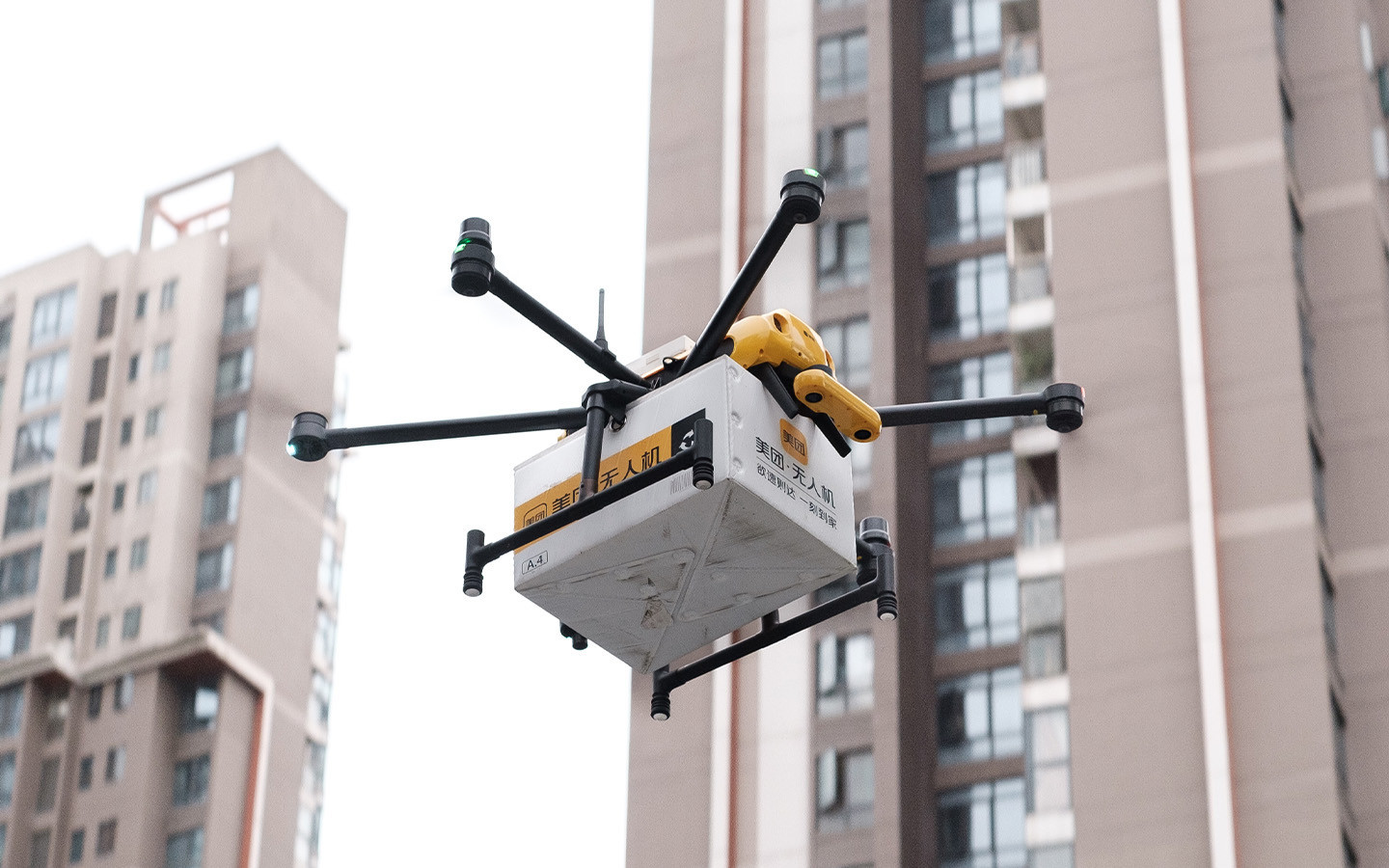
Drone delivery models have been piloted in many countries and are beginning to appear in Vietnam.
According to experts, the low-altitude economy encompasses all economic activities taking place below 1,000 meters, potentially extending to 5,000 meters depending on each country’s needs.
This once underutilized airspace is becoming the foundation for a wide range of services, from environmental monitoring and precision agriculture to e-commerce logistics, infrastructure management and media - entertainment.
One of the fastest-growing sectors within the low-altitude economy is logistics. As e-commerce expands rapidly and same-day or even same-hour delivery becomes the new standard, ground transport systems are increasingly overloaded and shipping costs are rising.
The application of UAVs for cargo transport shortens delivery times, reduces costs, optimizes routes and is particularly suitable for Vietnam’s mountainous terrain and island geography.
Drone delivery models have been piloted in many countries and are beginning to appear in Vietnam, promising to significantly transform supply chains in the future.
Beyond light cargo transport, UAVs are also used to deliver medical supplies in emergencies, access areas cut off by natural disasters or maintain supply chains in remote agricultural production zones.
Vietnamese enterprises such as CT UAV, Viettel and HERA have developed UAV models capable of operating in harsh weather conditions, with long flight durations and the ability to carry various support devices, helping the country gain greater autonomy in social welfare and rescue missions.
Urban management is another area poised for profound transformation through the low-altitude economy. Major cities facing air pollution, traffic congestion, public safety monitoring and infrastructure inspection require continuous and precise surveillance systems.
UAVs combined with real-time data networks can monitor traffic hotspots, issue early warnings about congestion or accidents and assist authorities in timely intervention.
In tourism and entertainment, drone light shows, aerial photography services and sightseeing flight experiences are opening new markets for Vietnam’s tourism sector.
Drone show events in many countries have proven highly attractive, and Vietnam could deploy them in destinations such as Da Nang, Phu Quoc and Ha Long to create new impressions for international visitors.
Aerial imagery also helps localities promote natural and cultural tourism resources more effectively.
Value-added services derived from the low-altitude economy, such as fleet leasing, construction monitoring data analysis or agricultural measurement systems operated by UAVs, will generate substantial revenue streams for enterprises and local governments.
Data collected by UAVs is becoming a new resource, used for urban planning, weather forecasting, digital mapping and sectoral development strategies.
The low-altitude economy as a “new sky”
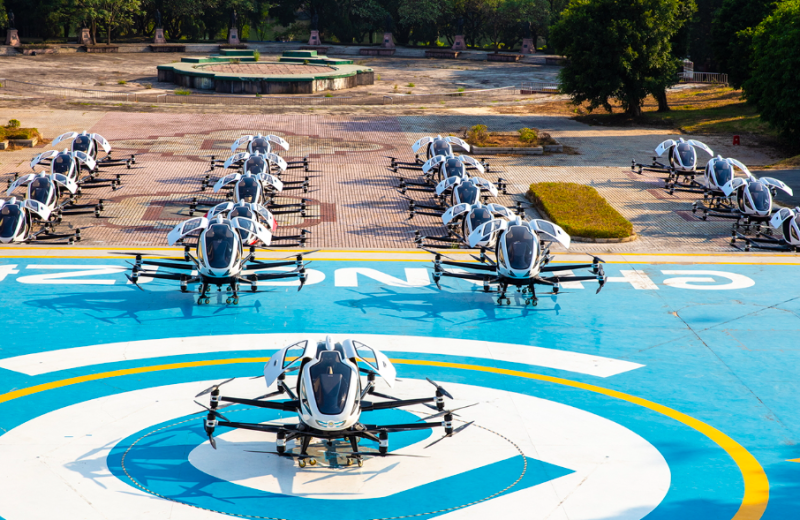
Chairman Tran Kim Chung said the low-altitude economy is a breakthrough growth driver for 21st-century nations.
Tran Kim Chung, Chairman of CT Group, described the low-altitude economy as a breakthrough growth driver for nations in the 21st century.
It is not a standalone industry but a multidimensional ecosystem encompassing aviation transport, logistics, smart agriculture, energy, smart cities, tourism, defense and security.
He cited an example: an agricultural UAV can spray and monitor 67 hectares of crops in a single day, dozens of times more than manual labor.
In the energy sector, one hour of UAV operation can equal three days of inspection work by electrical engineers. Productivity gains are measured not in percentages but in multiples, a key factor enabling economies to evolve.
From another perspective, Tran Anh Tuan, CEO of the Vietnam Aerospace and UAV Network, said that if the digital economy marked the first transition of the 21st century, then the low-altitude economy represents a “new sky” opening industries that previously did not exist.
Models such as low-altitude logistics, smart urban services, 3D digital mapping, infrastructure monitoring systems and aerial digital services will form value chains that draw in thousands of supporting enterprises.
The global market for low-altitude aviation is projected to reach US$700 billion by 2035. Vietnam alone is estimated to have the potential to reach US$10 billion, thanks to rapid urbanization, fragmented terrain and high automation demand in agriculture, energy, construction and disaster response.
Application scenarios in Vietnam may even be more diverse than in developed countries due to variable weather conditions and widely dispersed infrastructure.
In agriculture, a spraying UAV can handle over 60 hectares per day, many times the output of manual labor. In rescue operations, UAVs can reduce search times by up to 90 percent while enhancing safety for response teams.
In major urban areas such as Hanoi and Thu Duc City, UAVs are being introduced to support traffic monitoring, construction order supervision and power grid management.
“When these values are promoted through a synchronized management system, the low-altitude economy will become a new growth engine for Vietnam,” Tuan said.
“The future layer of Vietnam lies just below 1,000 meters”
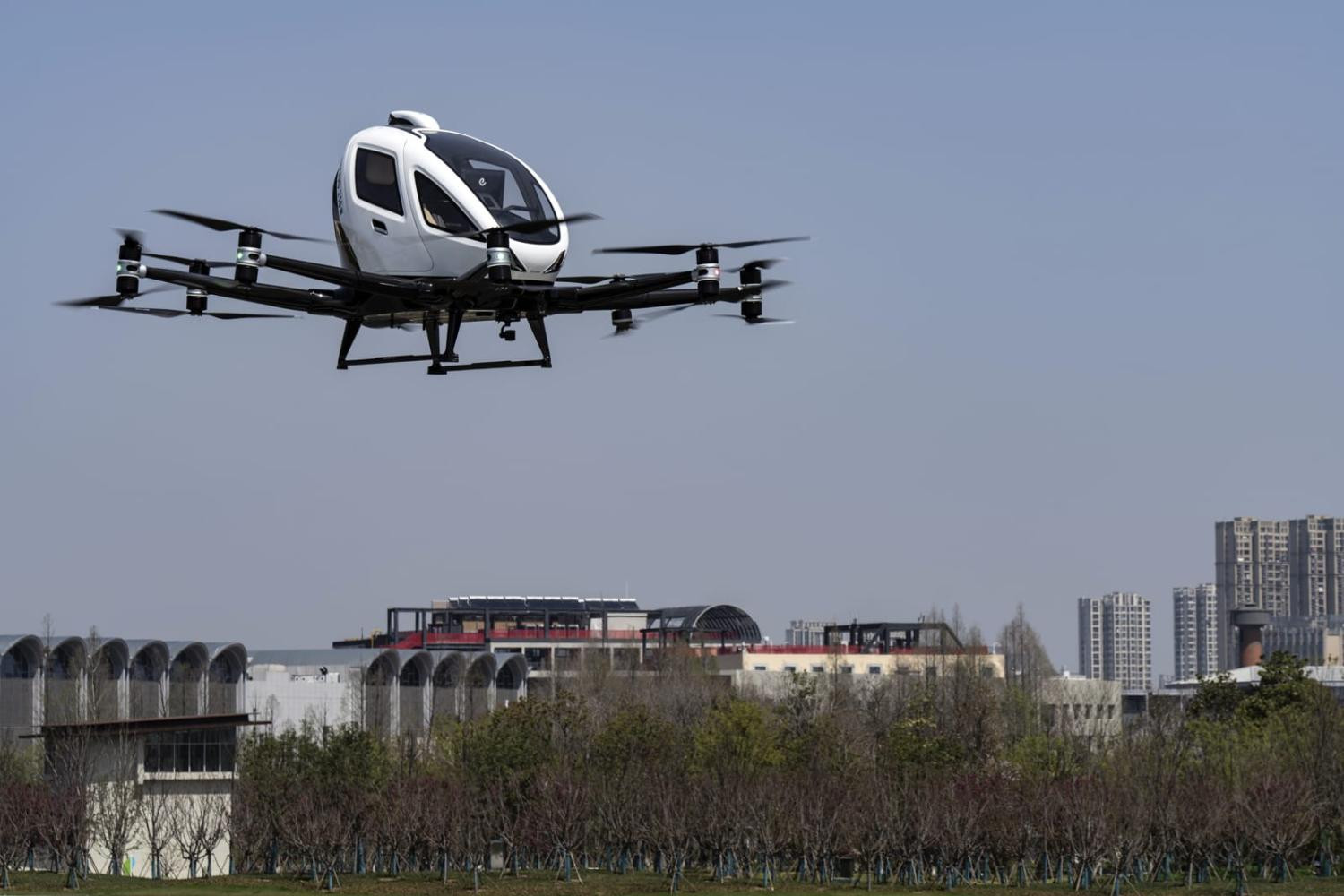
Vietnam could become a regional center for low-altitude economy manufacturing and services.
Vietnam is developing a strong and fast-growing ecosystem of low-altitude economy enterprises such as Gremsy, Saolatek, Realtime Robotics and CT UAV.
According to Nguyen Van Chu, Deputy General Director of Gremsy, Vietnam has mastered many key technologies to participate in low-altitude supply chains.
Several products manufactured by Vietnamese companies have been exported and integrated into drone-in-the-box systems of major corporations such as Nokia.
Vu Anh Tu, Chief Technology Officer of FPT Group, noted that the Mekong Delta has become the country’s largest UAV application region, with more than 3,000 drones operating across 1.5 million hectares.
By 2025, Vietnam could reach 6,000 drones, creating a sufficiently large market to foster supporting industries and low-altitude R&D centers.
According to Vu Anh Tu, the low-altitude economy is no longer a question of whether to pursue it, but how to turn fragmented pieces into a coherent national strategy.
It represents an opportunity for Vietnam to enhance industrial capacity, create one million jobs and achieve revenues exceeding US$10 billion by 2035. Further ahead, Vietnam could become a regional hub for low-altitude economy manufacturing and services.
He emphasized: “Vietnam’s sky is opening an unprecedented development space.” If seized at the right moment, the country will not only build a new economic sector but also ignite the intellect and creative aspirations of its engineers, deliver better services to remote areas and assert a new voice on the global technology map.
Thai Khang
.svg)
